Toothache Home Remedies vs. Seeing a Dentist: When Charlotte Patients Should Come In
The warm salt water took the edge off, and the ibuprofen helped. For a while the throbbing faded enough that you thought it might be over. Now it is back, and you are weighing toothache home remedies vs. dentist care. Can you keep handling this yourself, or does someone at Charlotte Emergency Dental need to look at that tooth today?
Here is the straight answer from a Charlotte practice that treats dental pain seven days a week. Home remedies are a fair way to get through the next few hours, but they are a poor way to get through the next few days, because they calm the symptom and leave the cause untouched. This guide explains what each option can and cannot do and compares them side by side. It also lists the symptoms that mean it is time to stop rinsing and start driving, and it walks you through what happens when you come into Charlotte Emergency Dental. Walk-ins are welcome, and on some weekdays, patients with straightforward cases have gone from arrival to treatment in about 30 minutes, but that is a best case rather than what most visitors should expect, so plan for your visit to take longer, though individual experiences vary based on the day and the condition being treated.
Why Do Home Remedies Feel Like They Are Working When They Are Not?
Home remedies feel like they work because they quiet the pain signal for a few hours. They reduce swelling, numb the surface, or dull the nerve, but none of them reach the decay, crack, infection, or exposed nerve that is causing the pain.
Each remedy works in its own way. A warm salt water rinse flushes food and bacteria from around the tooth and soothes irritated gums. An ice pack held against your cheek narrows the blood vessels, so the ache feels duller while the cold lasts. Clove oil has a natural numbing effect on the surface it touches. Over-the-counter pain relievers such as ibuprofen calm inflammation for several hours per dose. These steps can help you get through tonight or through the drive to the office, but they cannot fix what is broken.
The real issue is where the pain starts. Many serious toothaches begin inside the tooth, in the pulp, which is the soft core that holds the nerve and blood supply. Decay is bacteria eating through enamel toward that core, and a crack gives bacteria a direct path to it. No rinse can rebuild enamel, close a fracture, or drain an infection sealed inside a root.
There is a second trap that catches some people. A toothache that suddenly goes quiet can mean the nerve inside has died. The pain eases, but the bacteria keep working. Charlotte Emergency Dental sees some patients who rinsed and medicated for days while an infection spread from the pulp into the bone around the root. By the time they walked in, the fix was bigger than it had to be.
Toothache Home Remedies vs. a Dentist Visit: How Do They Compare Side by Side?
Once you understand why home remedies only mask pain, the comparison gets clearer. Home remedies give fast, short relief at almost no cost, but they cannot find or fix anything. A same-day dental visit costs more upfront, and it is the only option that identifies the cause and treats it.
| Method | What It Does | What It Cannot Do | Timeline to Relief | Cost Impact |
|---|---|---|---|---|
| Warm salt water rinse | Flushes debris and soothes irritated gums | Reach decay, cracks, or infection inside the tooth | Minutes, fades quickly | Nearly free now, but delay can raise the final bill |
| Clove oil | Numbs the gum and tooth surface it touches | Stop bacteria or repair damaged tooth structure | Minutes, wears off within hours | Low now, same delay risk |
| Over-the-counter pain relievers | Reduce inflammation and dull pain | Clear an infection or fill a cavity, and they can mask a dying nerve | Partial relief that wears off between doses | Low now, same delay risk |
| Ice pack on the cheek | Reduces outside swelling and dulls the ache | Treat anything inside the tooth or bone | Only while the cold is applied | Free now, same delay risk |
| Same-day dental visit with CBCT and treatment | Finds the exact source with 3D imaging and testing, then treats it | Predict how quickly pain will resolve, since each tooth responds differently | Timing varies based on condition and day | $99 emergency exam and X-ray, then a treatment price you review before any work starts |
Look at the “What It Cannot Do” column and a pattern shows up fast: every home remedy stops at the surface. The salt rinse, the clove oil, the pills, and the ice all change how the pain feels, while only the last row changes the condition of the tooth itself.
That does not make home remedies useless, and this comparison is not meant to scare you off them. They have a real job, which is getting you through tonight or through the drive to the office. Taking a pain reliever as the label directs, rinsing with warm salt water, and holding ice against your cheek on the way in are all smart moves. The mistake is treating them as a plan instead of a bridge.
The cost column also deserves a second look. A home remedy feels cheaper because it costs nothing today, but a tooth that keeps getting worse under a layer of ibuprofen may need more work later, not less. The section on the real cost of waiting below shows how that math plays out with actual treatment prices.
What Will a Charlotte Emergency Dental Scan Show That You Cannot Feel at Home?
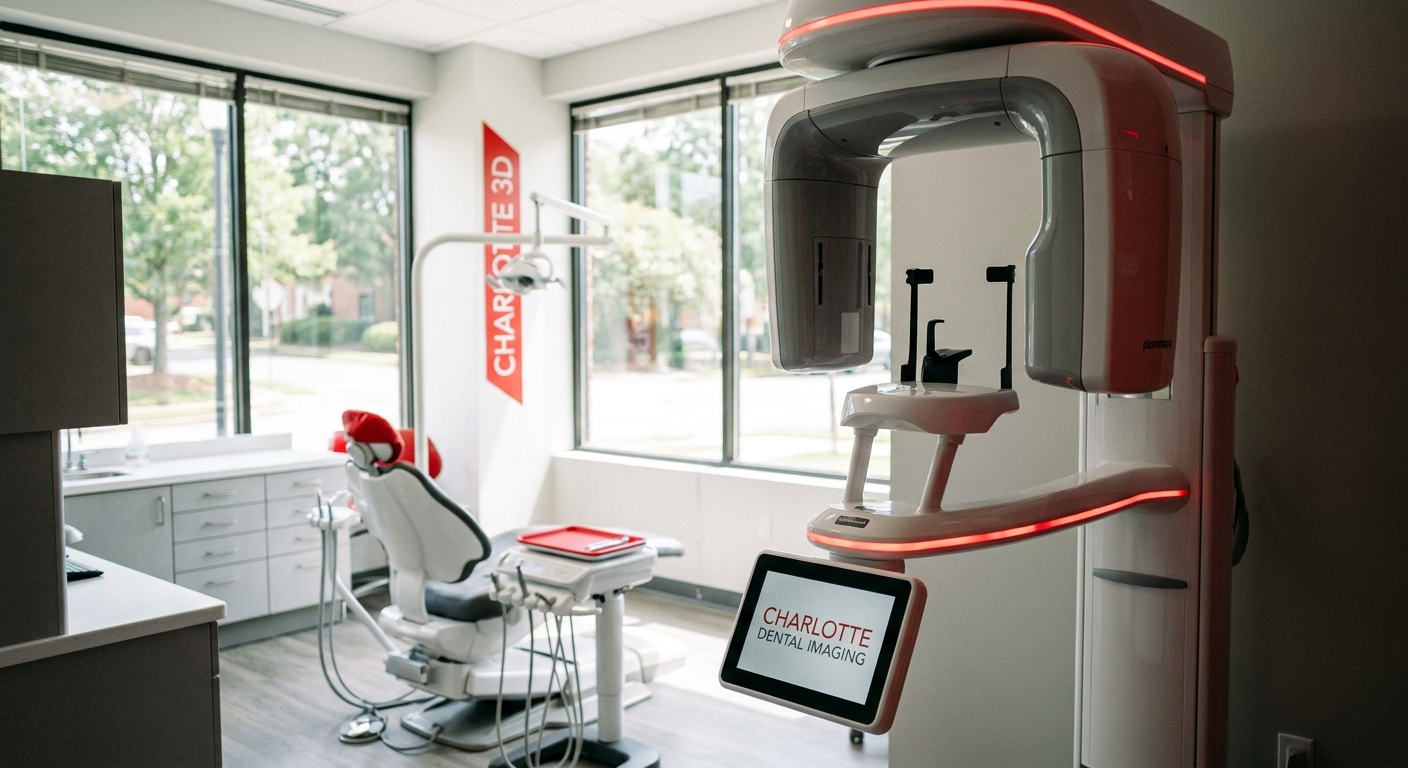
The biggest difference in the toothache home remedies vs. dentist decision is information. A cone-beam CT (CBCT) scan gives the Charlotte Emergency Dental doctor a 3D view of your tooth, roots, and jawbone in minutes, and it can reveal infections, cracks, and bone involvement. Paired with an exam and a few simple tests, it shows which tooth is causing the pain and why.
Here is how a visit runs at Charlotte Emergency Dental. When you arrive, the front desk asks a few quick questions: what is going on, how long it has hurt, what the pain feels like, and whether you have noticed swelling or signs of infection. Next comes the CBCT scan, which captures infections, cavities, and bone detail that a flat X-ray can miss. You then move to a treatment room, where a dental assistant does an initial evaluation before the doctor does a full exam inside your mouth.
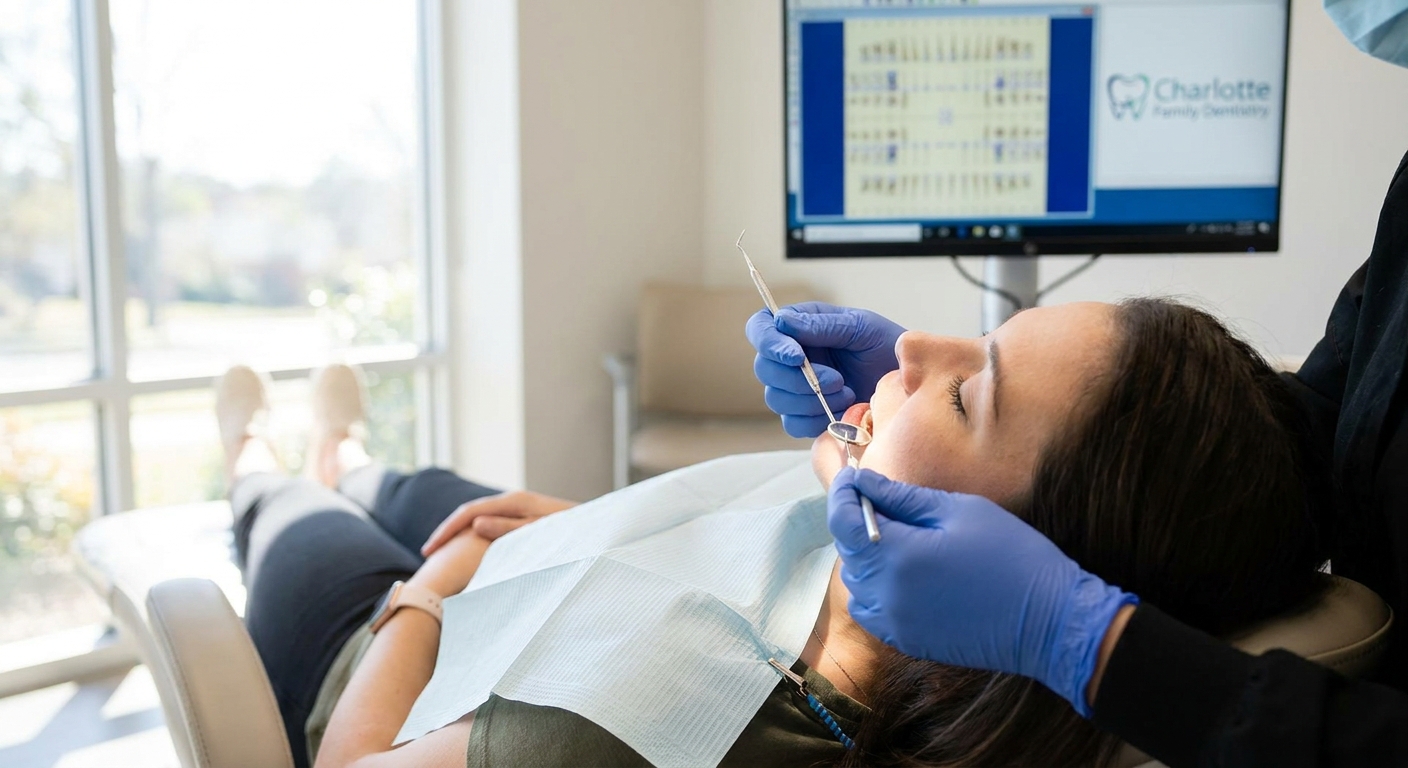
The Charlotte Emergency Dental doctor also runs two quick chairside tests. In percussion testing, the doctor gently taps the tooth, and tenderness can point to inflammation in the tissue around the root. In cold testing, the doctor touches the tooth with something cold. A sharp response that fades quickly suggests a healthy nerve, while pain that lingers, or no response at all, tells the doctor the nerve may be inflamed beyond recovery or no longer alive. The doctor also screens for infection. Then comes the part many patients value: the doctor goes over the scan with you, shows you what they found, and talks through your treatment and financing options before anything happens.
This is the gap home care can never close, because tooth pain is hard to locate. The ache you feel in one spot may come from a neighboring tooth, and a hairline crack may not show up in a bathroom mirror at all. You might spend three days putting clove oil on the wrong tooth while the real problem sits right next to it. A few minutes of imaging and testing replaces that guesswork with an answer.
The Real Cost of Waiting: When a Filling May Become a Root Canal
Knowing the source matters for your wallet, too, because waiting rarely saves money on a toothache. At Charlotte Emergency Dental, a cavity caught early might need a filling in the $150 to $400 range, though cost depends on the tooth and extent of decay. A patient who waits often faces a root canal after the infection spreads to the nerve, and that typically runs several times the cost of a filling. If the infection damages too much tooth or bone, the tooth may need extraction followed by eventual replacement with a bridge or implant, which costs more still.
The price jumps because the problem gets deeper. A filling works when decay is still in the outer layers of the tooth, so the dentist removes the damaged part and seals the tooth. Once bacteria reach the pulp, a filling can no longer solve it, and the infected nerve has to be cleaned out with a root canal. If the infection has damaged too much tooth or bone, the tooth may have to come out.
An extraction can look like the budget choice, but the bill does not end there. A missing tooth leaves a gap, and filling that gap later with an implant, a bridge, or a denture adds real cost and more visits. Saving the tooth is often the better long-term value, which is why catching the problem early matters.
Picture how this sometimes plays out. A patient’s molar starts aching on a Thursday night, so they rinse, take ibuprofen, and decide to wait for the weekend to pass. By Sunday, the ache has turned into throbbing, and their gum near the tooth looks puffy. That shift can mean the infection has spread beyond the root into the surrounding tissue. The Charlotte Emergency Dental team has treated some patients who delayed in just this way and turned a treatable cavity into a root canal or extraction. Those days of waiting did not save money; they raised the bill and kept the pain going longer.
When Should You Stop Home Remedies and Walk In Today?
So how do you know when the bridge has run out? Stop the home remedies and get seen today if your toothache has lasted more than 48 hours or keeps getting worse. The same goes for swelling, a fever, or pain that keeps you from sleeping, eating, or working, because these signs suggest the problem has moved beyond what home care can manage.
Watch especially for these signs:
- Pain lasting longer than 48 hours, or getting worse despite home care
- Swelling in your gum, face, or jaw
- Fever, or a general sick feeling along with the tooth pain
- A bad taste, pus, or a pimple-like bump on the gum
- Pain from hot drinks or food that lingers after you stop
- Throbbing that wakes you up or keeps you from sleeping
- Sharp pain when you bite down
Some of these signs carry a specific clinical meaning. Pain that starts on its own, or lingers after hot or cold, often means the nerve is inflamed past the point of healing on its own. An acute abscess shows up as fast-onset pain, tenderness to pressure, and swelling from pus. If you notice a bump on your gum or a foul taste, read more about dental abscess treatment in Charlotte. The bottom line is simple: these conditions need a dentist.
There is one important exception. If swelling spreads toward your eye or down your neck, or if you have trouble breathing or swallowing, go to a hospital emergency room right away. Charlotte Emergency Dental refers life-threatening swelling and major facial trauma to the hospital, because those situations need emergency medical care first. For everything short of that, from a throbbing molar to a swollen gum, the dental office is the right stop.
How Fast Can You Get Seen at Charlotte Emergency Dental?
If you have decided to come in, the next worry is usually the wait. On weekdays, many walk-in patients at Charlotte Emergency Dental go from arrival to treatment in about 30 minutes, and some weekend walk-ins have been seen in under an hour, a best-case scenario rather than the typical wait, and others may wait longer, though wait times vary depending on how busy the office is and the complexity of cases being treated. The office is open seven days a week, with extended weekday hours from 9 a.m. to 7 p.m.
The Charlotte Emergency Dental office handles a steady flow of same-day emergencies, including severe toothaches, abscesses, cracked and broken teeth, lost or loose crowns, dry sockets, post-extraction pain, and root canals. With that volume, triage, scanning, and treatment run as a routine process instead of a scramble to fit you in.
The practice offers many types of care in the same visit. When possible based on the specific case, the practice can provide root canals, crowns, extractions, implants, bridges, and dentures the same day, so you are not diagnosed today and sent somewhere else next week. Many emergencies that walk through the door of Charlotte Emergency Dental are treated the same day, in-house, though some complex cases may require additional visits or referral.
To be clear, there are a few exceptions. A root canal on a tooth with unusually complex canals may go to a specialist, and major facial trauma goes to the hospital. For the toothache keeping you up tonight, the most likely outcome is diagnosis and treatment in one trip, though what happens depends on what the scan and exam reveal.
Choose Home Remedies If / Choose Same-Day Care If
With all of that in mind, the choice comes down to how your symptoms look right now. Home remedies make sense only for very mild sensitivity that you expect to fade within about 24 hours. For anything longer, stronger, or paired with swelling or fever, same-day care is the better choice. This is not an even trade-off, and pretending otherwise would not help you.
Choose home remedies if:
– You feel a brief, mild twinge, such as a quick zing from cold water, that fades fast
– The discomfort is new and you expect it to ease within 24 hours
– You have no swelling, fever, bad taste, or pain when biting
Choose same-day care if:
– The pain has lasted more than 48 hours or is getting worse
– You have swelling, fever, or signs of infection
– The pain wakes you at night or makes it hard to eat, work, or focus
– You keep needing pain relievers just to get through the day
Even mild sensitivity that keeps coming back deserves a look, and Charlotte Emergency Dental offers general dental care for exactly that. A recurring twinge can be early decay, and treating it early is often the easiest and least expensive outcome.
Some Charlotte patients wait for one simple reason: it is Friday night or Saturday morning, and they assume no dentist will see them until Monday. So they rinse and medicate through the weekend while the tooth gets worse, and that assumption costs some people. Charlotte Emergency Dental is open seven days a week, walk-ins are welcome, and some weekday walk-ins have reached treatment in about 30 minutes, but that is not what every patient should expect when you need us, though timing depends on the day and case complexity. If the tooth needs a dentist, you do not have to wait for one.
What Will Emergency Care Cost, and What If You Are Afraid of the Dentist?
For many people, the last two barriers are money and fear, so it helps to tackle both directly. Charlotte Emergency Dental is a self-pay practice. The emergency exam and X-ray cost $99, and you review your treatment options and price with the doctor before any work begins. Third-party financing offers payment plans, sometimes at 0% interest for approved applicants.
If cost is part of why you have been treating this at home, that makes sense. A surprise dental bill is a real fear, and many people would rather put up with pain than face an unknown number. Upfront pricing removes that unknown, since you know the $99 exam fee before you walk into Charlotte Emergency Dental. After the scan and exam, the doctor shows you what is wrong, explains your options, and talks through the cost of each one, so you decide with real numbers in front of you.
For bigger treatment like a root canal or extraction at Charlotte Emergency Dental, financing can turn one large bill into monthly payments. The practice works with outside financing companies whose plans sometimes carry 0% interest for approved applicants. For some people, that is the difference between treating the tooth now and waiting until the infection forces the issue.
Then there is the fear that has nothing to do with money. Maybe you worry treatment will hurt more than the toothache, or a past visit left you avoiding dentists for years. Some people who lean on home remedies are really managing fear, not pain, and that is worth saying out loud. The doctor numbs the area before treatment begins, so the work itself should feel like pressure rather than pain. For anxious patients, Charlotte Emergency Dental can also prescribe anti-anxiety medication to take before the appointment, which may help the visit feel more manageable. Mention it when you arrive, and the team will plan around it.
When you weigh toothache home remedies vs. dentist care, the deciding question is not how bad the pain feels right now but whether it is getting better on its own. If your toothache has lasted more than 48 hours, has gotten worse despite home remedies, or is costing you sleep or getting in the way of your day, walk into Charlotte Emergency Dental today for a same-day diagnosis and treatment aimed at the cause of your pain. Walk-ins are welcome seven days a week, or you can call 704-525-3939 when you need us. Before you leave the house, jot down three things: when the pain started, what makes it worse (hot, cold, or biting), and whether it has woken you up. Those details help the doctor narrow down the source faster, so you get to treatment sooner.
You Don’t Have to Tough It Out
If your toothache isn’t responding to home care within a day or two, or if the pain is sharp and persistent, that’s your signal to reach out. Charlotte Emergency Dental is here when discomfort crosses the line from manageable to urgent, and getting checked sooner often means a simpler solution. A quick call helps you understand what’s happening and what comes next.
Call Charlotte Emergency Dental
Treatment needs, wait times, and outcomes vary from patient to patient based on individual conditions and office volume.