When a stubborn tooth won’t quit, you need relief fast. Same day surgical extraction offers a way to remove a damaged or infected tooth in a single visit, easing your pain and preventing further complications. By combining advanced imaging, local anesthesia, and surgical expertise, walk-in clinics can often complete the process in under an hour, so you can get back to your life without days of waiting.
In this guide, you’ll learn when extraction is necessary, how walk-in services work, what to expect during surgery, and tips for a smooth recovery. You’ll also explore immediate implant options and learn how to choose the right provider for same day surgical extraction.
Understand extraction needs
Severe tooth pain and infection
If you’re experiencing unrelenting throbbing, swelling, or a bad taste in your mouth, bacteria may have invaded the pulp or surrounding tissue. Infected teeth can lead to abscesses, fever, and even serious health risks if left untreated. Same day surgical extraction stops infection at the source, offering immediate relief and reducing the chance of systemic complications.
Consult a painful tooth extraction dentist or consider urgent tooth removal when antibiotics and root canal therapy aren’t enough to quell the pain. Quick intervention safeguards your overall health and spares you from days of discomfort.
Impacted or fractured teeth
Teeth that are cracked, broken down to the gum line, or trapped beneath the gums can’t be saved with fillings or crowns. Impacted wisdom teeth often erupt at odd angles, pushing against adjacent teeth and causing misalignment or jaw pain. In these cases, same day surgical extraction removes the source of pressure immediately, preventing damage to neighboring teeth.
Walk-in clinics equipped for wisdom tooth extraction urgent can handle multiple extractions in one session. You won’t need to juggle several appointments—your problem tooth is gone before you leave the office.
Benefits of same day extraction
Immediate pain relief
By removing the offending tooth on your first visit, you bypass days of agony waiting for an opening. Local anesthesia and sedation keep you comfortable during the procedure, and most patients feel a dramatic drop in pain as soon as the numbness wears off.
Infection control
Extracting an infected tooth quickly prevents bacteria from spreading to your jawbone, sinuses, or bloodstream. You won’t face the risk of a deep abscess or cellulitis when the source of infection is removed promptly. This step is especially critical if you have underlying health conditions like diabetes or a weakened immune system.
Reduced appointments
Fewer visits mean less time off work or away from family. Same day surgical extraction combines diagnostics, imaging, and surgery into one streamlined experience. If you’ve ever struggled to book a slot for tooth extraction without appointment, you’ll appreciate the convenience of a walk-in clinic that handles everything in a single visit.
Walk-in extraction services
Availability and hours
Many urgent dental surgery facilities stay open evenings and weekends to accommodate your schedule. Clinics offering extraction dentist open late give you flexibility when you’re in crisis, and some even allow you to walk in without prior booking.
No-appointment convenience
When pain strikes, you shouldn’t have to navigate complex scheduling portals. Walk-in oral surgery centers provide clear signage, minimal paperwork, and rapid triage, so you can get X-rayed, assessed, and treated within hours. Look for clinics advertising tooth extraction open weekends or walk in dentist for tooth removal to ensure you have options outside 9-to-5.
The extraction procedure
Exam and imaging
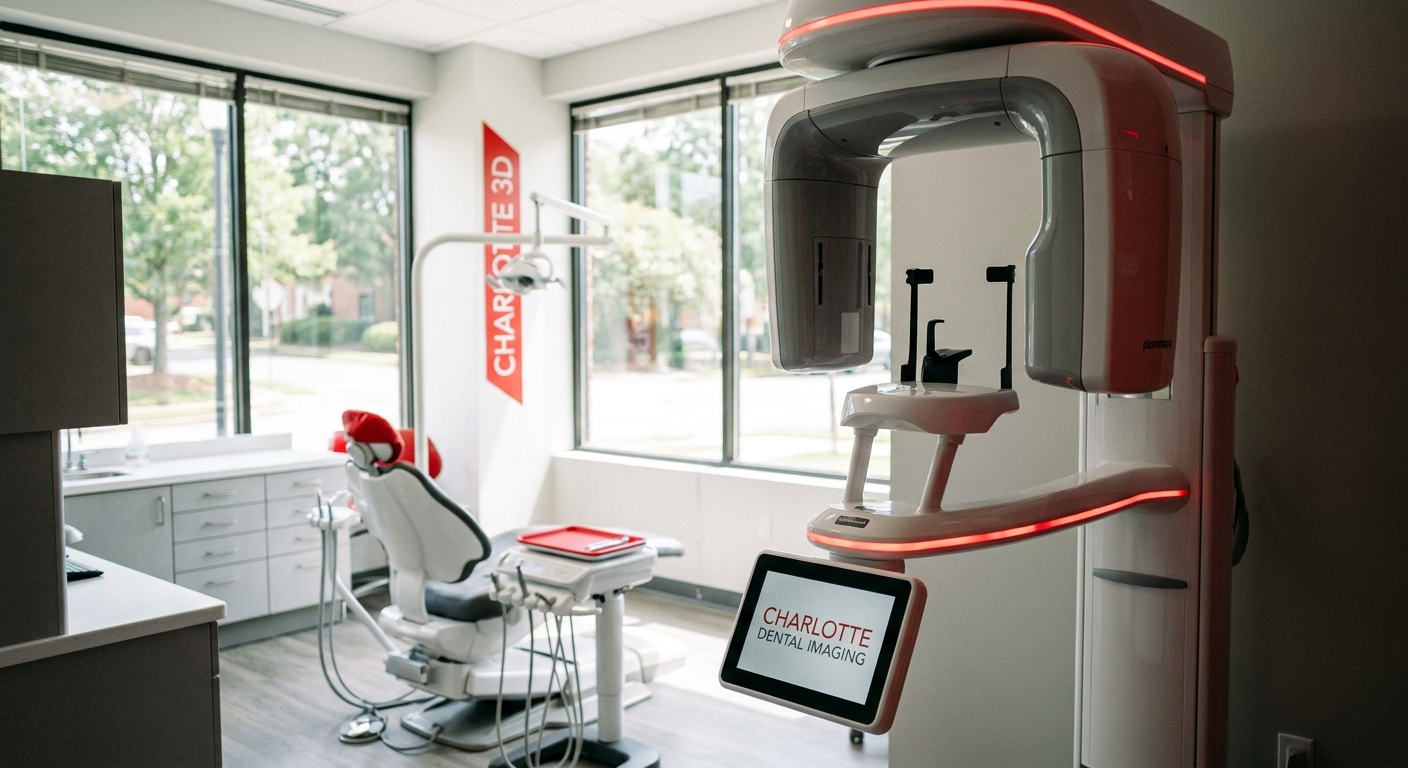
Your visit typically begins with a thorough exam, including digital X-rays to pinpoint the tooth’s position and root structure. This imaging guides the surgeon’s approach, ensuring precision and minimizing trauma to surrounding tissue.
Anesthesia and comfort
Local anesthesia numbs the area completely, so you feel pressure but no pain. If you’re anxious, nitrous oxide or oral sedation is available to help you relax. You’ll remain conscious and responsive, able to communicate any discomfort throughout the procedure.
Surgical steps
After anesthesia takes effect, your dentist makes a small incision in the gum if the tooth is impacted, then removes bone as needed to expose the root. The tooth is gently extracted, the socket is cleaned to remove debris and infection, and stitches are placed if necessary. The entire process rarely exceeds an hour, and your provider will review aftercare instructions before you go home.
Recovery after extraction
Your body begins healing the moment the tooth is out. Proper care during each stage accelerates recovery and reduces complications.
| Stage | What happens | Recommendations |
|---|---|---|
| First 24 hours | Blood clot forms to protect bone and nerves | Apply ice packs, keep head elevated, rest |
| Days 2–3 | Pain peaks then subsides if clot holds steady | Stick to soft foods, stay hydrated, avoid straws |
| Days 4–5 | Early tissue growth; slight firmness possible | Introduce gentler meals, watch for pus or foul taste [1] |
| Weeks 2–3 | Gum tissue mostly healed | Resume normal brushing, schedule follow-up if needed |
| Months 3–6 | Bone remodeling completes | Plan for implants or dentures as recommended |
First 24 hours
Within the first day, swelling and mild bleeding are normal. Bite gently on gauze to form a stable clot, and use ice on your cheek for 15 minutes on, 15 minutes off. Keep your head elevated to limit throbbing.
Days 2–5
Pain usually peaks around day two before improving. Soft foods like yogurt and smoothies will nourish you without disturbing healing tissue. Continue to avoid rinsing vigorously or using straws to protect the clot.
Long-term healing
Soft tissue closes within two to three weeks, but bone remodeling can take several months [2]. Follow your dentist’s plan for restoring the gap, whether that’s an implant, bridge, or denture.
Next steps in treatment
Immediate implant options
For eligible candidates, you can combine extraction and implant placement in one appointment. Immediate implants preserve bone height, prevent jaw resorption, and maintain your smile throughout healing.
Candidates typically must meet these criteria:
- Adequate jawbone density and quality
- Good overall health with stable blood pressure and glucose
- No active infection at the extraction site
- Non-smoker or willing to cease tobacco use
(Sandston Comprehensive Dentistry)
Other restorative choices
If implants aren’t right for you, a dental bridge or removable denture can restore function and appearance. Bridges anchor to neighboring teeth, while dentures can be immediate or delayed depending on your healing progress. Discuss options with your general dentist tooth extraction provider to create a long-term plan.
Choosing your provider
When selecting a walk-in clinic, look for specialists in oral surgery, modern imaging technology, and extended hours. Providers advertising walk in oral surgery dentist and weekend availability are ideal for urgent care. Read reviews, verify credentials, and confirm that your facility offers both surgical extractions and follow-up support.
A clinic that handles both emergency and scheduled cases can guide you from extraction through restoration, saving you time and stress.
You don’t have to endure tooth pain for days or weeks. Same day surgical extraction gives you a fast, reliable path to relief and recovery—all in one visit. Whether you need a simple removal or immediate implants, a qualified walk-in clinic can deliver the care you need, exactly when you need it.