Tooth Pain Relief in Charlotte, NC: Same-Day Diagnosis and Treatment for Acute Toothaches
If your jaw is throbbing right now, you do not want to hear about scheduling. You want the pain to stop today. On one recent Tuesday, a patient walked into Charlotte Emergency Dental at 10:15 a.m. with excruciating lower-left pain and left the parking lot at 11:30 a.m., after a CBCT scan, local anesthesia, an extraction, and a bone graft on tooth #30. That happens not because the team rushes, but because the whole workflow is built to deliver relief and resolution in a single walk-in visit, instead of booking imaging for next week and treatment for the week after. That is what real tooth pain relief in Charlotte looks like when a practice is built for it: the source found and fixed the same day, not a numbing agent and a follow-up card. The rest of this page explains exactly how that happens, what it costs, and why one visit is usually enough.
Numbing the Pain Is Not the Same as Fixing It
True dental pain relief means finding and treating the cause of the pain, not just quieting the symptom for a few hours. A pain pill, a topical gel, or even a shot of anesthetic can calm an angry tooth for a while, but the infection, deep cavity, or crack underneath keeps working, and the pain comes back worse once the numbing wears off.
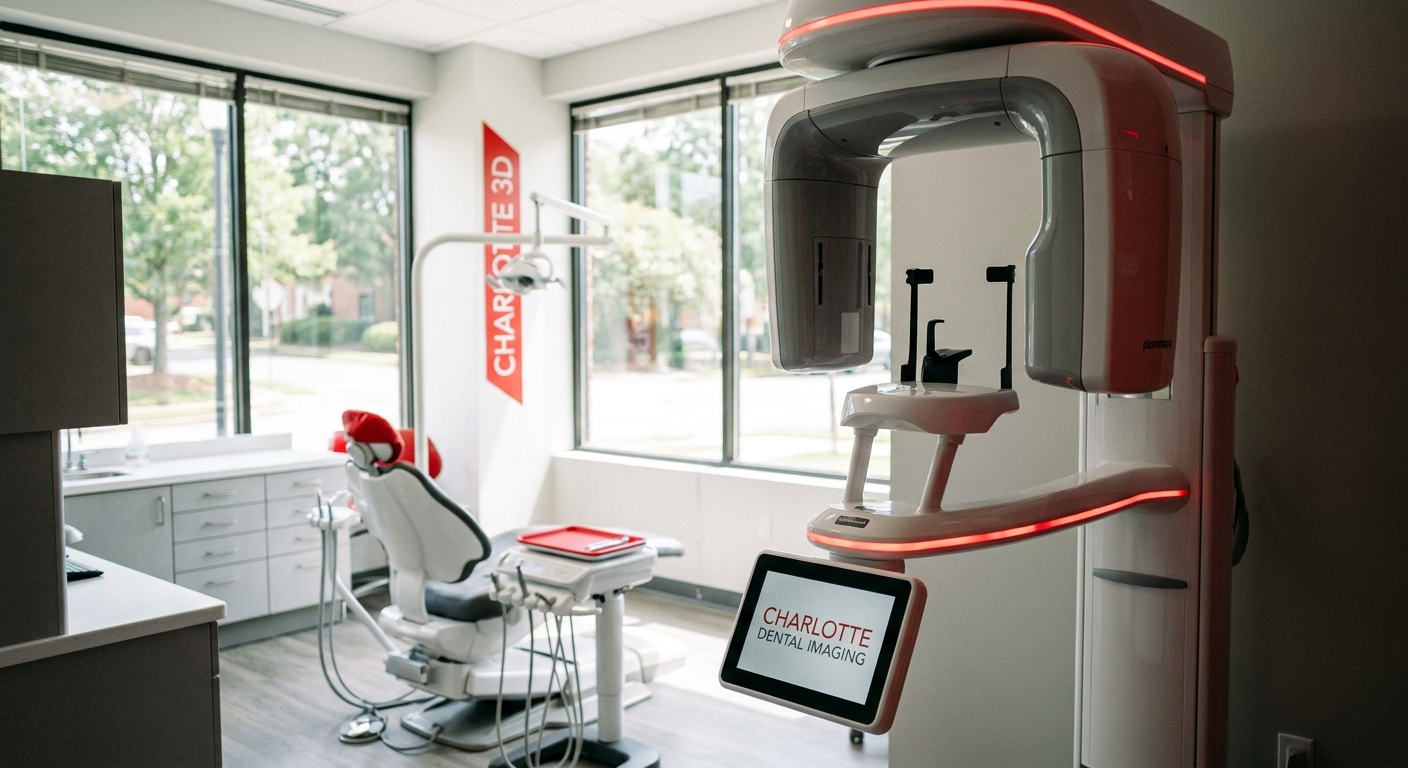
That distinction matters because you cannot see most causes of an acute toothache with your eyes, or even with a flat, two-dimensional X-ray. An infection sitting at the tip of a root, a hairline crack running down toward the nerve, or bone loss from a long-simmering abscess can all hide from a standard visual exam. This is why Charlotte Emergency Dental captures a cone-beam CT (CBCT) scan the same day you arrive. That 3D image reveals infections at the root ends, large cavities, and the condition of the bone around each tooth, and it also lets the doctor evaluate bone quality when an implant is on the table. The doctor treats what is actually wrong rather than guessing from the outside.
Think of it like a leak behind a wall. You can mop the floor all day, but until you open the wall and find the pipe, the water keeps coming. Symptom control is the mop. Source treatment is fixing the pipe. When you come in for tooth pain relief in Charlotte, the goal is the second one: identify the exact tooth and the exact problem, then complete the curative procedure while you are still in the chair. That is the difference between leaving with your problem handled and leaving with it merely postponed.
The Four Most Common Causes of Emergency Dental Pain in Charlotte
Most acute toothaches trace back to one of four problems, and each one needs its own specific fix rather than a one-size-fits-all painkiller. Charlotte Emergency Dental treats 10 to 15 same-day emergencies daily, and these four conditions make up the bulk of them.
The first is deep decay that has reached the nerve. When a cavity grows large enough to expose or infect the pulp inside the tooth, the throbbing becomes constant and often worse at night. The fix is usually a root canal, which removes the infected tissue and saves the tooth, sometimes followed by a crown to protect what remains. The second is an abscess, a pocket of bacterial infection at the root or in the gum. An abscess can cause swelling, a bad taste, and pressure that radiates into the jaw or ear. It needs drainage and antibiotics, and often a root canal or extraction to remove the source.
The third common cause is a cracked or fractured tooth. Sometimes bonding or a crown can rebuild it, but a crack that splits the root, like the unrestorable vertical root fracture diagnosed in the tooth #30 case above, means the tooth cannot be saved and needs to come out, often with a bone graft to prepare the site for a future implant. The fourth is a complication after a previous extraction, most commonly dry socket, where the protective blood clot is lost and the raw bone is exposed to air and food. That pain is sharp and deep, and it is treated by cleaning and dressing the socket, not by riding it out. Beyond these four, the practice also handles knocked-out teeth, broken teeth, lost or loose crowns, sudden sensitivity, and post-extraction pain, each with its own targeted treatment.
How Does Same-Day Diagnosis and Treatment Work Here?
You walk in, you get triaged, you get scanned, and in almost 100% of cases you get the curative procedure finished in that same visit. The typical weekday wait from arrival to actual treatment is around 30 minutes, and no appointment is required.
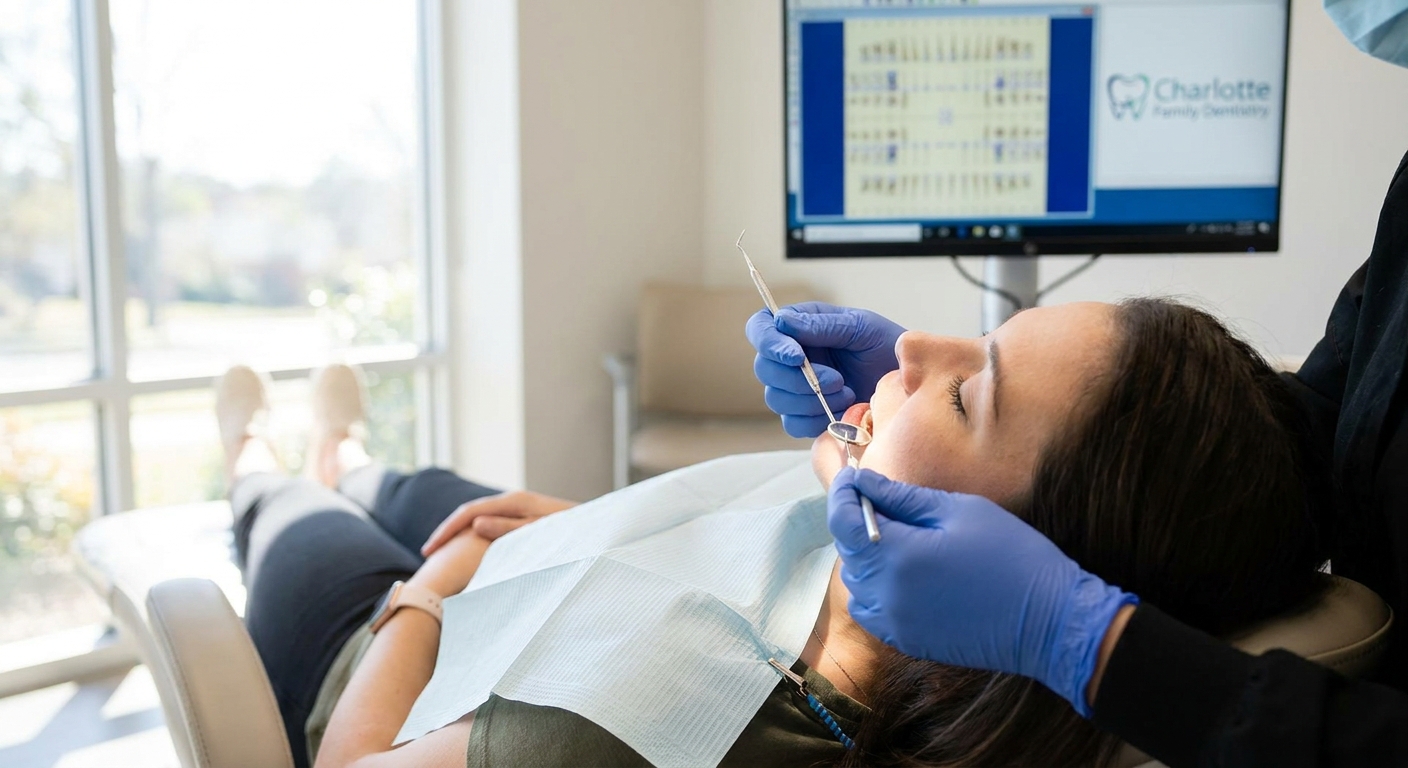
Here is the path from the door to relief. First, the front desk staff triage you: the nature of the issue, how long it has hurt, how you would describe the pain, whether there is swelling, and whether there are signs of a major spreading infection. This flags urgent cases so the most serious problems move fastest. As soon as possible you receive the CBCT scan, then move to an operatory where a dental assistant evaluates you and the doctor performs a thorough intraoral exam. That exam includes vitality testing on the tooth, using cold and gentle percussion to see whether the nerve is alive or dying, plus an infection screening. The doctor then reviews the 3D scan in detail with you and lays out the treatment along with the financing options before anything begins.
The part that sets this apart is what happens next. Instead of sending you home with a prescription and a note to schedule the fix later, the practice completes the curative procedure that day whenever possible: the root canal, the crown, the extraction, the implant, the bridge, or the denture. This matters because the traditional model, where one office does imaging on Monday and treatment two weeks later, leaves you in pain the entire time in between. The vertical root fracture patient described earlier had the diagnosis by 10:30, was numb by 10:35, and had the extraction and bone graft done by 11:20. Roughly 75 minutes, start to finish, because the whole system is designed to resolve the emergency rather than defer it.
Will the Treatment Hurt More Than the Toothache?
No. Every emergency procedure begins with thorough local anesthesia, and the pain stops within minutes of the injection, well before any work on the tooth starts. For many patients, the moment the anesthetic takes hold is the first real relief they have felt in days.
The fear that a dentist will make things hurt worse is one of the biggest reasons people put off care, and putting off care with an active infection is exactly what turns a treatable toothache into a swollen, sleep-stealing emergency. So the sequence is built to remove that fear early. The patient with the fractured molar was fully numbed and out of pain by 10:35 a.m., only minutes after triage and imaging. That numbness is what makes the extraction, the root canal, or the drainage comfortable to sit through, and it is the reason so many people are surprised that the procedure they dreaded is easier than the pain that drove them in.
For patients whose anxiety runs deeper than the pain itself, there is another layer of help. Anxiolytic (anti-anxiety) medication can be prescribed to take before the appointment, so you arrive calmer and the whole visit feels manageable rather than overwhelming. If dental visits have historically made your heart race, say so at the front desk. Naming the anxiety up front lets the team plan around it, from how they explain each step to whether pre-appointment medication makes sense for you. The goal is straightforward: get you out of pain quickly and keep you comfortable while the underlying problem is fixed for good.
When Minutes Decide the Outcome: Knocked-Out Teeth and Severe Infections
Some dental emergencies are racing a clock, and two of them matter most: a knocked-out permanent tooth and a severe, spreading infection. A permanent tooth that has been fully knocked out has its best chance of surviving when it is put back in place within 60 minutes, so speed genuinely changes the outcome.
If your tooth is knocked out, do not scrub it and do not let it dry out. Pick it up by the crown (the part you normally chew with), not the root, and store it in milk, which keeps the delicate root-surface cells alive far better than water or open air. Then come straight to Charlotte Emergency Dental. On arrival, the tooth is reimplanted within that 60-minute window, splinted in place with resin and fiber to hold it steady while the ligament reattaches, and a 10-day course of antibiotics is prescribed the same day to guard against infection. Results vary tooth to tooth, but getting there fast with the tooth stored correctly gives you the strongest chance of keeping it.
Severe infections carry their own urgency for a different reason. An abscess that is left alone can spread beyond the tooth into the surrounding tissue and, in serious cases, become a threat to the whole body. Same-day drainage and antibiotics stop that progression while it is still local and manageable. There are limits worth knowing: only a few cases are ever referred out. Select root canals with challenging canal anatomy go to a specialist, and major facial trauma, a fractured mandible, or dangerous, life-threatening swelling belongs in a hospital or emergency room, and the practice will direct you there when that is the safer setting. If you have significant swelling that is closing your eye or making it hard to breathe or swallow, treat that as an emergency-room situation and go now.
Where to Find Tooth Pain Relief in Charlotte: Walk-In Hours, Wait Times, and the $99 Exam
Charlotte Emergency Dental is open seven days a week with extended weekday hours from 9 a.m. to 7 p.m., the emergency exam and X-ray fee is $99, and third-party financing means cost does not have to delay your treatment. That combination answers the two questions people in pain ask most: can I be seen today, and can I afford it.
Start with access. Being open seven days a week is roughly 75% more days than the Monday-through-Thursday schedule many offices keep, and the hours running until 7 p.m. mean you can come after work instead of burning a full vacation day. The typical weekday walk-in wait from arrival to treatment is around 30 minutes, and weekend waits usually stay under an hour, even though the practice sees around 50 emergency patients a week. So the practical reality is this: you do not have to suffer through the weekend waiting for Monday, and you do not have to choose between your paycheck and your tooth.
Now cost, because it is the fear that keeps people home. The emergency exam plus X-ray is a flat $99, so you know the entry price before you walk in. The practice is out of network, but it provides insurance claim forms so you can seek reimbursement from your plan afterward. For larger treatment, it works with a variety of third-party financing companies that let you split the bill into multiple monthly payments, often at 0% interest on approved credit, so a root canal or an extraction does not have to wait for a lump-sum check. If you are looking for lower-cost or public options for non-urgent care, Mecklenburg County residents can also explore county resources through MeckDental and the state’s list of safety-net dental clinics, though those are generally scheduled rather than same-day. When the pain will not wait, the point of the $99 exam and financing is simple: cost should never be the reason you stay in pain another day, and reliable tooth pain relief in Charlotte should be within reach the moment you need it.
Questions Charlotte Patients Ask About Tooth Pain Relief
Can I get a root canal the same day I walk in with tooth pain in Charlotte?
Yes. Charlotte Emergency Dental performs root canals during the same walk-in visit in almost 100% of cases once a CBCT scan confirms the diagnosis. A small number of teeth with unusually challenging canal anatomy are referred to a specialist, but most are completed in that first visit.
How long does it take to see a dentist for emergency tooth pain here?
The typical weekday wait from arrival to actual treatment is around 30 minutes. On weekends the wait can run a little longer, but it usually stays under an hour, and no appointment is needed.
What should I do if my permanent tooth gets knocked out in Charlotte?
Pick it up by the crown, store it in milk, and come in immediately. A permanent tooth has its best chance of survival when reimplanted within 60 minutes. The practice reimplants it, splints it with resin and fiber, and prescribes a 10-day antibiotic course the same day.
Does Charlotte Emergency Dental take walk-ins on weekends for severe toothaches?
Yes. The practice is open seven days a week, including weekends, and treats same-day emergencies such as severe toothaches, abscesses, and broken teeth without an appointment.
How much does an emergency dental visit cost in Charlotte, NC?
The emergency exam, including X-ray, is $99. For treatment beyond the exam, the practice works with a variety of third-party financing companies, often at 0% interest on approved credit, so cost does not delay care for infections, fractures, or severe pain.
Will I need to come back multiple times to finish treatment?
Usually not. Charlotte Emergency Dental completes the curative procedure, whether that is a root canal, extraction, crown, or abscess drainage, during the same walk-in visit in almost 100% of cases. Most patients leave with the problem resolved rather than a follow-up scheduled.
If you are experiencing dental pain in Charlotte right now, walk into Charlotte Emergency Dental today for same-day diagnosis with 3D CBCT imaging and completion of the curative treatment. No appointment needed, walk-ins welcome, open seven days a week from 9 a.m. to 7 p.m. on weekdays. The fastest tooth pain relief in Charlotte starts the moment you arrive, so store a knocked-out tooth in milk on your way and come straight in: the sooner you get here, the sooner the pain stops at its source.