Understand tooth fractures
When you need to repair fractured tooth Charlotte, understanding what type of crack you’re facing is your first step. A fractured tooth can range from a small chip in the enamel to a vertical crack extending into the root. Early recognition helps you choose the right stabilization and restoration method, minimizing pain and preventing further damage.
Types of tooth cracks
- Craze lines are tiny cracks in the enamel that typically don’t cause pain but may signal stress on the tooth surface.
- Fractured cusps involve breaking off a piece of the chewing surface, often near existing fillings.
- Cracked teeth show vertical cracks from the chewing surface toward the root, which can worsen over time.
- Split teeth occur when a crack has extended through the tooth, separating it into distinct segments.
- Vertical root fractures begin below the gum line and may require extraction if not treated promptly.
Symptoms to watch for
Keep an eye out for:
- Sharp pain when you bite or release pressure
- Sensitivity to hot and cold that lingers
- Swelling of the gum around the fractured tooth
- Visible lines or chips on the tooth surface
- Pain when chewing, even if mild
If you notice any of these signs, acting quickly can prevent the crack from deepening. Early intervention may allow you to benefit from less invasive options like emergency dental bonding or simple splinting rather than extraction.
Start immediate first aid
After a tooth fracture, performing immediate first aid can stabilize your situation until you see a dentist. These steps reduce pain, limit swelling, and preserve fragments for possible reattachment.
Rinse and preserve fragments
- Rinse your mouth gently with warm water to clean the area.
- If you find broken tooth pieces, rinse them in clean water without scrubbing.
- Place fragments in a small container of milk or saline solution, or keep them in your mouth if you can tolerate it, to maintain hydration.
Reduce swelling and pain
- Apply a cold compress on the cheek near the fracture site for 10 to 15 minutes, repeating every hour as needed.
- Avoid aspirin directly on the gums—it can burn soft tissue.
- Take over-the-counter pain relievers like ibuprofen to manage discomfort.
These first-aid measures buy you time to contact a trauma dental repair services provider in Charlotte. If pain is severe or bleeding persists, proceed to seek emergency care immediately.
Seek emergency dental care
A fractured tooth that’s left untreated can lead to infection, nerve damage, or loss of the tooth. Knowing when to call your dentist or head to an emergency clinic is crucial.
When to call a dentist
Contact a dental professional if you experience:
- Intense or worsening pain
- Bleeding that doesn’t stop after 10 minutes of pressure
- A visible crack extending below the gum line
- Numbness in the lip, tongue, or cheek
- Loose or partially displaced tooth segments
Charlotte Emergency Dental is open seven days a week with extended hours and welcomes walk-ins, ensuring you can get timely help when you need to repair fractured tooth Charlotte urgently (Charlotte Emergency Dental).
Dangers of delaying treatment
Delaying care may allow:
- Bacteria to enter the pulp, leading to abscesses
- Cracks to extend, making restoration more complex
- Risk of tooth loss if the fracture reaches the root
- Additional trauma to surrounding teeth and bone
If you face any of these risks, prioritize a visit to an emergency reserve repair clinic or your preferred Charlotte emergency dentist.
Stabilize the fractured tooth
Once you’ve reached a dental office, stabilizing the tooth is the next goal. Stabilization prevents movement of cracked segments, reducing pain and keeping the fracture from worsening.
Dental splinting methods
Your dentist may use splinting to secure the tooth to its neighbors:
- Composite resin splints bond the broken tooth to adjacent teeth using resin and dental adhesive.
- Wire-reinforced splints employ a thin stainless-steel wire embedded in composite, offering extra support for severely mobile segments.
These techniques are similar to what you’d find at a splint broken tooth dentist or through tooth splinting emergency services.
Emergency stabilization services
Look for practices offering emergency dental stabilization that include:
- Quick assessment with digital X-rays
- Pain-free bonding under local anesthesia
- Short-term splint placement to allow healing of periodontal fibers
If your tooth is loose rather than fully fractured, you might be referred to a loose tooth stabilization dentist for specialized care.
Temporarily repair your tooth
While definitive restoration often waits until after healing, temporary repair can restore function and prevent sensitivity. Your dentist will choose the right approach based on the fracture’s severity.
Composite bonding solutions
Composite bonding uses a tooth-colored resin to fill chips or minor cracks:
- The dentist roughens the tooth surface, applies an etching gel, then bonds the resin in layers.
- Resin is shaped to match your natural tooth contour, then hardened with a curing light.
- Bonding can often be completed in a single visit, providing an immediate fix.
This method is a common temporary fix for fractured tooth and helps you chew comfortably until you’re ready for a crown or other permanent restoration.
Temporary crowns and veneers
For larger fractures, your dentist may fabricate a temporary crown or veneer:
- Temporary crowns are preformed shells placed over the fracture site and cemented with temporary adhesive.
- Veneers can cover front-tooth chips, improving aesthetics while protecting exposed dentin.
Ask about temporary crown repair services, which give you time to schedule a permanent crown without exposing the tooth to bacteria or temperature sensitivity.
Schedule your definitive treatment
After stabilization and temporary repair, you’ll plan for a permanent restoration. Your choice depends on the fracture type, extent of damage, and whether the pulp is involved.
Crowns and bridges
- Dental crowns cap the damaged tooth, restoring shape, strength, and appearance. Charlotte Emergency Dental offers crowns crafted from porcelain fused to metal or all-ceramic materials for a natural look (Charlotte Emergency Dental).
- Bridges replace missing teeth adjacent to a fractured one, using crowns on either side for support.
Treatment comparison table:
| Restoration type | Indication | Lifespan |
|---|---|---|
| Crown | Large fractures, root canal | 10–15 years |
| Bridge | Missing tooth with healthy abutments | 7–10 years |
Discuss emergency crown replacement if your temporary crown fails or you need same-day restoration.
Root canal therapy
If the crack extends into the pulp, a root canal procedure is necessary:
- The dentist removes infected pulp tissue.
- Canals are cleaned, shaped, and filled with gutta-percha.
- A crown is placed to seal and protect the tooth.
According to Tradition Dental Care, untreated cracks into the pulp can lead to severe infection or extraction, so prompt root canal therapy is vital [1].
Prevent future tooth fractures
Once your tooth is restored, taking preventive measures helps you avoid another emergency.
Use protective gear
- Wear a custom or boil-and-bite mouthguard during contact sports or activities with a risk of facial injury.
- If you grind your teeth at night, ask your dentist for a nightguard to cushion forces and reduce enamel wear.
Manage biting habits
- Avoid chewing on ice, hard candy, and unpopped popcorn kernels.
- Refrain from using your teeth to open packages or twist bottle caps.
- Address stress or anxiety that may lead to bruxism with relaxation techniques or behavioral therapy.
Implementing these habits reduces stress on your teeth and lowers the chance you’ll need to repair fractured tooth Charlotte again.
Select the right Charlotte dentist
Choosing a practice with the right services and patient-centered approach makes all the difference when you need fast repair.
Availability and location
- Look for seven-day availability and walk-in appointments to get care when you need it most.
- Consider clinics near your home or workplace for quick access. Charlotte Emergency Dental welcomes walk-ins and offers extended hours (Charlotte Emergency Dental).
Comfort and care focus
- Seek practices that emphasize pain-free procedures and patient comfort, like QC South Dentistry’s gentle cracked tooth repair approach [2].
- Read patient reviews highlighting quick, confident care that prevents escalation to oral surgery.
Verifying these criteria ensures you’ll find a team ready to stabilize and restore your tooth with minimal stress.
Prepare for your dental visit
Being ready for your appointment helps your dentist work efficiently and reduces treatment time.
Diagnostic imaging process
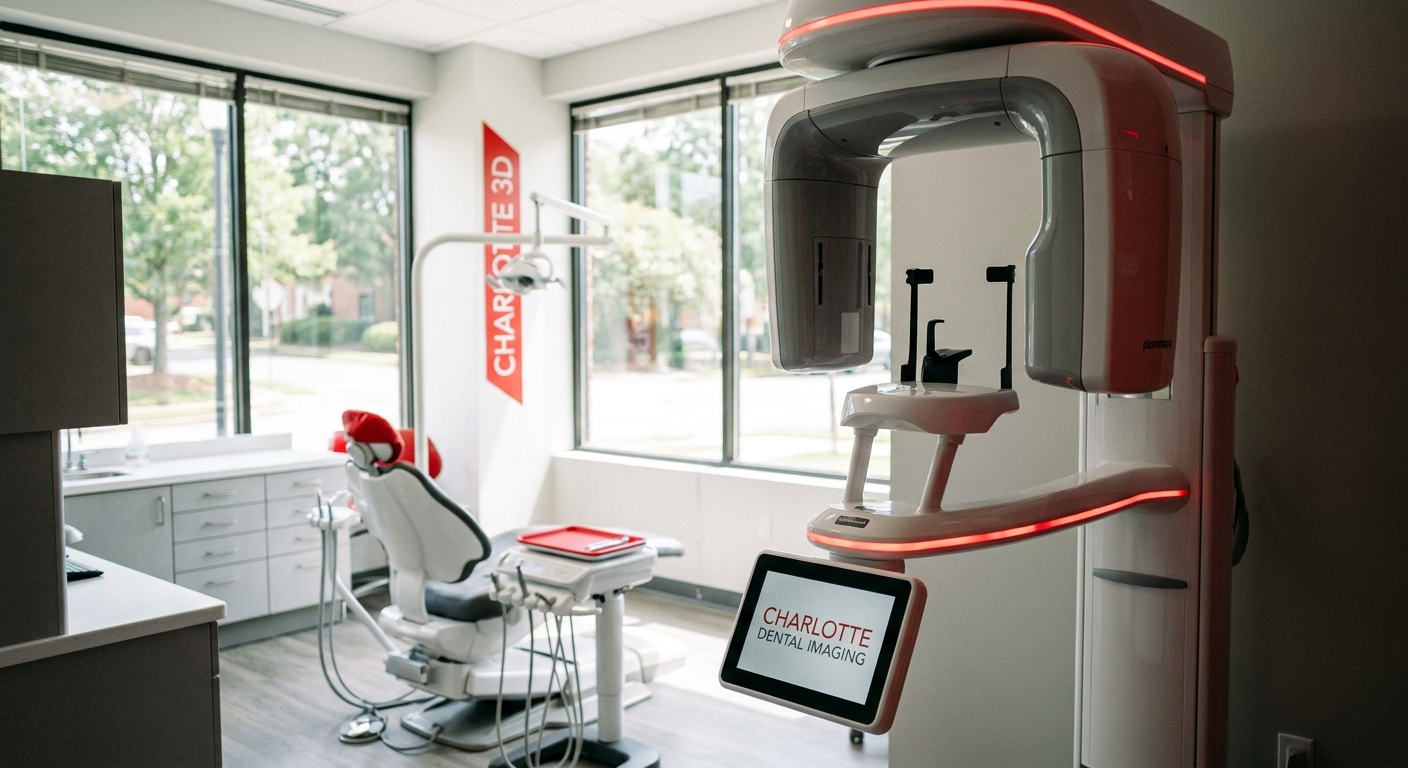
- Expect digital X-rays or 3D cone beam scans to assess crack depth and involvement of surrounding structures.
- Dental photography may be used for shade matching and treatment planning.
Treatment planning overview
- Your dentist will review findings, explain options, and outline a step-by-step plan.
- Confirm timelines for temporary and permanent restorations, including any follow-up visits.
- Discuss costs, insurance coverage, and payment options before procedures begin.
Clear communication ensures you’re fully informed and comfortable with each phase of repair.
Follow aftercare instructions
Proper aftercare ensures your repaired tooth heals well and lasts for years.
Pain management tips
- Use prescribed or over-the-counter medications as directed.
- Avoid extremely hot or cold foods until sensitivity subsides.
- Apply cold compresses for swelling during the first 24 hours.
Oral hygiene guidance
- Brush gently around the repair site with a soft-bristled brush.
- Floss carefully to avoid dislodging temporary restorations.
- Rinse with an antimicrobial mouthwash to reduce bacteria.
If you experience persistent pain, swelling, or loose restorations, reach out to your dentist promptly. In cases of a displaced or knocked-out tooth fragment, call stabilize knocked tooth emergency or visit the nearest emergency provider for further assistance.
By following these steps—from immediate first aid through long-term aftercare—you’ll be well on your way to quickly repairing a fractured tooth in Charlotte. Prompt action, professional stabilization, and thoughtful restoration combine to protect your smile and prevent future emergencies.