Understanding emergency implant repair services
When you have a dental implant and something suddenly feels wrong, you do not have time to sort through confusing information. You need to know whether it is an emergency, what to do next, and which emergency implant repair services you can trust.
Emergency implant issues are not limited to adults with straightforward dental needs. Children with traumatic injuries, anxious patients who require sedation, and anyone needing an esthetic fix after trauma may all need urgent care that goes far beyond a basic repair. This guide helps you recognize serious problems, understand your options, and choose the right emergency team for your situation.
Emergency implant repair services focus on rapid diagnosis and treatment of problems like severe pain, swelling, implant looseness, and broken or damaged restorations such as crowns or bridges. Getting timely care protects your implants, your surrounding teeth, and your overall health. Delays can lead to infection, bone loss, and, in severe cases, implant failure and tooth loss [1].
When implant problems become an emergency
Not every minor irritation around an implant is an emergency. However, some symptoms require immediate attention because they signal infection, mechanical failure, or damage to surrounding teeth and bone.
Key warning signs you should never ignore
You should contact an emergency dentist right away if you notice any of the following:
- Persistent or severe pain around the implant, especially if it is worsening
- Swelling, redness, or warmth in the gums near the implant
- Pus, a bad taste, or foul odor around the implant site
- Movement of the implant, crown, bridge, or denture attached to the implant
- A cracked, fractured, or broken implant-supported tooth or restoration
- Gum recession or visible metal around the implant
- Difficulty chewing, biting, or closing your teeth together comfortably
Common dental implant emergencies include severe discomfort, swelling and inflammation, loosening of the implant, and, in rare cases, fracture or breakage, all of which require urgent care from a dental professional [2].
If you notice any of these signs, treat the situation as urgent, not optional. Emergency implant repair services are designed to intervene before a fixable problem turns into permanent damage.
What can happen if you wait
Delaying care for implant problems can allow infection to spread and bone around the implant to deteriorate. You may experience:
- Worsening pain and swelling
- Loss of bone supporting the implant
- Gum recession and exposure of implant components
- Structural damage to neighboring teeth
- Complete failure of the implant requiring surgical removal
These complications are a major reason emergency implant repair services stress immediate evaluation when you have persistent pain, swelling, or unusual movement of the implant [1]. Early treatment often means a simpler procedure, less discomfort, and lower long term costs.
What happens during emergency implant repair
When you seek emergency care, your dentist’s first goal is to quickly understand what is wrong and stabilize your situation. Modern emergency implant repair services use advanced tools and step by step protocols to protect your oral health.
Rapid diagnosis and imaging
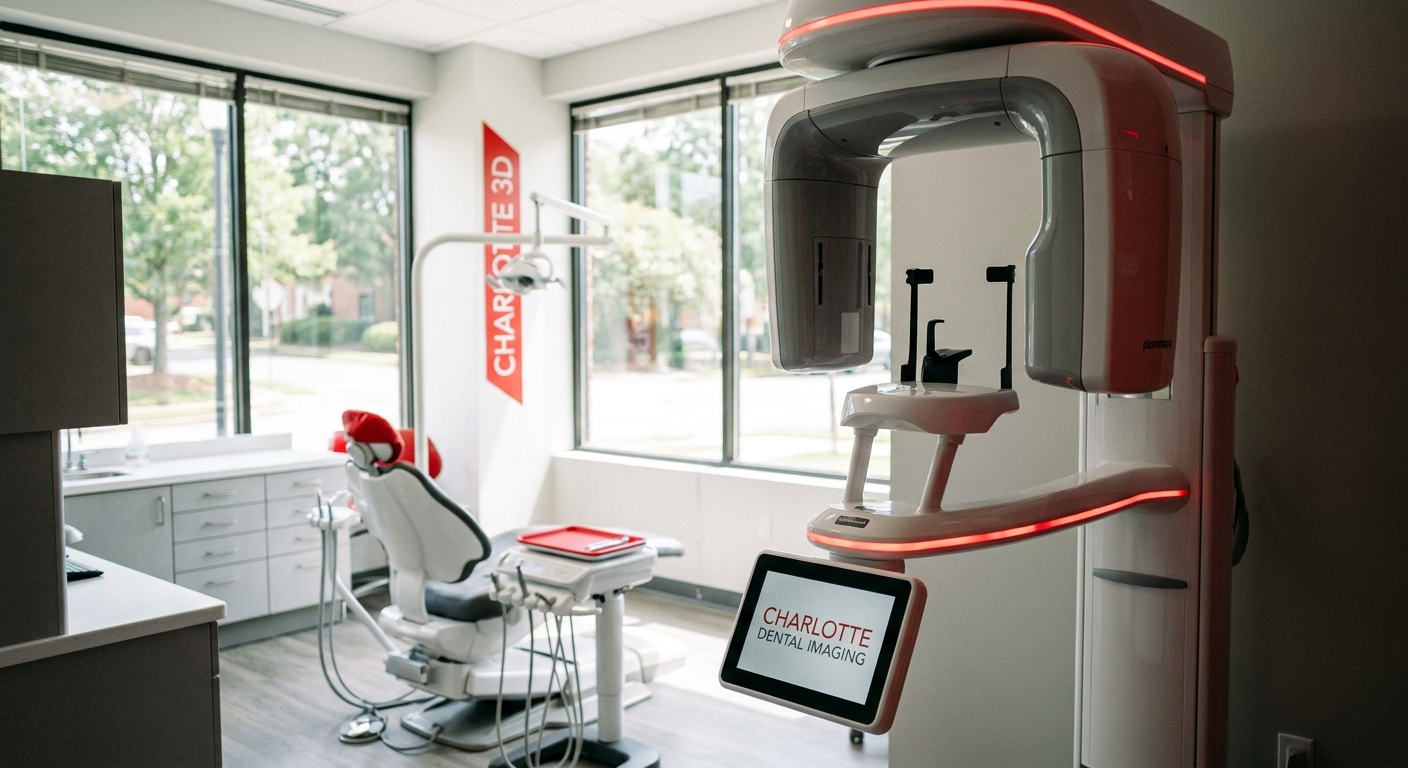
You can expect a thorough exam of your implant, bite, gums, and surrounding teeth. Many trusted centers rely on digital imaging to see what is happening under the surface. Advanced tools such as digital X rays or 3D scans allow your dentist to check:
- The stability of the implant within the bone
- Any signs of bone loss or infection around the implant
- Cracks or fractures in the implant or restoration
- How your bite is distributing forces across the implant
Specialized centers such as The Dental Specialists in Garland, Texas use digital imaging to perform precise evaluations and create tailored emergency repair plans that significantly improve outcomes [3].
Treatment options your dentist may recommend
Depending on what your dentist finds, emergency implant repair may involve:
- Deep cleaning and infection control around the implant
- Adjusting or tightening screws that secure crowns or bridges
- Rebonding or repairing a chipped or broken implant crown
- Replacing a damaged restoration with a new crown, bridge, or denture
- Reinforcing or repositioning the implant when possible
- Removing and replacing a failed implant in severe cases
In some situations, you may receive antibiotics or other medications to manage infection and swelling [4]. For serious infections or peri implantitis, surgical procedures might be needed to clean the area and protect the remaining bone.
Centers like The Dental Specialists in Garland offer solutions such as reinforcement, repositioning, or replacement of implants, followed by clear aftercare instructions so you understand exactly how to heal and protect your investment [3].
What you can safely do before your appointment
If you have to wait briefly before being seen, focus on protecting the area:
- Keep the implant site as clean as possible with gentle brushing and rinsing
- Avoid chewing on the affected side or biting anything hard or sticky
- Do not try to tighten, glue, or bend any broken components yourself
- Save any broken pieces of crown or tooth if possible
These are only temporary steps. You still need timely evaluation and repair by a dental professional. Practices such as Lund Dental explicitly warn that home care is interim only and that delaying professional treatment raises the risk of serious complications [1].
For additional guidance between symptom onset and your visit, resources like emergency implant support can help you understand what to expect and how to prepare.
Pediatric emergencies involving implants and trauma
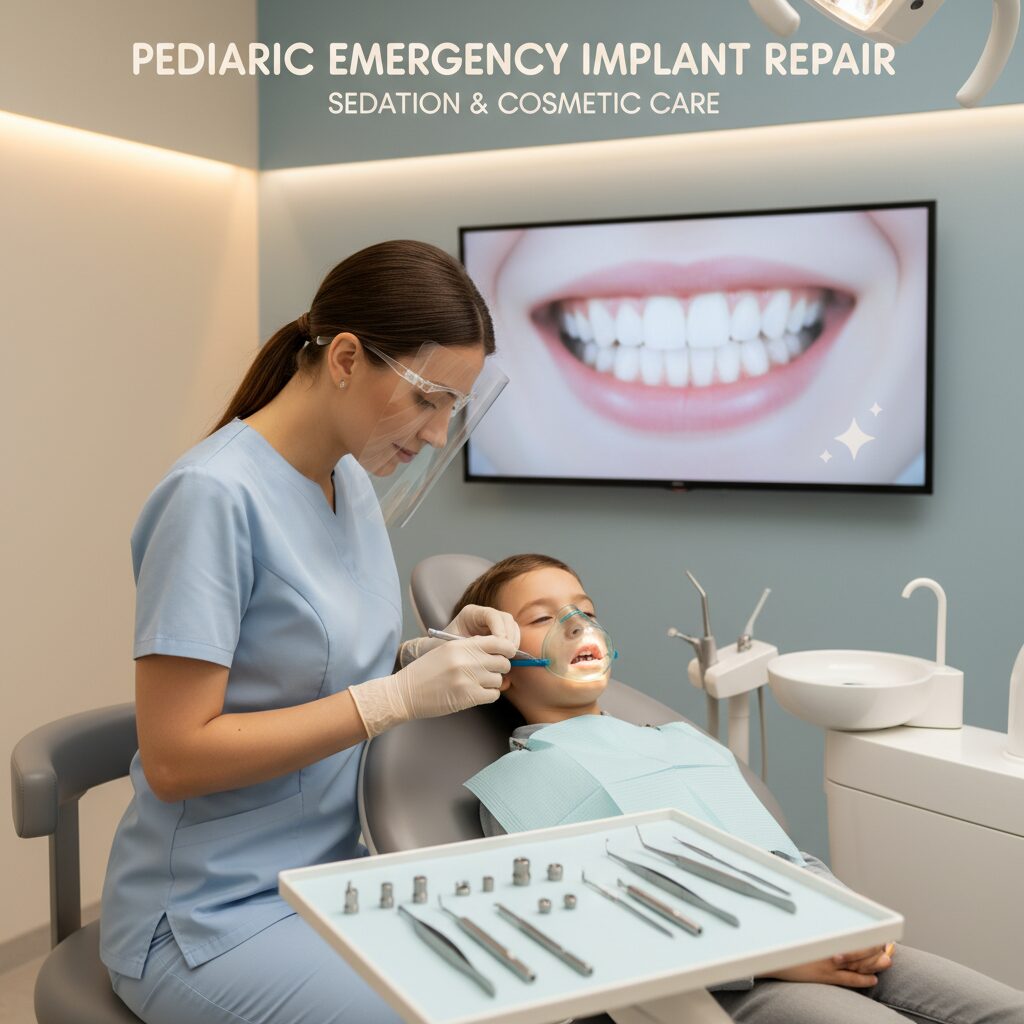
Children rarely have full dental implants, but pediatric trauma can create situations that eventually lead to implants or other prosthetic solutions in the teen or adult years. If your child experiences a dental injury, rapid intervention protects both current and future options for implant supported repair.
When your child has tooth trauma
Knocked out, fractured, or severely damaged teeth in children need immediate attention. A prompt dental consultation is critical because a natural tooth can sometimes be saved and replanted. If the tooth cannot be saved, timely care helps preserve bone and alignment, which are essential for future options such as implants or bridges [4].
You can learn more about what to do in these situations by reviewing dedicated resources on child tooth trauma emergency and emergency care for children’s teeth. These guides help you respond quickly when your child’s tooth is broken, displaced, or knocked out.
Choosing a child friendly emergency team
A pediatric focused emergency dentist will:
- Use age appropriate language and a calm approach
- Offer behavior management or sedation options when needed
- Prioritize preserving developing bone and tooth structure
- Coordinate long term planning for orthodontic and restorative needs
If you are in a city with access to a pediatric trauma dental clinic or a child-friendly emergency dentist, you gain access to clinicians who routinely manage these complex situations. In some regions, you can even find a dedicated pediatric emergency dentist charlotte who combines trauma care with child centered communication.
Although your child may not receive an implant immediately, the choice you make in an emergency affects how well future implant based solutions will work once facial growth is complete.
Sedation for anxious and complex emergency patients
Many people avoid or delay emergency dental care because of fear, a strong gag reflex, or difficulty sitting still. Others have complex medical needs that require additional monitoring. In these cases, choosing emergency implant repair services that offer sedation dentistry is essential.
When sedation emergency care is appropriate
You may benefit from sedation if you:
- Have high dental anxiety or a history of traumatic dental experiences
- Need extensive work after trauma or implant failure
- Have trouble remaining still due to medical or developmental conditions
- Require multiple procedures in a single visit
Sedation options, combined with sedation emergency dental care, can make urgent implant repair or extraction safer and more comfortable. For some patients, this is the difference between avoiding care and getting the treatment they urgently need.
If you are seeking care in specific areas, you might look for centers focused on sedated emergency care charlotte or similar services in your region.
Types of sedation used in emergencies
Depending on your needs and the complexity of your treatment, your dentist may recommend:
- Minimal or moderate oral sedation
- Nitrous oxide (laughing gas)
- IV sedation for more involved procedures
- General anesthesia in a hospital or surgical setting for high risk cases
If you need an urgent extraction before future implant placement, you may also consider clinics familiar with sedated tooth extraction emergency. These providers coordinate pain control, sedation, and planning for later restorations so you are not left without a clear path forward.
If dental fear is your main barrier to care, learning about sedation for anxious emergency patients can help you feel more comfortable taking the first step.
Cosmetic emergencies and esthetic implant repairs
When a front tooth or visible implant crown breaks, the problem is not only functional. You may feel self conscious at work, school, or social events. Emergency implant repair services that prioritize cosmetic outcomes can restore both your smile and your confidence.
Emergency cosmetic fixes after trauma
If you experience trauma or a sudden fracture:
- A chipped or cracked implant crown can often be smoothed, bonded, or temporarily repaired the same day
- A completely broken crown or bridge may require a temporary replacement while a new custom restoration is made
- Soft tissue injuries to your lips and gums may need sutures and careful esthetic planning
Clinics that focus on esthetic solutions offer services like emergency cosmetic dental repair and esthetic fix emergency dentistry, where your care team considers shade matching, tooth shape, and overall facial appearance along with function and comfort.
If a break involves natural teeth rather than existing implants, you may need additional treatment such as bonding, veneers, or crowns. Resources such as cosmetic repair after break and emergency crown for cosmetic need explain how these options work in urgent situations.
Veneers, crowns, and other esthetic restorations
Implant emergencies are often accompanied by damage to nearby restorations. You might need:
- Emergency reattachment of a veneer or crown
- Replacement of a broken bridge connected to an implant
- Repair or adjustment of a denture that attaches to implants
When veneers are involved, it is important to see a provider experienced in emergency veneer repair. For more comprehensive situations, especially in the front of the mouth, clinics that focus on esthetic emergency dental care can coordinate a cohesive plan so your final smile looks natural and even.
Trauma, accelerated repair, and orthodontic emergencies
Accidents that damage implants rarely happen in isolation. You may also have knocked out or fractured natural teeth, injured gums, or bent orthodontic wires. Integrated emergency services help address all of these problems together.
Managing high impact injuries
High impact injuries, including sports accidents, falls, or auto collisions, frequently cause:
- Cracked or broken teeth
- Teeth that are displaced or knocked out
- Fracture of crowns or implant restorations
- Damage to orthodontic appliances or dentures
Swinney Dental in Texas, for example, offers emergency dentistry services that address broken, cracked, or missing teeth and emphasizes rapid intervention to save teeth and restore implants when possible [5]. Similar centers provide extended hours and weekend services so you receive treatment quickly.
If you need both structural repair and cosmetic restoration after trauma, services focused on accelerated repair after trauma help you regain function and appearance as quickly as your situation safely allows.
Emergency orthodontic and prosthetic support
Orthodontic brackets, wires, and clear aligners can all be affected when you have trauma or an implant complication. In these cases, emergency orthodontic repair helps restore alignment and comfort while coordinating with your implant provider.
If you wear dentures supported by implants, you may need urgent adjustments or repairs after an accident. In some cities, emergency denture and implant services offer prompt scheduling, tailored denture styles, and repair or realignment to restore function and appearance [6]. These services can be especially important if you are managing tooth loss, recent extractions, or healing implants at the same time.
Emergency implant repair for seniors and medically complex patients
Older adults and those with chronic medical conditions face unique challenges when dealing with implant emergencies. Bone density, gum health, medications, and mobility all affect how treatment is planned and delivered.
Considerations specific to seniors
If you are an older adult, emergency implant repair services should account for:
- Existing health conditions and medications that affect healing or bleeding
- The stability of your bite and existing restorations
- Your ability to chew, speak, and maintain nutrition during recovery
- The need to coordinate with your medical team
Some providers offer dedicated emergency dental for seniors that integrates these factors into your care plan. Because falls and fractures are more common in this age group, prompt access to repair or replacement of broken teeth and implants can help maintain quality of life and independence.
Balancing cost, complexity, and long term outcomes
Emergency implant repair can involve significant costs, especially when surgical extraction, new implants, or complex restorations are needed. For example, in the United States, the average cost of a surgical extraction with an implant is over three thousand dollars, reflecting the expense of implant placement and restoration [4].
You can sometimes reduce long term costs by:
- Addressing problems early, before failure or widespread infection
- Choosing repair instead of full replacement when it is safe and predictable
- Working with a team that coordinates staged treatment to spread costs over time
Ask your emergency provider to explain all reasonable options, including risks, benefits, and financial implications, so you can make an informed decision that fits your health and budget.
How to choose emergency implant repair services you can trust
In a true emergency, you may feel pressured to see the first provider with an open appointment. Whenever possible, take a moment to consider the qualities that matter most for safe, effective implant care.
A trusted emergency implant provider combines rapid access with clear communication, evidence based treatment, and genuine attention to your comfort and long term health.
Qualities to look for
When you evaluate emergency implant repair services, look for:
- Experience with implants, not just general dentistry
- Access to digital imaging and modern surgical tools
- Clear, calm explanations of your diagnosis and options
- Ability to manage pediatric, anxious, or medically complex patients
- Availability of sedation when needed
- Willingness to coordinate cosmetic, functional, and long term planning
Some centers, such as those in Englewood, Garland, Boise, or Tyler, highlight 24/7 access, same day appointments, and extended hours for urgent needs [7]. These features can be critical when pain or damage cannot wait.
Coordinating your emergency care journey
If you already have a trusted dentist, contact their office first. Many practices reserve time for urgent visits or can direct you to a reliable emergency provider. If you do not have a regular dentist or your emergency involves special populations or cosmetic needs, consider:
- A practice offering esthetic emergency dental care if front teeth or visible restorations are involved
- A center focused on emergency dental for seniors if you are older or have multiple health conditions
- A pediatric center such as a pediatric trauma dental clinic if your child has been injured
- A clinic that provides sedation emergency dental care or sedation for anxious emergency patients if fear makes treatment difficult
If your emergency includes broken orthodontics, veneers, crowns, or other restorations, you may also need focused services like emergency veneer repair, emergency cosmetic dental repair, or emergency orthodontic repair.
Protecting your implants and preventing future emergencies
High quality implants have excellent long term success rates. For example, some centers report success rates around 98 percent, which underscores that true emergencies are relatively rare but still important to address promptly when they occur [2].
You can reduce your risk of needing emergency implant repair services by:
- Practicing consistent oral hygiene with brushing and flossing around implants
- Attending regular dental checkups and professional cleanings
- Avoiding smoking, which impairs healing and raises the risk of implant complications
- Not chewing hard items like ice, pens, or hard candies
- Wearing a mouthguard for sports or if you grind your teeth at night
Providers like Swiss Smiles & Implants specifically recommend good hygiene, regular checkups, avoiding smoking, and limiting hard or sticky foods to minimize emergency risk [2].
Even with excellent care, accidents and unexpected problems can still happen. The most important step you can take is to respond quickly, choose a trusted emergency provider, and follow through with recommended aftercare. By doing so, you protect not only your implants but also your comfort, confidence, and long term oral health.