Understand root canal emergencies
When you experience sudden, intense tooth pain, a dedicated root canal emergency clinic can be your first line of defense. At a specialized clinic, you’ll receive rapid assessment and targeted treatment designed to relieve severe discomfort and preserve your natural tooth. By focusing on “root canal emergency clinic” in your search, you’ll find facilities equipped for same-day care, advanced imaging and pain management tailored to urgent cases.
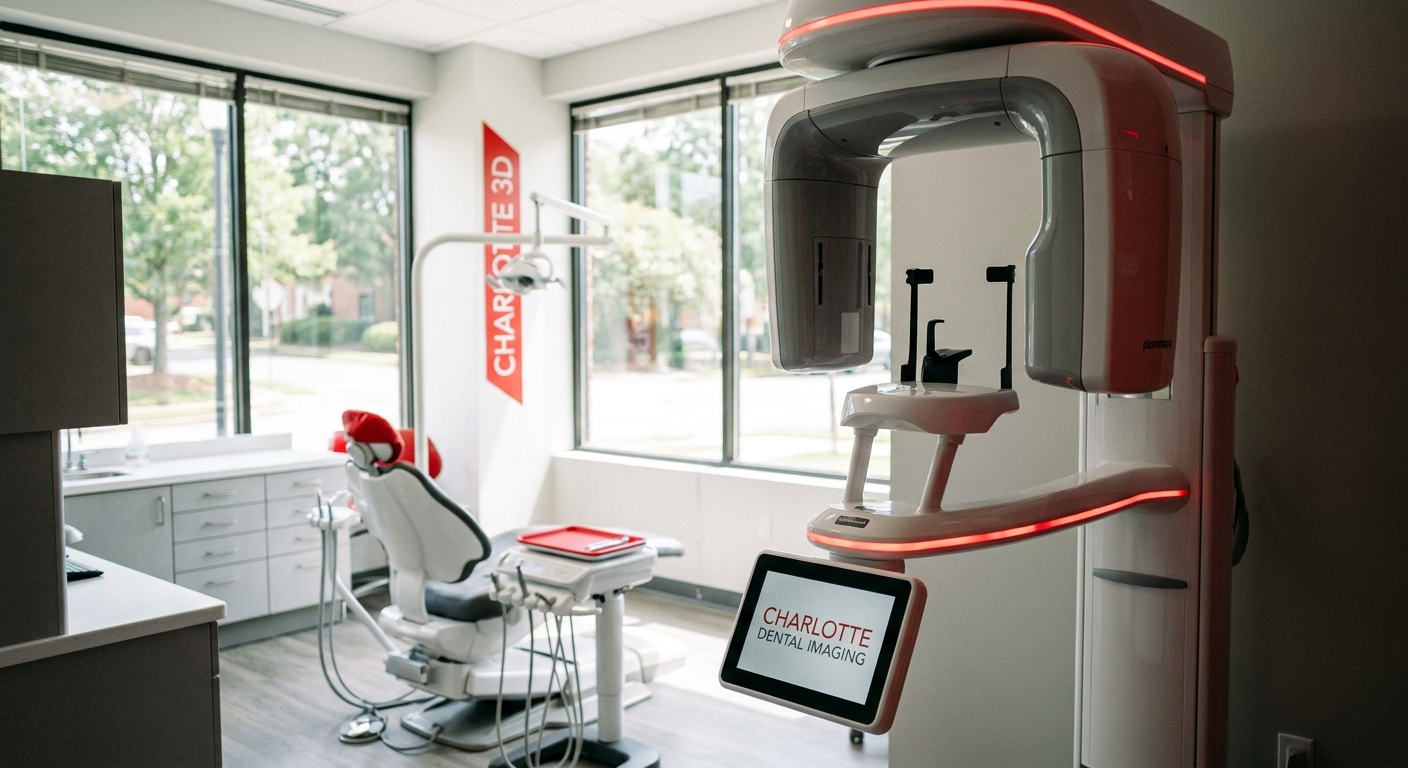
During an emergency visit, clinicians perform a thorough evaluation, including diagnostic X-rays and often a CBCT scan to generate three-dimensional images of your tooth and surrounding tissues. These scans reveal the full extent of infection or damage, guiding precise treatment [1]. From there, your provider crafts a personalized plan to address the source of pain and prevent further complications.
Common emergency causes
Infected pulp
When decay or trauma allows bacteria to invade the dental pulp, you can develop acute pulpitis. Infected pulp generates severe, throbbing pain and heightened sensitivity. Without prompt intervention, the infection can spread beyond the tooth’s root, leading to abscess formation.
Cracked or fractured teeth
A minor crack can admit harmful bacteria into the inner tooth. Over time, cracks or fractures grow, compromising the pulp chamber. You may notice sharp pain when chewing or temperature sensitivity, signaling the need for emergency attention.
Failed restorations
Leaky fillings or crowns let bacteria penetrate beneath restorations. As decay undermines the seal, you might experience recurring pain or swelling, even if the restoration itself feels intact.
Why early intervention matters
Addressing a dental emergency promptly offers multiple benefits:
- Pain relief: Immediate treatment alleviates intense discomfort, helping you eat, speak and sleep normally.
- Preservation of tooth structure: Removing infected pulp as soon as possible preserves healthy dentin and enamel.
- Reduced risk of complications: Untreated infections can lead to bone loss around the root, tooth loss or even systemic issues such as cardiovascular concerns [2].
- Lower overall costs: Early root canal therapy often costs less than complex surgical interventions or implants required after tooth loss.
By choosing a dedicated emergency endodontic services provider, you ensure access to the expertise and technology needed for swift, effective care.
Recognize key symptoms
Knowing which symptoms signal a true dental emergency can help you seek care before complications escalate. If you notice any of the following, contact your root canal emergency clinic right away.
Severe tooth pain
Unrelenting, throbbing pain—especially pain that wakes you at night—is a hallmark of pulp infection or nerve inflammation. When over-the-counter painkillers provide only temporary relief, you may need immediate emergency endodontist charlotte intervention.
Sensitivity and swelling
- Sensitivity to hot or cold that lingers long after the stimulus is removed often indicates nerve damage [3].
- Swelling of the gums or face around the affected tooth suggests an active abscess. A pimple-like bump on the gum is a clear sign that pus is building up and requires prompt drainage.
Discoloration and abscess
If your tooth turns gray or black, the inner tissue may be dying, indicating advanced decay or trauma [3]. In such cases, waiting only increases the risk of tooth loss. Abscess drainage and abscess treatment urgent dental may be necessary to stop the infection from spreading.
When trauma occurs
A tooth knocked loose or dislodged by injury can impair blood flow to the pulp. While some teeth heal after repositioning, others require a root canal if the pulp fails to recover [4]. Always seek immediate care after any dental trauma.
Prepare for urgent care
Acting swiftly can minimize discomfort and improve outcomes. Here’s how to get ready before you arrive at the clinic.
When to call your clinic
- Severe, persistent pain that lasts more than 30 minutes
- Noticeable swelling or gum abscess
- Fever or swollen lymph nodes accompanying tooth pain
- Trauma, such as a cracked, chipped or dislodged tooth
If you have any of these signs, contact an infected tooth emergency care provider right away. Many clinics offer 24/7 phone lines or online triage to guide you.
What to expect on arrival
- Triage and history: Staff will review your symptoms, medical history and any medications you’re taking, including blood thinners or immunosuppressants.
- Diagnostic imaging: A digital X-ray or CBCT scan reveals the precise location of infection or damage [1].
- Pain management: You’ll receive local anesthesia or sedation to ensure comfort. Some clinics offer nitrous oxide or IV sedation if anxiety is high.
- Treatment planning: Based on findings, your clinician outlines options such as emergency root canal therapy, abscess drainage or extraction.
Being prepared with a list of symptoms and prior X-rays (if available) can speed up the process and get you relief sooner.
Experience same-day procedures
Your root canal emergency clinic should offer a spectrum of interventions to address urgent dental needs. Below are core procedures that relieve pain and save teeth whenever possible.
Emergency root canal therapy
During a root canal emergency, your dentist or endodontist will:
- Administer local anesthesia to numb the tooth and surrounding tissues.
- Create a small access opening in the crown to reach the infected pulp.
- Remove damaged pulp tissue using specialized instruments.
- Clean and shape the root canals, often using laser disinfection to enhance sterilization [1].
- Fill canals with inert gutta-percha material and seal the tooth to prevent reinfection.
- Place a temporary or permanent restoration.
If timely, this procedure preserves your natural tooth structure and stops pain fast. Ask about a root canal urgent dentist at your clinic.
Abscess drainage techniques
When an abscess has formed, drainage is critical to relieve pressure and eliminate infection. Options include:
- Incision and drainage: A small cut in the gum allows pus to escape.
- Needle aspiration: Using a fine needle to draw out fluid.
- Root canal–based drainage: Accessing the abscess through the root canal, then cleaning and disinfecting.
Antibiotics may be prescribed to support healing. If you’re experiencing facial swelling or fever, an abscess drainage dentist can perform this procedure immediately.
Emergency extractions
In cases where the tooth cannot be saved, extraction may be the safest choice. Emergency clinics often offer:
- Simple extractions, for fully erupted teeth with healthy surrounding bone.
- Surgical extractions, for impacted or broken teeth.
- Sedation options, including oral, nitrous or IV sedation through urgent extraction with sedation.
Same-day extractions are available at many practices, ensuring prompt removal of the source of pain [5].
Explore advanced interventions
When standard root canal therapy or extraction alone isn’t sufficient, specialized procedures can address complex problems.
Laser disinfection
Laser-assisted endodontic treatment uses targeted light energy to eradicate bacteria deep within canal systems. Benefits include:
- Enhanced disinfection of microscopic tubules
- Reduced reliance on chemical irrigants
- Accelerated healing and decreased postoperative pain
Ask your provider if laser technology is available at your urgent dental surgery services clinic.
Apical surgery
Also known as an apicoectomy, this minor surgical procedure removes infected tissue at the root tip and seals the canal from the root end. Key steps include:
- Local anesthesia or sedation.
- A small incision in the gum to access the root tip.
- Removal of the infected apex and surrounding tissue.
- Retrograde filling to seal the canal.
If retreatment fails or atypical anatomy prevents complete cleaning, an emergency apical surgery may save your tooth.
Manage post-procedure care
Proper aftercare supports healing and prevents repeat emergencies. Follow these guidelines closely.
Pain relief strategies
- Take prescribed NSAIDs or acetaminophen as directed.
- Use cold compresses on the cheek for 15 minutes at a time to minimize swelling.
- If you received sedation, arrange a ride home and follow fasting instructions.
Home care and instructions
- Avoid chewing on the treated side until numbness subsides.
- Maintain gentle oral hygiene; use a soft-bristled brush and antimicrobial mouth rinse.
- Rinse with warm salt water (½ teaspoon salt in 8 ounces of water) after 24 hours to soothe tissues.
- Do not smoke, as it impairs blood flow and healing.
Preventing future emergencies
- Schedule regular checkups and cleanings every six months.
- Address small cavities or cracks before they worsen.
- Seek urgent periodontal relief services if you notice gum irritation or bleeding.
- Wear a mouthguard if you grind your teeth or play contact sports.
If new pain or swelling occurs, contact your clinic immediately to avoid more extensive treatment.
Choose emergency clinic
Selecting the right facility ensures you receive efficient, compassionate care when every minute counts.
Staff expertise and credentials
- Look for board-certified endodontists or oral surgeons with extensive emergency experience.
- Verify that clinicians stay current with continuing education in pain management and advanced imaging.
Technology and equipment
- Digital radiography and CBCT scanners enable faster, more accurate diagnosis.
- On-site labs and sterilization units reduce treatment delays and infection risk.
- Laser systems and sedation capabilities enhance patient comfort.
Accessibility and hours
- Confirm that the clinic offers 24/7 or after-hours support, especially on weekends and holidays.
- Check location convenience and parking availability.
- Inquire about tele-triage or virtual consultations for initial guidance.
Patient comfort amenities
- Sedation options, including nitrous oxide or IV sedation, can ease anxiety.
- Private treatment suites and noise-canceling headphones make long procedures more tolerable.
- Clear communication and care coordination reduce stress during an emergency visit.
By assessing credentials, technology and patient-centered features, you’ll find a root canal emergency clinic ready to deliver prompt relief. Whether you need emergency wisdom tooth removal, painful tooth extraction urgent or infection treatment emergency dental, the right clinic ensures you regain comfort and oral health with confidence.