Maintaining a brilliant smile, whether enhanced with veneers or crowns, requires consistent and informed care. While these restorations are built to last and resist stains, they are not impervious to daily wear and tear.
This guide from Charlotte Emergency Dental, provides a complete overview of how to protect your investment, covering everything from proper oral hygiene and dietary choices to the importance of regular professional check-ups, ensuring your veneers or crowns retain their aesthetic and functional integrity.
Understanding Veneers
What Are Dental Veneers?
Porcelain or composite resin, formed into extremely slender layers, can be individually designed to conceal the front surfaces of teeth.
These tailored shells are created to replicate the dimensions, contour, and hue of the patient’s natural teeth, producing a harmonious and authentic smile.
Porcelain vs. Composite Veneers
Let’s break it down:
| Feature | Porcelain Veneers | Composite Veneers |
| Durability | 10–15 years | 5–7 years |
| Stain Resistance | High | Moderate |
| Appearance | Translucent, glossy | Slightly duller |
| Cost | More expensive | More affordable |
| Repairability | Harder to fix | Easy to repair |
The Purpose of Veneers
Cosmetic Enhancement
From crooked teeth to discoloration and minor gaps, veneers offer a quick cosmetic solution and many benefits without extensive dental work.
Functional Improvements
Beyond aesthetics, veneers can also improve bite alignment, protect worn enamel, and reduce sensitivity by covering exposed dentin.
Lifespan of Veneers
Average Duration with Proper Care
- Porcelain veneers: 10–15 years or longer
- Composite veneers: 5–7 years, sometimes up to 10 with excellent care
What Causes Premature Wear
- Clenching or grinding your teeth (bruxism)
- Biting into hard items
- Skipping oral hygiene routines
- Ignoring regular dental visits
Daily Care for Veneers
Brushing Techniques for Veneers
Choosing the Right Toothbrush
Use a soft-bristled electric toothbrush for effective cleaning without scratching the veneer surface or irritating the gums.
Non-Abrasive Toothpaste Options
Choose fluoride toothpaste labeled “non-abrasive.” Look for ingredients like potassium nitrate for added desensitizing benefits.
Flossing Around Veneers
Proper Flossing Technique
Hold floss tightly between your thumbs and index fingers, gently slide it up and down between each tooth, and curve it into a C-shape around each side.
Tools for Easier Flossing
- Water flossers: Great for hard-to-reach spots
- Soft-picks: Ideal for tight spaces without risking damage
- Floss threaders: Helpful if you have a fixed dental bridge with veneers
Mouthwash and Rinsing Habits
Alcohol-Free Mouthwash Benefits
Preserves moisture levels in your mouth and helps protect the adhesive bond that holds your veneers in place.
Rinsing After Staining Foods
Swish with water after eating curries, soy sauce, dark berries, or beets. It’s a simple step that protects the brightness of your veneers—especially if they’re composite.
Diet and Lifestyle Tips
Foods to Avoid with Veneers
Hard or Sticky Foods
Examples to avoid:
- Popcorn kernels
- Hard granola bars
- Sticky candies like taffy
- Crusty bread ends
Acidic or Highly Pigmented Foods
These can wear enamel around the veneer edges and discolor your natural teeth, creating contrast.
Beverages That Stain Veneers
Coffee, Tea, and Red Wine
Drink in moderation and rinse after. If you can’t go without your morning brew, consider sipping through a straw to minimize exposure.
How to Minimize Staining Effects
- Use a straw for dark beverages
- Rinse and brush after meals
- Schedule regular dental cleanings to buff away any surface buildup
Lifestyle Choices and Veneer Health
Smoking and Its Impact
Aside from staining, smoking can cause dry mouth, gum disease, and increased plaque buildup—all of which can compromise veneer longevity.
Chewing Habits to Avoid
Don’t use your teeth to open packages or bite nails. This may seem harmless but can weaken veneer bonding or cause cracks.
Protecting Veneers from Damage
Use of Night Guards
Protecting Against Bruxism (Teeth Grinding)
Grinding not only wears down veneers but can cause microfractures in the underlying tooth structure. A custom-fit night guard creates a cushion of protection while you sleep.
Avoiding Physical Damage
Sports Mouthguards
Whether you play basketball, hockey, or martial arts, a custom athletic guard helps avoid sudden impacts that can shatter a veneer.
Don’t Use Teeth as Tools
It’s worth repeating: your teeth are not scissors, bottle openers, or pliers. Treat them kindly and they’ll thank you with a lasting smile.
Traveling with Veneers
Packing Oral Hygiene Essentials
Include:
- Travel-sized non-abrasive toothpaste
- Floss picks
- Mouth rinse
- Veneer wax (available at dental supply stores) for emergencies
Dealing with Emergencies Away from Home
If you chip or lose a veneer while away, avoid hot and cold foods to reduce sensitivity. Temporarily cover sharp edges with dental wax and book an appointment at Charlotte Emergency Dental as soon as you return—or find a local dentist immediately.
Maintenance and Monitoring
Regular Dental Checkups
Professional Cleanings
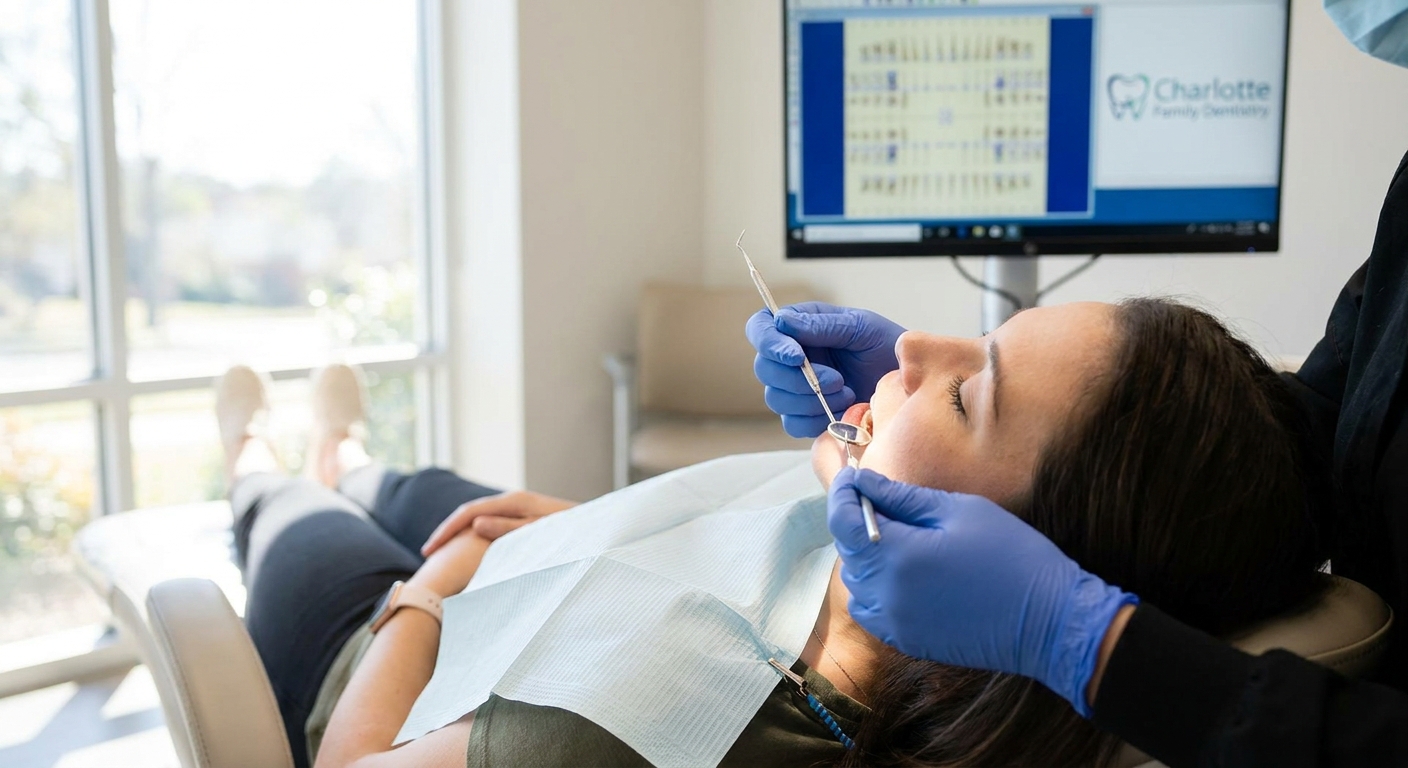
Your hygienist at Charlotte Emergency Dental will use veneer-safe tools to clean and polish without scratching or damaging your restorations.
Detecting Wear or Damage Early
Dental professionals can spot hidden cracks, early signs of gum recession, or bonding issues long before you notice them.
Recognizing Issues with Veneers
Signs of Loosening or Cracking
- Increased sensitivity
- Rough or jagged edges
- Visible dark lines near the gumline
Professional Polishing and Refinishing
Extending Veneer Aesthetics
Composite veneers can dull over time. Professional polishing restores their luster and extends their life.
Long-Term Veneer Management
When Veneers Need Replacement
Factors That Influence Replacement Timing
- Material used (porcelain lasts longer)
- Oral hygiene habits
- Bite strength and alignment
- Age-related gum changes
Common Causes for Replacement
- Staining or discoloration
- Chips or cracks
- Bonding failure
- Gum recession exposing the margin
Costs of Veneer Maintenance vs. Replacement
Investing in Longevity
Spending a little on routine care prevents costly replacements later—just like oil changes for a car.
Financial Planning for Long-Term Smile Care
If you’re budgeting for replacements down the road, ask your dentist about warranty plans or flexible payment options.
Myths and Misconceptions
Are Veneers Stain-Proof?
Porcelain resists stains well, but not forever. Composite veneers are more porous and will darken faster without proper care.
Do Veneers Require Special Products?
You don’t need fancy products, but avoid anything highly abrasive or acidic. Stick to dentist-approved options.
Personalizing Your Veneer Care
Tailoring Oral Care to Veneer Type
Porcelain vs. Composite Needs
Composite veneers benefit more from polishing and stain control. Porcelain needs gentler care to avoid surface etching.
Sensitivity Considerations
Some patients experience sensitivity after veneer placement. If this persists, use sensitivity-formulated toothpaste and avoid extreme temperatures.
Adapting Your Routine as You Age
Gum Recession and Veneer Margins
As gums recede with age, veneer margins may become visible. Good hygiene and early intervention can delay this effect.
Age-Related Dental Shifts
Natural tooth movement or bone loss can alter your bite. Routine monitoring ensures your veneers remain well-aligned.
Premium Veneer Services at Charlotte Emergency Dental
If you’re in the Charlotte, NC area and seeking top-tier veneer care, Charlotte Emergency Dental offers both routine and urgent dental solutions tailored to your needs.
Why Choose Us?
- Same-day treatments
- Emergency walk-ins welcome
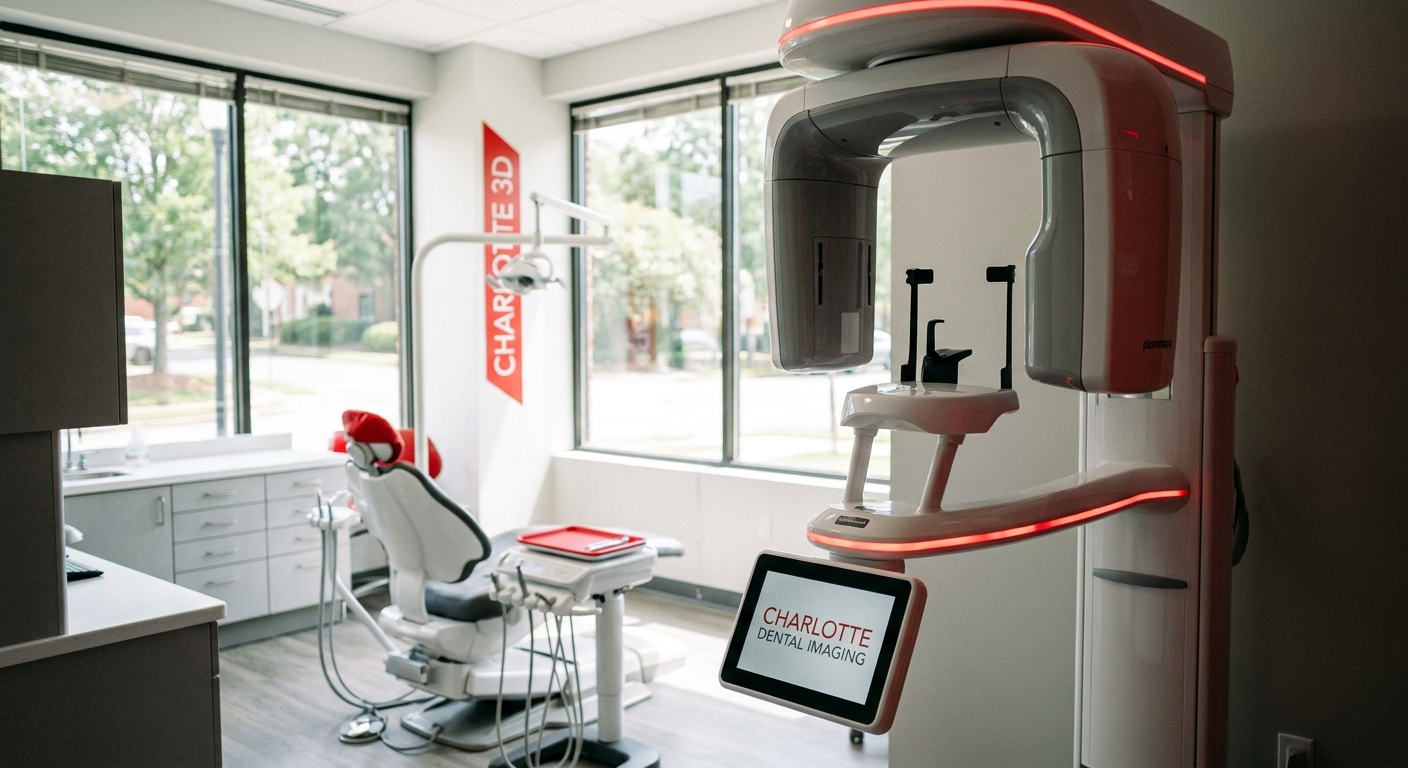
- Advanced digital imaging
- Full-service general and cosmetic dentistry
- Weekend availability for convenience
From minor chips to full veneer replacement, we’re here when your smile needs support. Get expert care, flexible scheduling, and compassionate service—all under one roof. Contact us today!
Conclusion

Dental veneers at Charlotte Emergency Dental can last a decade—or longer—with the right habits and hygiene. But they’re not a “set-it-and-forget-it” solution. Taking care of veneers is a commitment, but the payoff is worth it: a confident, dazzling smile that turns heads and lifts spirits.
Remember, it’s not just about preserving the veneers… it’s about protecting the investment you made in yourself.