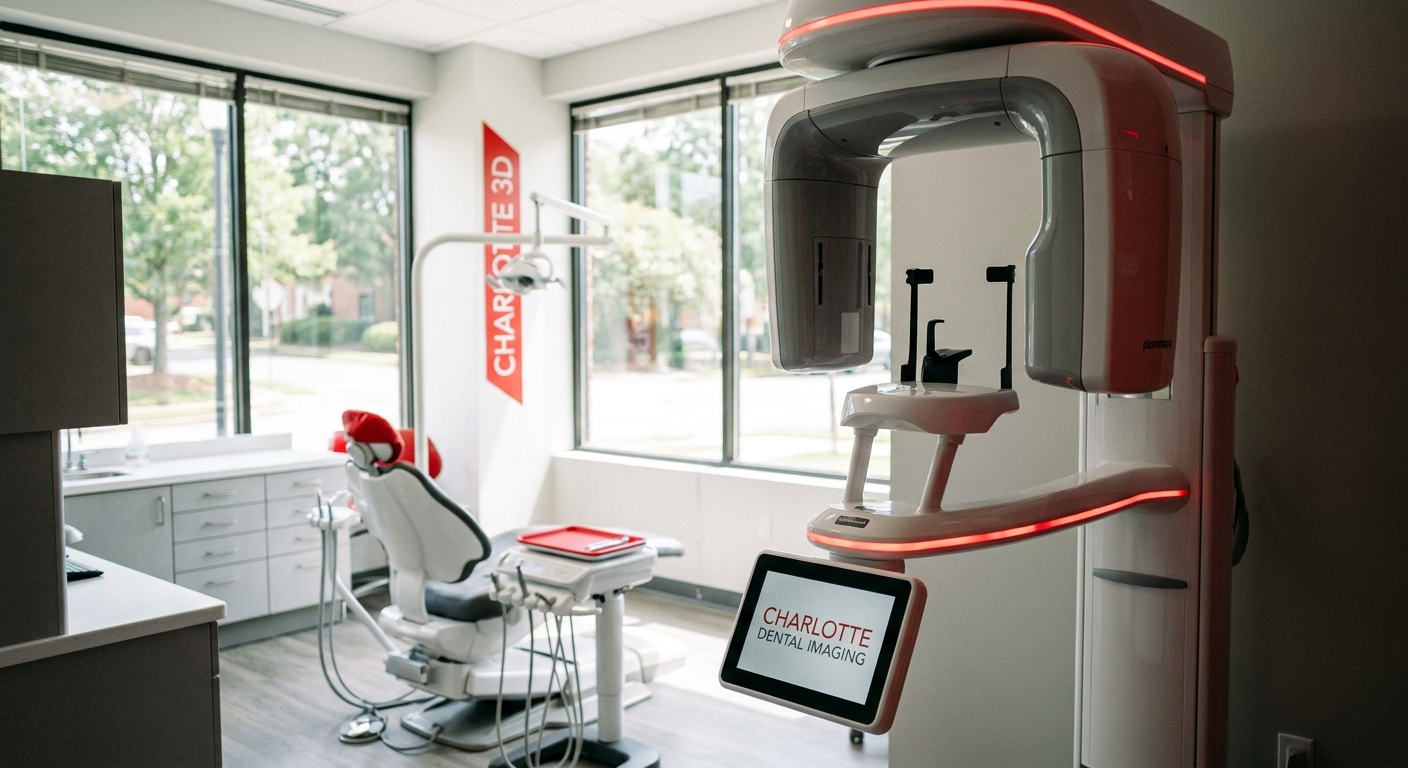
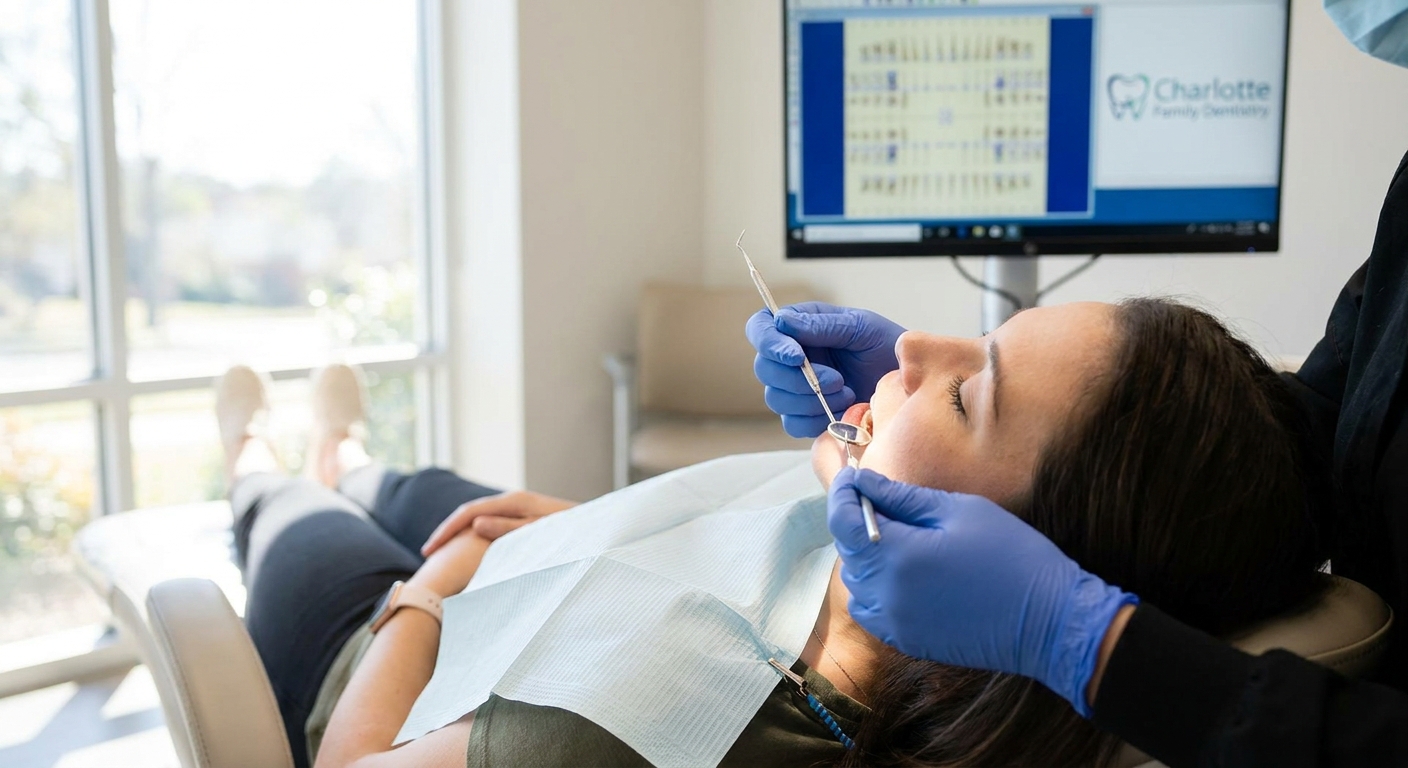
When a toothache or trauma strikes outside normal hours, you need reliable access to 24/7 emergency dental care. Whether you face a broken tooth, severe pain, or soft tissue injury, getting prompt treatment can prevent further damage and restore comfort quickly. In Charlotte, NC, Charlotte Emergency Dental and other urgent providers specialize in same-day relief, making it easier for you to find care at any hour.
This guide helps you recognize true dental emergencies, manage pain at home, and locate around-the-clock clinics. You will learn how to choose the right provider, understand emergency treatments, plan follow-up care, and prepare an at-home kit for minor mishaps. By following these steps, you can protect your oral health and find immediate relief when you need it most.
Recognize dental emergencies
Dental emergencies require swift attention to avoid complications such as infection, tooth loss, or lasting damage. Knowing which situations demand immediate care helps you act decisively.
Severe tooth pain
A persistent, throbbing ache that disrupts sleep or daily activities signals a severe toothache. Causes may include an infection, deep decay, or a cracked tooth. If gauze and over-the-counter pain relievers offer minimal relief, seek professional help right away.
Broken or cracked tooth
A visibly fractured or chipped tooth not only causes pain but also exposes nerves. Even minor cracks can worsen quickly. Avoid chewing on that side and see a specialist—consider services like broken tooth emergency dental for same-day treatment.
Knocked-out tooth
A tooth dislodged by trauma has the best chance of survival if reinserted within one hour. Gently rinse it without scrubbing and try to place it back in the socket. If that fails, store the tooth in milk or saliva and head to an urgent clinic.
Dental abscess
A swollen, painful lump on the gums often indicates an abscessed tooth. This infection can spread rapidly, causing fever or difficulty swallowing. Immediate drainage and antibiotics are essential to prevent systemic complications [1].
Lost or broken restoration
Filling, crown, or bridge damage may leave sharp edges or exposed dentin. While not always painful, it can lead to sensitivity and further decay. Temporary dental cement or sugar-free gum can help until you secure an appointment.
| Situation | Action |
|---|---|
| Severe toothache | Rinse, floss, apply cold compress, call a specialist |
| Knocked-out tooth | Rinse, reinsert or store in milk, seek care immediately |
| Cracked or broken tooth | Avoid chewing, cold compress, arrange emergency visit |
| Dental abscess | Rinse, avoid hot foods, contact emergency provider |
| Lost filling or crown | Use dental cement, see urgent dentist |
Manage pain at home
While you arrange professional care, home remedies can ease discomfort and stabilize your condition.
Rinse with salt water
Mix ½ teaspoon of salt in a cup of warm water and gently swish to clean debris and reduce inflammation [2].
Apply cold compress
Hold an ice pack or cold cloth against the cheek for 10–15 minutes to reduce swelling and numb pain. Repeat every hour as needed.
Take over-the-counter medications
Nonsteroidal anti-inflammatory drugs like ibuprofen can relieve pain and swelling. Follow package directions and avoid aspirin if bleeding is present.
Control bleeding
For gum injuries or after an extraction, bite gently on sterile gauze for 10–20 minutes. If bleeding persists, replace the gauze and maintain firm pressure.
When to visit the emergency room
If you experience uncontrolled bleeding, difficulty breathing or swallowing, or trauma to the jaw or face, go to the nearest emergency department. Hospital providers can prescribe antibiotics and painkillers but cannot perform restorative dental work [1].
Locate 24/7 dental services
Finding around-the-clock oral care involves knowing where to look and which resources to use.
Hospital dental units
Many hospitals maintain dental units equipped for urgent care. These departments can handle severe pain, infections, and trauma after hours. Check with major medical centers in your area ahead of time so you know where to go.
Dental school clinics
Universities often run urgent dental clinics staffed by supervised students. For example, Tufts Urgent Dental Care Clinic offers walk-in service on weekdays, and the Henry M. Goldman School of Dental Medicine provides reduced-fee emergency treatment [3]. While not 24/7, they can be a cost-effective option during clinic hours.
Emergency hotlines
Dental hotlines provide immediate advice and referral to nearby providers. They may not perform procedures over the phone but can guide you toward the best next step and help avoid unnecessary ER visits [4].
Online directories and apps
Use the American Dental Association’s Find-a-Dentist tool or state association directories to filter for emergency dentists near you. Local apps and search engines can also help locate a walk in emergency dentist or emergency dental open today.
Local urgent clinics
In Charlotte, NC, options include:
- urgent dental care charlotte nc
- after hours dental charlotte
- dental emergency clinic charlotte
- emergency dentist charlotte
Having these contacts saved in your phone ensures you can act quickly when every minute counts.
Choose suitable emergency clinic
Not all urgent dental providers offer the same services or hours. Consider these factors to find the right match for your needs.
Credentials and supervision
Verify that licensed dentists oversee all treatments. Clinics affiliated with dental schools or hospitals often have board-certified faculty on hand.
Hours and availability
Confirm 24/7 or extended-hour coverage. Some offices serve walk-ins only, while others require appointments. If same-day care is essential, look for same day dental emergency providers.
Insurance and fees
Ask whether your plan is accepted. Many clinics handle Delta Dental, Blue Cross Blue Shield, Cigna, and Medicaid, but policies vary [5]. If you pay out of pocket, request an estimate or explore sliding-scale options.
Patient reviews and referrals
Read online testimonials to gauge responsiveness, office environment, and staff professionalism. Personal recommendations from friends, family, or your regular dentist can also point you to trustworthy care [6].
Understand treatment options
Emergency dentistry spans a range of procedures. Knowing what to expect helps you prepare mentally and financially.
Emergency room care
Hospitals can manage pain, control bleeding, and prescribe antibiotics. They do not perform fillings, crowns, or root canals. You will still need to follow up with a dentist for definitive treatment.
Common dental procedures
- Temporary restorations for lost fillings or crowns
- Reimplantation or splinting of knocked-out teeth
- Drainage of abscesses and prescription of antibiotics
- Tooth extractions for irreparable damage
- Emergency root canals to relieve nerve pain [7]
Sedation and pain management
For severe anxiety or extensive work, ask about sedation options such as nitrous oxide or oral sedatives. Effective pain control allows the dentist to complete necessary procedures safely.
Plan follow-up care
After the urgent visit, a long-term plan helps prevent repeat emergencies and promotes lasting oral health.
Schedule urgent appointments
Book a comprehensive exam and permanent restoration promptly. Use services like urgent dental appointment charlotte to secure follow-up within days.
Maintain oral hygiene
Brush twice daily with fluoride toothpaste, floss daily, and use an antimicrobial mouthwash. Good home care reduces the risk of future infections and emergency visits.
Regular checkups
Visit your general dentist every six months for cleanings and screenings. Early detection of cavities or gum disease helps you avoid crises.
Prepare an emergency kit
An at-home dental kit can bridge the gap until professional help arrives. Store items in a cool, dry place and check expiration dates regularly.
- Sterile gauze pads and dental floss
- Salt packets for rinses
- OTC pain relievers (ibuprofen, acetaminophen)
- Temporary dental cement or sugar-free gum
- Small container with lid (for knocked-out teeth)
- Ice pack or instant cold pack
- Contact list of local emergency dentists and hotlines
With a well-stocked kit and this guide at your side, you can face dental emergencies with confidence. When pain strikes, Charlotte Emergency Dental is ready to deliver fast, compassionate care around the clock. Save their number now to ensure swift relief whenever you need it.