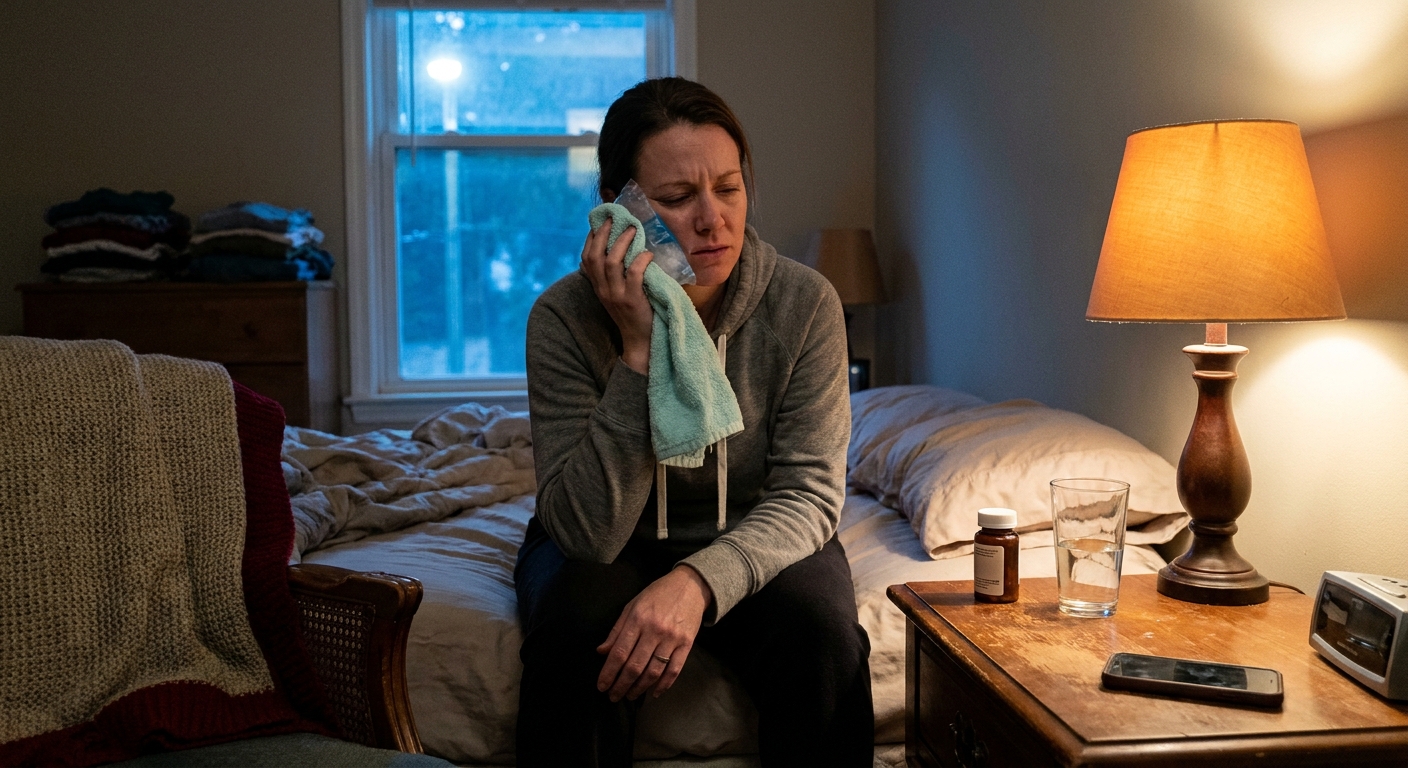
Many people with a toothache hope Immediate Home Relief & Over-the-Counter Options, like the right pill, a salt rinse, and a night of sleep, will make it go away. Home relief may only help for a few hours, because a true toothache generally does not resolve without dental care. Those hours can still matter. The immediate home relief & over-the-counter options in this Charlotte Emergency Dental guide may take the edge off, may help some people sleep, and may keep a sore tooth from getting more irritated while you plan your next move.
The pharmacy aisle can feel overwhelming when your jaw is throbbing. You want three answers: what is safe to take, what you can do at home, and how long this can safely wait. This guide answers each one in order. It also walks you through the questions the front desk at Charlotte Emergency Dental asks every person in pain: how long it has hurt, what the pain feels like, what makes it better or worse, and whether there is any swelling. You can ask yourself those same questions tonight. Your answers can help you decide whether home care is a short bridge to a dental visit or whether you need help right now.
1. Should You Start with an NSAID Such as Ibuprofen or Naproxen?
For many adults, an NSAID (nonsteroidal anti-inflammatory drug) such as ibuprofen or naproxen is a common first over-the-counter choice for a toothache. Acetaminophen is an option for people who cannot take an NSAID, and dentists commonly recommend NSAIDs, with or without acetaminophen, as a first approach for short-term dental pain.
NSAIDs are often chosen first because inflammation contributes to much tooth pain. When decay or infection reaches the nerve inside a tooth, or when tissue around the root gets irritated, pressure can build in a small, closed space. That pressure is one reason a toothache may throb with your heartbeat and feel worse when you lie down. An NSAID is meant to reduce the inflammation that contributes to the pressure and to dull the pain signal. Acetaminophen eases pain, but it does little for swelling. If your pain feels deep and pounding, an NSAID may be a better match.
Safety comes from reading the label every time. The Drug Facts label on the package tells you the dose, how often you can take it, and the most you can take in a day. The FDA’s guide to choosing over-the-counter medicines explains how to read that label and when to ask a pharmacist for help. Do not take more than the label allows, even if the pain is intense. A larger dose does not treat the tooth, and it raises your risk of side effects.
Talk with a pharmacist or doctor before you take an NSAID if you have kidney disease, stomach ulcers or a history of stomach bleeding, or liver problems, or if you take a blood thinner. The same goes for anyone who is pregnant or managing a long-term health condition. Do not take two NSAIDs at the same time, such as ibuprofen and naproxen together, because they work the same way and the risks add up.
Also notice how the medicine affects your pain and how long any relief lasts. If an NSAID barely touches the pain, or it wears off long before the label says you can take another dose, that is useful information. When you walk in to Charlotte Emergency Dental, the team asks what makes your pain better or worse, and “ibuprofen helped for two hours” is the kind of detail that can help point toward the cause.
2. Is It Safe to Combine Ibuprofen and Acetaminophen for Dental Pain?
Many adults can pair an NSAID like ibuprofen with acetaminophen, either together or alternated, because the two medicines work in different ways. How often you take each one is set by the Drug Facts label on each product, including the time between doses and the daily maximum.
The reasoning behind the combination is straightforward. Ibuprofen targets inflammation, while acetaminophen works mainly on how your brain processes pain. Together they cover more ground than either one alone, which is why some people prefer the pair to a bigger dose of a single medicine. Some products already combine the two in one tablet. If you use one of those, do not add more ibuprofen or acetaminophen on top of it.
The biggest risk is hidden acetaminophen. It shows up in many cold and flu remedies, nighttime sleep aids, and “PM” pain relievers. If you are fighting a cold and a toothache at the same time, you could take a toothache dose of acetaminophen and then a cold medicine that has more of it, without realizing you have doubled up. Too much acetaminophen can harm your liver. MedlinePlus advises checking the active ingredients on every medicine you take so you do not take the same drug twice under different brand names.
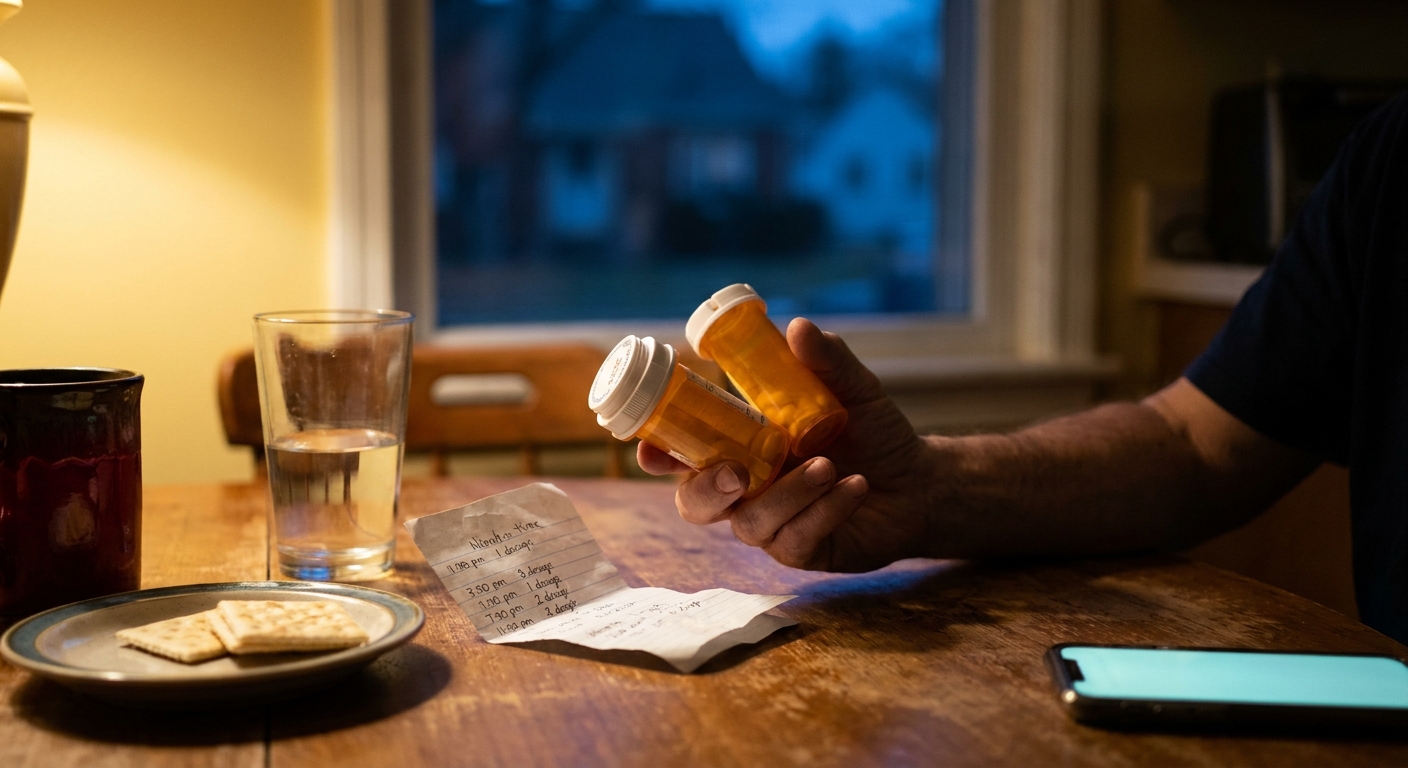
A practical habit helps here. Write down the time and name of each dose on your phone or a scrap of paper. At 2am, with a sore jaw, it is easy to forget whether your last pill was ibuprofen or acetaminophen. A quick note helps you stay inside the label limits and gives you something useful to show the dentist.
If you are not sure whether a combination is right for you, ask a pharmacist. They can review your other medicines and your health history quickly. That short conversation is worth it, especially if you have liver, kidney, or stomach concerns, or if you take a blood thinner.
3. Why Do Dentists Often Choose NSAIDs Over Opioids for Tooth Pain?
Dentists often choose NSAIDs, alone or paired with acetaminophen, for tooth pain because these medicines address inflammation and avoid the drowsiness, nausea, constipation, and dependence risks that come with opioids. A prescription pain medicine is considered only when the dentist judges it necessary for a specific patient.
Many people assume severe pain calls for a strong prescription. With dental pain, that is often not the case. Because much tooth pain involves inflammation, a medicine that addresses inflammation may work better for some people than one that only dulls the feeling. That is a main reason the dental field has moved toward an opioid-sparing approach: for many patients, the over-the-counter combination may be enough, with fewer downsides.
There is a bigger point, though. Pain medicine does not address what is causing a toothache. Treating the cause does. Charlotte Emergency Dental builds its emergency visits around that idea. The goal of your first visit is to find the source of your pain and treat it, rather than to send you home with something that only masks it for a few more days. When the infected nerve is cleaned out with a root canal, or a tooth that cannot be saved is removed, the source of the pressure behind the pain is addressed.
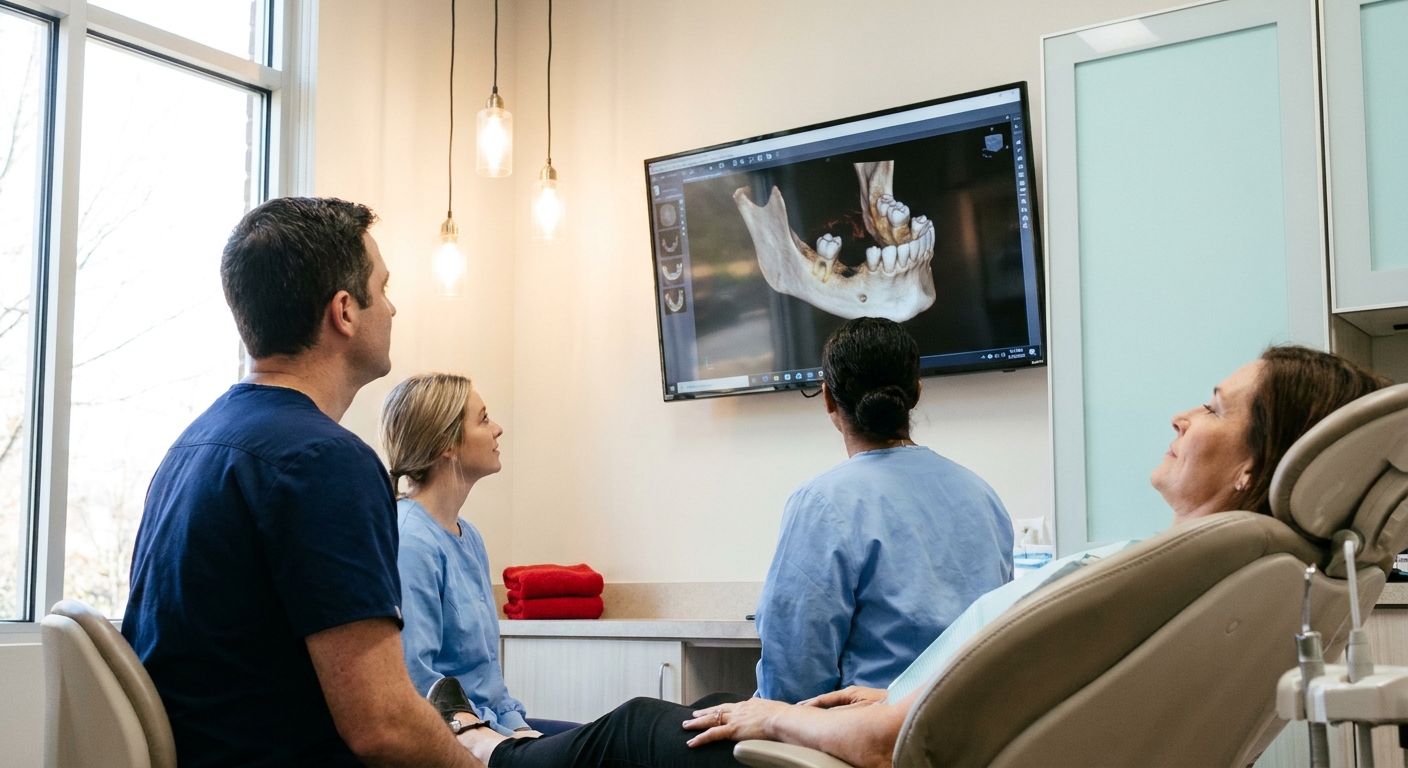
It is also understandable to worry that the treatment will hurt more than the toothache. That fear keeps many people waiting at home longer than they might otherwise. At Charlotte Emergency Dental, the doctor numbs the area before treatment begins. Before that, the doctor reviews your 3D scan with you and points out the likely cause, so you know what is happening and why. If you are feeling very anxious, let the team know when you arrive, and the doctor can go over your treatment options in detail before anything begins. The Charlotte Emergency Dental team works with nervous patients every day and aims to help people through a procedure at a pace that feels manageable.
If you have avoided the dentist because of fear, you are not alone, and asking questions before anything happens is always welcome.
4. What Immediate Home Relief & Over-the-Counter Options May Help Until You See a Dentist?
Home steps that may offer comfort include a warm salt water rinse, a cold compress on your cheek, avoiding foods that trigger the pain, and chewing on the other side of your mouth. These steps are meant for comfort while you wait for care, and they do not treat the cause.
Use these alongside the medicine guidance above:
- Warm salt water rinse: Stir half a teaspoon of salt into a glass of warm water. Swish it gently around the sore area for about 30 seconds, then spit. This may loosen trapped food and soothe irritated gums.
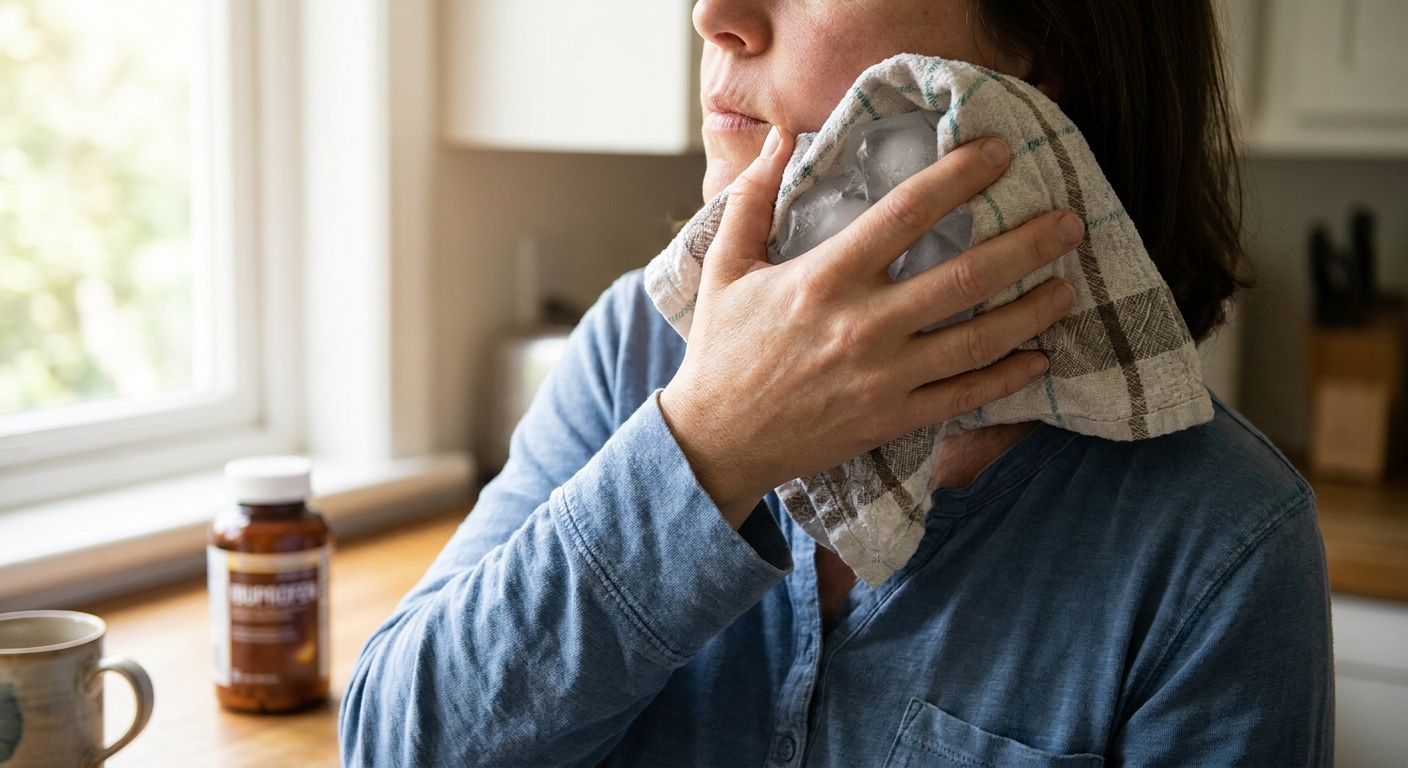
- Cold compress: Hold a cold pack wrapped in a thin cloth against your cheek, over the sore area, for 15 to 20 minutes. Take a break before you repeat it. Cold may reduce swelling and numb the area a little.
- Avoid trigger foods: Skip very hot, very cold, and sugary foods and drinks. If a sip of ice water sends a jolt through the tooth, room-temperature drinks may be easier.
- Chew on the other side: Stick to soft foods and keep pressure off the sore tooth. Biting down on a damaged tooth can make the pain worse and the damage deeper.
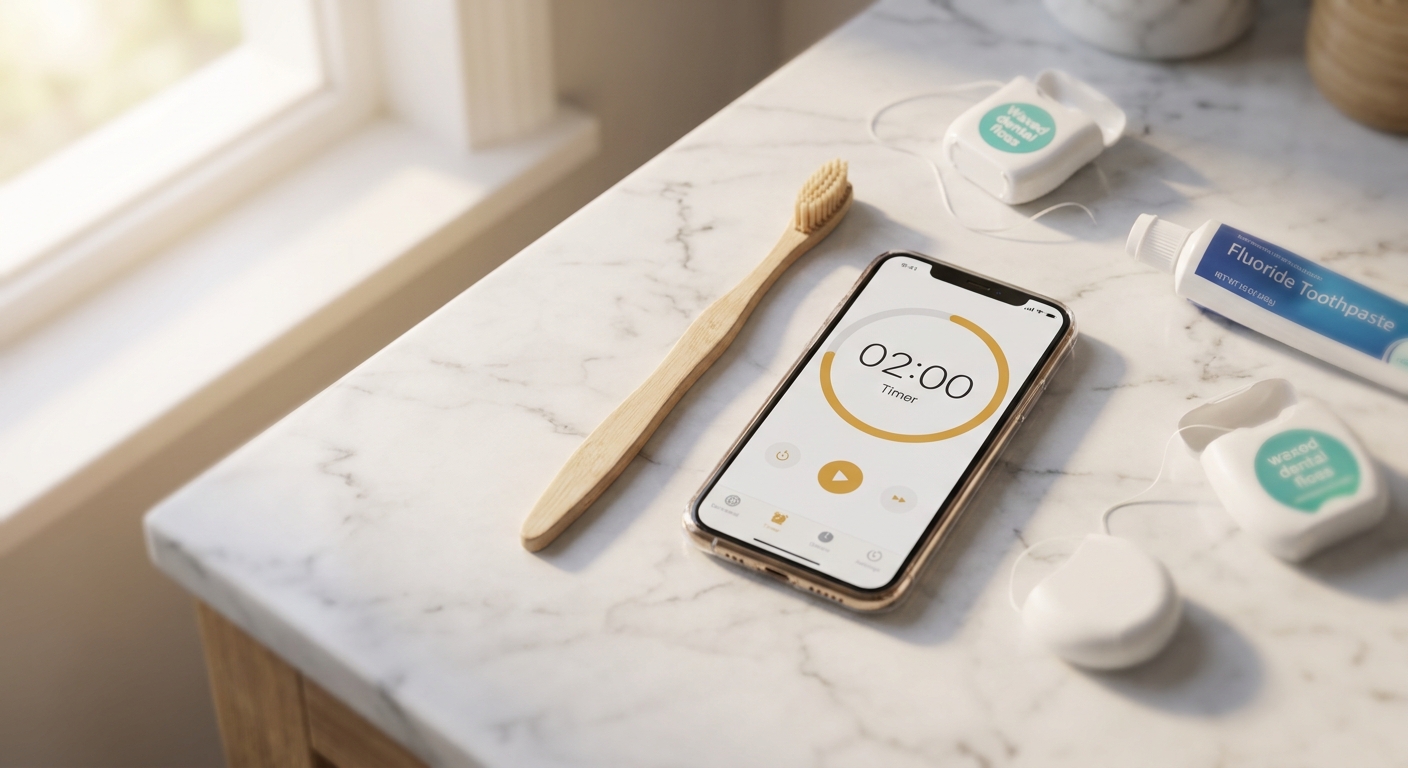
- Keep the area clean: Brush gently and floss carefully around the tooth to clear out food that may be pressing on the gum.
Never put an aspirin tablet directly on your gums or against the tooth. It is a common folk tip, but aspirin is an acid and can burn the soft tissue, leaving you with a painful sore on top of the toothache. Swallow pain medicine as the label directs. Be cautious with other home remedies passed around online, too. Some may feel soothing for a moment, but they do not treat a cavity, an infection, or a crack.
While you use these immediate home relief & over-the-counter options, pay attention to what sets the pain off. Does it hurt when you bite? When you drink something cold? When you lie down? Does it linger after the trigger is gone? These patterns can help a dentist pinpoint the problem.
Consider one person we treated at Charlotte Emergency Dental. This individual had pain when biting hard foods and had already received three different opinions about what was wrong. At Charlotte Emergency Dental, the team took a CBCT, a 3D X-ray of the teeth, roots, and surrounding bone. It showed a vertical root fracture on a lower molar, with bone loss along one side of the root. A vertical root fracture cannot be repaired, so removing the tooth was the treatment option in this case. For this person, home steps could not have addressed the fracture, and noting that biting set off the pain helped point toward the cause.
5. When Is Tooth Pain an ER Emergency and When Should You Come In Today?
Go to the emergency room first if you have major facial trauma, a jaw that may be broken, or swelling so large it could threaten your breathing, especially with trouble breathing or swallowing. Many other problems, including severe toothaches, abscesses, and broken teeth, call for a dental visit today.
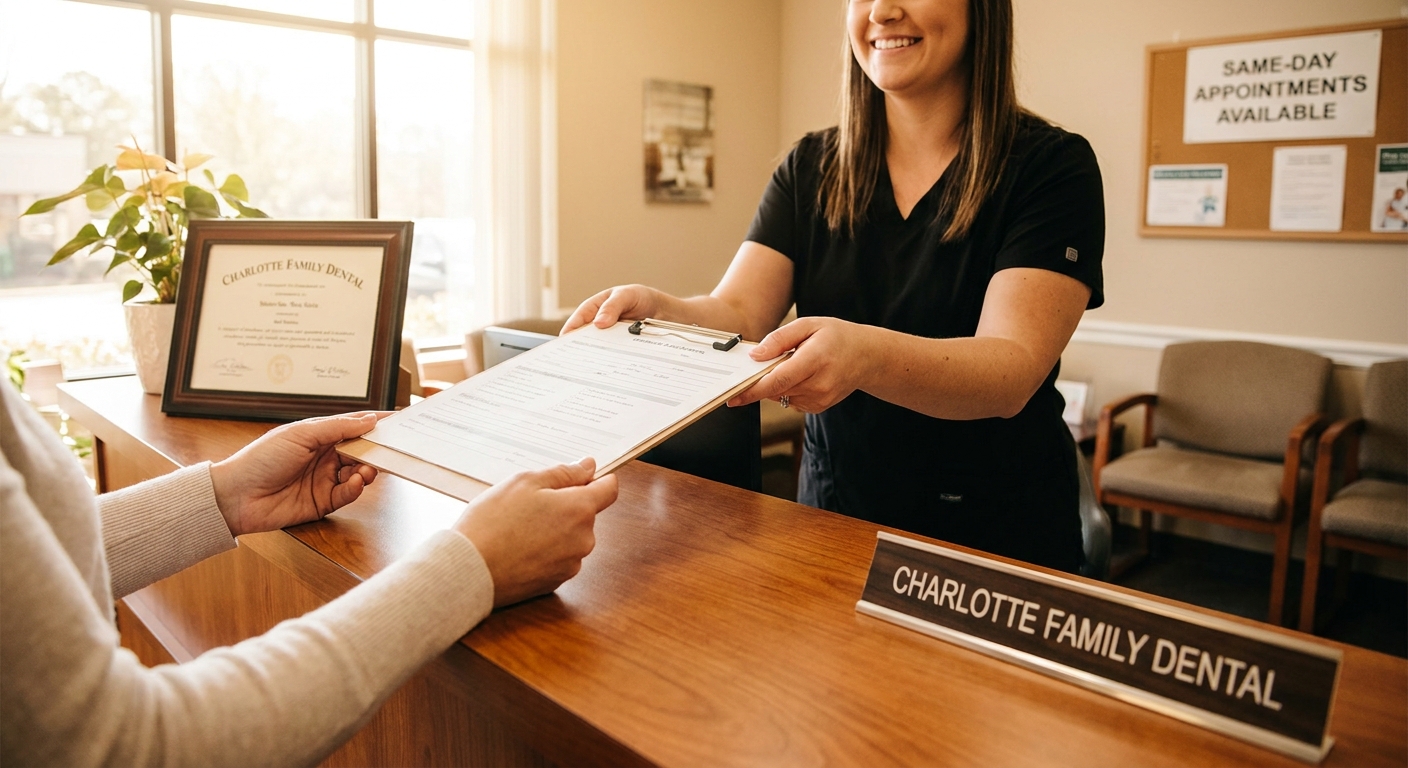
When you call or walk in to Charlotte Emergency Dental, the front desk triages you first. They ask about the nature of the problem, how long the pain has lasted, what it feels like, what makes it better or worse, whether you have swelling, and whether you have signs of a major infection such as difficulty breathing or swallowing. Those answers help decide where you belong, so run through them yourself now.
Go to a hospital or ER right away for:
- Major injury to the face, such as from a car accident or a hard fall
- A jaw that may be fractured, especially if your bite suddenly feels wrong or you cannot open or close your mouth
- Swelling that is large, spreading quickly, or affecting your breathing or swallowing
Come in to the dentist today for:
- A severe toothache, including pain that keeps you up at night
- A broken or cracked tooth
- An infection or abscess, such as a gum bump, bad taste, or swelling near one tooth that is not affecting your breathing
- A lost or loose crown
- A dry socket or pain after an extraction
- Tooth sensitivity that is new or getting worse
Charlotte Emergency Dental sees about 10 to 15 same-day emergencies a day and aims to treat emergencies that come through its doors on the same day.
A knocked-out tooth needs special handling. Charlotte Emergency Dental tells callers to place the tooth in a container submerged in milk and come in immediately. Do not scrub the tooth or rinse it hard, because aggressive rinsing can damage living cells on the root surface that help the tooth reattach. Once you arrive at Charlotte Emergency Dental, a knocked-out tooth moves to the front of the line, with a target of getting you into a chair within 10 minutes. The goal is to put the tooth back in its socket within 60 minutes of the injury, so time matters. Skip the home steps in this case and get in the car.
6. What Causes Dental Pain, and What Does the Dentist Do About Each Cause?
Dental pain commonly comes from decay, infection, a cracked tooth, a problem after an extraction, a lost crown, or an injury, and each typically needs a specific dental treatment. Pain medicine may quiet any of these for a while, but these problems generally do not resolve on their own.
Here is how the common causes line up with what a dentist may do about them:
| Cause of pain | What it often feels like | What the dentist may do |
|---|---|---|
| Deep decay | Sensitivity to sweets, hot, or cold that can grow into a constant ache | A filling for a cavity that has not reached the nerve, or a root canal if it has |
| Infection or abscess | Throbbing pain, a gum bump, a bad taste, or swelling near the tooth | A root canal to clear the infection from inside the tooth, or an extraction if the tooth cannot be saved |
| Cracked or fractured tooth | Sharp pain when biting, especially on hard foods, or pain on release | Repair with a filling or crown when the crack allows it; a vertical root fracture means the tooth must be removed |
| Dry socket or pain after an extraction | Pain that gets stronger instead of easing after a tooth is pulled | An exam of the site and same-day treatment at Charlotte Emergency Dental |
| Lost or loose crown | Sensitivity or a sharp edge where the crown used to sit | An exam of the tooth underneath, then a new crown, sometimes the same day when possible |
| Knocked-out tooth | Bleeding and an empty socket after an injury | Gentle cleaning of the root, putting the tooth back in place, and a bonded splint to hold it steady while it heals |
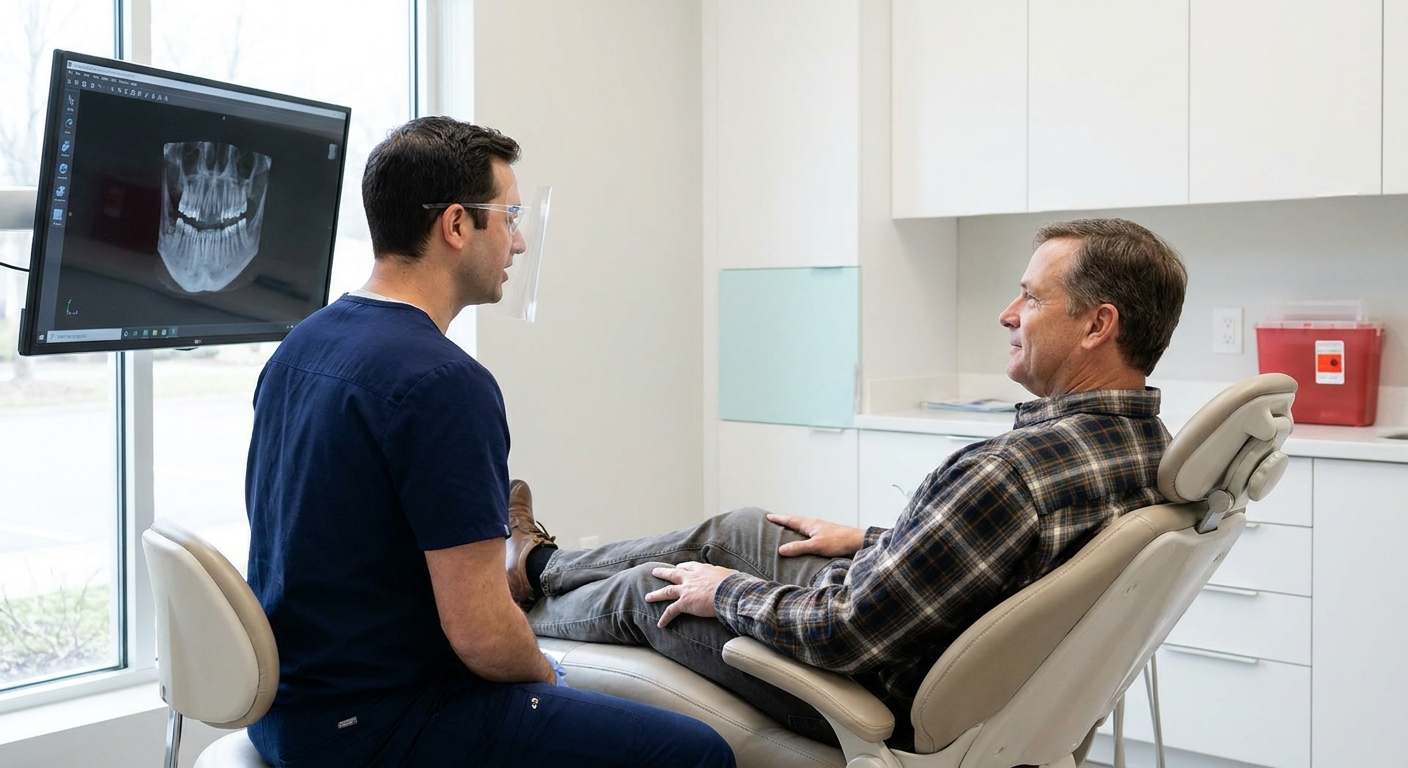
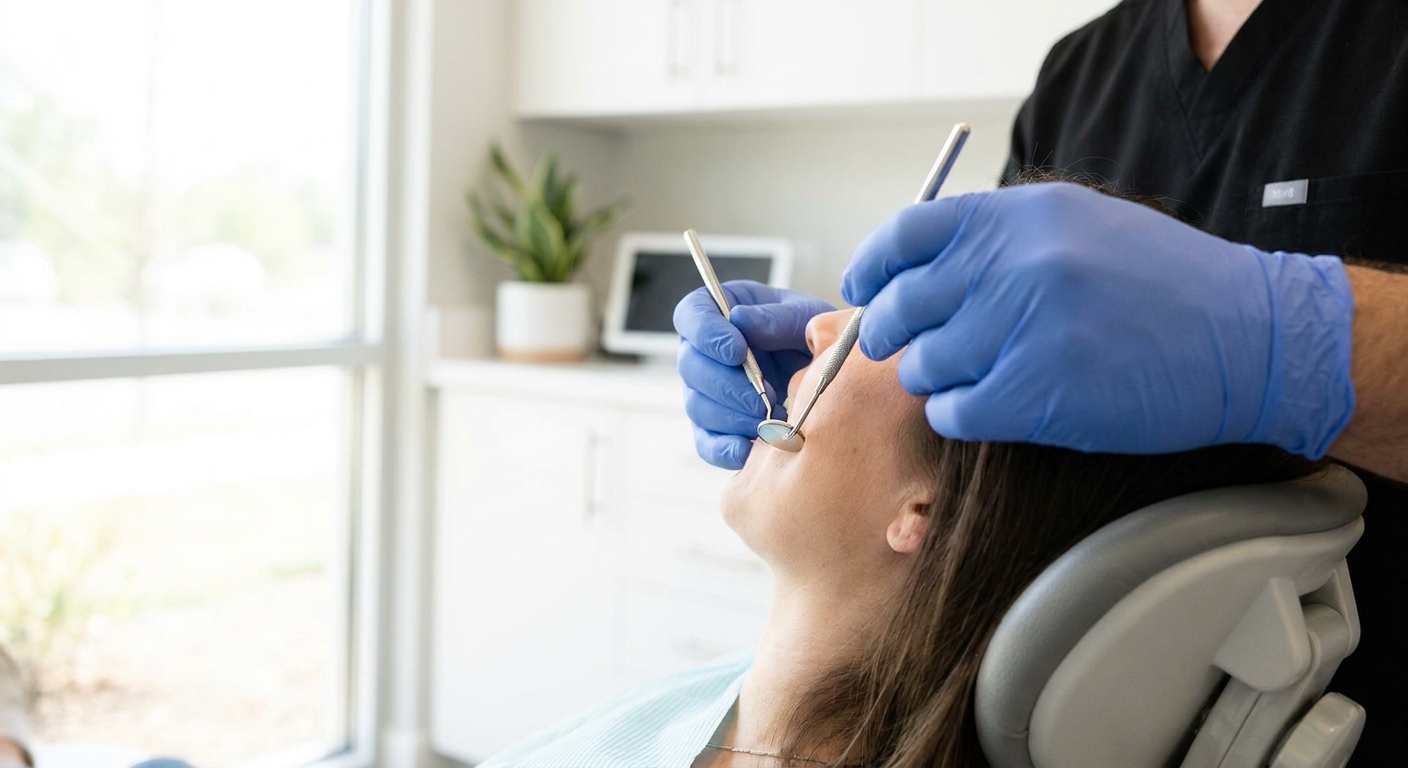
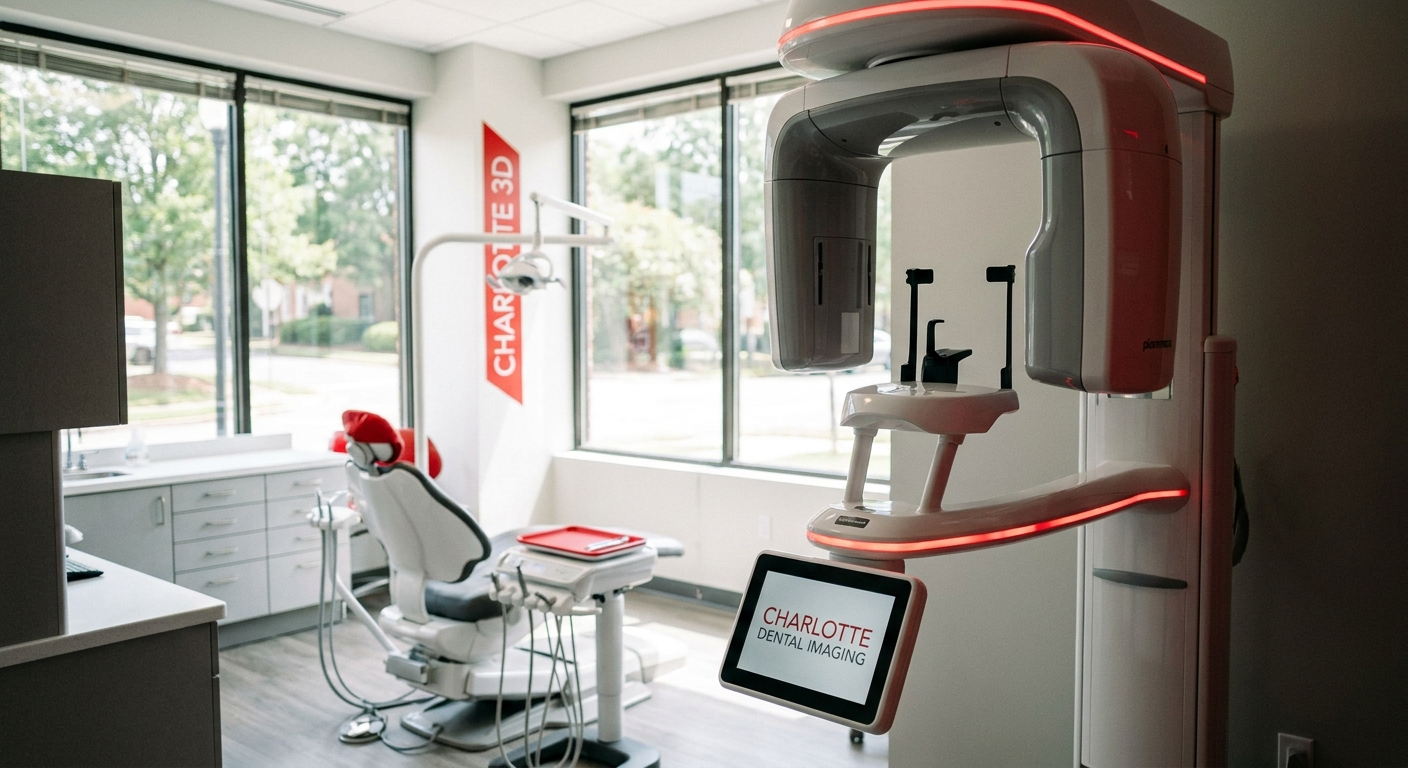
Many health pages answer the abscess question with “you may need a root canal, an extraction, or antibiotics” and stop there. Here is what happens at Charlotte Emergency Dental when you walk in with a suspected infection. Every first visit starts with a CBCT, a 3D X-ray that shows the roots and the bone around each tooth, including infection at the tips of the roots, large cavities, and cracks that standard 2D X-rays can miss. A dental assistant at Charlotte Emergency Dental then talks with you about your symptoms. The doctor does a thorough exam inside your mouth, tests the tooth’s health by tapping on it and applying cold to check the nerve and the tissue around the root, and screens you for signs of a major infection. Then the doctor walks you through your scan, explains the likely cause of your pain, and goes over your treatment options and costs. After that, you are numbed and treated the same day whenever possible.
Visits can move quickly. One patient arrived at Charlotte Emergency Dental at 10:15am in severe pain. By 10:30am, his CBCT was done and he had a diagnosis: a fractured tooth that could not be saved. By 10:35am, he was numb. His extraction, along with a bone graft to prepare the site for a future implant, was finished by 11:20am. That was one patient’s visit, and timing varies. Another patient walked in to Charlotte Emergency Dental at 1:56pm, was triaged, scanned, and being diagnosed by the doctor by 2:09pm, and had the extraction completed by 2:35pm.
Those visits illustrate the main point of this guide. Home relief may help you get through the night, but the cause of a toothache generally stays put until a dentist treats it, which is why the next step after treatment matters too.
7. How Do You Manage Pain After an Extraction or Root Canal?
After an extraction or root canal, follow your dentist’s written instructions, use the pain reliever your dentist approved exactly as the label directs, and call if your pain starts rising instead of easing. Some soreness is expected, but it should generally improve rather than build.
Work through these steps in order:
- Follow your dentist’s written instructions first. Your instructions are tailored to your procedure and your health history. If anything in this guide differs from what your dentist told you, follow your dentist.
- Use the over-the-counter option your dentist approved. For many people that is an NSAID, alone or paired with acetaminophen. Take it as the label directs, and keep tracking your doses so you stay within the daily limits.
- Apply a cold compress. Hold a wrapped cold pack on your cheek for 15 to 20 minutes, then take a break before you repeat it. This may help with swelling and soreness.
- Eat soft foods and protect the site. Chew on the other side of your mouth and avoid hard, crunchy, or very hot foods until the area feels comfortable. After an extraction, be gentle with the socket so the blood clot that forms there stays in place.
- Watch how the pain changes. Mild soreness that slowly fades is common. After a root canal, the tooth may feel tender when you bite for a while as the tissue around the root settles.
- Call if the pain rises instead of easing. Pain that climbs after an extraction, especially a deep ache that spreads toward your ear, can be a sign of dry socket. Swelling that spreads, a fever, or trouble swallowing also need prompt attention, and trouble breathing means going to the ER.
Dry socket and other pain after an extraction are among the problems Charlotte Emergency Dental treats the same day, seven days a week, so you do not need to wait for a regular office to open on Monday. The practice also does not wait for you to reach out. Its in-office text system automatically follows up after visits, and charts can be flagged so a doctor or the front desk contacts you directly. If you are still uncomfortable, the Charlotte Emergency Dental team can find out and bring you back in.
For a deeper look at the first days after a tooth comes out, read our guide to managing pain after a tooth extraction.
Where to Go for Same-Day Care in Charlotte, NC
Charlotte Emergency Dental welcomes walk-ins seven days a week, so you can be seen today without an appointment. Weekday hours run from 9am to 7pm, and a dedicated weekend team covers Saturdays and Sundays.
On weekdays at Charlotte Emergency Dental, the typical time from walking in to being treated is about 30 minutes. Weekends can get busier, and waits may vary. A knocked-out tooth skips the line, with a target of under 10 minutes from the front door to the chair.
Cost is often the real question behind the hesitation, so here it is plainly. The emergency exam and X-ray fee at Charlotte Emergency Dental is $99. Charlotte Emergency Dental is an out-of-network practice, and you pay at the visit as self-pay. If you have dental insurance, the office gives you claim forms so you can request reimbursement from your insurer, and how much comes back depends on your plan. Medicaid is not accepted. For treatment beyond the exam, the practice works with third-party financing companies that let you spread costs into monthly payments, sometimes with 0% interest. The doctor reviews your options and costs with you before treatment begins, so you know where you stand before anything starts.
Once you are out of pain, you are encouraged to come back for a follow-up visit to look at your overall oral health. X-rays taken at Charlotte Emergency Dental after your first visit are free for the next 6 months, and the team can help you break any remaining treatment into steps that fit your schedule and budget. The goal the practice sets for every patient is that the visit made in pain is the last time dental pain sends them looking for help.
If pain hits overnight, use the home steps and over-the-counter options above to get through the night, then walk in once the office opens. If you have trouble breathing or swallowing, swelling that seems life threatening, a possible broken jaw, or a major facial injury, go to the ER right away.
If your toothache is still there after a night of home relief, walk in to Charlotte Emergency Dental in Charlotte, NC, any day of the week, or call 704-525-3939, for a CBCT scan, a diagnosis, and a discussion of treatment options. Before you leave home, jot down when the pain started, what makes it better or worse, and which medicines you took and when. Those notes can help the team look for the cause more efficiently.
When Home Relief Isn’t Enough
Saltwater rinses and over-the-counter pain relievers can take the edge off, but they can’t fix whatever is causing the toothache in the first place. If the pain keeps coming back or is getting harder to ignore, you don’t have to wait it out or feel like you’re overreacting. Charlotte Emergency Dental is here for people in Charlotte, NC who need a real answer, so call the office and tell them what you’re feeling.
Call Charlotte Emergency Dental
This article is general information, not a diagnosis or treatment plan; individual experiences vary.