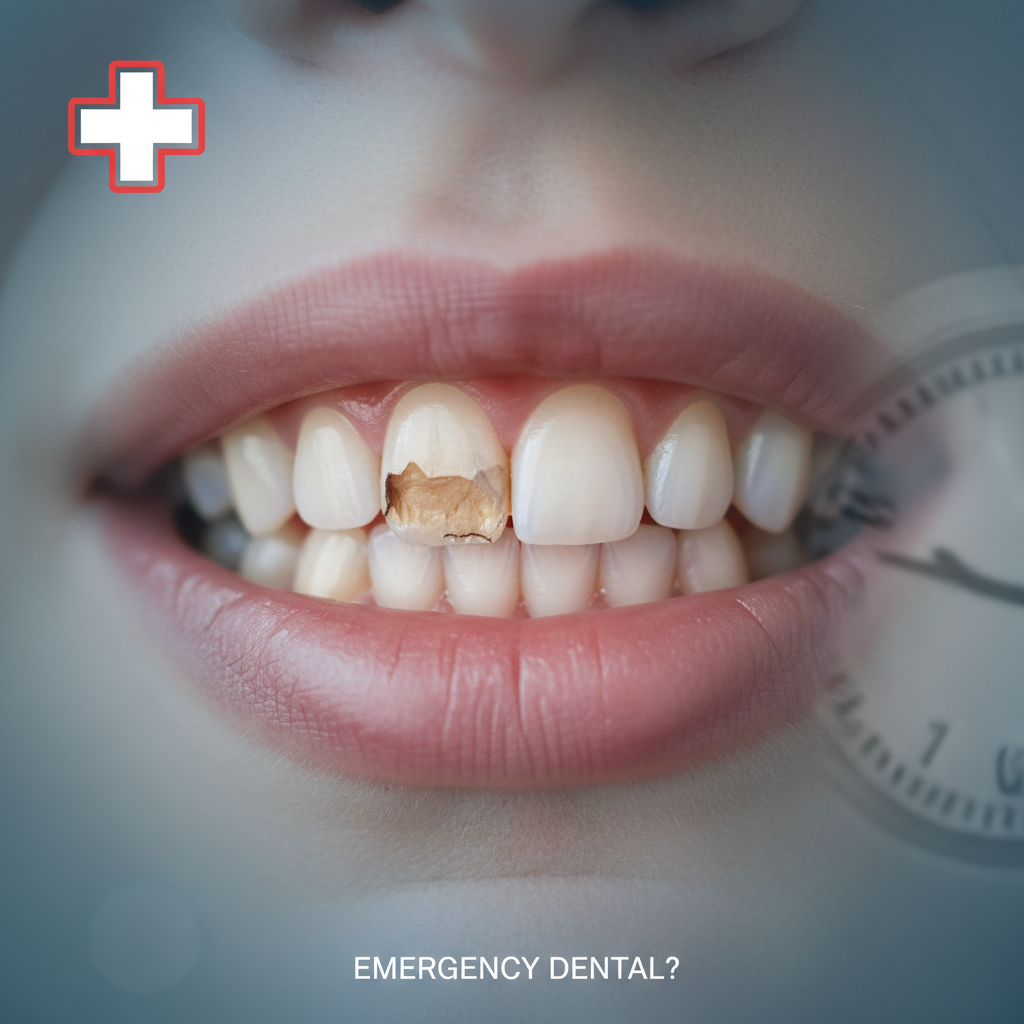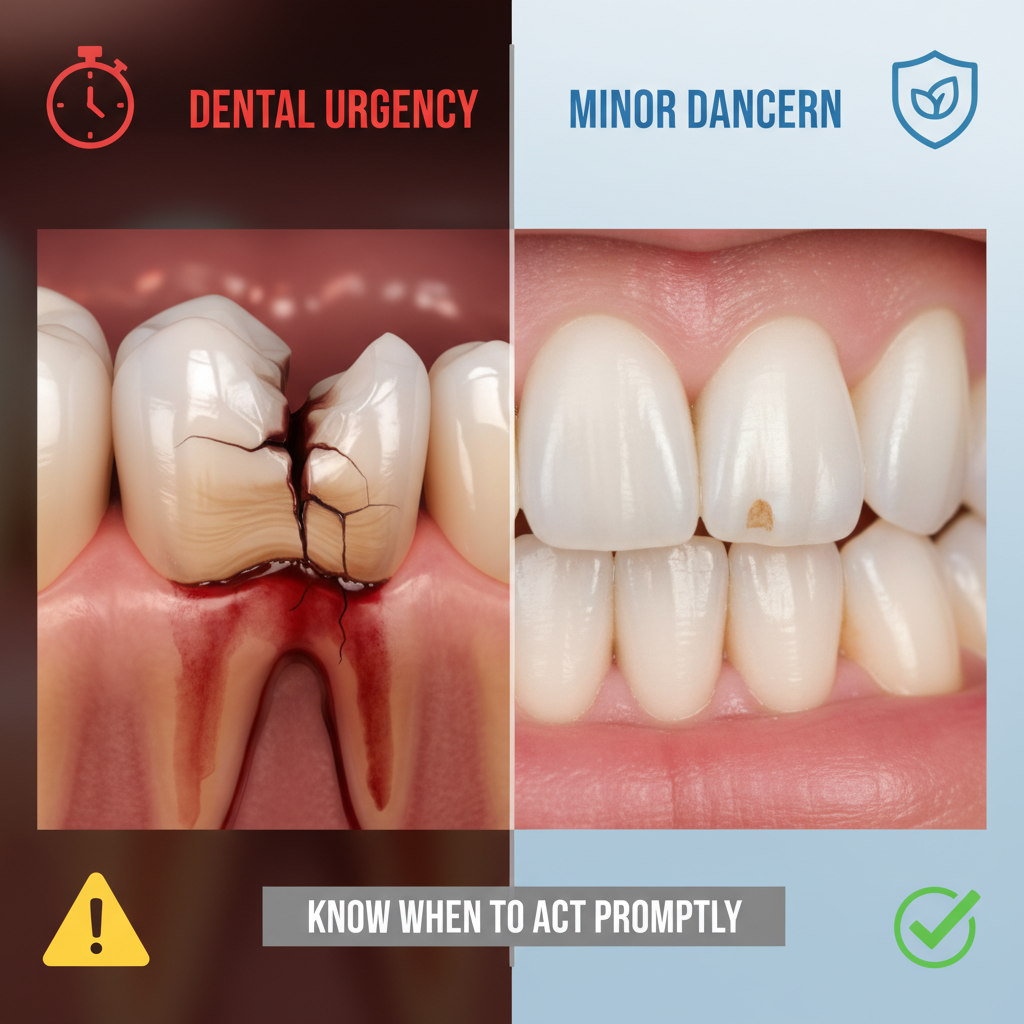
A sudden toothache, chipped tooth, or swollen gums can leave you wondering if you should wait for a regular appointment or go to an emergency dentist right away. Knowing when to go to emergency dentist care can protect your health, save a tooth, and spare you from avoidable complications.
This guide walks you through how to tell what is urgent, what can wait, and what is truly life threatening so you can act with confidence.
What counts as a true dental emergency
You know something is wrong, but is it an emergency or just uncomfortable? In general, a dental emergency is any problem that needs immediate attention to stop severe pain, control bleeding, treat infection, or save a tooth.
According to the Cleveland Clinic, a dental emergency includes issues like bleeding that will not stop, pain that does not improve with medication, or broken facial bones that require urgent dental or emergency room care [1]. Crossroads Family Dentistry defines a dental emergency as any injury or condition that causes extreme pain and cannot be treated on your own, such as trauma, swelling, fever, bad taste or smell, or failure of a crown or filling [2].
If your situation sounds similar to those descriptions, you are probably in emergency territory. For a deeper overview of what fits this category, you can also read more about what is considered a dental emergency.
Red flag symptoms you should never ignore
Some signs mean you should stop debating and seek help right away. These are the warning lights on the dashboard of your mouth.
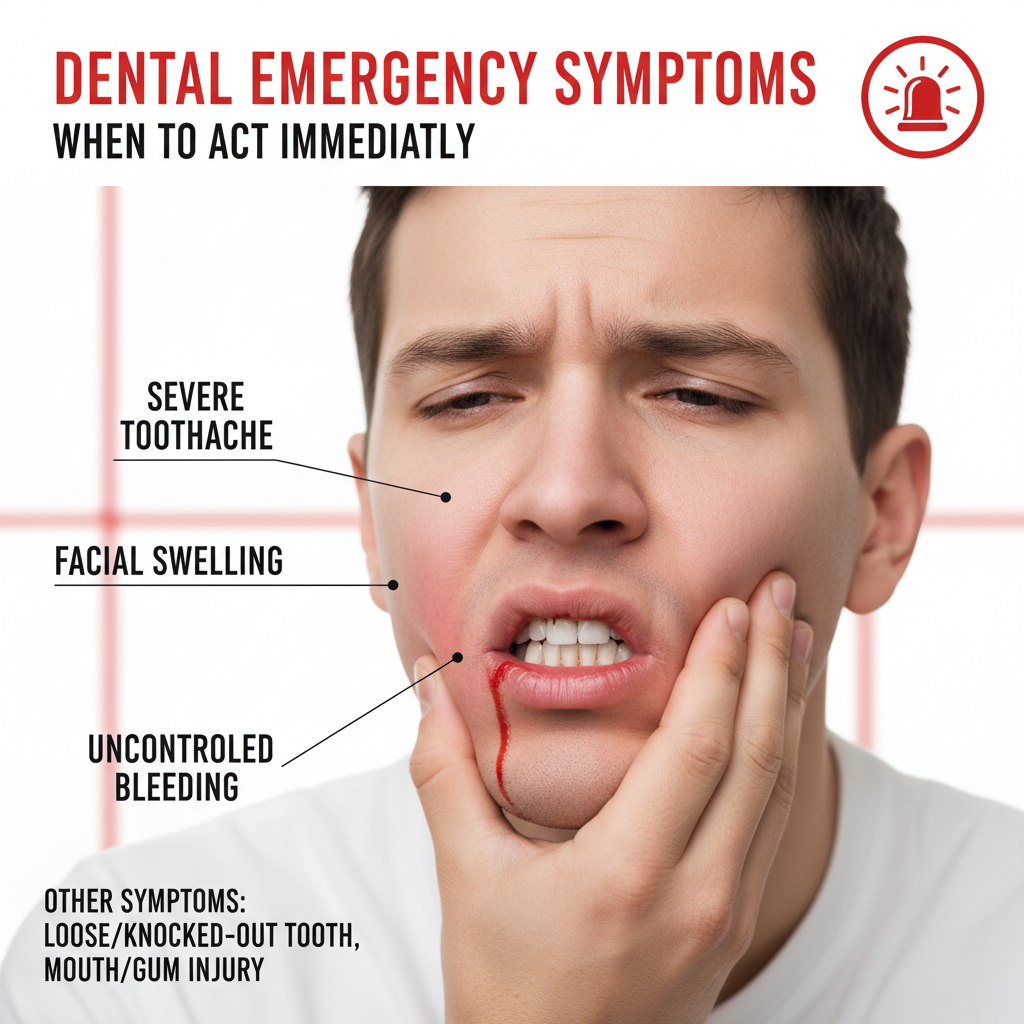
Common red flag symptoms include:
- Severe or throbbing pain that will not go away
- Swelling in your face, jaw, or gums
- Fever, feeling very unwell, or swollen lymph nodes in your neck
- Uncontrolled or heavy bleeding in your mouth
- Pus, foul taste, or bad smell from a tooth or gums
- Difficulty breathing, swallowing, or opening your mouth
Modern Dentistry and Cosmetics notes that intense, throbbing tooth pain that does not improve with over the counter medication may signal an infection, abscess, or nerve damage and requires immediate emergency care [3]. Swelling in the face, gums, or jaw can point to an abscess that may rapidly escalate to a serious infection if not treated quickly [3].
If you are unsure how your symptoms measure up, it may help to review broader dental emergency warning signs so you can compare your situation.
When pain means it is time to go
Tooth pain can range from mildly annoying to completely overwhelming. Learning to tell the difference between a nuisance and an emergency helps you decide when to go to emergency dentist care.
Harvard Health explains that sharp or throbbing tooth pain caused by cavities, cracked teeth, or infections that lead to abscesses needs prompt dental care, because bacteria from an abscess can enter your bloodstream and become life threatening if ignored [4]. Mountain Top Periodontics adds that intense pain that worsens over time and does not fade is a key sign you need emergency dental treatment [5].
Use these quick guidelines:
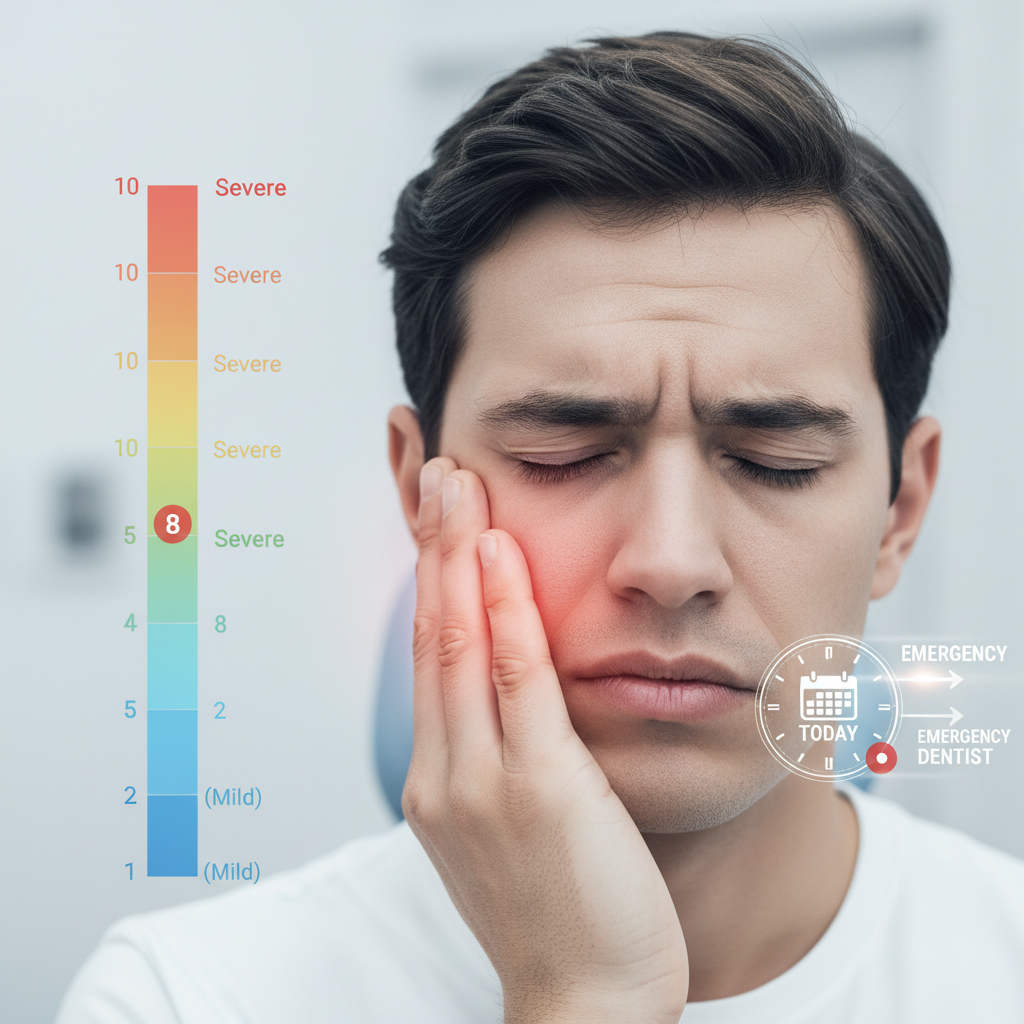
- If your pain is mild, comes and goes, and improves with over the counter medication, you likely need a prompt appointment, but not necessarily same day emergency care.
- If your pain is constant, wakes you from sleep, or makes it hard to eat, concentrate, or function, your situation is more urgent.
- If pain is combined with swelling, fever, bad taste, or trouble swallowing, treat it as an emergency and call right away.
If tooth pain is your main problem, start by reading how to know if tooth pain is emergency and when dental pain becomes urgent so you can better judge your next step.
Swelling, fever, and signs of infection
Swelling and infection raise the stakes quickly and can become dangerous faster than you might expect. Infection in your teeth or gums can spread to your jaw, face, or even your bloodstream if treatment is delayed.
Modern Dentistry and Cosmetics reports that swelling in the face, gums, or jaw is a sign of possible abscess that can progress into cellulitis or systemic infection, which demands urgent care [3]. Symptoms such as pus around the gums, bad breath, fever, and swollen lymph nodes may indicate a dangerous oral infection that can become life threatening without prompt treatment [3].
Mountain Top Periodontics notes that a toothache with fever, visible facial or jaw swelling, or warmth and redness in the area are all strong reasons to seek immediate help [5].
If you notice:
- New or worsening swelling in your cheek, jaw, or under your tongue
- Fever or feeling flu like along with tooth or gum pain
- Pus, a “pimple” on the gums, or a foul taste that will not rinse away
you should call an emergency dentist right away. For gum-specific concerns, see when gum swelling is an emergency for extra guidance.
Trauma, broken, or knocked-out teeth
Accidents happen. A fall, a sports injury, or biting something very hard can damage your teeth in an instant. Knowing when trauma is urgent makes a big difference in what can be saved.
Knocked out or very loose teeth
A completely knocked out tooth is almost always a true emergency. Your window to save it is short. Modern Dentistry and Cosmetics notes that reimplantation chances are best if the tooth is kept moist and treated within 30 minutes [3]. Cleveland Clinic adds that you have the best chance to save the tooth if it is reinserted into its socket within one hour, or kept moist in milk or saline until you see a dentist [1].
If a tooth is knocked out:
- Handle it by the crown, not the root.
- Gently rinse it with milk or saline if dirty, without scrubbing.
- Try to place it back into the socket and bite gently on gauze.
- If you cannot reinsert it, keep it moist in milk or a tooth preservation kit.
- Call an emergency dentist immediately and explain that your tooth was knocked out.
A very loose tooth after trauma is also an emergency. NY Dental Boutique notes that a loose or knocked out tooth needs quick attention to have any chance of saving it [6]. You can read more detail in tooth damage emergency vs minor and how to assess dental injury.
Cracked or chipped teeth
Not every crack or chip is an emergency, but some are. The details matter.
Signs a cracked or chipped tooth may be an emergency include:
- A large piece of tooth broken off, exposing pink tissue or a visible root
- Sudden, strong sensitivity to hot, cold, or pressure
- Sharp pain when you bite that does not fade
- Bleeding from the tooth or deep inside it
Sudden and persistent sensitivity, especially with sharp pain when chewing or drinking, can signal that inner tooth layers are exposed and may require immediate care to prevent infection [5].
If you are dealing with a break, read both is a cracked tooth a dental emergency and is a chipped tooth an emergency to compare your situation.
Bleeding, gum problems, and soft tissue injuries
Bleeding in your mouth can be alarming. The key question is whether it is mild and short lived or heavy and persistent.
Cleveland Clinic explains that dental emergencies include bleeding that will not stop, especially after an injury or dental procedure [1]. Modern Dentistry and Cosmetics also notes that uncontrolled, excessive oral bleeding can indicate serious gum disease or trauma and needs immediate care [3].
You should seek urgent help if:
- The bleeding is heavy, soaks through gauze, and continues for more than about 10 to 15 minutes with firm pressure
- You see large tears or cuts inside your cheeks, lips, or tongue
- Bleeding is paired with swelling, pus, or severe pain
On the other hand, mild bleeding when you brush or floss may not be an emergency but still deserves attention, especially if it is happening often. Harvard Health notes that gum pain and swelling with signs of infection, such as pus “pimples” on the gums or facial swelling, point to advanced gum disease or abscesses that require prompt treatment to prevent tooth loss and further complications [4].
If your main concern is bleeding or sore gums, you can look at when bleeding gums are serious for help deciding your next move.
Life threatening emergencies: Call 911 or go to the ER
Sometimes what feels like a dental emergency is actually a medical emergency. In these situations, do not wait to see a dentist. Go straight to the emergency room or call 911.
Seek emergency medical care immediately if you notice:
- Swelling in your mouth, tongue, or throat that makes it hard to breathe, swallow, or speak
- Very rapid spreading swelling in your face or neck
- Heavy, uncontrolled bleeding after an injury
- Suspected broken facial bones, deep wounds, or punctures to the face
Crossroads Family Dentistry warns that swelling around your teeth or jaw combined with difficulty breathing or swallowing can be life threatening and needs immediate ER care or a 911 call [2]. The Center for Dental Restorations notes that the American Dental Association recommends going directly to the ER for extensive facial trauma like broken bones, severe lacerations, or puncture wounds, rather than to a dentist first [7].
Also, be aware that not all jaw or neck pain is dental. Harvard Health explains that sudden pain in your neck and lower jaw may signal a heart attack or angina, especially in people with known heart issues, and in these cases you should call 911 right away [4].
If you are safe to stay out of the ER but still in serious discomfort, an emergency room can offer antibiotics and pain relief when a dentist is unavailable, although they cannot perform restorative dental work, so you will still need dental follow up as soon as possible [1].
When you can wait for a regular appointment
Not every problem needs same day treatment. Some issues are urgent, but not emergencies. Others can typically wait a few days if you manage symptoms carefully.
You can often schedule a non urgent visit if:
- You have a small chip that is not sharp and does not hurt
- Your tooth is mildly sensitive to hot or cold but not painful
- You have minor gum irritation without swelling, fever, or pus
- A filling or crown has come loose but you are not in serious pain
Even if you decide it is safe to wait, do not put it off for weeks. Cavities, cracks, and gum problems rarely get better on their own. Addressing them early helps you avoid sliding into an emergency later. To get a clearer sense of timing, see urgent vs non urgent dental issues and how long can you wait with tooth pain.
If you are unsure, do not hesitate to call your dentist, describe your symptoms, and ask whether they recommend a same day visit or the next available appointment.
What to do while you seek emergency care
If you decide it is time to go to an emergency dentist, there are a few safe steps you can take at home while you arrange the visit. These are meant to keep you comfortable, not to replace treatment.
Crossroads Family Dentistry recommends the following for pain and swelling until you can be seen [2]:
- Take acetaminophen or ibuprofen as directed, unless your doctor has told you not to
- Apply a cold pack or bag of ice wrapped in a cloth to the outside of your cheek for up to 15 minutes at a time
- Use clean gauze and gentle pressure to control minor bleeding
- Avoid aspirin because it thins the blood and can worsen bleeding
Cleveland Clinic also suggests rinsing with warm water, applying cold compresses, and taking appropriate over the counter pain relievers while you wait, and warns against placing aspirin directly on your gums, which can burn the tissue [1].
If a tooth is broken, chipped, or knocked out, try to keep any pieces, as they may help your dentist repair the damage. For more detail on assessing injuries, see how to identify dental trauma severity and how to assess dental injury.
If you are ever unsure what to do, err on the side of calling a dentist or medical professional. A brief phone call can give you peace of mind and prevent a small issue from turning into a big one.
How to decide if you need urgent dental care
Sometimes the biggest challenge is simply making a decision. You may not want to “overreact,” but you also do not want to risk your health or your smile. A simple way to think about when to go to emergency dentist care is to ask yourself three questions:
-
Is the pain severe or getting worse quickly?
If yes, especially if medication does not help, you are leaning toward emergency care. -
Is there swelling, fever, or signs of infection?
If your face is puffy, you feel sick, or you see pus, it is time to call an emergency dentist. -
Could waiting risk losing a tooth or harming your health?
Knocked out or very loose teeth, deep cracks, heavy bleeding, or spreading swelling should never wait.
If you answer “yes” to any of these, treat your situation as urgent. Resources like what dental issues need immediate care, dental problems that cannot wait, and what counts as dental emergency symptoms can give you more examples to compare with your own symptoms.
You can also use the step by step thinking in how to decide if you need urgent dental care and how serious is tooth pain whenever you feel unsure.
Key takeaways
- Go to an emergency dentist right away for severe pain, swelling, fever, pus, heavy bleeding, or trauma to a tooth.
- Treat knocked out or very loose teeth as true emergencies and seek help ideally within one hour for the best chance to save the tooth.
- Call 911 or go to the ER if you have trouble breathing, swallowing, or signs of facial fractures or serious wounds.
- Mild sensitivity, small chips, or minor gum irritation can usually wait a short time, but still need timely attention.
- When in doubt, call your dentist, describe your symptoms clearly, and ask whether you need emergency, urgent, or routine care.
You do not have to decide alone. Use this guide, explore related topics like signs you need emergency dental care and when to go to emergency dentist, and reach out to a professional. Getting clarity now helps you protect both your health and your peace of mind.