What “urgent dental with insurance coverage” really means
When you search for urgent dental with insurance coverage, you are usually in pain, worried about cost, and trying to figure out what your plan will actually pay for. You might also be trying to get a same-day visit while you sort out insurance details.
Understanding how urgent dental care and insurance work together helps you make faster, more confident decisions. It also helps you avoid surprise bills and delays in treatment when you can least afford them.
When dental issues become an emergency
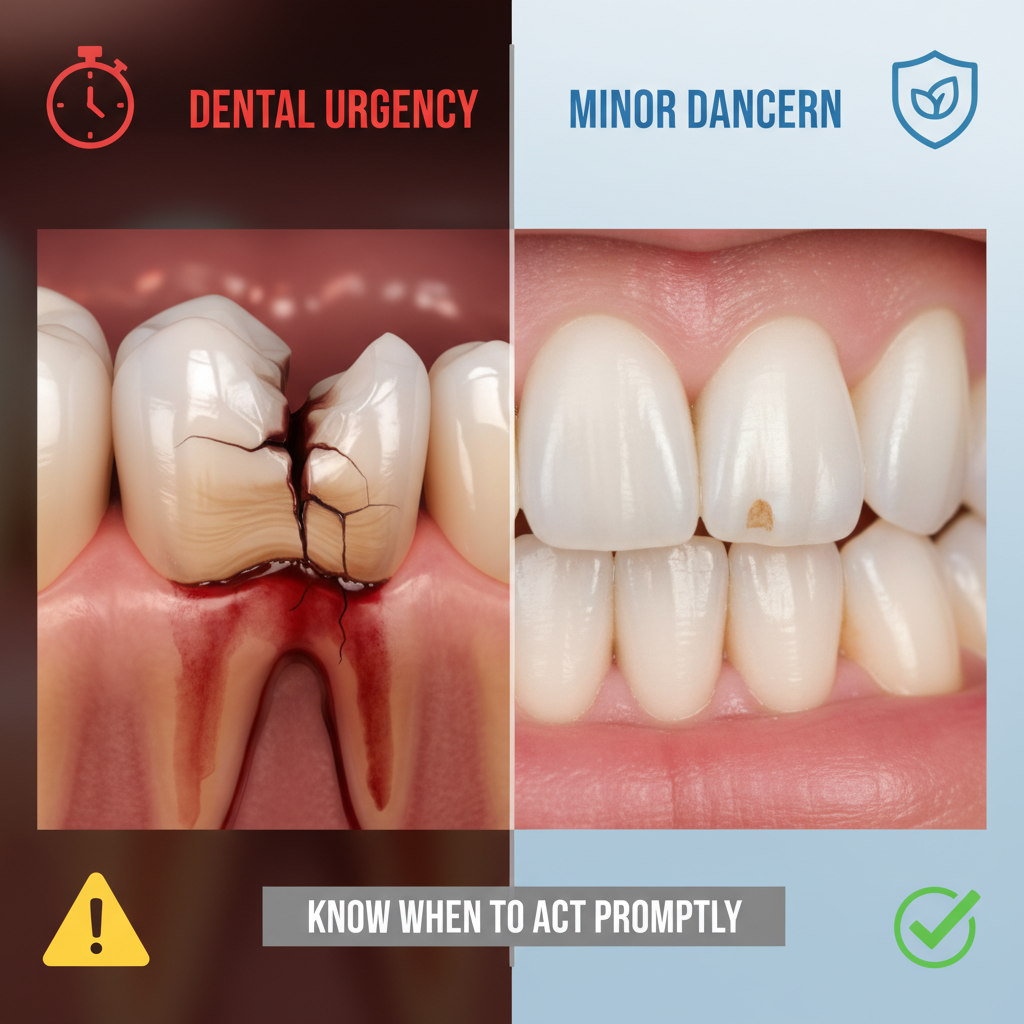
Not every dental problem is an emergency, even if it feels serious in the moment. Knowing the difference shapes how quickly you need to act and what coverage may apply.
Cigna notes that some issues, such as a mild toothache, a chipped tooth, or discomfort from a crown, can be urgent but not always true emergencies that require care right away at any cost [1]. In contrast, situations like a severely painful toothache, a tooth knocked out, or a swollen, infected abscess often do need immediate attention [1].
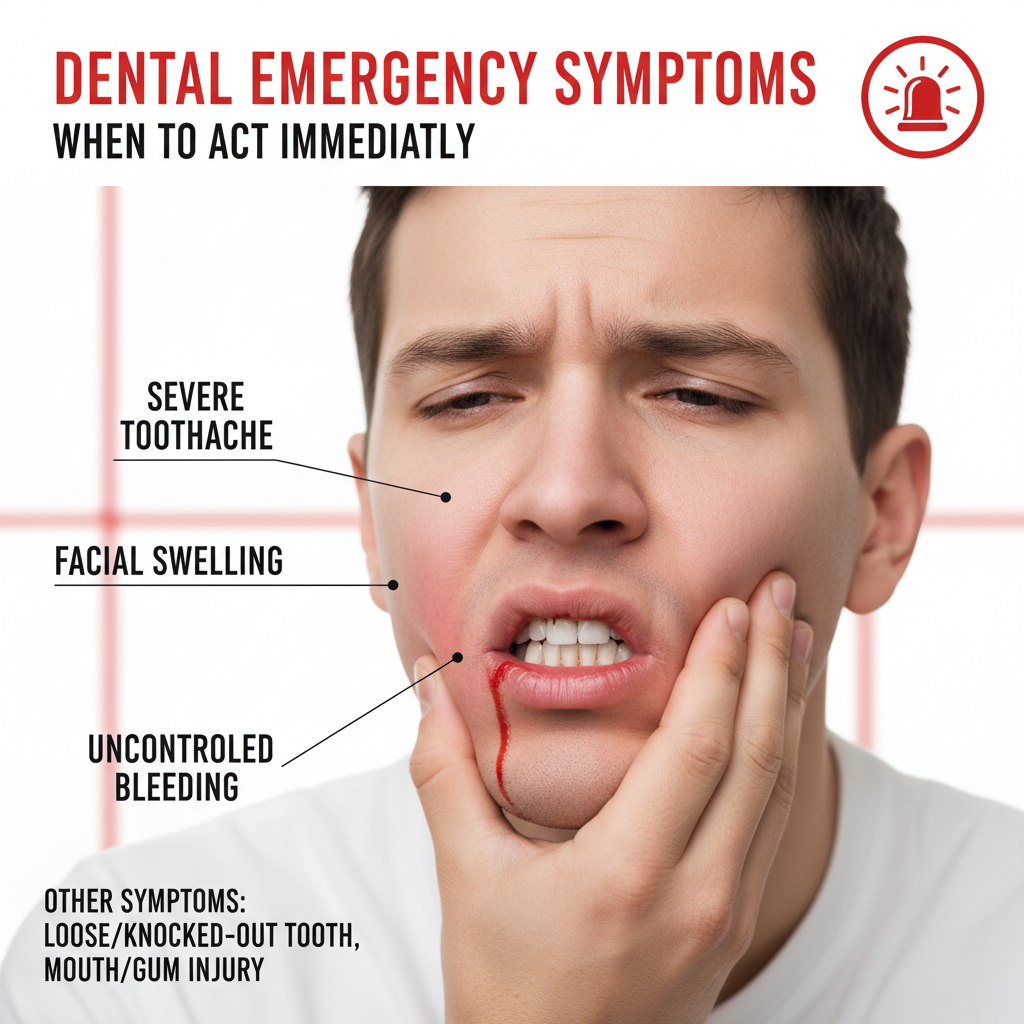
Blue Cross and Blue Shield of North Carolina defines a dental emergency as a condition that needs immediate care to relieve severe pain, prevent infection, or repair or save a tooth [2]. You should seek help right away if you have:
- Severe or worsening tooth pain
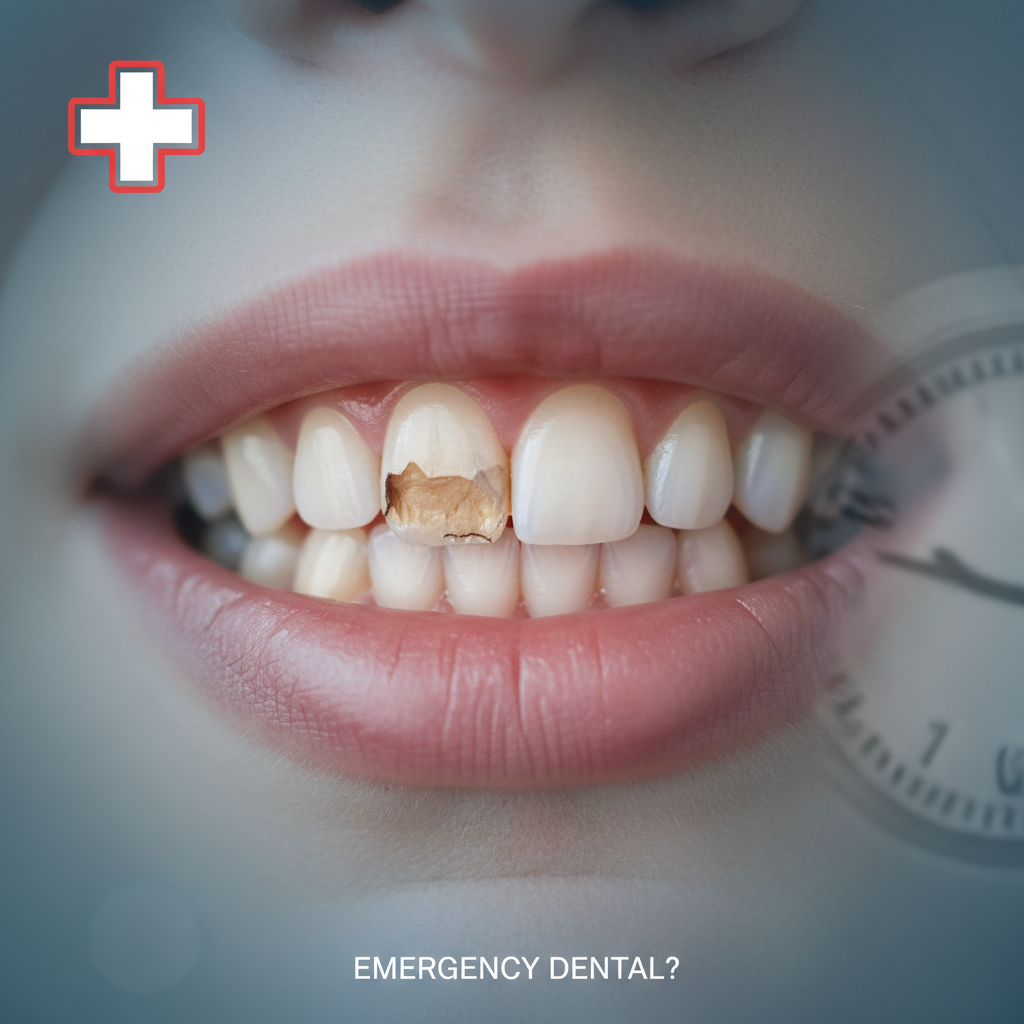
- Visible damage like a broken or cracked tooth
- Swelling in your face or gums
- Bleeding in your mouth that does not stop
- Signs of infection such as fever or pus
For uncontrolled bleeding, breathing trouble, or possible broken facial bones, you should call 911 or go directly to the emergency room, as both Delta Dental and the Cleveland Clinic advise [3].
How urgent dental coverage usually works
Most dental insurance plans do cover emergency and urgent dental care. However, coverage usually follows the same rules that apply to your regular benefits.
Delta Dental explains that for most of their plans, emergency dental treatment is covered with the same deductibles, annual maximums, and copays that apply to standard care [4]. In other words, urgent dental with insurance coverage does not mean every visit is free, but it does mean you typically get help with the cost.
Blue Cross NC notes that your plan may still limit certain services, such as crowns, veneers, or other restorative options used to repair broken teeth [2]. That is why having a clear, upfront emergency dental cost estimate matters, especially if your dentist recommends several possible treatments.
In some situations, medical insurance may step in. Blue Cross NC points out that trauma, serious infections, draining abscesses, or dental conditions related to another medical problem can sometimes be billed under your medical plan instead of, or in addition to, dental coverage [2].
Where you can use urgent dental insurance benefits
When you have insurance, where you choose to go for urgent care can change both your coverage and your final bill.
Delta Dental explains that most dental emergencies should be treated by a dentist or an emergency dental clinic and that visits to the emergency room for dental issues are usually paid under medical insurance, not dental [4]. They also note that out of network emergency dentists may not be covered on certain plans like DHMOs [4].
In many cases you can:
- Call your regular dentist and ask about same-day or after-hours appointments
- Look for a dentist who clearly identifies as an insurance accepted emergency dentist
- Use a nationwide network tool, such as Delta Dental’s provider search, to locate an in-network office quickly [5]
If you do not have a regular office or you are traveling, choosing a walk-in dental with insurance option that confirms your coverage before you arrive can help you avoid delays and unnecessary costs.
What ERs and urgent care centers can do
You might consider going to the emergency room because it feels like the fastest way to deal with severe pain. It is important to understand what the ER can and cannot provide for dental issues.
The Cleveland Clinic notes that hospital emergency rooms can usually offer pain relief and antibiotics for toothaches or infections, but they do not perform definitive dental treatments such as fillings, crowns, or root canals [6]. You will still need to follow up with a dentist as soon as possible for permanent care.
Delta Dental explains that urgent visits to emergency rooms or urgent care centers for dental problems are generally covered by your medical insurance plan, not your dental plan, including most prescriptions for dental pain or infections [4].
If you are in Charlotte and want to avoid a hospital visit, looking for an office that offers a same day dental appointment charlotte can give you faster access to definitive treatment along with clear information about how your dental benefits apply.
How Medicaid and public coverage fit in
If you have Medicaid or a state dental program, urgent dental with insurance coverage will look a little different.
In Virginia, for example, Cardinal Care Smiles provides dental coverage for adults and children on Medicaid and FAMIS, including urgent and routine care [7]. Adults can receive dental treatment at no cost when they see a dentist who accepts Medicaid [7]. Foster care members under 21 and pregnant individuals 21 and older also have medically necessary dental services covered [7].
To find a dentist in that network, members can call DentaQuest or search online [7].
If you are in North Carolina or another state, your Medicaid rules will differ, but the basic idea is the same. Coverage is usually strongest when you visit a provider who accepts your plan. If you are looking for emergency dental with medicaid, it helps to confirm both network status and any limits on emergency services before or as soon as you call.
What urgent dental visits typically include
An urgent visit is usually focused on stabilizing your situation, controlling pain, and planning a path to full treatment. Depending on your symptoms, your visit may include:
- An exam and full history of what happened and how long you have had symptoms
- X‑rays or other imaging
- Pain management, such as medication or a local anesthetic
- Immediate treatment, such as smoothing a broken tooth, placing a temporary filling, draining an abscess, or repositioning a loose tooth
- A plan for follow-up care, which could involve fillings, root canals, crowns, or extractions
Cummings Dental notes that urgent problems like intense toothache, broken or chipped teeth, loose or lost fillings, and abscessed gums should be treated right away to avoid worse pain and costlier procedures later [8].
If your dentist recommends a root canal or another advanced procedure, it is wise to review the likely cost compared with your benefits. Knowing the cost of emergency root canal ahead of time allows you to decide between same-day treatment and a short delay while you arrange finances.
How to check your coverage in the moment
During a dental emergency, you may not feel like reading through your policy documents. A few targeted questions can help you quickly understand how your insurance applies.
Cigna recommends reviewing your dental insurance in advance so you understand how emergency dental services are covered and what out-of-pocket costs you may face [1]. If you have not done that, your dentist’s team can often help.
A practice that is a dentist insurance friendly for emergencies will typically verify:
- Whether your plan is active
- Your remaining annual maximum
- Your unmet deductible
- Whether the dentist is in network for your plan
- Any preauthorization requirements for larger procedures
If you prefer, you can also use an insurance verification dentist tool or form so the office can confirm details before you arrive, which speeds up check-in and reduces uncertainty around price.
Delta Dental offers a Dental Care Cost Estimator that gives insured patients estimated cost ranges for common procedures, which can be helpful if you have one of their plans [5]. Although it does not guarantee exact fees or coverage, it can orient you before you agree to treatment.
When urgent dental with insurance still leaves a balance
Even with coverage, you may face out-of-pocket costs, such as:
- Deductibles
- Copays or coinsurance
- Charges above your annual maximum
- Services that your plan partially covers or does not cover at all
Blue Cross NC notes that things like crowns or veneers used to repair broken teeth may be limited or not fully paid by your plan [2]. That is why getting an emergency dental fee estimate before major work is started can protect you from surprises.
If the projected cost feels overwhelming, you have options. You can:
- Ask your dentist to prioritize only what is urgently needed today
- Spread non-urgent work over several visits
- Look at budget emergency dental care approaches that fit your finances
- Compare emergency dental pricing charlotte to see how different offices structure fees
Talking openly with the team about your budget is key. Many offices expect these conversations and are willing to help you balance clinical needs with financial realities.
Financing and payment plans alongside insurance
Your insurance helps, but it may not cover everything, especially if your deductible is high or your annual maximum is nearly used up. That is where financing and payment plans can make urgent care more manageable.
Some large dental chains highlight how they work with patients who have partial coverage or no coverage at all. For example, Aspen Dental offers same‑day, walk‑in emergency dental care nationwide and notes that costs vary by treatment, location, and insurance plan [9]. They do not accept Medicaid, but they point to third‑party financing and a savings plan that can reduce fees by up to 30 percent [9].
At a local level, you can look for:
- Urgent dental payment plans that spread your balance over time
- Offices with an emergency dentist payment plan option designed specifically for unexpected visits
- Third‑party emergency dental financing options, often with quick approvals
If cost is your main concern, comparing affordable emergency dentistry charlotte providers can help you find a practice that is both responsive and flexible about payments.
If you are using both insurance and financing, ask your dentist to apply insurance first, then structure any remaining balance into a payment plan. This prevents you from borrowing more than you actually need.
Options when you have limited or no coverage
You may find yourself in pain with a dental plan that covers very little, is not active yet, or has already hit its annual maximum. While this article focuses on urgent dental with insurance coverage, it is useful to know what else is available if your benefits fall short.
Great Smile Family Dentistry outlines several paths for patients without insurance, many of which can also help if you are under‑insured:
- Dental schools, where supervised students provide lower‑cost care
- Government or free clinics that offer no‑cost services through volunteer dentists
- Dental savings plans that can reduce treatment fees by 40 to 60 percent and activate quickly [10]
They also emphasize the value of being upfront about financial limits, since many offices will collaborate on affordable solutions when you clearly explain your situation [10].
Even if you have insurance, you can combine these strategies with your benefits. For example, you might use a savings plan for services that your policy does not cover, while still billing covered services to your insurer.
Practical steps when you need urgent dental care
When you are in pain, it helps to have a clear, step‑by‑step path. Here is a practical way to approach urgent dental with insurance coverage:
-
Assess your symptoms
If you have severe pain, uncontrolled bleeding, significant swelling, breathing trouble, or facial trauma, follow emergency guidelines and seek immediate care, including 911 when appropriate [11]. -
Contact a dentist first when possible
During regular hours, call your existing dentist. Many offices reserve time for emergencies or offer a number for after‑hours calls [12]. If you do not have a dentist, look for a dentist insurance friendly for emergencies or an office that offers a same day dental appointment charlotte. -
Verify insurance quickly
Have your dental and medical insurance cards ready. Use an insurance verification dentist service or give your details over the phone so the office can confirm eligibility, network status, and expected benefits. -
Request a cost range before treatment
Ask for a brief emergency dental cost estimate or emergency dental fee estimate. If a root canal, crown, or extraction might be needed, also look at the cost of emergency root canal and similar procedures so you understand your share. -
Discuss payment and financing upfront
If your coverage leaves a balance or if you are close to your annual maximum, look into urgent dental payment plans, emergency dentist payment plan options, or other emergency dental financing options. You can also ask about any emergency dental special offers that may apply. -
Plan your follow‑up care
After the urgent issue is stabilized, schedule follow‑up visits. Blue Cross NC stresses the importance of post‑emergency appointments to ensure proper healing and complete necessary treatment [2]. If budget is a concern, an urgent dental cost discussion with your provider can help you phase treatment in a way that fits your finances.
Using your coverage to protect long‑term oral health
Urgent dental with insurance coverage is about more than getting through a single crisis. It is also about using your benefits strategically so small problems do not turn into emergencies later.
Delta Dental provides tools and a large nationwide network that make it easier for insured individuals to find care and estimate costs in advance, which supports routine visits as well as urgent ones [5]. Regular care reduces your risk of abscesses, severe decay, and other conditions that often end in emergency treatment.
By understanding what your plan covers, where you can use it, and how to add financing or savings strategies when needed, you give yourself the best chance to get urgent care quickly, limit your out‑of‑pocket costs, and maintain your oral health over time.