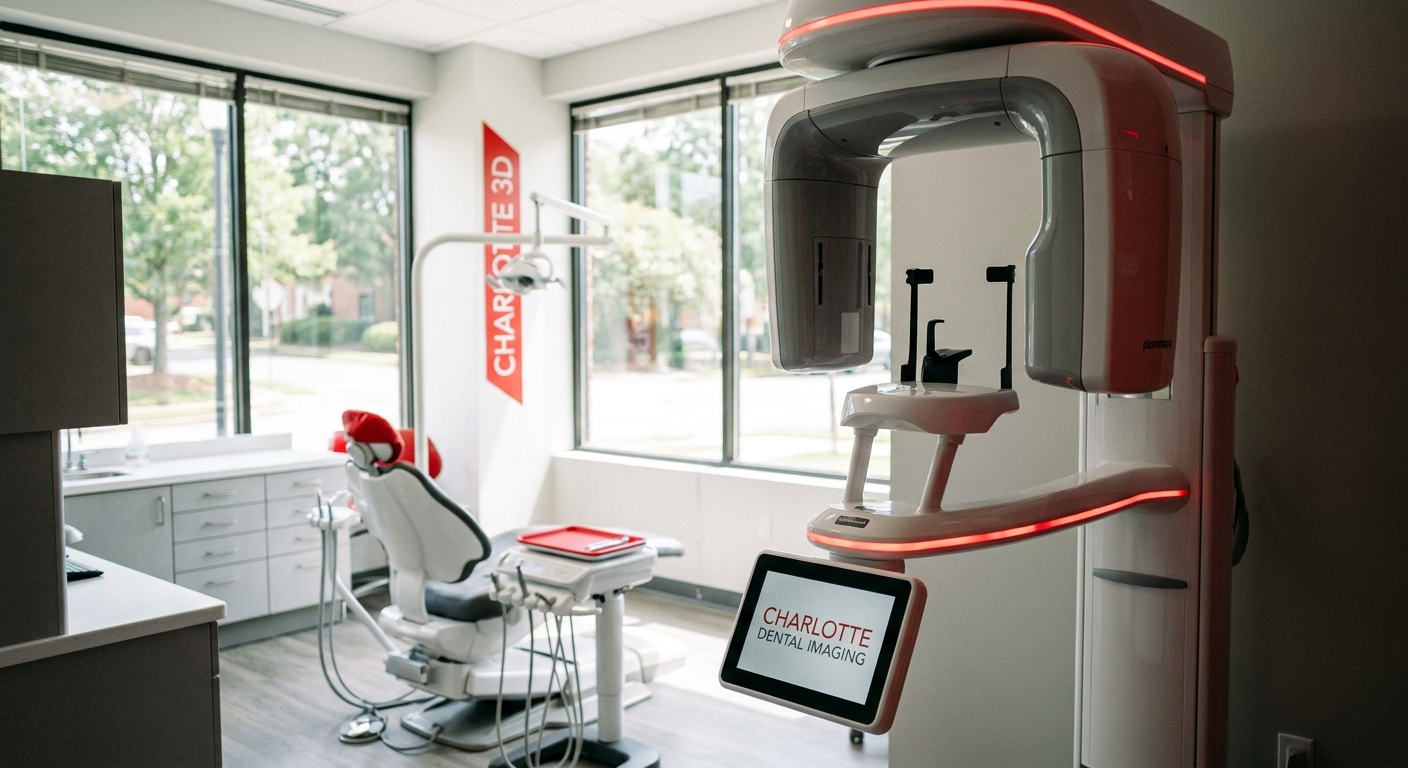
When dental distress strikes—like intense pain, trauma to your mouth, or swelling—you need swift action. Urgent dental surgery services can relieve severe discomfort, halt infections and restore function without delay. Each year in the US, dental emergencies account for billions in treatment costs, and over 40% of adults report experiencing significant dental pain [1]. Dental injuries can occur during sports, car accidents or rough play, underscoring the importance of prompt attention [2]. Rather than waiting in an ER for a prescription, you can go directly to a dental clinic equipped for definitive care. In this guide, you’ll:
- Identify true dental emergencies and why time is critical
- Apply at-home measures to ease discomfort before your appointment
- Explore core procedures—from extractions to root canals and abscess drainage
- Prepare for your visit, including sedation options and documentation
- Select the right provider, navigate insurance and financing
- Follow postoperative instructions for a smooth recovery
By familiarizing yourself with these steps, you’ll address oral crises efficiently and protect your smile and overall well-being.
Understanding dental emergencies
What qualifies as an emergency
Not every dental issue requires surgery or an after-hours visit, but you should treat these signs as urgent:
- Severe pain unresponsive to OTC analgesics
- A tooth that has been completely knocked out
- A large abscess with swelling, fever or sore lymph nodes
- Fractured or broken teeth exposing dentin or pulp
- Deep lacerations to gums, cheeks or tongue that bleed continuously
Over 40% of adults experienced dental pain in the past year, illustrating how common these issues are. While a loose crown or minor bleeding may wait until the next day, persistent bleeding, spreading swelling or difficulty swallowing demand immediate care. If in doubt, contact an urgent dental clinic or your dentist’s emergency line.
Why prompt care matters
Seeking rapid treatment prevents minor problems from becoming complex, costly procedures. Early intervention helps you:
- Save teeth at risk of extraction
- Reduce the spread of infection and avoid systemic complications
- Minimize pain duration and intensity
- Lower overall treatment time and expense
Delaying care can lead to chronic pain, nerve damage or jawbone deterioration. For instance, a knocked-out tooth has its best chance of re-implantation within one hour, while untreated abscesses can spread bacteria to surrounding tissues or even the bloodstream. Over $45 billion is spent on emergency dental procedures each year, underscoring the value of timely service [1]. Early visits often involve simple interventions like local anesthesia and drainage, compared to days of pain and more invasive surgery later.
Exploring emergency procedures
Dental surgery services cover a range of interventions, each designed to address specific emergencies quickly and effectively.
| Procedure | Purpose | Timing |
|---|---|---|
| Tooth extraction | Remove damaged or unrestorable tooth | Same day–24 hours |
| Root canal therapy | Clean infected pulp and preserve tooth | Within 24 hours |
| Abscess drainage | Release pus and control infection | Urgent |
| Wisdom tooth removal | Treat impacted or infected third molars | Same day or next day |
| Apical surgery | Surgically remove infection at root tip | As soon as possible |
Tooth extraction overview
When a tooth is too damaged to save, extraction is necessary. You may require a painful tooth extraction urgent if you’re in intense discomfort or have an active infection. Key points:
- Local anesthesia numbs the area before removal
- Simple extractions remove visible crowns, while surgical extractions handle impacted or broken roots
- Post-procedure, you’ll apply firm pressure on gauze for 30–60 minutes
- Avoid rinsing or spitting for 24 hours and keep your head elevated to control bleeding
- If you prefer sedation, discuss urgent extraction with sedation options
Follow-up visits ensure healthy healing and minimize the risk of dry socket.
Root canal therapy
If bacteria invade your tooth’s pulp, root canal therapy targets and removes painful tissue. For immediate relief, seek emergency root canal therapy under emergency endodontic services. During the procedure:
- A rubber dam isolates the tooth, keeping the area sterile
- Files clear infected pulp from canals, followed by thorough irrigation
- Canals are sealed and fitted with a temporary or permanent restoration
- A crown or onlay is later placed to reinforce the tooth
Modern rotary instruments and digital imaging make the experience no more uncomfortable than a routine filling, while preserving your natural tooth structure.
Abscess treatment
An abscess is a bacterial infection that forms a pocket of pus around the tooth or gum. Without drainage, it can cause significant health risks. Treatment includes:
- Incision and drainage by an abscess drainage dentist
- Prescription antibiotics, often amoxicillin–clavulanate or clindamycin, tailored to the infection
- Definitive care—root canal or extraction—via abscess treatment urgent dental
Warm salt-water rinses (1/2 tsp salt in 8 oz warm water) several times daily can help draw out residual infection until you see your dentist.
Wisdom tooth removal
Impacted or partially erupted wisdom teeth often lead to pericoronitis, cysts or abscesses. Emergency wisdom tooth removal addresses these issues:
- Local anesthesia or IV sedation for comfort
- Surgical removal of bone around the tooth if impacted
- Sectioning the tooth into pieces when necessary
- Thorough socket cleaning and suturing
Removing problematic third molars promptly prevents damage to adjacent teeth and reduces infection risk.
Apical surgery in emergencies
When conventional root canal therapy cannot reach infection at the root tip, apical surgery (apicoectomy) is indicated. In an emergency apical surgery:
- A gum flap is lifted to expose bone and root tip
- The infected tissue and root tip are removed
- The root end is sealed and sutured
Recovery takes 1–2 weeks, with pain and swelling managed through prescription NSAIDs or short-term opioids.
Managing pain at home
It’s important to ease your discomfort and protect damaged teeth until you receive professional treatment.
Immediate self-care steps
- Rinse gently with warm water to remove debris
- Use dental floss or a soft brush to clear lodged food—avoid poking deep wounds
- Apply cold compresses to your cheek for 15-minute intervals
- Take OTC NSAIDs like ibuprofen, unless contraindicated [3]
- Apply topical agents such as benzocaine gel or clove oil sparingly—avoid in young children
Elevate your head during rest; lying flat can exacerbate throbbing pain.
Handling tooth knock-out
If your tooth has been dislodged:
- Hold it by the crown, never the root
- Rinse with cool water—do not scrub or remove tissue fragments
- Attempt to reinsert it gently into the socket
- If reinsertion isn’t possible, place the tooth in milk or a preservation kit
- Seek care within one hour for the best chance of saving the tooth [2]
When traveling without a preservation medium, tuck the tooth inside your cheek—ensure you don’t swallow or aspirate it.
Responding to broken or cracked teeth
For fractured crowns or roots:
- Rinse and control bleeding with gauze
- Apply a cold compress to reduce swelling
- Save any tooth fragments for possible reattachment
- Place a piece of sugarless gum or temporary dental cement over sharp edges
- Avoid chewing on the affected side and stick to soft foods
Delayed treatment can allow cracks to worsen, requiring more extensive repair.
Preparing for urgent treatment
Planning ahead smooths your visit and reduces stress when emergencies occur.
What to expect at visit
During your emergency appointment, the dental team will:
- Review medical history, allergies and current medications
- Conduct an oral exam with digital X-rays or 3D scans
- Show intraoral images and explain your treatment options
- Administer local anesthesia or discuss sedation plans
- Provide immediate relief—drainage, pain-block injections or stabilization
Bring a list of questions, your ID and insurance card, plus any previous dental records to streamline your care.
Sedation and anesthesia options
To help you relax, practices may offer:
- Local anesthesia to numb a specific area
- Nitrous oxide (laughing gas) for light sedation
- Oral sedation in pill form for moderate relaxation
- IV sedation or general anesthesia for deep sedation
Nitrous oxide wears off quickly, letting you resume normal activities sooner, while deeper sedation may require a companion to drive you home.
After-hours and walk-ins
Not all emergencies occur during standard hours. Look for clinics that:
- Offer walk-in care and same-day extractions
- Stay open late or on weekends
- Charge reasonable after-hours fees
Emergency Dental of Milwaukee is one example that provides walk-ins without appointments and weekend visits [4]. In Charlotte, you can find services like emergency oral surgery charlotte or emergency extraction same day.
Choosing your dental provider
Selecting the right practice ensures you receive safe, effective and timely care.
Specializations and credentials
Verify that your dentist or surgeon is:
- Board-certified in oral and maxillofacial surgery (AAOMS) or endodontics (AAE)
- Access to an emergency endodontist charlotte for complex root canal and apical procedures
- Expertise in infection treatment emergency dental for abscess management
Check online reviews, ask your general dentist for referrals, and confirm hospital or surgical center affiliations.
Insurance and payment plans
Emergency treatments can be costly, so inquire about:
- Accepting your dental insurance and emergency coverage
- Flexible financing plans or third-party credit options
- Discount programs for uninsured patients
- Coordination with TRICARE or other benefits [5]
Obtaining cost estimates and pre-authorization can prevent billing surprises.
Location and accessibility
When selecting a practice, consider:
- Proximity to your home or workplace
- Hours of operation and emergency availability
- Public transit access and parking convenience
- Hospital or ER affiliations for complex cases
If you’re in Charlotte, you have options like emergency extraction clinic charlotte or emergency tooth extraction charlotte.
Supporting postoperative recovery
Proper care after your procedure speeds healing and prevents complications.
Pain relief and medication
- Adhere to the prescribed dosing schedule for pain medications
- Apply ice packs for the first 24 hours, then switch to warm, moist heat for stiffness
- Avoid skipping doses—breakthrough pain can be harder to control
- Consult your dentist before combining OTC NSAIDs with prescription opioids
Oral hygiene and diet tips
- Avoid brushing treated areas for 24 hours; then use a soft-bristle brush gently
- Rinse with salt water after meals to keep the site clean
- Stick to soft foods—mashed potatoes, yogurt, smoothies—for several days
- Avoid straws, spitting forcefully or smoking to protect blood clots
Warning signs to monitor
Contact your dentist if you experience:
- Fever above 100.4°F or persistent chills
- Severe or increasing pain despite medication
- Bleeding soaking through gauze after two hours
- Numbness that does not resolve within 24 hours
- Swelling that worsens after three days or signs of infection
Early detection of complications can save you from additional surgery or hospital care.
Answering common questions
Cost and insurance coverage
- Simple extraction: $150–$300
- Surgical extraction: $250–$600
- Root canal therapy: $700–$1,200
- Apical surgery: $800–$1,500
Actual costs depend on procedure complexity and location. Confirm emergency benefits and out-of-pocket expenses with your insurer, and request written estimates when possible.
Can I go to ER instead
Emergency rooms can stabilize bleeding, dispense pain medication and prescribe antibiotics for systemic infection. However, they lack dental instruments for definitive procedures. For most dental emergencies, an urgent dental clinic provides faster, more comprehensive care.
Appointment vs walk-in
- Schedule an appointment if you can wait a few hours; you’ll see the right specialist with minimal delay
- Visit a walk-in clinic if pain or bleeding is severe and you can’t secure an appointment quickly
- Call early to confirm availability and expected wait times, especially for after-hours services
This guide equips you with the knowledge to navigate dental crises confidently. When urgency strikes, follow these steps to secure prompt, effective surgery services and safeguard your oral health.