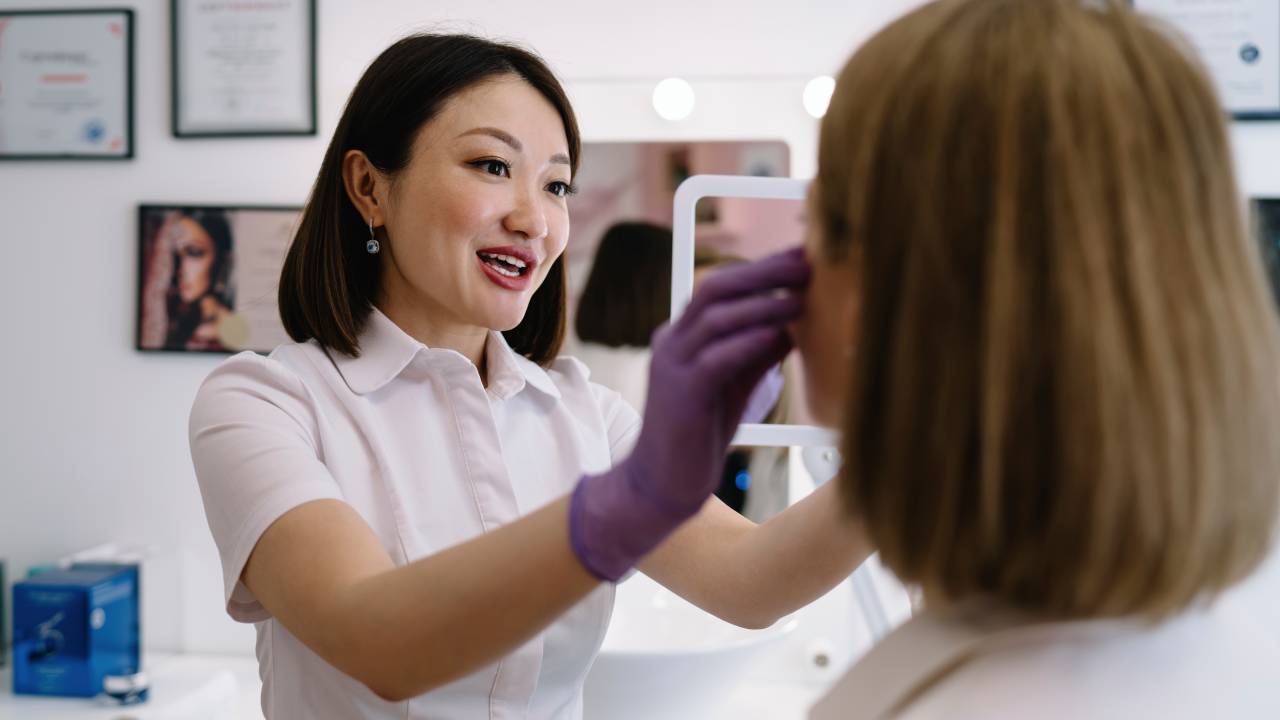
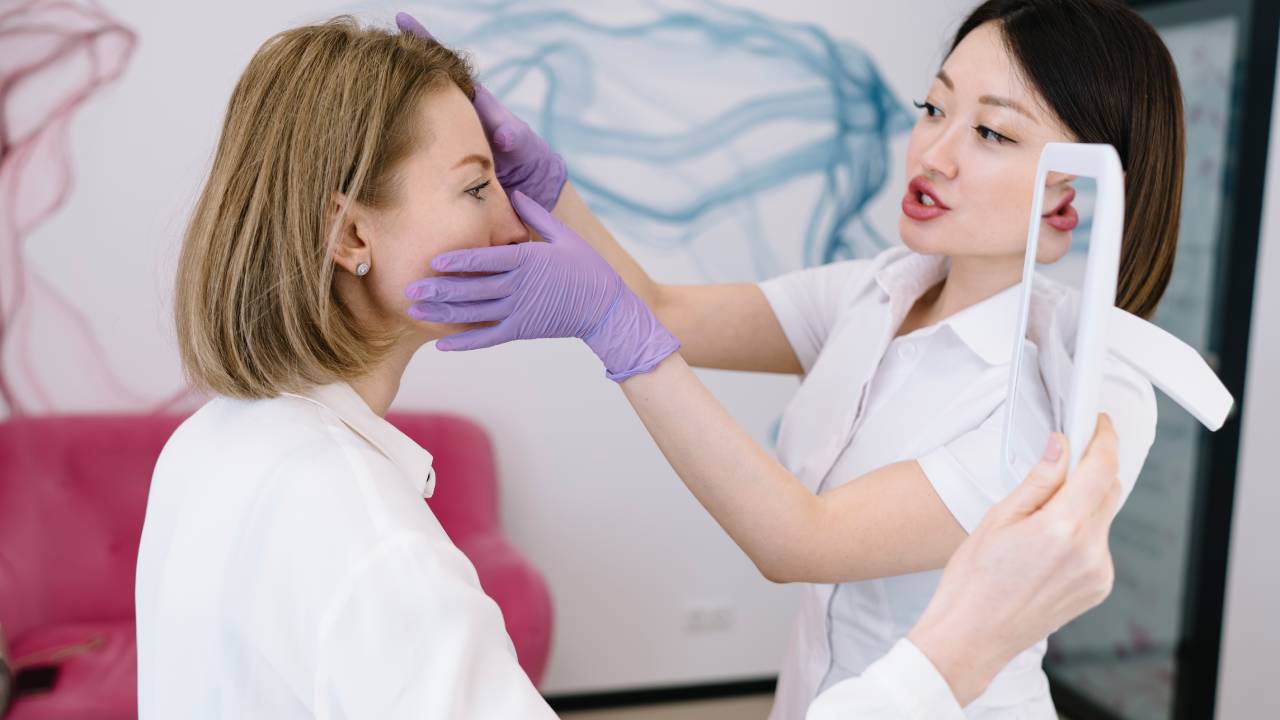
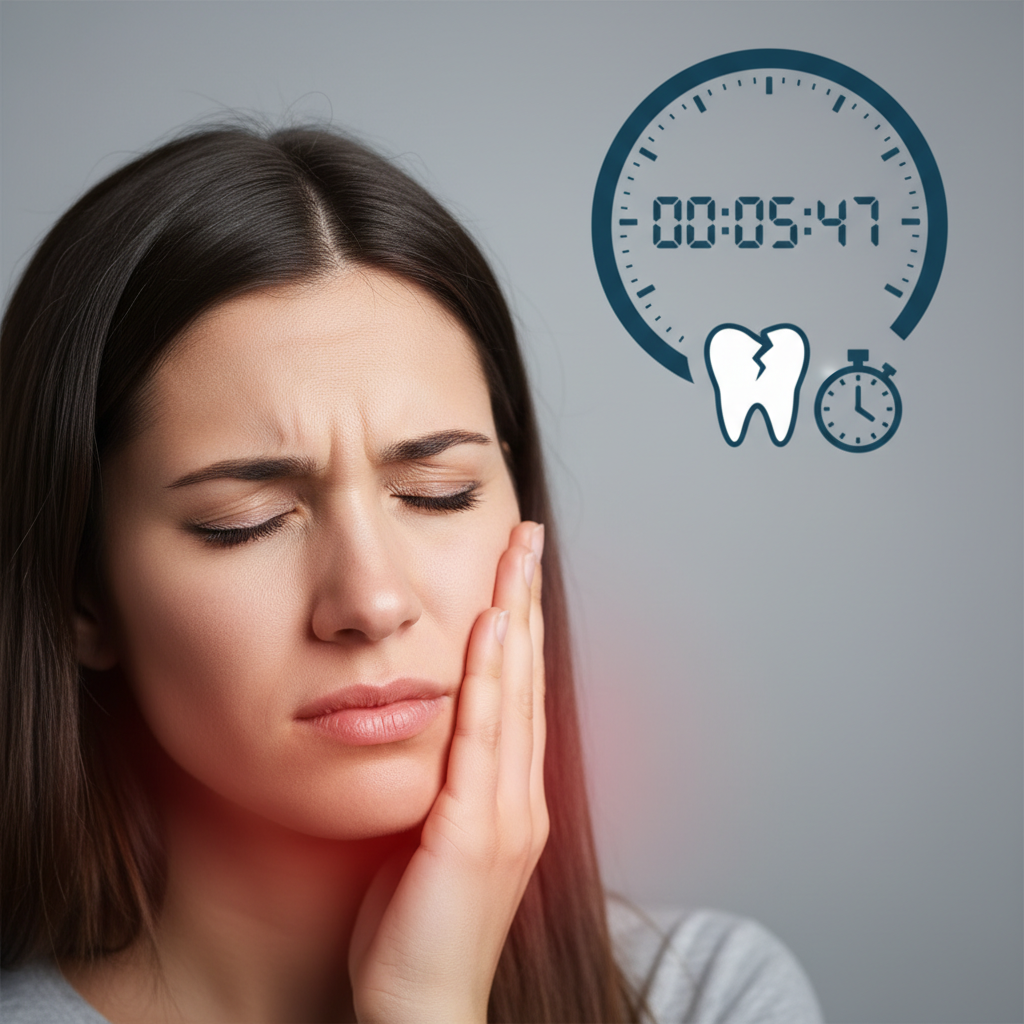
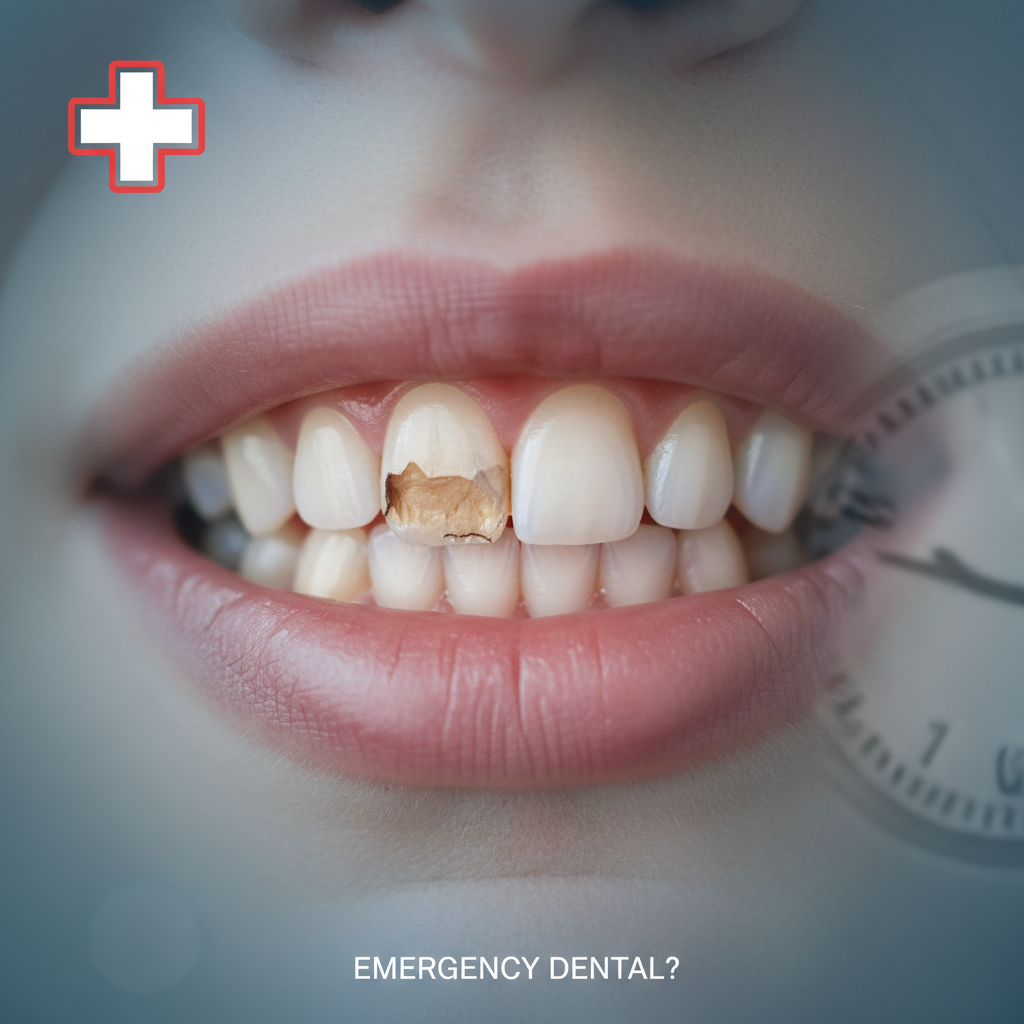
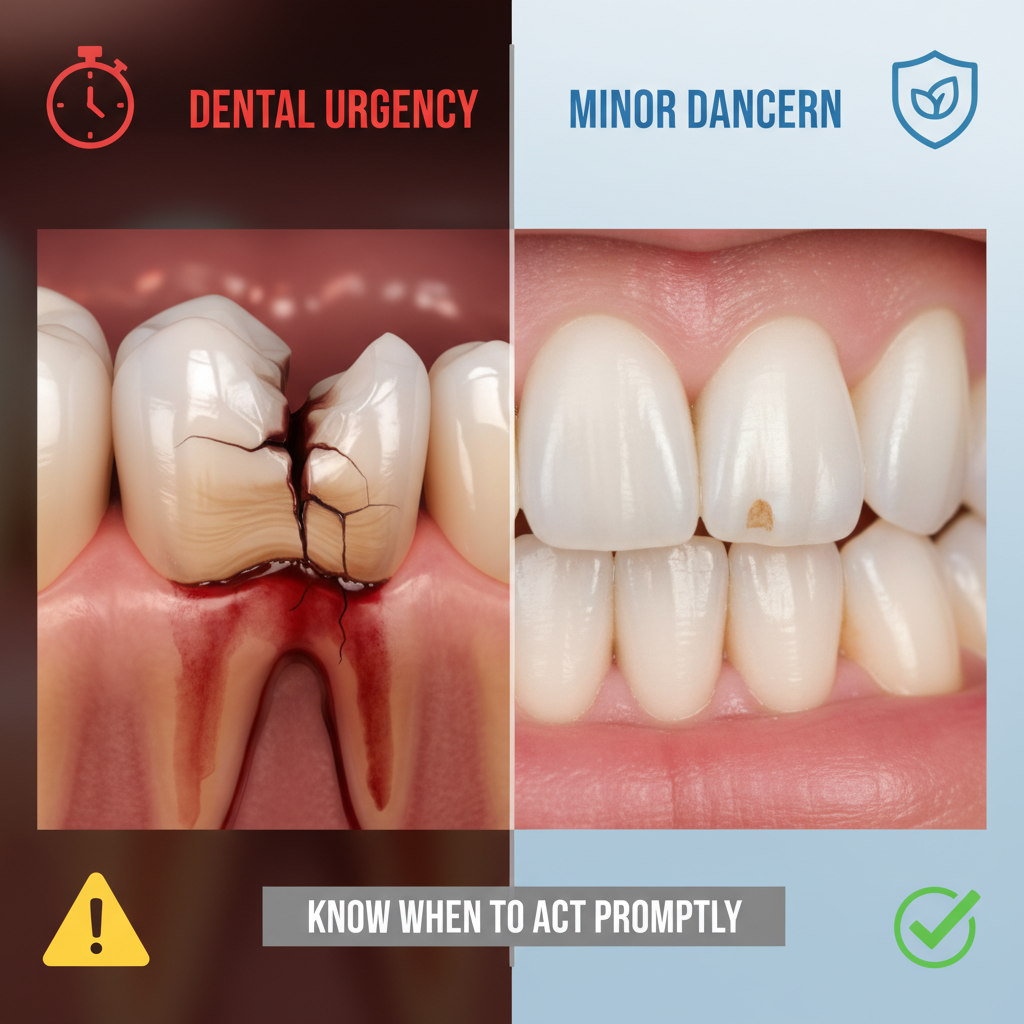
You’re facing a tooth splinting emergency when a tooth is loosened, partially displaced, or even completely out of its socket after trauma. In these urgent situations you need to stabilize the tooth quickly to prevent further damage, relieve pain, and preserve natural tooth function. Whether you’re in a dental office or handling an emergency outside the clinic, knowing the right steps will help you act with confidence and improve your chances of a successful outcome.
This guide walks you through understanding what a tooth splinting emergency involves, how to perform initial stabilization using the right materials and techniques, and what self-care and professional follow-up you need to ensure proper healing. You’ll learn when to use flexible or rigid splints, emergency alternatives when dental supplies are limited, and how to care for your splinted tooth afterward to avoid complications.
Understanding tooth splinting emergency
When your tooth is loosened or knocked out, splinting creates stability by bonding the injured tooth to neighboring stable teeth. This prevents excessive mobility, allows supporting tissues to heal, and often saves the tooth from extraction.
Definition and purpose of splinting
Tooth splinting is a minimally invasive procedure where a dentist bonds a thin wire, fiber ribbon, or composite resin to adjacent teeth to immobilize the injured tooth. The goal is to:
- Prevent further trauma to the periodontal ligament and surrounding bone
- Distribute chewing forces evenly
- Promote natural healing of periodontal tissues
Common emergency scenarios
You may need splinting after different types of dental trauma:
- Avulsion (complete displacement of a tooth out of its socket)
- Subluxation (tooth is loosened but remains in the socket)
- Luxation (tooth is displaced but not fully avulsed)
- Root fractures or alveolar bone fractures
Avulsion and replantation
If a permanent tooth is completely knocked out, handle it by the crown only. Rinse it gently with milk or saline, reposition it in the socket within 60 minutes if possible, and apply a semi-rigid splint. Semi-rigid splints, made of composite resin and orthodontic wire (0.015–0.5 mm), allow slight physiological movement that promotes periodontal healing and reduces ankylosis risk (NCBI).
Subluxation and luxation
For a tooth that is loose or displaced but still in place, splinting for 2 weeks helps stabilize it while ligament fibers repair (Emergency Medicine Cases).
Root and alveolar fractures
Fractures of the tooth root or the bony socket may require immediate repositioning and splinting under general anesthesia in some cases (Don’t Forget the Bubbles).
Benefits of immediate splinting
Stabilizing a loose or avulsed tooth right away can:
- Reduce pain and discomfort
- Lower the chance of infection or pulp necrosis
- Increase success rates of revascularization and periodontal healing
- Preserve natural tooth function and appearance
Preparing for emergency care
Before you begin splinting, gather what you can for a temporary fix. Quick preparation helps you act calmly and effectively.
Gathering temporary tools
If you’re outside a dental office, look for:
- Sterile gauze pads or clean cloth
- Skin glue or Steri-Strips for temporary splinting (Don’t Forget the Bubbles)
- Thin metal from an N95 mask nose bridge
- Soft toothbrush and mild mouth rinse
- Milk or saline solution for avulsed teeth
Handling the injured tooth
- Always hold an avulsed tooth by the crown, not the root, to protect periodontal ligament cells
- Rinse gently with milk or saline if contaminated, do not scrub or use soap
- Keep the tooth moist in milk, saline, or saliva if replantation is delayed
Choosing a splinting method
Decide between flexible and rigid splints based on the injury:
- Flexible (semi-rigid) splints: Allow slight movement, promote healing, ideal for most avulsions and subluxations (NCBI)
- Rigid splints: Use only when there is alveolar bone fracture or late replantation, risk of ankylosis is higher
Performing initial stabilization
Whether you’re in a dental clinic or emergency department, follow these steps for reliable splinting. ash kash nude
In a dental setting
Your dentist will typically:
- Assess the injury with X-rays to identify root or bone fractures (Pure Dentistry)
- Clean the area to reduce infection risk
- Select a splint type: wire and composite, fiber-reinforced composite, or periodontal paste
- Bond the splint material to adjacent teeth using curing light
Flexible vs rigid splints
| Splint type | Characteristics | Use case |
|---|---|---|
| Wire and composite | Discreet, durable, can last years with care | Long-term stabilization for periodontal disease |
| Fiber-reinforced composite | High success (84%+), aesthetic, biocompatible | esthetic zone, patient satisfaction |
| Rigid fixation | Immobilizes completely, risk of ankylosis | Bone plate fractures, delayed replantation |
Materials and techniques
- Composite resin and orthodontic wire (0.015–0.5 mm) or nylon monofilament
- Bonding agents and curing lights for secure adhesion
- Pain management and possible local anesthesia (often minimal)
In non-dental settings
When dental kits are unavailable:
ED alternatives with N95 mask
Use the metal nose bridge piece from an N95 mask, secure it with surgical skin glue to adjacent teeth for a temporary splint (Emergency Medicine Cases).
Steri-Strips and skin glue
Bond Steri-Strips or butterfly closures to neighboring teeth with skin glue. This holds the loose tooth in place until you reach a dentist.
Splinting steps summary
- Reposition or replant the tooth if applicable
- Choose splint material and method
- Clean and dry bonding surfaces
- Affix splint to injured and adjacent teeth
- Confirm stability, ensure patient comfort
- Provide post-splint care instructions
Managing after splinting
Proper care after splinting helps you avoid complications and supports healing.
Oral hygiene tips
- Brush gently with a soft toothbrush around the splinted area
- Avoid flossing near the splint unless directed by your dentist
- Use an antiseptic mouthwash or saltwater rinse to prevent plaque buildup, which can trap food and cause irritation [1]
Dietary recommendations
- Stick to soft foods like yogurt, mashed potatoes, and soups
- Avoid hard, crunchy, sticky, or chewy items that can dislodge the splint
- Cut food into small pieces and chew on the opposite side
Warning signs of complications
Watch for:
- Increased pain or swelling
- Persistent bleeding or pus around the splinted tooth
- Movement or loss of the splint material
- Unusual tastes or odors indicating infection
If you notice any of these signs, contact your dentist immediately.
Seeking professional follow-up
Even the best emergency splint is temporary. You still need a definitive assessment and care.
When to see a dentist
Schedule an appointment within 24 to 48 hours if you’ve applied a temporary splint. Seek immediate care for:
- Avulsed permanent teeth that were replanted
- Signs of infection or severe pain
- Fractures involving the bone or multiple teeth
Professional adjustments
Your dentist may:
- Replace a temporary splint with a more durable fiber or wire-composite splint
- Perform root canal therapy if pulp damage occurred
- Repair associated injuries with emergency dental bonding or temporary crown repair
Long-term care and monitoring
- Regular checkups every few weeks to assess healing
- Remove semi-rigid splints after 1–2 weeks for subluxations, up to 6–8 weeks for bone fractures (NCBI)
- Monitor for root resorption or ankylosis with periodic X-rays
Preventing future emergencies
Reducing risk of dental trauma can save you pain and emergency visits.
Protective gear and habits
- Wear a mouthguard during contact sports or high-risk activities
- Avoid opening bottles or packages with your teeth
- Seek prompt care for any small crack or chip with cracked tooth repair emergency
Regular dental checkups
- Maintain periodontal health to reduce tooth mobility
- Address minor chips or loose work early with repair loose dental work or repair chipped tooth urgent
- Strengthen enamel with fluoride treatments and sealants
Taking swift, informed action in a tooth splinting emergency can make all the difference for saving your natural tooth and ensuring a smooth recovery. By understanding the techniques, preparing the right materials, and following proper aftercare, you’ll face any dental trauma with confidence. For specialized support and permanent stabilization, consult a splint broken tooth dentist or explore our emergency dental stabilization services today.