Understanding extraction urgency
A severe toothache that won’t let up can signal a problem you can’t ignore. When you experience persistent pain, swelling, or a visible abscess, you might need an emergency extraction. Acting quickly can relieve your discomfort and prevent the infection from spreading to other parts of your body.
You may also face extraction if a tooth is badly damaged by trauma such as a sports injury or an accident. Advanced decay or a fractured root that reaches below the gum line can make saving the tooth impossible. Certain cases of orthodontic crowding or impacted wisdom teeth also require prompt removal.
Seeking an infected tooth extraction or severe tooth pain extraction without delay can protect your overall oral health.
Prompt action can prevent complications.
Signs of infection
If your gums are red, swollen or oozing pus, those are classic indicators that bacteria have gained a foothold. You might feel a constant throbbing or even experience a fever as your body tries to fight the infection. Ignoring these symptoms can allow the infection to spread to adjacent teeth or even into your jawbone.
Trauma and decay
A blow to the face can crack or shatter a tooth beyond repair, and deep cavities that weaken tooth structure often end in extraction. You might notice sharp pain when biting, or your tooth may split during a meal. In these cases you’ll need immediate care rather than waiting for a scheduled consultation.
Impacted wisdom teeth
When wisdom teeth don’t emerge properly they can remain trapped beneath your gum tissue or press against neighboring molars. This pressure can lead to intense pain, swelling and recurrent infections. An wisdom tooth extraction urgent walk-in service can get you out of pain before the problem worsens.
Exploring walk-in extractions
Many dental practices now offer walk-in extraction services so you don’t have to wait days for an appointment. Whether you need emergency tooth removal or simply want to avoid scheduling hassles, walk-in clinics can help. You can find a local walk in tooth extraction provider and go straight in for evaluation.
These clinics often prioritize cases like ongoing pain, visible damage and spreading infections. You may not need a formal tooth extraction appointment today to get relief. Many facilities advertise evening hours or weekend availability for urgent dental surgery when routine offices are closed.
Other walk-in options
Beyond corporate chains and university clinics you can locate private general dentists who accept walk-in patients for painful tooth extraction dentist needs. Local community health centers sometimes reserve spots for emergency visits. You can also seek a walk in dentist for tooth removal at urgent care clinics that partner with on-call oral surgeons.
Navigating same-day procedures
When you walk in for extraction you will go through a streamlined process designed to relieve pain quickly. Clinics follow a standard protocol to assess, plan, and perform either a simple or surgical extraction on the same day you arrive.
The initial evaluation
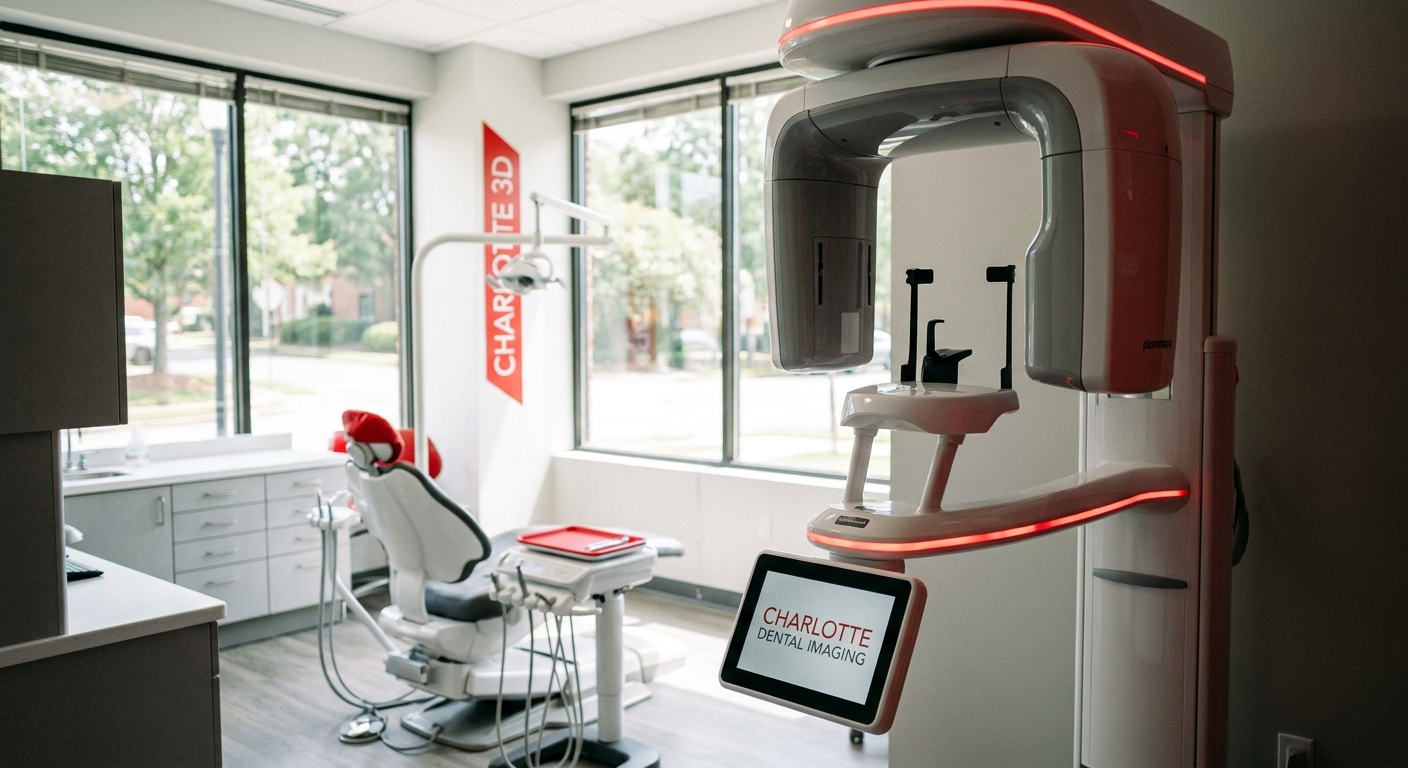
Your visit begins with a medical history review and a brief physical exam to ensure you can safely undergo the procedure. If necessary, staff will take digital X-rays to determine the tooth’s position and relation to nerves. This step is critical for both simple and more complex extractions to avoid complications and plan anesthesia.
Simple extraction
If your tooth is fully visible above the gum line, a simple extraction may be performed using forceps alone. After numbing the area with a local anesthetic, the dentist will loosen the tooth and remove it in one piece. The procedure usually takes under 20 minutes, and recovery is straightforward with minimal bleeding.
Surgical extraction
Surgical removal is required when a tooth is impacted, broken at the gum line, or wedged against adjacent teeth. Your dentist or oral surgeon will make a small incision in the gum tissue, sometimes remove bone, and extract the tooth in sections. You may receive a stronger local anesthetic or intravenous sedation to keep you comfortable. Sutures are often placed to speed healing and minimize post-operative bleeding. For these cases you’ll want a provider offering same day surgical extraction and expertise in same day tooth extraction.
Managing pain and aftercare
Your tooth may feel sore for a few days after extraction, but effective care can keep you comfortable and promote rapid healing. In most cases swelling peaks 24 to 48 hours after the procedure then subsides. To support recovery follow these key steps:
- Rest and avoid strenuous activity for at least 24 hours
- Apply an ice pack to your cheek in 10-minute intervals
- Take over-the-counter or prescribed pain medication as directed
- Stick to a soft diet like yogurt, soup, and smoothies
Avoiding straws, spitting or smoking helps prevent a dry socket—a painful complication where the blood clot dislodges. Keep your head elevated on pillows when lying down. If you experience severe pain, fever, or heavy bleeding beyond 12 hours, contact your dentist immediately.
Choosing the right provider
When you need urgent extraction you want a dentist or oral surgeon who can meet your schedule, your level of pain, and your budget. Evaluate providers based on credentials, patient reviews, and the complexity of services offered.
Consider these factors:
- Office hours and availability, including tooth extraction open weekends or nights
- Whether you prefer a general dentist tooth extraction or a specialist via walk in oral surgery dentist
- Location convenience and aftercare support
- Flexibility of payment options and insurance acceptance
Choosing the right provider can make all the difference. A well-equipped clinic with extended hours, on-site imaging and a track record of same-visit service will help you regain comfort and prevent further complications.