When you search for “stabilize broken tooth dentist,” you’re looking for immediate professional help to secure your damaged tooth. Visiting your dentist promptly can prevent further harm, reduce pain, and protect against infection. In this guide, you’ll discover why a dentist is your best resource for tooth stabilization, what techniques are available, and how to prepare for and follow up on emergency dental care.
Recognize broken tooth signs
Knowing how to identify a broken tooth helps you act fast. Common indicators include:
- Sharp pain when biting or chewing
- Visible cracks, chips, or jagged edges
- Sensitivity to hot, cold, or sweet foods
- Swelling or bleeding of gums around the damaged area
- A loose or partially displaced tooth
Even hairline cracks can worsen without treatment. A cracked tooth won’t heal on its own, and delaying care increases the risk of infection spreading to the pulp, jawbone, or facial tissues [1].
Know stabilization benefits
Choosing professional stabilization offers clear advantages over home remedies:
- Prevents infection by sealing exposed dentin and pulp
- Preserves natural tooth structure and appearance
- Reduces pain and sensitivity quickly
- Avoids more invasive procedures like extraction
- Provides a treatment plan tailored to your needs
Home measures like covering sharp edges with sugar-free gum or wax are only temporary. Only a dentist can evaluate internal damage and apply lasting solutions.
Explore stabilization techniques
Dentists offer a range of options depending on the severity and location of your break. Below is a summary:
| Technique | Typical use | Time per visit | Longevity |
|---|---|---|---|
| Emergency dental bonding | Small chips, minor fractures | < 1 hour | 5–10 years |
| Dental fillings | Cracks due to cavities | < 1 hour | 5–10 years |
| Temporary crown placement | Moderate breaks, dentin exposure | Same day | Until final crown |
| Dental crowns | Large breaks, extensive decay | 1–2 visits | 10–15 years |
| Root canal and crown | Pulp infection or exposure | Multiple visits | 10–15 years |
| Tooth splinting | Loose or mobile teeth | 1 visit | Weeks to years |
| Dental veneers and implants | Front-teeth aesthetic or replacement | 1–3 visits | 10 years+ |
Emergency dental bonding
Dental bonding uses composite resin to rebuild small chips or cracks. After gently etching the tooth surface, your dentist applies resin, shapes it, and cures it with a blue light. This quick, painless procedure restores function and appearance in under an hour [2]. Emergency dental bonding is ideal when you need a fast fix with minimal invasion and cost.
Dental fillings
When cracks result from decay, a filling can stabilize the tooth by removing damaged tissue and restoring shape. Composite or amalgam materials seal the crack and prevent bacteria entry. Many fillings are completed in a single visit with local anesthesia for comfort.
Temporary crown placement
Moderate breaks that affect the dentin often require a temporary crown to protect the tooth until a permanent cap is ready. With same-day crown technology, some offices can design and place a temporary crown in a few hours using CAD/CAM systems [3]. For a longer-term provisional solution, explore temporary crown repair.
Dental crowns
For large breaks or decay, a crown covers the entire visible portion of the tooth. After shaping the remaining structure, your dentist makes an impression or scans your mouth. A lab-fabricated crown—metal, porcelain, or ceramic—is then bonded to restore strength and appearance.
Root canal and crown
When a break exposes or infects the dental pulp, a root canal removes diseased tissue and disinfects the canals. Your dentist then places a crown to stabilize and protect the tooth from further damage [2].
Tooth splinting
If your tooth is loose from trauma or gum disease, splinting bonds it to adjacent teeth using wire, fiber, or composite resin. This discreet, painless procedure encourages healing and stability. For urgent care, ask about tooth splinting emergency or splint broken tooth dentist.
Dental veneers and implants
Front-teeth fractures may require veneers—thin porcelain or resin shells bonded to the tooth front—to restore aesthetics. In cases where a tooth can’t be saved, an implant fixture in the jawbone supports a crown, maintaining function and appearance.
Expect your dental visit
When you arrive, your dentist follows a clear process:
Initial assessment
Your dentist examines the damage, checks for loose fragments, and evaluates surrounding tissues. You’ll describe symptoms like pain level, sensitivity, and any trauma history.
Diagnostic imaging
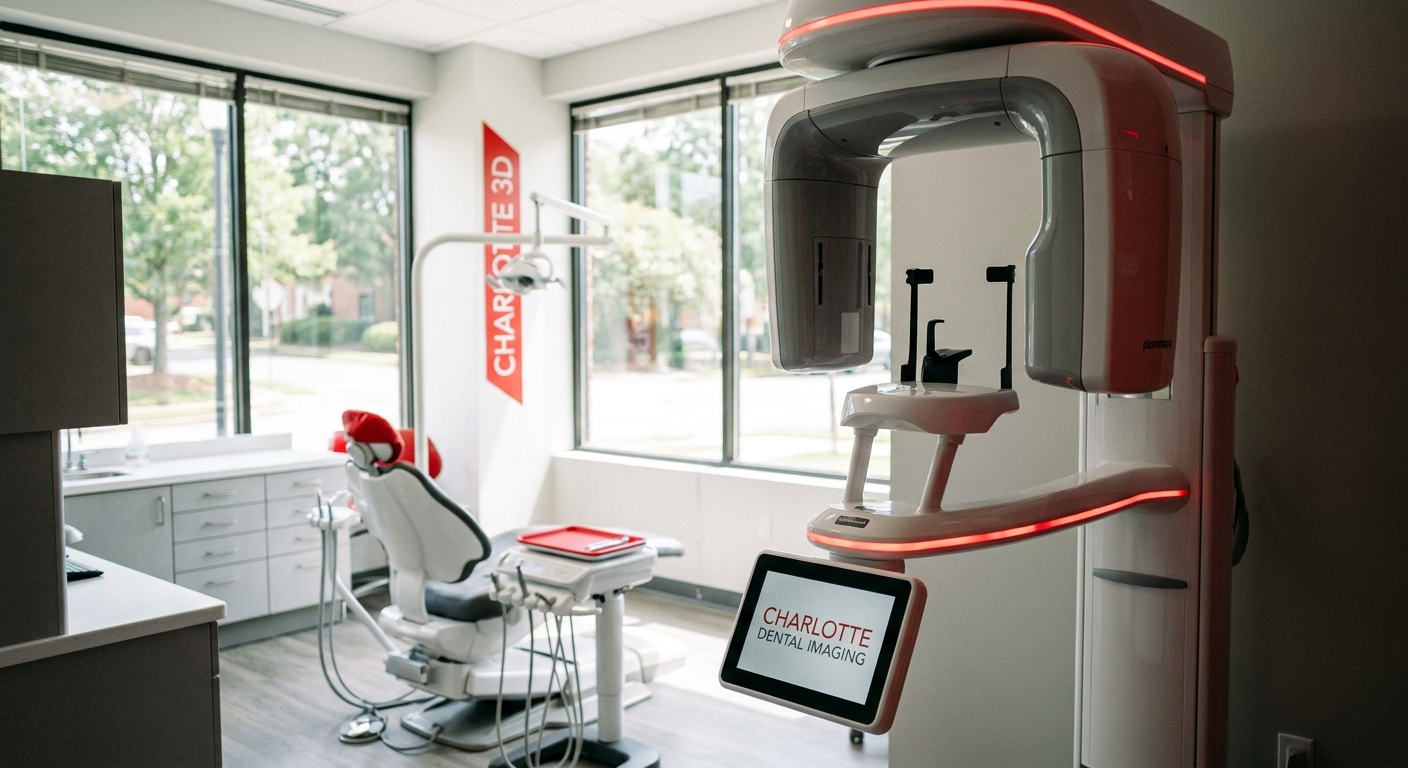
Dental X-rays or 3D scans reveal fracture depth and root involvement. This step ensures your dentist chooses the safest, most effective stabilization method.
Treatment planning
Based on findings, your dentist explains options, timeframes, and costs. You’ll receive a tailored plan—ranging from a quick bond to a multi-stage root canal and crown—to stabilize and restore your tooth.
Plan aftercare and recovery
Proper care extends the life of your repair and promotes healing.
Pain management
Over-the-counter ibuprofen or acetaminophen relieves discomfort. Your dentist may prescribe stronger pain relief or antibiotics if there’s infection risk.
Oral hygiene practices
Brush gently around the treated tooth, floss carefully with special tools if needed, and use a chlorhexidine rinse if recommended. Good hygiene prevents plaque buildup around crowns or splints [4].
Diet adjustments
Stick to soft foods for at least 24–48 hours. Avoid hard, sticky, or chewy items that could dislodge repairs.
Follow-up appointments
Attend all scheduled visits. Your dentist will check the integrity of a splint, adjust a crown, or monitor root canal healing to ensure long-term success.
When to seek urgent care
Some situations require immediate attention:
- Avulsed (knocked-out) permanent tooth—attempt reimplantation within 30 minutes and rinse with saline before seeing your dentist [5]
- Severe pain, swelling, or fever suggesting infection
- Sharp tooth fragments cutting your tongue or cheek
- Rapid tooth mobility or deep vertical fractures
In these cases, contact an emergency dental clinic or your dentist’s on-call service. You may need urgent splinting or temporary stabilization to protect your oral health.
Summary and next steps
Visiting a dentist to stabilize a broken tooth is the most reliable way to secure your dental health. Professional evaluation, precise diagnosis, and targeted treatments like bonding, crowns, or splinting ensure lasting results. If you’ve experienced a crack, chip, or displacement, don’t wait—schedule an appointment to restore function, alleviate pain, and preserve your smile. For more specialized services, explore emergency tooth restoration and repair fractured tooth charlotte. Your dentist is ready to guide you through every step of recovery.