As soon as you notice a crack, looseness or partial displacement in your tooth, you need to contact a splint broken tooth dentist right away. Stabilizing a broken tooth helps prevent further damage, reduces discomfort and gives you the best chance of saving your natural tooth. In this article you’ll learn how tooth splints work, what to expect during application, how to care for a splinted tooth and how to choose the right provider for emergency repair and restoration.
Recognize trauma signs
If you’ve suffered a blow to the face or bitten down hard on something, it’s important to spot warning signs early so you can seek help from a specialist in tooth splinting emergency or a loose tooth stabilization dentist. Common symptoms include:
- Visible cracks or chips in enamel
- Excessive mobility—your tooth feels wobbly when you touch it
- Partial displacement—your tooth looks pushed forward, backward or to the side
- Pain when biting or chewing
- Sensitivity to hot, cold or sweet foods
If your tooth shifted or fractured after an impact, you may need repair tooth after impact services. Delaying treatment can allow bacteria to invade tiny fractures, leading to infection or root damage.
Understand splinting options
A tooth splint is a dental device that stabilizes loose or injured teeth by bonding thin materials—wire, fiber ribbon or composite resin—to the teeth, linking them to stronger neighbors for support and healing [1]. Dentists recommend splints in situations such as periodontal trauma, root fractures and post-surgical stabilization.
| Splint type | Material | Duration | Key benefit |
|---|---|---|---|
| Temporary splint | Wire, fiber ribbon or tooth-colored resin | 1–2 weeks | Minimally invasive, discreet and reversible [1] |
| Semi-rigid splint | Composite resin + orthodontic wire/nylon | 7–14 days | Allows slight movement to promote natural healing, reduces ankylosis risk [2] |
| Rigid splint | Composite resin + rigid wire (0.9 mm) | 4–8 weeks | Used when bone fracture is present or late replantation, maintains alveolar bone [2] |
Your dentist may perform an emergency dental stabilization procedure to bond the splint discreetly behind your teeth. Choosing the right splint type depends on the nature of your injury, whether there’s a root fracture and how quickly you received treatment.
Splint application process
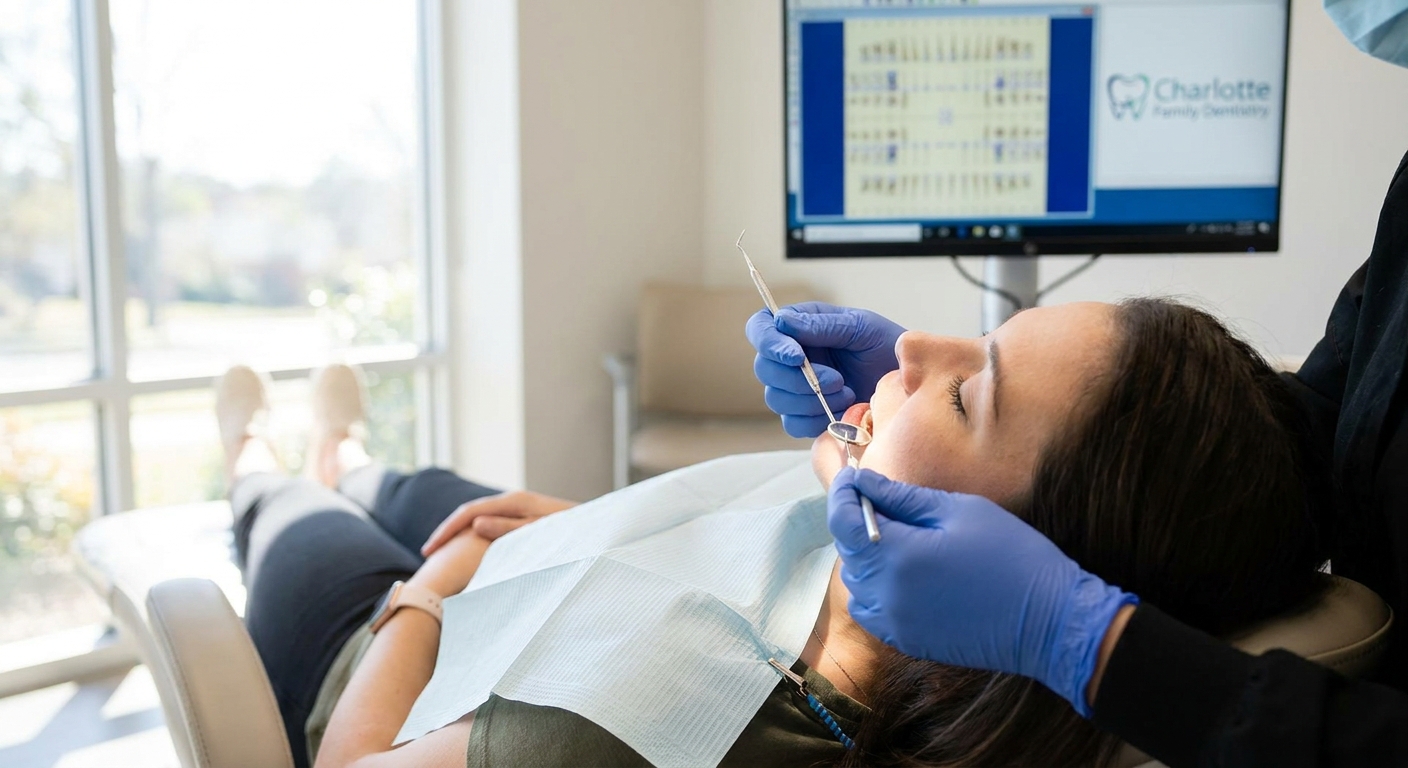
When you arrive at the clinic your dentist will review your injury, take X-rays and discuss whether splinting is the best option. The procedure generally follows these steps:
- Clean and dry the teeth around the injury site, often using compressed air or alcohol swabs
- Etch the enamel surface lightly to improve bonding
- Position the chosen splint material—wire, fiber or resin—against the injured and adjacent teeth
- Apply composite resin to secure the material, then cure with a special light
- Trim and polish excess resin to ensure a comfortable bite
The entire process is typically painless and similar to getting a filling. You’ll leave with immediate stability, allowing you to eat and speak more comfortably. If your splint loosens or detaches, seek help for repair loose dental work right away to avoid renewed movement.
Aftercare and follow-up
Proper aftercare helps your tooth heal and reduces complications:
Dietary recommendations
- Stick to soft, non-chewy foods—yogurt, mashed potatoes, smoothies
- Avoid biting directly on the splinted tooth
- Skip hard, crunchy items like nuts, chips or ice
Oral hygiene tips
- Brush gently with a soft-bristled toothbrush
- Rinse twice daily with an antiseptic mouthwash or chlorhexidine rinse [3]
- Floss carefully around the splint to remove trapped debris
Monitoring recovery
Watch for signs that require prompt re-evaluation:
- Increased tooth mobility or pain
- Swelling, redness or unusual discharge at the gum line
- Tooth discoloration, which may indicate nerve damage
Your dentist will schedule a follow-up exam—usually 1 to 2 weeks after splint placement—to assess stability and decide when to remove the splint. In cases of root trauma, a root canal may follow splint removal to prevent infection [4].
Choose your dentist
Selecting an experienced splint broken tooth dentist near you ensures you receive timely, evidence-based care. Look for:
Experience and credentials
- Board-certified or credentialed in emergency and restorative dentistry
- Track record of successful trauma cases and patient testimonials
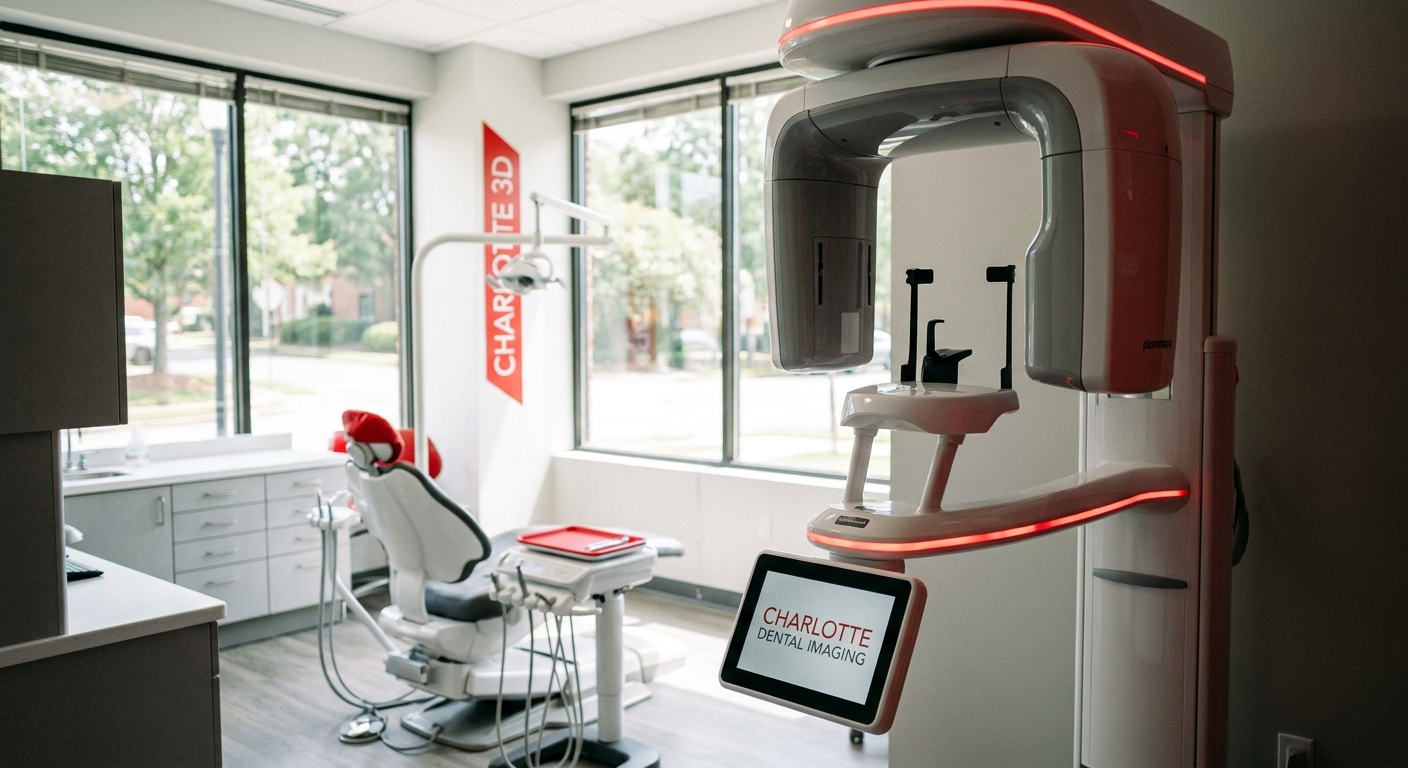
- Access to advanced imaging (digital X-ray, CBCT) for accurate diagnosis
Clinic capabilities
- 24/7 emergency-reserve repair clinic availability
- On-site lab or partnerships for same-day splints and repairs
- Multidisciplinary team including endodontists and periodontists
When you call to schedule, ask whether they offer trauma dental repair services and can stabilize your tooth immediately. If they specialize in stabilize broken tooth dentist procedures, you’ll benefit from tailored treatment plans that address both your immediate needs and long-term oral health.
Explore alternative fixes
In some cases splinting isn’t sufficient or possible. Your dentist may recommend one of these emergency solutions:
Emergency dental bonding
A tooth-colored resin is applied to fill chips or cover cracks, restoring shape and function in a single visit. Bonding suits minor fractures and can be completed alongside splint placement for added support.
Temporary crown repair
If your tooth’s structure is severely compromised, a prefabricated or lab-fabricated temporary crown protects the tooth while a permanent restoration is made. This prevents further breakage and preserves alignment until your follow-up appointment.
For more extensive damage, full emergency crown replacement or emergency tooth restoration such as onlays, veneers or implants may be necessary. Your dentist will guide you to the option that balances speed, durability and cost.
Your prompt action and proper care after a dental injury make all the difference. By recognizing trauma signs early, understanding splinting options, following aftercare instructions and choosing the right provider, you’ll protect your smile and support long-term healing. If you ever face a cracked, loosened or displaced tooth, reach out to a qualified splint broken tooth dentist near you without delay.