Understanding a sedated tooth extraction emergency
Facing a sedated tooth extraction emergency can feel overwhelming, especially if you are in significant pain or managing care for a child, a senior family member, or someone with high dental anxiety. Knowing what is happening and what to do next helps you stay calm and protect long‑term oral health.
An emergency tooth extraction is the urgent removal of a tooth to stop pain, control infection, or prevent more serious complications [1]. When you add sedation, your dental team uses medication to help you or your child relax while the tooth is removed. Sedation is often recommended if you are extremely anxious, have special health needs, or require complex work in a single visit [2].
In many cases, sedation-supported care lets your dentist control pain more effectively, work with greater precision, and complete treatment faster so you spend less time in distress [3].
If you already know you or your child struggle with fear in urgent situations, you can explore options like sedation emergency dental care or sedation for anxious emergency patients before a crisis happens. Having a plan in place can make a stressful situation far more manageable.
Recognizing when you need urgent sedated extraction
Not every toothache is an emergency, but some warning signs mean you should call an emergency dentist right away and ask if a sedated tooth extraction is appropriate.
Symptoms that signal true emergency
You should seek urgent care if you notice any of the following:
- Severe tooth pain that does not improve with over‑the‑counter pain medicine, especially if it keeps you from sleeping or eating [1]
- Swelling in your face, cheek, jaw, or under the tongue
- A visible abscess, pimple, or pus near a tooth
- Fever, feeling very unwell, or chills along with dental pain
- Difficulty opening your mouth, swallowing, or breathing normally, which can be a sign of a dangerous spreading infection such as Ludwig’s angina [1]
- Trauma to the mouth from a fall, sports injury, or accident that results in a broken, displaced, or non‑restorable tooth [4]
If these symptoms are present along with intense anxiety, a low pain threshold, or complex dental needs, a sedated tooth extraction emergency approach can help you receive the care you need safely and comfortably.
Special situations: children, seniors, and cosmetic concerns
Children and older adults often have additional needs in an emergency.
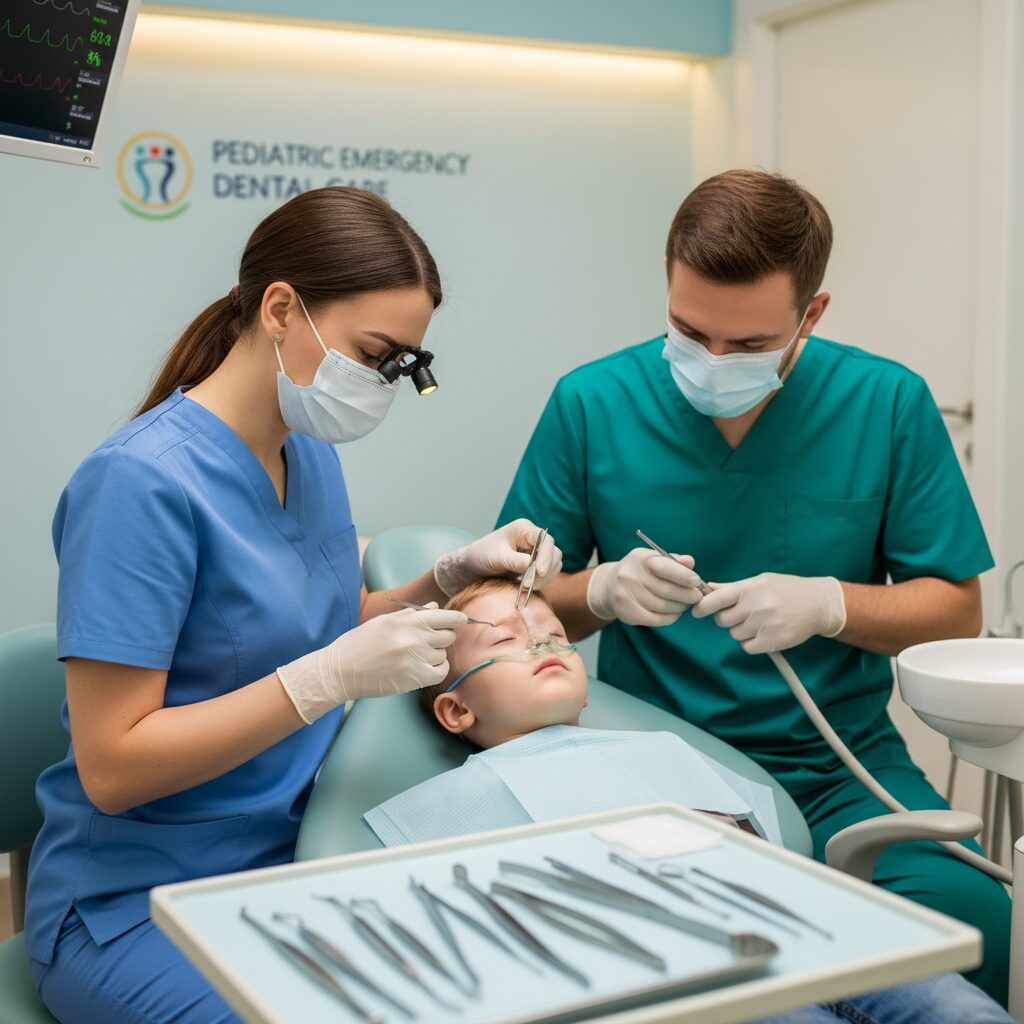
If you are managing a child tooth trauma emergency or need emergency care for children’s teeth, sedation can help a frightened child stay still and relaxed so the dentist can act quickly and safely. A child-friendly emergency dentist or pediatric emergency dentist charlotte will be skilled at explaining what is happening in age‑appropriate language.
Seniors may have fragile health, complex medication lists, or mobility limitations. In these cases, carefully planned emergency dental for seniors with sedation can make what would otherwise be an overwhelming experience far more tolerable.
If trauma has also damaged veneers, crowns, implants, or other cosmetic work, your team may combine urgent extraction with emergency cosmetic dental repair, such as emergency veneer repair, emergency crown for cosmetic need, or emergency implant support. Sedation can make it easier to complete more of this restorative work in a single visit.
Knowing your sedation options in an emergency
Understanding the main types of sedation used in urgent tooth extractions helps you ask informed questions and choose an approach that fits your needs.
Dentists usually combine local anesthetic to numb the tooth with one of several sedation techniques. The three most common in emergencies are [5]:
| Sedation type | How it is given | Typical use in emergencies |
|---|---|---|
| Nitrous oxide | Gas inhaled through a small nose mask | Mild anxiety, shorter or simpler extractions, older children who can follow instructions |
| Oral conscious sedation | Prescription pill taken before the visit | Moderate anxiety, longer or more complex procedures, adults and some older teens |
| IV sedation | Sedative delivered through a vein in your arm | High anxiety, multiple extractions, combined procedures, medically complex cases |
Sedation combined with local anesthesia blocks sharp pain during an emergency tooth extraction. You may still feel pressure or movement, but most people report much lower pain and trauma levels compared to treatment without sedation [5].
Sedation also helps you stay calmer and more cooperative, which can shorten appointment times and reduce how many visits you need to resolve the emergency [6].
Preparing safely before your sedated emergency visit
In a true sedated tooth extraction emergency, you will not have days to plan. However, there are still key steps you can take between the time you call the office and the time you arrive.
Share full medical information
A safe sedation plan depends on your dental team understanding your overall health. During your pre‑sedation assessment, be prepared to share [7]:
- All prescription and over‑the‑counter medications, vitamins, and supplements
- Any history of heart, lung, kidney, or liver disease
- Conditions such as sleep apnea, high blood pressure, diabetes, seizures, or obesity
- Allergies to medications, latex, or previous anesthesia problems
- Whether you smoke, vape, or drink alcohol regularly
These details help your dentist and anesthesiologist minimize the risk of breathing problems, blood pressure changes, or other side effects during sedation.
Follow eating, drinking, and medication instructions
Your dentist will give you specific directions about when to stop eating and drinking and which medications to take or temporarily pause before sedation. Following these guidelines is essential to reduce side effects and protect your airway while you are sedated [8].
In general, you should:
- Arrange for a responsible adult to drive you to and from the appointment
- Plan to avoid driving, operating machinery, or making important decisions for several hours after the procedure [5]
- Wear comfortable clothing with short sleeves if IV sedation is likely
If you are caring for a child, bring comfort items such as a favorite blanket or stuffed animal and any medical documentation related to special needs or medications.
What to expect during a sedated tooth extraction emergency
Knowing what will happen during the appointment can help you feel more in control, even when you are in pain.
Step 1: Assessment and imaging
When you arrive, your emergency dentist will evaluate your tooth and surrounding tissues. This often includes:
- Reviewing medical history and current symptoms
- Taking digital X‑rays to assess roots, bone, and any infection
- Checking for signs of abscess, fracture, or trauma from impact
If you also have broken veneers, crowns, or orthodontic appliances, your team may coordinate emergency orthodontic repair, cosmetic repair after break, or esthetic fix emergency dentistry as part of the same visit or shortly afterward.
Step 2: Sedation and numbing
Your dentist or anesthesiologist will start your chosen form of sedation and then numb the area around the tooth with local anesthetic. Adverse reactions to local anesthetics are relatively rare, but they are monitored carefully because they represent a notable portion of reported complications in dental anesthesia [9].
You will be monitored throughout the procedure. A trained team tracks your breathing, heart rate, and blood pressure to keep you safe [6].
Step 3: Extraction and immediate care
For a single tooth, the actual extraction usually takes between 30 and 60 minutes. Complex cases or multiple extractions can take longer [4].
Once the tooth is removed, your dentist will:
- Clean the area to reduce bacterial load
- Place stitches if needed
- Apply gauze and instruct you on how to maintain pressure to control bleeding
In many emergencies, especially when trauma has also damaged nearby teeth, you may begin planning accelerated repair after trauma before you leave.
Managing the first 24–72 hours after extraction
Recovery from a sedated tooth extraction emergency usually allows you to return to routine activities within 48 to 72 hours, although your jawbone can take several weeks to fully heal [4]. How well you care for the area in the first few days has a major impact on healing and comfort.
Controlling pain, swelling, and bleeding
You will receive detailed post‑operative instructions, which you should follow closely. In general, you can expect to:
- Bite gently on clean gauze as directed to help form a clot and control bleeding
- Use prescribed or recommended pain medicine as directed, not waiting until pain is severe
- Apply cold packs externally for short intervals to help limit swelling
Post‑extraction bleeding that continues beyond 8 to 12 hours, or restarts heavily after slowing, is a concern. Persistent bleeding after a sedated extraction is a reason to contact your dental team promptly so they can decide whether you need additional local measures, such as suturing or special dressings to support clotting [10].
Watching for infection and other complications
Some soreness and swelling for a few days is normal, but you should keep a close eye on symptoms. Infections after oral surgery often show up around days 3 to 4 [11]. Call your dentist if you notice:
- Worsening swelling after the third day instead of gradual improvement
- Fever above 101°F, new chills, or feeling markedly worse
- Foul odor, bad taste, or unusual discharge from the extraction site
- Pain that suddenly worsens after starting to improve
These may be signs of infection or another complication that needs prompt treatment.
You should seek emergency medical care immediately if you experience:
- Uncontrolled bleeding even after biting on fresh gauze with firm pressure
- Difficulty breathing, swallowing, or severe facial swelling
- Signs of a severe allergic reaction, such as hives, swelling of the lips or tongue, or sudden dizziness
Severe complications like these require rapid attention and may mean going to the nearest emergency room for life‑saving care [12].
Understanding sedation side effects and how to handle them
Most people experience only mild, short‑lived side effects after sedation. Being prepared helps you manage them safely at home.
Immediately after sedated extraction, you or your child may notice [8]:
- Drowsiness, grogginess, or confusion
- Nausea or occasional vomiting
- Dry mouth or sore throat
- Chills, shivering, or mild muscle aches
- Dizziness or trouble with balance
These usually improve within minutes to a few days. Rest, hydration, and avoiding quick position changes reduce discomfort. Older adults are more likely to experience prolonged confusion or slower cognitive recovery, so additional supervision and caution are important [8].
If you or a family member has complex medical conditions such as sleep apnea, heart disease, lung disease, significant obesity, or a history of anesthesia problems, your dentist will work closely with your medical team to tailor the sedation plan and recovery monitoring [8].
If side effects feel more than mild, last longer than expected, or simply do not seem right, call the office. Most dental practices that provide sedated emergency care charlotte or similar services in other locations have after‑hours contact options so you can reach a clinician quickly [11].
Making the most of follow‑up visits
Follow‑up appointments are a critical part of managing a sedated tooth extraction emergency, especially if you have ongoing cosmetic, pediatric, or complex restorative needs.
Checking healing and adjusting your plan
During follow‑up, your dentist will:
- Examine the extraction site to confirm proper healing and check for dry socket or infection
- Assess swelling, tenderness, and bite alignment
- Review how you tolerated sedation and adjust future plans if you had significant side effects [13]
These visits are also the ideal time to discuss long‑term options such as emergency implant repair services if an existing implant was affected, or esthetic emergency dental care to restore your smile after trauma.
Planning cosmetic and functional restoration
If you needed extraction because of an accident or sports injury, you may also need emergency implant support, accelerated repair after trauma, or emergency crown for cosmetic need. Your follow‑up visits will focus on:
- Protecting nearby teeth and gums
- Rebuilding your bite and chewing function
- Restoring appearance with crowns, veneers, or implants
Working with a team that understands both urgent care and aesthetics, similar to practices offering esthetic fix emergency dentistry, helps you move from crisis management to confident long‑term results.
Strengthening communication with your dental team
Regular follow‑ups after sedation are not just about checking a wound. They are a chance to:
- Ask questions about anything that worried you after the procedure
- Update your medical and medication history
- Receive personalized preventive tips to reduce the risk of future emergencies [13]
This ongoing dialogue builds trust, which is especially important if you or your child struggles with dental anxiety. Over time, that trust makes any future urgent visits smoother and less stressful.
If anything feels off in the first few weeks after a sedated extraction, even if it seems minor, it is better to reach out and be reassured than to wait and risk a preventable complication [11].
Putting it all together during a sedated tooth extraction emergency
When you are in the middle of a sedated tooth extraction emergency, it can be hard to think clearly. Focusing on a few priorities helps you protect your health and your smile:
- Recognize true emergency signs, such as severe pain, swelling, fever, or trouble swallowing
- Tell your dental team about your medical history, medications, and anxiety level so they can choose the safest sedation option
- Follow pre‑sedation and post‑extraction instructions as closely as possible
- Watch for signs of infection, uncontrolled bleeding, or breathing difficulty and seek help quickly if they appear
- Use follow‑up visits to plan cosmetic repair, implants, or orthodontic adjustments and to refine your future sedation plan
If you also need support with pediatric trauma, look for a pediatric trauma dental clinic or a provider that offers integrated services for children, anxious adults, seniors, and patients needing cosmetic or implant repair. With the right team and a clear plan, you can move from emergency to recovery with confidence.
References
- (Norwood Dental)
- (Cleveland Clinic, DeVaney Dentistry)
- (DeVaney Dentistry, Charlotte Emergency Dental)
- (Cleveland Clinic)
- (Charlotte Emergency Dental)
- (DeVaney Dentistry)
- (Charlotte Emergency Dental, Dental Sedation Services)
- (Dental Sedation Services)
- (PMC – NCBI)
- (OSSIM Docs, Cochrane Oral Health)
- (OSSIM Docs)
- (OSSIM Docs, PMC – NCBI)
- (600 Tecumseh Dental)