Understanding same day extraction
Definition and benefits
When you have a tooth that is causing intense pain or is severely damaged, a same day tooth extraction can provide urgent relief. With a same day surgical extraction, you can walk into a clinic and have the problem tooth removed in a single appointment, preventing further infection or discomfort. This approach is ideal if you cannot wait weeks for a traditional extraction appointment. By eliminating both the damaged tooth and your pain in one visit, you can return to your normal routine much faster.
Opting for same day extraction lets you avoid prolonged discomfort and reduces the risk of infection spreading to surrounding teeth and gums. Clinics that perform these procedures often use advanced imaging and sedation techniques to ensure accuracy and comfort. If you are a candidate for immediate implant placement, you may even leave with a temporary crown, maintaining your smile and chewing function. Overall, same day procedures streamline your care and reduce the number of visits required.
Types of extractions
When you visit for a same day extraction, your dentist selects the method based on the tooth’s condition and location. A simple extraction is used for teeth with fully erupted crowns and uncomplicated roots, while surgical extraction may require small incisions and bone removal when teeth are broken or impacted. Emergency extraction addresses severe pain, swelling, or infection that cannot wait, often following detailed imaging and local anesthesia [2]. Some practices, such as Aspen Dental, may offer immediate implant placement for front teeth with sufficient bone support, giving you a temporary restoration on the same day. Your dentist will explain which approach best fits your needs before proceeding.
Identifying qualified candidates
Not everyone is eligible for a same day tooth extraction with implant placement, but most clinics accommodate simple and emergency removals on the spot. Ideal candidates for immediate implant options typically have a healthy jawbone at the extraction site, no active infection, and overall good health to support normal healing. If your situation involves uncontrollable pain, swelling, or visible roots, many clinics offer walk-in oral surgery services to remove the tooth and alleviate your discomfort quickly.
Ideal candidate criteria
For same day implant placement, your dentist first ensures your jawbone is strong enough to anchor the post and that there is no active infection at the site. Non-smokers or those willing to halt smoking during healing see better outcomes, and front teeth often qualify because they endure lighter biting forces. Controlled chronic conditions, such as diabetes, must be stable to minimize complications. A 3D scan or digital X-rays will confirm that immediate extraction and implant placement can proceed safely.
When to consider emergency extraction
If you experience severe pain, swelling, or signs of an abscess, emergency tooth removal can provide quick relief and prevent the infection from spreading [2]. Dentists often recommend a walk-in extraction when over-the-counter painkillers fail to control discomfort or when you notice exposed roots or pus. This immediate approach reduces the risk of further complications and streamlines your return to health. Many clinics offering urgent tooth removal are equipped to handle both simple and complex extractions without a prior appointment.
Preparing for your visit
Taking a few preparatory steps can make your same day extraction visit smoother and more comfortable. You will receive instructions on eating, medication, and what to bring before the procedure. Proper planning also helps reduce anxiety and ensures the dental team has all the information they need.
What to bring
Bring a valid photo ID, your dental insurance card if applicable, and a list of current medications including dosage. If you have prior dental records or X-rays, provide them to speed up assessment. Arriving a few minutes early lets you complete any necessary paperwork without feeling rushed.
Questions to ask
Before the procedure, ask about costs, insurance coverage, and any out-of-pocket expenses you might incur. Confirm what types of anesthesia or sedation are offered and if you need a ride home after the appointment. Inquire about recovery timelines and when you can expect to return to work or normal activities, especially if you plan a tooth extraction appointment today. Finally, check if the clinic offers tooth extraction open weekends or late hours to accommodate your schedule.
During the extraction procedure
Your dentist will guide you through each step of the extraction procedure to ensure you are informed and comfortable. Whether you need a simple removal or a same day surgical extraction, modern dental offices use local anesthesia and sedation options to minimize pain. Before any drilling or cutting begins, the team may take digital X-rays or 3D images to map your jawbone precisely. Clear communication throughout the process helps you feel at ease and reduces procedure time.
Assessment and imaging
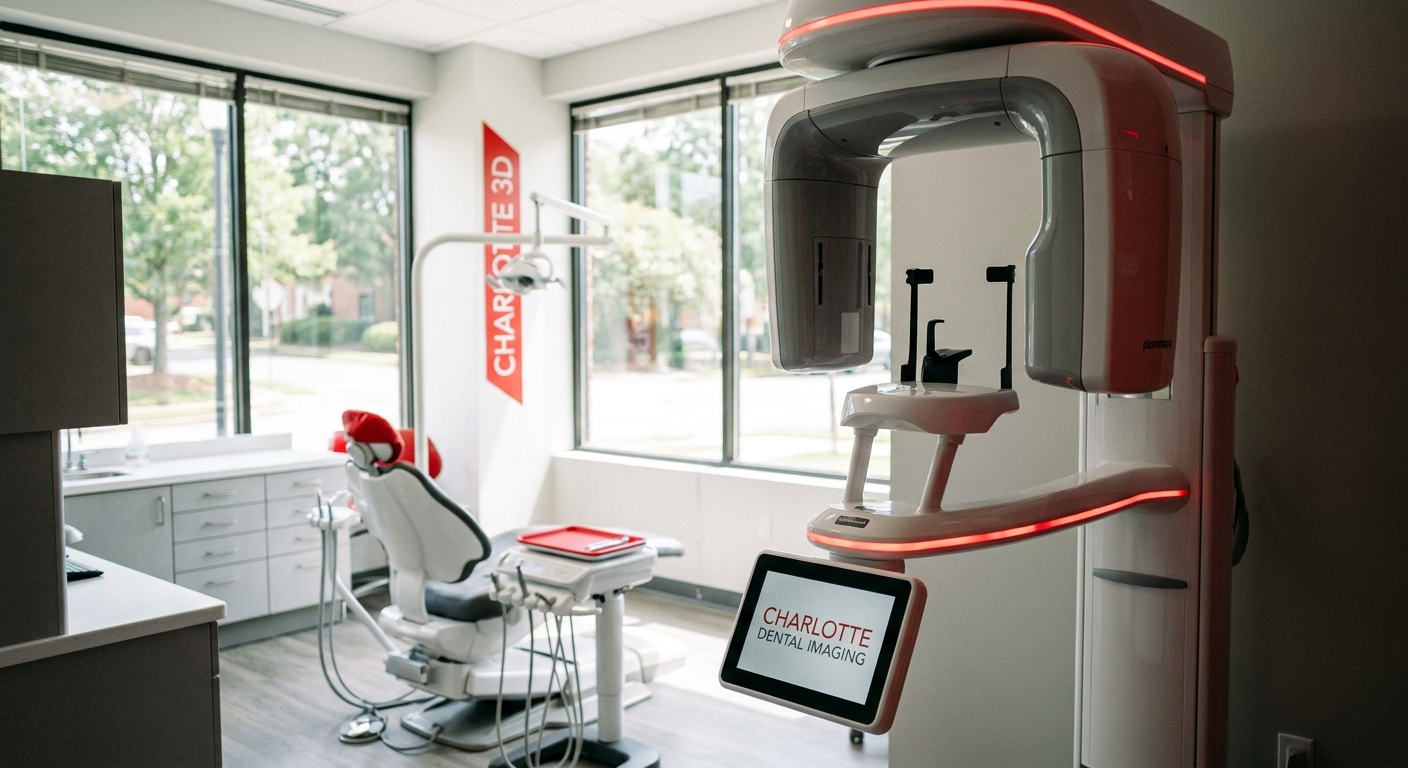
To start, the dentist examines your mouth and takes digital X-rays or a cone beam CT scan for a three-dimensional view of your bone and tooth structure. This imaging not only pinpoints the root position but also identifies any nearby nerves or sinuses that require caution. Accurate mapping is critical for both simple extractions and complex surgical cases. In walk-in settings, quick imaging can often be done on-site, allowing same day tooth removal without multiple visits.
Anesthesia and sedation
Local anesthesia is standard for most tooth extractions, numbing the area so you may feel pressure but not pain during the procedure. If you experience anxiety or need more extensive intervention, you can discuss sedation options such as nitrous oxide or oral conscious sedation. The dental team monitors your vital signs closely to maintain safety and comfort. You will remain awake but relaxed, and you typically recover from sedation quickly once the tooth is out.
Extraction techniques
For a simple extraction, the dentist loosens the tooth with an elevator and removes it with forceps. Surgical cases may require an incision and removal of small bone fragments to access broken roots or impacted teeth. After extraction, the area is smoothed with surgical curettes to promote even bone healing.
Implant and temporary placement
In clinics that offer immediate implant services, such as Aspen Dental, your dentist may proceed with implant placement right after extraction if you meet the criteria. A titanium post is inserted into the bone, and implant stability is checked to ensure it can support a temporary crown. This temporary restoration restores your appearance and chewing function while the implant integrates with your jaw over the next few months. Combining extraction and implant placement reduces the total number of surgeries and healing periods you face. If implant placement is not suitable, your dentist may place a bone graft to preserve the socket shape for a future restoration.
Handling post-extraction care
Once the tooth is removed, proper aftercare is essential for healing and preventing complications. Your dental provider will give you detailed instructions, but knowing what to expect can help you follow them more effectively. From controlling bleeding to managing swelling, each step plays a role in a smooth recovery.
Immediate steps
After the extraction, you will bite down gently on gauze pads to help form a blood clot and stop bleeding. Change the gauze every 30 to 45 minutes until the bleeding subsides, and apply a cold compress to your cheek for the first few hours to reduce swelling. Avoid rinsing, spitting, or drinking through a straw during this period to protect the clot.
Diet and hygiene
For the first week, stick to a soft diet of soups, yogurt, applesauce, and smoothies to minimize irritation. Avoid hot or spicy foods and alcohol, which can disrupt the healing site or dissolve the clot prematurely. Maintain gentle oral hygiene by brushing your teeth with a soft-bristled brush, keeping the extraction area clean without probing the socket. You may begin rinsing with a saltwater solution after 24 hours to help remove food particles and promote tissue health.
Healing timeline
Understanding the general healing timeline helps you track your progress and know when to seek follow-up care.
| Stage | Timeline | What to expect |
|---|---|---|
| Initial healing | Day 1 | Gauze pressure, bleeding control, swelling peaks |
| Early recovery | Days 2–3 | Pain and swelling decrease, avoid straws and smoking, gentle movement |
| Moderate healing | Days 4–7 | Soft tissues close, resume normal activities, gentle brushing |
| Soft tissue healing | Weeks 2–4 | Complete gum closure, return to firmer foods |
| Bone remodeling | 2–4 months | Underlying bone regenerates, final crown placement if an implant was placed |
If your healing differs significantly from this schedule, contact your dentist for guidance.
Managing discomfort effectively
Pain relief options
Over-the-counter ibuprofen or acetaminophen usually provides sufficient relief, and your dentist may recommend alternating doses for consistent pain control. Avoid aspirin, since it can thin your blood and prolong bleeding. If you need additional relief, a short course of prescription pain medication may be provided. Always follow dosage instructions carefully and report any adverse effects to your dental team.
When to call your dentist
Call your dentist if you experience heavy bleeding that soaks through more than two gauze pads in an hour or if severe pain persists beyond the expected timeframe. Contact the clinic if you notice fever, unusual discharge, or increased swelling after the first 72 hours, as these can signal infection. If you develop numbness that does not improve or you have difficulty breathing or swallowing, seek urgent care immediately. Don’t hesitate to reach out—early intervention can prevent more serious complications.
Locating walk-in extraction services
When you need a same day tooth extraction, look for clinics advertising walk in tooth extraction or tooth extraction without appointment. Clinics open late or on weekends ensure you can get care around your schedule, so check for extraction dentist open late or tooth extraction open weekends availability. You can also ask if they offer general dentist tooth extraction or specialize in urgent dental surgery and walk in oral surgery dentist services.
Many practices allow you to call ahead or simply walk in when pain peaks, offering immediate interventions for issues like wisdom tooth extraction urgent or severe tooth pain extraction.
By understanding what to expect during your same day tooth extraction visit, you can approach the procedure with confidence and clarity. If you suffer from lingering pain or suspect infection, visit a clinic offering same visit tooth extraction and take the first step toward relief. Prompt care helps you avoid complications and get back to smiling healthier.