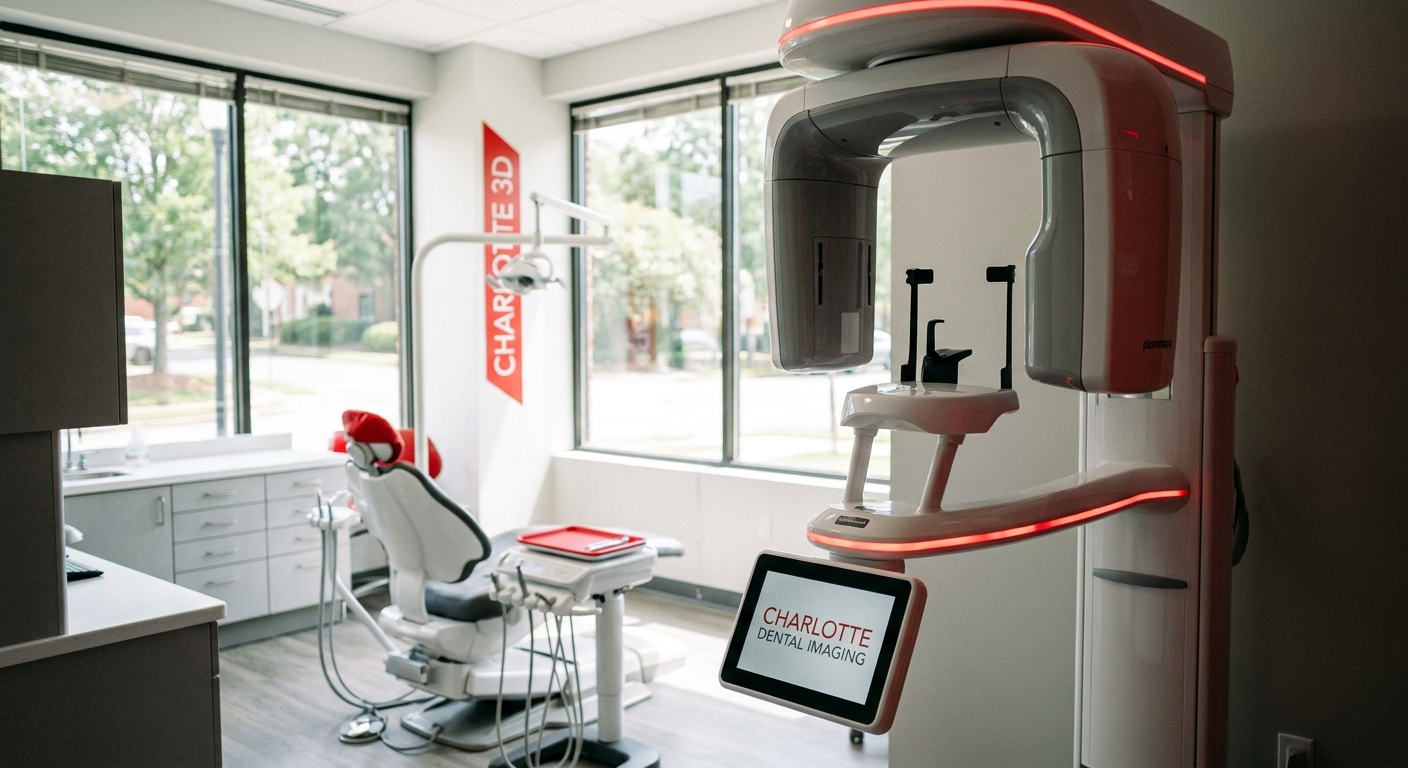
Understanding a pediatric trauma dental clinic
When your child has a serious dental emergency, a pediatric trauma dental clinic is equipped to handle injuries that go far beyond a simple chipped tooth. These clinics focus on urgent care for children and teens, combining pediatric expertise, trauma management, and sedation dentistry to stabilize your child quickly and protect both oral health and appearance.
A pediatric trauma dental clinic is different from a general dental office or a hospital emergency department. Pediatric dentists complete additional years of training after dental school that focus on child development, behavior, and the unique ways children’s teeth and jaws grow and respond to injury [1]. This specialized training prepares them to assess injuries precisely, choose age‑appropriate treatments, and keep scared or hurting children as calm as possible.
You also benefit from shorter delays compared to many hospital settings. One study found that children treated for dental trauma in a dedicated pediatric dental practice, their usual “dental home,” received care more quickly than those treated in children’s hospitals, even when travel distance was similar [2]. In emergencies, that time difference can mean the chance to save a tooth instead of losing it.
If you are looking for help with a specific situation, you can explore focused resources like child tooth trauma emergency and emergency care for children’s teeth, then return here for a deeper understanding of how comprehensive pediatric trauma care works.
When your child needs trauma-focused emergency care
Not every toothache requires a pediatric trauma dental clinic. You should consider trauma-focused emergency care when your child has:
- A knocked-out or partially dislodged tooth
- A deep fracture where the inner layer (dentin or nerve) is exposed
- Severe pain after a fall, sports injury, or blow to the face
- Cuts to the lips, gums, or tongue that bleed heavily
- Suspected jaw or midface injury
- Swelling, fever, or signs of infection after trauma
Pediatric dental trauma is especially common in toddlers learning to walk and in children between 8 and 10 years old, often due to sports or uncoordinated movements [3]. These injuries can involve teeth, gums, lips, and even facial bones.
In more serious situations, the clinic will also assess for signs of significant injury beyond the teeth, such as midface instability or hemotympanum, which can indicate broader facial or head trauma [3]. If needed, your child can be referred promptly to medical specialists or a hospital.
Clinics that are set up for urgent pediatric cases often provide an after‑hours emergency number and clear instructions on what to do before you arrive, such as how to handle and store a knocked‑out tooth in milk to improve the chance of saving it [4].
How clinics triage and diagnose complex dental injuries
Once you arrive at a pediatric trauma dental clinic, the first priority is triage. The team will determine how urgent your child’s condition is, rule out life‑threatening injuries, and then address the teeth and surrounding structures.
Initial assessment and safety checks
You can expect the dentist and team to:
- Take a focused medical and injury history
- Check your child’s airway, breathing, and responsiveness
- Look for head injuries or signs that require immediate hospital evaluation
- Perform a careful visual and manual exam of the teeth, gums, and jaws
For serious hits to the head or jaw, you may be advised to seek immediate medical attention, because severe blows can sometimes be life‑threatening [4].
Imaging and detailed diagnosis
Next, the dentist will likely use X‑rays or other imaging to understand the full extent of the injury. Trauma in children often involves more than what you see on the surface. Pediatric dental trauma can include:
- Enamel infraction, tiny cracks in the outer enamel
- Enamel fractures, chipping without nerve involvement
- Enamel‑dentin fractures that may expose the inner tooth
- Root fractures or injuries where the tooth is uprooted or broken below the gumline [1]
A large study of 466 pediatric patients with 750 injured teeth found that Ellis Class IV fractures, where the tooth becomes non‑vital with or without loss of structure, were the most common injuries treated. The upper front teeth, both baby and permanent, were the most frequently involved [5].
Throughout this process, the pediatric team adjusts explanations and communication to your child’s age and anxiety level so that they understand what is happening and feel as safe as possible.
Sedation dentistry for fearful or fragile patients
Complex dental emergencies are often painful, noisy, and frightening for children. Sedation dentistry is an essential tool that allows the team to complete urgent treatment safely while minimizing distress.
Types of sedation used in pediatric emergencies
Depending on your child’s age, medical history, anxiety, and the complexity of the procedure, the clinic may recommend:
- Minimal or moderate sedation using medications or nitrous oxide
- Deep sedation or general anesthesia for extensive repairs or surgery
Pediatric dentists are specially trained to choose sedative medications that are appropriate for growing bodies and developing brains. They also work closely with anesthesia providers when deeper levels of sedation are needed. Not every child is a candidate for in‑office sedation, but for many, it is a safe and efficient alternative to waiting for a hospital operating room [6].
If you want to understand sedation options in more detail, especially in mixed‑age practices, you can review sedation emergency dental care and sedation for anxious emergency patients.
Role of mobile anesthesia in urgent pediatric care
Access to operating rooms can delay treatment for months in some regions. A clinic in Ohio faced a six‑month backlog for hospital surgeries, with around 30 children waiting at any time. After adopting mobile anesthesia services, they were able to treat dozens of children each week directly in the dental office [6].
This type of mobile anesthesia allows urgent issues such as trauma, severe decay, and intense pain to be treated on site, rather than waiting for hospital scheduling. That can significantly reduce your child’s suffering and prevent minor injuries from becoming complex problems.
Sedated procedures are also important when your child has special health care needs, a strong gag reflex, or extreme dental anxiety, or when multiple procedures must be completed in a single visit, such as sedated tooth extraction emergency.
How complex pediatric dental injuries are treated
Pediatric trauma dental clinics follow structured treatment pathways that consider both the immediate injury and the long‑term health of developing teeth and jaws.
Treating injuries to primary (baby) teeth
With primary teeth, the goal is to protect the developing permanent teeth and your child’s overall comfort. In many cases, conservative care is best.
In the large Mullana clinic study, most injuries to primary teeth were managed by close observation and wound care rather than aggressive procedures [5]. Depending on your child’s situation, the dentist may:
- Smooth sharp edges to protect the tongue and lips
- Monitor the tooth over time for color changes, infection, or mobility
- Provide gentle wound care for cuts to gum tissue
- Extract a tooth only if it is severely displaced, fractured into the root, or poses a risk to the permanent tooth bud
Root canals are usually avoided in very young children, especially under about age 12, because the roots are still forming and there is a risk of harming the developing permanent teeth [1].
Managing trauma in permanent teeth
Permanent teeth usually require more active treatment to preserve function and aesthetics. In the Mullana study, most permanent teeth with traumatic injuries were treated with root canal therapy [5].
Depending on the injury, the dentist may:
- Reposition and splint a loose or displaced tooth
- Reimplant an avulsed (knocked‑out) tooth when appropriate and feasible
- Perform protective pulpal treatments or full root canal therapy
- Restore broken tooth structure with bonding, veneers, or crowns
- Monitor healing of the root and surrounding bone over time
If the injury affects the appearance of the front teeth, you may move into a combined emergency and cosmetic phase. Your provider might discuss options similar to those used in adult emergency cosmetic dental repair, but adapted for a growing child.
Addressing soft tissue and associated facial injuries
Soft tissue injuries often occur alongside broken or displaced teeth. In the Mullana analysis, soft tissue injuries to the lips, cheeks, or gums were the most common associated injuries, occurring in about 6.6 percent of cases and usually managed conservatively with careful wound care [5].
Your child might need:
- Gentle cleaning and irrigation of wounds
- Stitches for deeper cuts, especially on the lip border
- Cold compresses to reduce swelling
- Medication to control pain and prevent infection
More severe injuries, such as midface or jaw fractures, are managed with surgical interventions, often in collaboration with oral and maxillofacial surgeons or hospital teams [5]. If a broken jaw is suspected, you will be instructed to keep the jaw as still as possible, apply a cold compress, and seek immediate emergency care [4].
Cosmetic repair after pediatric dental trauma
Even after the emergency is controlled, you may worry about how your child’s smile will look and what that means for confidence and social interactions. Pediatric trauma dental clinics plan for both health and appearance from the outset.
Immediate esthetic stabilization
Right after a trauma, the primary focuses are stopping bleeding, relieving pain, and stabilizing teeth and jaws. However, whenever possible, the dentist will also:
- Reattach broken fragments if they are available and intact
- Place temporary composite restorations to restore shape and function
- Smooth rough edges to protect soft tissues
This type of “first‑aid cosmetic” work supports your child’s willingness to smile and speak while definitive treatment is planned. In adult‑oriented settings, this might be described as esthetic fix emergency dentistry or esthetic emergency dental care. In pediatric care, the same principles are applied but adjusted for tooth development and expected future growth.
Longer‑term cosmetic planning
After healing, your child may need more advanced cosmetic repair, especially for front teeth. Depending on age and the extent of damage, your pediatric dentist might coordinate:
- Composite bonding to reshape chipped or fractured teeth
- Partial coverage restorations for moderate defects
- Orthodontic treatment if tooth position has changed
- Later veneers or crowns in the teenage years for severe fractures
Adult services like cosmetic repair after break, emergency crown for cosmetic need, or emergency veneer repair have parallels in pediatric care, but timing and materials are chosen carefully so that future growth and tooth eruption are not disrupted.
If your child already has implants, crowns, or orthodontic appliances because of previous dental issues, the team may also draw on protocols similar to emergency implant support, emergency implant repair services, or emergency orthodontic repair.
Why timing matters so much in pediatric dental trauma
In pediatric emergency dentistry, delays can quickly turn manageable problems into complex cases. Children are often unable to describe pain or changes accurately, so subtle symptoms may be easy to miss until injuries or infections become severe [6].
Timely treatment is critical because:
- Knocked‑out teeth have a limited window where reimplantation may succeed
- Untreated fractures can lead to infection or nerve death
- Developing permanent teeth can be damaged by untreated trauma to baby teeth
- Pain and visible damage can affect eating, sleep, school performance, and social confidence
Delaying care can also mean that minor cavities or small cracks caused or exposed by trauma worsen into abscesses or require more invasive procedures. This can affect your child’s ability to eat normally, pay attention in school, and participate in activities with peers [6].
One retrospective study showed that dental injuries treated in hospital emergency departments or children’s hospital dental clinics tended to be more severe and more complex to manage than those seen in private pediatric practices [2]. Insurance status and medical complexity were not associated with treatment delays, which suggests that system‑level access factors play a major role [2]. The authors did note that the specific findings might not apply to every region or clinic, but the overall message is clear: for most dental traumas, contacting your pediatric dental home first is often the most efficient and effective path.
When possible, reaching out directly to a child-friendly emergency dentist or a pediatric emergency dentist charlotte type of provider near you usually leads to faster, more targeted care than going straight to a general emergency room.
If your child has a dental emergency, call your pediatric dentist or a pediatric trauma dental clinic immediately, even after hours. Many practices provide an emergency line or on‑call guidance so that you know exactly what to do until your child can be seen.
Supporting your child’s emotional recovery
Dental trauma is not only a physical event. It can be frightening and overwhelming for both you and your child. Pediatric dentists are trained not just in technical procedures, but also in managing anxiety, fear, and long‑term emotional responses to injury.
Clinics focus on:
- Explaining each step of care in age‑appropriate language
- Using distraction and comfort tools such as TV, music, or toys
- Allowing you to stay with your child when it is safe to do so
- Building trust with gentle, predictable routines
Some pediatric practices use playful nicknames for instruments and give children simple “jobs” during the visit to help them feel more in control, such as holding the suction or counting down during numbing. This approach is similar to techniques used at preventive visits, where early, positive experiences lay the foundation for lifelong oral health habits [7].
At clinics like Greenway Pediatric Dentistry, trauma management specifically includes attention to mental and emotional well‑being, with a focus on keeping children calm and comfortable during treatment [1]. That emphasis is especially important if your child already fears dental care or has special behavioral or developmental needs.
If you know your child is extremely anxious or has struggled with dental visits in the past, it can be helpful to discuss sedation and comfort options in advance, using resources such as sedated emergency care charlotte or sedated tooth extraction emergency as reference points.
Preparing for and responding to pediatric dental emergencies
You cannot prevent every fall or sports injury, but you can be ready to respond quickly and choose the right setting for care.
What you can do at home in an emergency
If your child experiences a dental trauma:
- Stay calm so your child can take cues from you.
- Control bleeding with gentle pressure using clean gauze or cloth.
- For a knocked‑out permanent tooth, pick it up by the crown, not the root, rinse with water only if dirty, place it in milk, and contact a dentist or hospital immediately [4].
- For a bitten lip or tongue, clean the area gently and apply a cold compress to reduce swelling [4].
- Never use metal or sharp tools to remove objects stuck between teeth. Use dental floss gently and call your dentist if you cannot remove it safely [4].
- If you suspect a broken jaw or see signs of a serious head injury, use a cold compress and seek emergency medical care right away [4].
Knowing these steps ahead of time helps you act quickly while you contact a pediatric trauma dental clinic for next‑step instructions.
Choosing your child’s “dental home” before an emergency
Early, routine pediatric dental care is one of the best ways to protect your child’s teeth and to have a trusted place to turn when emergencies happen. Many experts recommend a first dental visit by age one or within six months of the first tooth, usually between 6 and 12 months [7]. These early visits support:
- Familiarity with the dental environment
- Guidance on brushing, flossing, and diet
- Preventive treatments like fluoride and sealants
- Baseline assessments to identify any developmental concerns
When trauma occurs, having an established relationship with a child-friendly emergency dentist or similar pediatric provider makes it easier to get timely, coordinated care, including prompt cosmetic repair and, if needed, accelerated repair after trauma.
If your household also includes older adults or you care for grandparents, having relationships across different age‑focused practices, such as emergency dental for seniors, can ensure that every family member has a clear emergency plan.
By understanding how a pediatric trauma dental clinic operates, you can make informed decisions when minutes matter. You will know when to call your child’s dental home first, when to seek hospital care, and how sedation, cosmetic repair, and long‑term follow‑up all work together to restore your child’s comfort, function, and smile.