Experiencing a painful tooth extraction urgent situation can be stressful and disorienting. You need clear guidance on managing discomfort, identifying warning signs, and securing prompt treatment. This guide outlines practical steps for immediate relief, criteria for emergency care, and what to expect during and after urgent dental interventions.
Painful tooth extraction urgent cases often stem from residual soreness, infection, or complications like dry socket. You’ll learn how to relieve inflammation at home, recognize when to contact an emergency dentist, and understand core procedures—such as same-day extractions and incision and drainage—that restore your comfort and oral health.
Understanding extraction pain
Causes of acute pain
- Tissue trauma during extraction can irritate nerves and blood vessels.
- Dry socket, where a blood clot fails to form or is dislodged, exposes bone and nerves, causing intense pain.
- Infection at the extraction site may lead to throbbing discomfort and swelling.
- Underlying conditions—like periodontal disease or impacted wisdom teeth—can complicate healing.
Normal versus concerning pain
Most soreness peaks within 24 to 72 hours and begins to subside by day four [1]. You should expect:
- Mild to moderate aching around the site
- Swelling that diminishes after 48 hours
- Light bleeding or oozing in the first 12–24 hours
If you notice worsening pain, fever, or spreading swelling after the initial 72-hour window, these are signs you need urgent evaluation.
Relieving discomfort quickly
Cold and saltwater rinses
- Apply an ice pack wrapped in a towel to your cheek for 20 minutes on, 20 minutes off during the first 24 hours [1].
- After 24 hours, rinse gently with a warm saltwater solution (½ tsp salt in 1 cup water) to soothe tissues and reduce bacterial buildup.
Pain medication options
- Over-the-counter ibuprofen or acetaminophen can manage inflammation and pain.
- Always follow dosing instructions and avoid aspirin for the first 48 hours to prevent increased bleeding.
- If your dentist prescribes opioids or stronger analgesics, take them exactly as directed.
Soft diet recommendations
Sticking to soft, non-abrasive foods prevents irritation:
- Mashed potatoes, yogurt, applesauce
- Broth-based soups, Jell-O, smoothies (no straws)
- Scrambled eggs, cottage cheese
Avoid hot, spicy, or crunchy items until the site heals.
Identifying emergency signs
Signs of infection
- Fever above 100.4°F or chills
- Persistent or expanding swelling beyond 48 hours
- Pus or foul-smelling discharge
Dry socket symptoms
- Severe, radiating pain starting 3–4 days post-extraction
- Visible bone in the socket
- Bad taste in your mouth despite rinsing [2]
Nerve involvement alerts
- Sudden numbness or tingling in your face, lips, or tongue
- Intense or unusual pain that shoots along your jaw
Emergency signs table
| Symptom | Possible cause | Recommended action |
|---|---|---|
| Severe pain after 72 hours | Dry socket | Seek emergency extraction same day |
| Increasing swelling after 48 hours | Infection | Contact infection treatment emergency dental |
| Pus or discharge | Infected socket | Visit abscess treatment urgent dental |
| Facial numbness or tingling | Nerve involvement | Arrange emergency endodontic services |
Seeking urgent treatment
Dental triage and evaluation
When you call for help, an emergency extraction dentist will ask about your symptoms, medical history, and current medications. Be prepared to describe:
- Pain intensity and duration
- Any bleeding or swelling patterns
- Recent dental procedures
Imaging and diagnosis
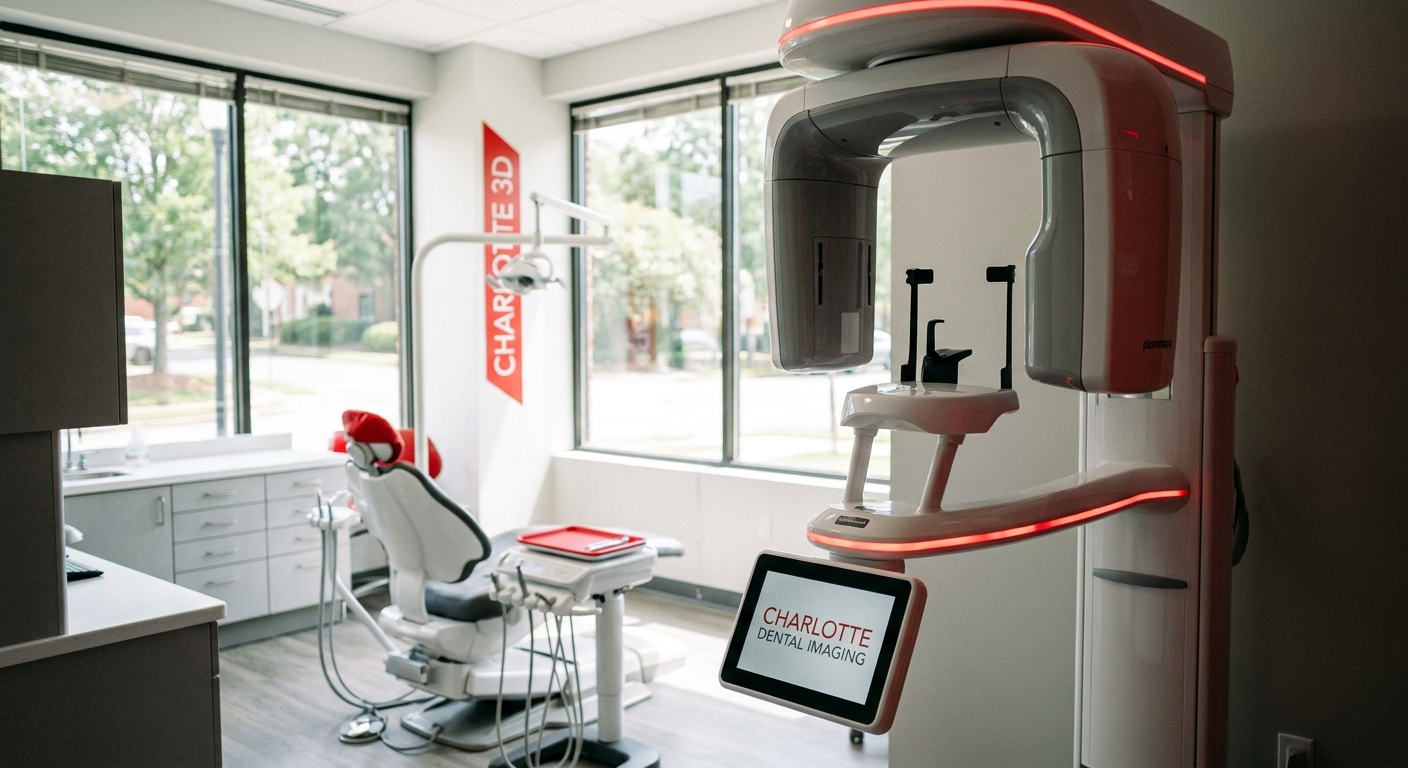
X-rays or cone-beam CT scans help your provider pinpoint issues like bone fragments, impacted roots, or abscess formation. Accurate imaging guides decisions on whether you need:
- Emergency wisdom tooth removal
- Emergency apical surgery
- Referral to emergency oral surgery Charlotte
Emergency relief procedures
Immediate extraction options
If infection or damage is severe, your dentist may perform an urgent extraction with sedation. This can:
- Remove the source of your pain instantly
- Reduce bacterial load in a single visit
- Prepare the site for future restoration
Consider urgent extraction with sedation if anxiety or complexity of the case is high.
Incision and drainage
For abscesses or severe swelling, your provider may lance and drain the site to:
- Release trapped pus
- Relieve pressure and pain
- Allow antibiotics to penetrate effectively
This step could be provided alongside abscess drainage dentist services.
Pain control during surgery
Local anesthesia or brief sedation ensures you remain comfortable. Post-procedure, you may receive:
- Prescription analgesics and anti-inflammatories
- A mouthguard or packing to protect the socket
- Detailed home care instructions
Managing complications
Treating infections
If you develop an infection, antibiotics are essential. Your dentist may prescribe:
- Amoxicillin or clindamycin for common oral bacteria
- Metronidazole in combination therapy
Follow the full course even if symptoms improve early. For persistent or severe infection, consider infected tooth emergency care.
Handling bleeding and swelling
- Continue gentle saltwater rinses to keep the area clean
- Apply cold compresses intermittently for 2–3 days
- If bleeding persists beyond 12 hours, bite on gauze or a tea bag and contact your dentist
For urgent periodontal issues, you might be referred to urgent periodontal relief services.
Post-procedure recovery
Wound care and hygiene
- Brush gently around adjacent teeth but avoid the extraction site for 48 hours
- Resume gentle cleaning once bleeding subsides to prevent infection
- Change gauze as instructed and avoid vigorous rinsing
Diet and activity guidelines
- Continue with soft foods, gradually reintroducing solids as tolerated
- Stay hydrated but skip straws to prevent suction on the socket
- Rest and avoid strenuous exercise for at least two days
Follow-up appointments
Your dentist will schedule a check-in to:
- Assess healing progress
- Remove sutures if present
- Plan any restorative work, such as a bridge or implant
For any root canal concerns, ask about root canal urgent dentist or root canal emergency clinic.
Preventing future issues
Routine checkups
Regular dental exams help identify decay, crowding, or gum disease early—before extraction becomes necessary. Aim for twice-yearly visits.
Oral hygiene practices
- Brush twice a day with fluoride toothpaste
- Floss daily, paying special attention to hard-to-reach areas
- Use an antiseptic mouthwash to reduce bacterial buildup
By combining vigilant home care, timely checkups, and knowledge of emergency procedures, you’ll be prepared to handle any painful tooth extraction urgent scenario with confidence and minimal discomfort.