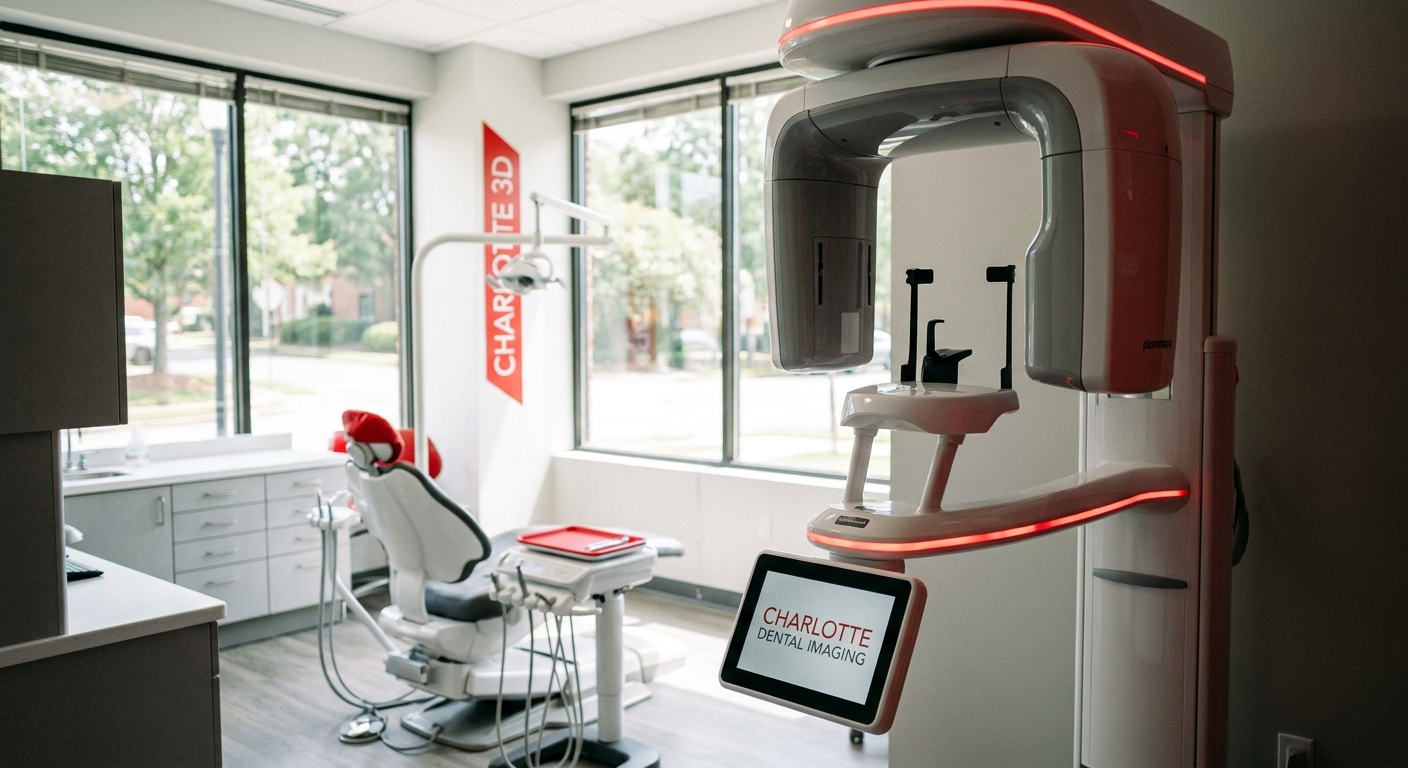
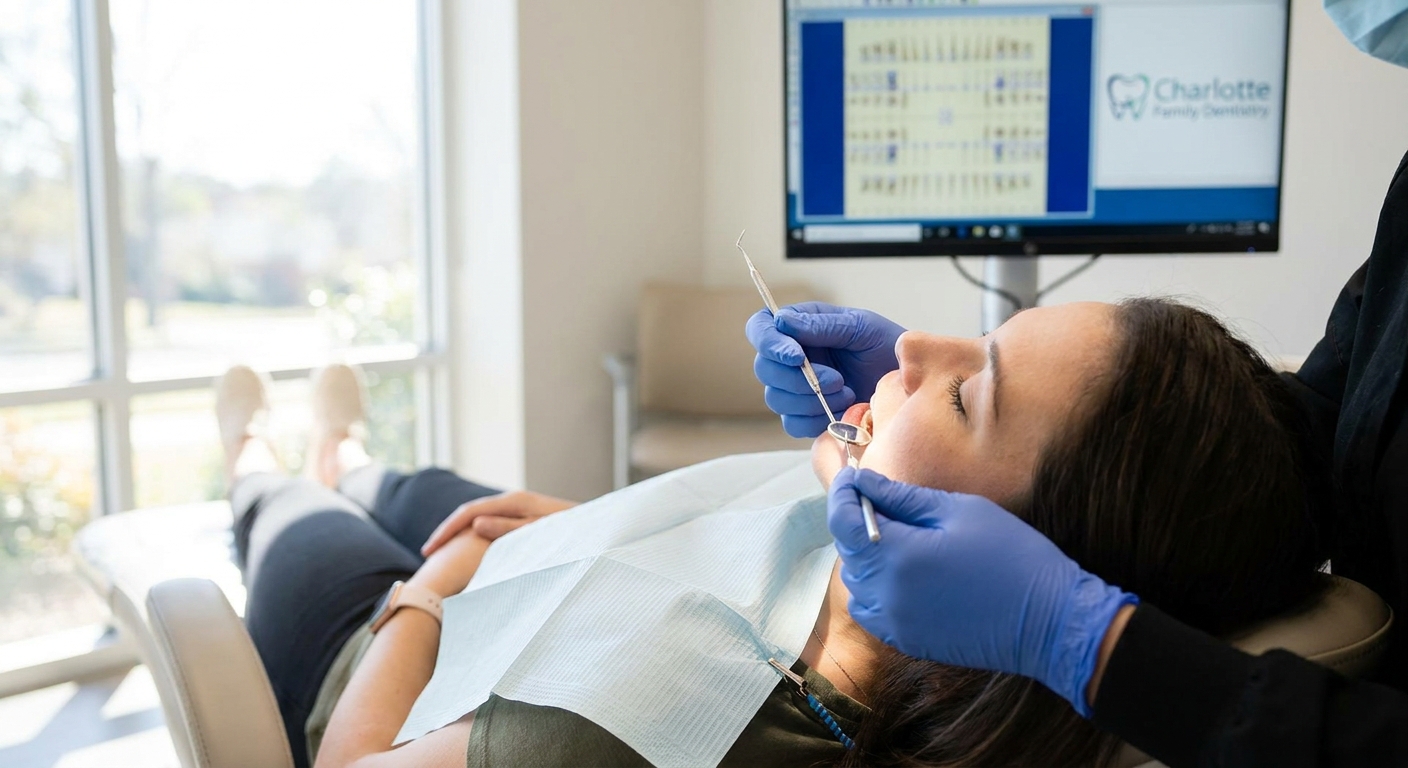
You rely on your teeth every day for eating, speaking, and smiling. When a tooth cracks, loosens, or shifts out of place, prompt care can make the difference between saving it and losing it. Visiting an emergency reserve repair clinic ensures you receive immediate stabilization and restoration so you protect your oral health, minimize pain, and prevent further damage.
Identify emergency symptoms
Recognizing when your tooth needs urgent attention is the first step toward effective repair. If you delay, you risk infection, worsening damage, or even tooth loss.
Cracked tooth signs
A cracked tooth may not always hurt at first. Watch for:
- Sharp pain when biting or releasing pressure
- Sensitivity to hot or cold foods
- Rough or jagged edges you can feel with your tongue
- Swelling of gums around the damaged tooth
Loose or displaced teeth
An accident, sports injury, or hard impact can loosen or partially displace a tooth. You should seek care if you notice:
- A tooth that wiggles when touched
- A tooth that looks pushed out of its normal position
- Unusual gaps between that tooth and its neighbors
Severe tooth pain
Intense, throbbing pain often means nerve involvement or severe fracture. You need immediate evaluation if you experience:
- Persistent pain that wakes you at night
- Swelling around the jaw, cheek, or under your eye
- Fever or general malaise suggesting infection
Choose repair clinic
Once you know you have a dental emergency, find a facility equipped to stabilize and restore your tooth right away.
Emergency reserve repair clinic definition
An emergency reserve repair clinic is like an urgent care center for dental trauma. It offers walk-in or same-day appointments, specialized equipment for splinting and bonding, and on-site lab work for crowns or restorations. These clinics fill the gap when your regular dentist cannot see you quickly.
Dental urgent care vs emergency room
You may wonder whether to go to a hospital emergency room. In most cases, a dental emergency reserve repair clinic is faster and more cost-effective than an ER visit. Just like medical urgent care centers provide quick, affordable treatment for non-life-threatening injuries [1], dental emergency clinics specialize in tooth stabilization and repair.
Locating a nearby clinic
- Search online for “emergency reserve repair clinic” plus your city
- Call your dental insurance to confirm in-network options
- Ask a local repair fractured tooth charlotte provider if they offer same-day trauma services
- Check clinic websites for availability of trauma dental repair services
Stabilize loose teeth
When a tooth is loose but not fully avulsed, splinting can secure it until healing occurs.
Tooth splinting methods
Splints bond loose teeth to adjacent stable teeth. Common approaches include:
- Composite resin and wire splints
- Fiber-reinforced ribbon splints
- Bracket and archwire systems
These systems hold teeth in position to allow periodontal ligaments to reattach.
Dentist-supplied splints
A splint broken tooth dentist will:
- Clean and disinfect the area
- Apply local anesthesia if needed
- Etch enamel surfaces and apply bonding agent
- Position splint materials to join loose teeth to neighbors
- Check your bite to ensure proper alignment
You’ll leave with instructions on chewing soft foods and maintaining oral hygiene around the splint.
When to see a stabilization specialist
If your tooth does not tighten within a few weeks or you develop persistent discomfort, consult a loose tooth stabilization dentist for further evaluation and possible endodontic treatment.
Repair cracked tooth
A cracked tooth often requires both stabilization and a temporary restoration to protect the pulp and prevent further fracture.
Emergency dental bonding
For minor cracks or chips, emergency dental bonding seals the fracture line:
- The dentist cleans and roughens the enamel
- A bonding agent and resin composite fill the crack
- UV light cures the material to a hard finish
Bonding restores function and appearance until a permanent crown or onlay can be placed, see emergency dental bonding.
Temporary crown placement
When cracks extend into the tooth’s core, a temporary crown shields it from pressure:
- Trimming the damaged tooth to accept a prefabricated crown
- Luting a provisional crown with temporary cement
- Advising you to avoid sticky or hard foods
You may need a follow-up visit for temporary crown repair or emergency crown replacement within 1–2 weeks.
Cracked tooth in back molars
Back teeth endure higher biting forces. For cracks in molars, immediate protective measures are critical:
- A plastic or metal band may be placed over the tooth
- Bite guards can offload stress during healing
- A referral for root canal therapy may be required
If you grind your teeth, ask whether a night guard could help prevent future fractures.
Restore displaced teeth
When a tooth is partially or fully knocked out, fast re-implantation or repositioning improves the chance of saving it.
Repositioning protocols
For a tooth pushed sideways but still in the socket:
- Gently guide the tooth back into place using clean fingers
- Bite on gauze to hold it steady
- Seek immediate care; the clinic will splint the tooth for 2–4 weeks
Delayed repositioning lowers success rates, so act quickly.
Handle avulsed (knocked-out) teeth
If your tooth is completely out:
- Pick it up by the crown, not the root
- Rinse gently under running water without scrubbing
- Keep it moist in milk or saline, or hold it in your cheek
- Get to an emergency reserve repair clinic within 60 minutes
Clinicians will attempt to re-implant and splint the tooth; follow-up care is critical to monitor healing.
Post-repositioning care
After splinting, use:
- Soft diet for at least one week
- Gentle brushing and antibacterial mouth rinses
- Avoid contact sports until teeth stabilize
If you notice persistent looseness or pain, return for a check-up.
Apply temporary solutions
In some cases, you need immediate fixes to protect your smile while awaiting definitive treatment.
Temporary fix for fractured tooth
A quick edge smoothing and filling can prevent further chipping:
- Your dentist uses a small bur to smooth sharp enamel
- A composite resin fills the missing portion
- You leave with peace of mind and restored function, see temporary fix for fractured tooth
Emergency tooth restoration
When a filling falls out or breaks:
- A clinic can place a provisional filling material
- This seals the cavity and reduces sensitivity
- You receive instructions for care until a permanent restoration is scheduled [2]
Repair loose dental work
Loosened bridges, inlays, or veneers can be temporarily recemented in an emergency clinic. The dentist will:
- Clean the internal surfaces
- Bond the restoration with temporary cement
- Advise you on avoiding dislodging forces, see repair loose dental work
Plan follow-up care
After emergency stabilization and temporary repairs, you need a long-term treatment plan to fully restore tooth health.
Permanent restoration options
Depending on the injury, options include:
- Full-coverage crowns
- Onlays or inlays
- Veneers for aesthetic repairs
- Endodontic therapy followed by a crown
Discuss with your dentist which route best suits your situation and budget.
Preventive strategies
To reduce future emergencies:
- Wear a sports guard during activities
- Use a night guard if you grind your teeth
- Avoid chewing ice, hard candy, or pens
- Maintain routine dental check-ups and cleanings
Regular care helps detect cracks or weakened areas early before they become acute emergencies.
When to return for evaluation
Schedule follow-up visits to:
- Remove or adjust splints
- Replace temporary crowns with permanent ones
- Monitor pulp vitality after trauma
- Ensure that gums and bone heal properly
Timely follow-up ensures your emergency care transitions into a stable, lasting outcome.
Your teeth sustain significant forces every day. When trauma strikes, don’t delay—head to an emergency reserve repair clinic for specialized stabilization, splinting, and temporary restoration. With prompt action and expert follow-up, you can preserve your natural teeth, relieve pain, and protect your smile for years to come.