Understanding emergency implant support
If you have dental implants, you probably rely on them every day for comfort, confidence, and function. When something suddenly feels wrong, emergency implant support becomes critical. Knowing when to call for help and what to do in the moment can protect your health, your smile, and your investment in treatment.
Dental implant emergencies can involve severe pain, swelling, looseness, or fractures that require immediate attention from an implant dentist or oral surgeon [1]. These situations may happen right after surgery or many years later, and they can be especially complex when children, anxious patients needing sedation, cosmetic concerns, or older adults are involved.
By understanding the warning signs and the steps to take, you give yourself the best chance of saving the implant and avoiding more serious complications.
Common types of dental implant emergencies
Not every twinge or mild soreness is an emergency. However, certain symptoms around an implant should always be treated as urgent.
Severe or escalating pain
Some discomfort after implant placement is normal. Pain that is severe, worsening, or suddenly appears after a period of comfort can signal a problem. This may be caused by:
- Infection around the implant
- Implant failure or incomplete bone integration
- Nerve irritation or injury
Severe pain or discomfort that appears immediately after surgery or days later is a key reason to seek emergency implant support [1]. If over the counter medication does not touch the pain, or it wakes you up at night, you should call an emergency dentist right away.
Swelling, redness, or bleeding
Persistent or spreading swelling around the implant site can point to infection or inflammation. This might look like:
- Red, puffy gums
- Oozing or pus around the implant
- Bleeding that will not stop with gentle pressure
- Swelling that spreads to the cheek, jaw, or under the eye
Infections like peri implantitis, a progressive inflammatory condition that affects bone and tissues around an integrated implant, are a major cause of implant failure and require prompt treatment such as deep cleaning, antibiotics, or laser therapy [2].
Loose or mobile implant
A stable implant should feel like a natural tooth. Mobility is always a red flag. A loose implant may indicate:
- Inadequate bone integration
- Overloading from biting forces
- Infection destroying supporting bone
- Problems with the way the implant was placed
A loose dental implant is considered a sign of potential implant failure and needs immediate evaluation to avoid further bone loss or tooth loss [1].
Sometimes the crown or abutment is what is loose, not the actual implant in the bone. Both situations still need fast care, but a loose crown or screw is often easier to correct if you get help quickly. If your case is mainly a broken or loose visible part, you may also benefit from related services such as emergency implant repair services or emergency cosmetic dental repair.
Fractured implant, abutment, or crown
Although relatively rare, fractures of the implant or its components are serious emergencies. These may happen because of trauma, grinding and clenching, or overload on a single implant. Possible issues include:
- A cracked implant fixture inside the bone
- A broken abutment that connects the implant to the crown
- A shattered or chipped crown that affects appearance or function
Implant fracture or breakage typically requires urgent evaluation, imaging, and often surgical or prosthetic intervention to manage the problem and protect surrounding structures [1].
If the damage is primarily cosmetic, you may need both emergency structural care and esthetic solutions such as emergency crown for cosmetic need, emergency veneer repair, or broader esthetic emergency dental care.
Numbness, tingling, or nerve symptoms
Lingering numbness, tingling, burning, or electric shock sensations in the lips, chin, tongue, or gums after implant placement require immediate attention. These can signal nerve involvement, especially in the lower jaw. Early diagnosis through imaging and clinical testing is essential to protect nerve function and avoid long term complications [3].
Special situations: children, seniors, and anxious patients
Urgent implant care intersects with other specialized areas of dentistry. Your needs may be very different if you are an older adult, a parent seeking care for a child, or a patient who requires sedation.
Children and adolescents
Most dental implants are placed after growth is complete, but children and teens often experience tooth loss or trauma that ultimately leads to implants later. In the meantime, they still need prompt emergency care.
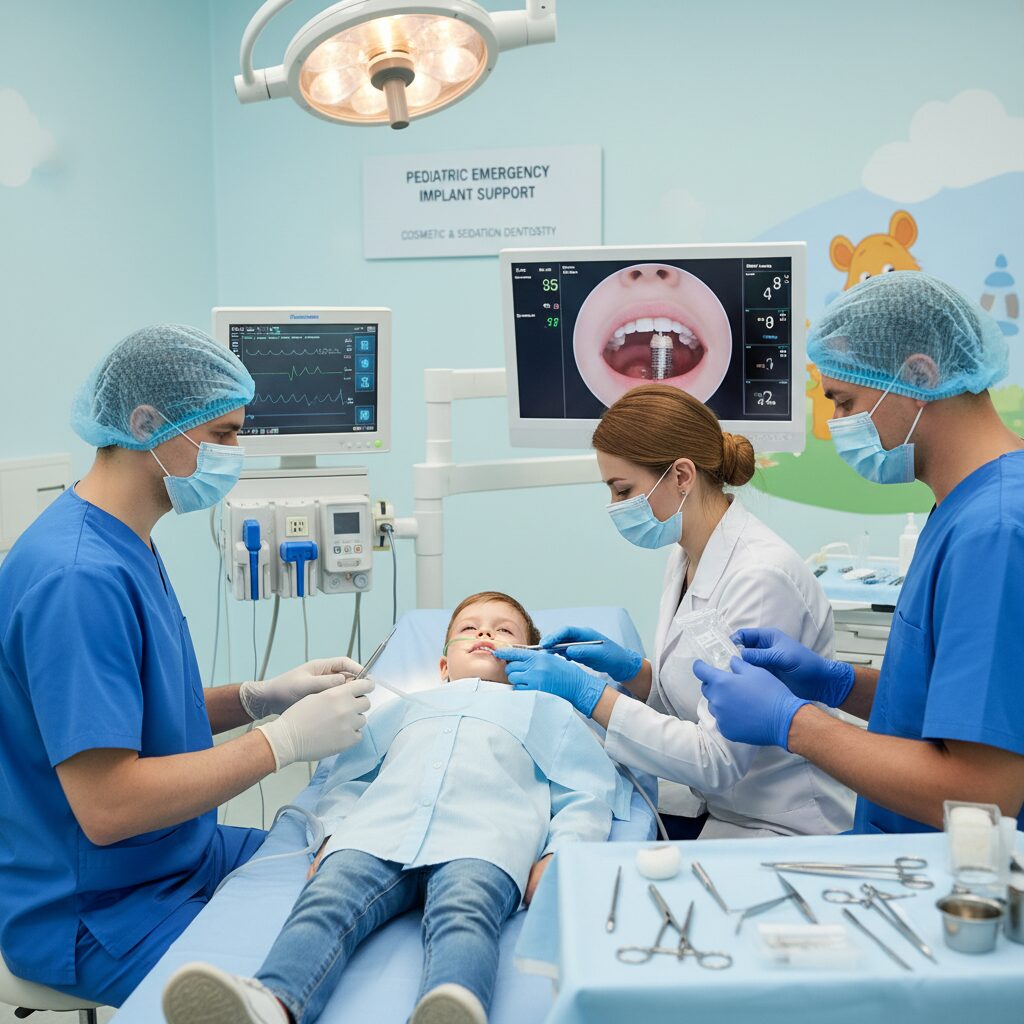
If your child has dental trauma that affects a tooth planned for future implant placement, or a provisional implant solution, you should look for a child-friendly emergency dentist or a pediatric trauma dental clinic. These settings are equipped to manage:
- Severe tooth fractures that may later need implants
- Injury to developing bone where future implants will be placed
- Emergency space maintainers or temporary cosmetic solutions
Resources such as child tooth trauma emergency and emergency care for children’s teeth can help you understand what to do in the first hours after an accident. If you are in a region with access to a pediatric emergency dentist charlotte, you can often receive same day evaluation and planning for both short term repairs and long term implant considerations.
Older adults and medically complex patients
If you are over 60, your risk of implant complications is higher, often because of reduced bone quality, systemic conditions, and longer healing times [2]. Older adults are also more likely to use multiple medications that can affect healing and infection risk.
In a dental implant emergency, seniors may need:
- Closer monitoring of healing and infection
- Adjustments in medications, such as blood thinners
- Careful evaluation of implant overload or fractures of implant supported dentures
If you or a loved one is an older adult with urgent implant issues, looking for targeted help like emergency dental for seniors can provide a safer and more comfortable experience.
Sedation for anxious or special needs patients
If you experience intense dental anxiety or have special needs that make treatment challenging, an implant emergency can feel overwhelming. Sedation assisted care can make urgent treatment more manageable and safer for you.
Sedation is often used when patients:
- Avoid dental visits until pain becomes severe
- Cannot tolerate long or complex procedures
- Have a strong gag reflex or developmental conditions
Services such as sedation emergency dental care, sedated tooth extraction emergency, or sedation for anxious emergency patients can be especially helpful if your implant problem is tied to a failing tooth that must be removed quickly, or if you need complex surgical correction under time pressure. In some areas, options like sedated emergency care charlotte give you access to coordinated, same day treatment with sedation.
Emergency implant support vs routine follow up
It can be difficult to tell when you should monitor symptoms at home and when you need immediate professional care. Understanding the difference between normal healing and red flag symptoms will help you decide.
| Situation | Likely category | What you should do |
|---|---|---|
| Mild soreness and slight swelling in first 48 to 72 hours after surgery | Expected post operative healing | Use prescribed medications, cold compresses, soft diet, and attend planned follow ups |
| A chipped or slightly rough crown without pain or looseness | Urgent but not life threatening | Call for the next available appointment, ask about cosmetic repair after break or esthetic fix emergency dentistry if visible when you smile |
| Sudden, severe pain with swelling, difficulty biting, or fever | Implant emergency | Call an implant dentist immediately for emergency evaluation and care |
| Loose implant, abutment, or full implant supported denture | Implant emergency | Avoid pressure on the area and contact your provider or an emergency clinic the same day |
| Numbness, tingling, or burning around the lips, chin, or tongue after implant placement | Implant emergency | Seek immediate assessment with imaging and nerve evaluation |
If you are unsure, it is safer to treat the situation as urgent and call your provider. Many implant focused practices prioritize same day or next day visits for emergencies to reduce complications [3].
What to do at home in an implant emergency
Home steps are never a replacement for professional treatment, but they can help you stay more comfortable and reduce further damage while you arrange care.
If you suspect an implant emergency, you should:
-
Stay as calm as possible
Anxiety and panic can make pain feel worse. Focus on simple, practical steps. -
Avoid chewing on the affected side
Do not test the implant or wiggle it with your fingers. Pressure can worsen damage or loosen screws. -
Rinse gently with warm saltwater
A mild saltwater rinse can help reduce bacteria and soothe irritated tissue. Do not use very hot water. -
Control bleeding if present
Bite gently on clean gauze for 15 to 20 minutes. If bleeding continues heavily, seek urgent care. -
Use over the counter pain relievers
Ibuprofen or acetaminophen can help manage discomfort while you travel to the dentist, as long as your physician has not restricted them [3]. -
Apply a cold compress for swelling
Use a cold pack on the cheek in 15 minute intervals to reduce swelling and discomfort [4]. -
Avoid hard, sticky, or very hot foods
Stick with soft, cool foods until you can be seen. This protects the implant and reduces irritation.
You should not apply aspirin directly to the gums, attempt to tighten any screws, or remove any part of the implant yourself. These actions can worsen tissue damage and complicate later treatment.
How your dentist diagnoses and treats implant emergencies
When you arrive for emergency implant support, your provider will work quickly to relieve your symptoms, determine the cause, and stabilize the area.
Examination and imaging
A typical emergency visit includes:
- A focused medical and dental history review
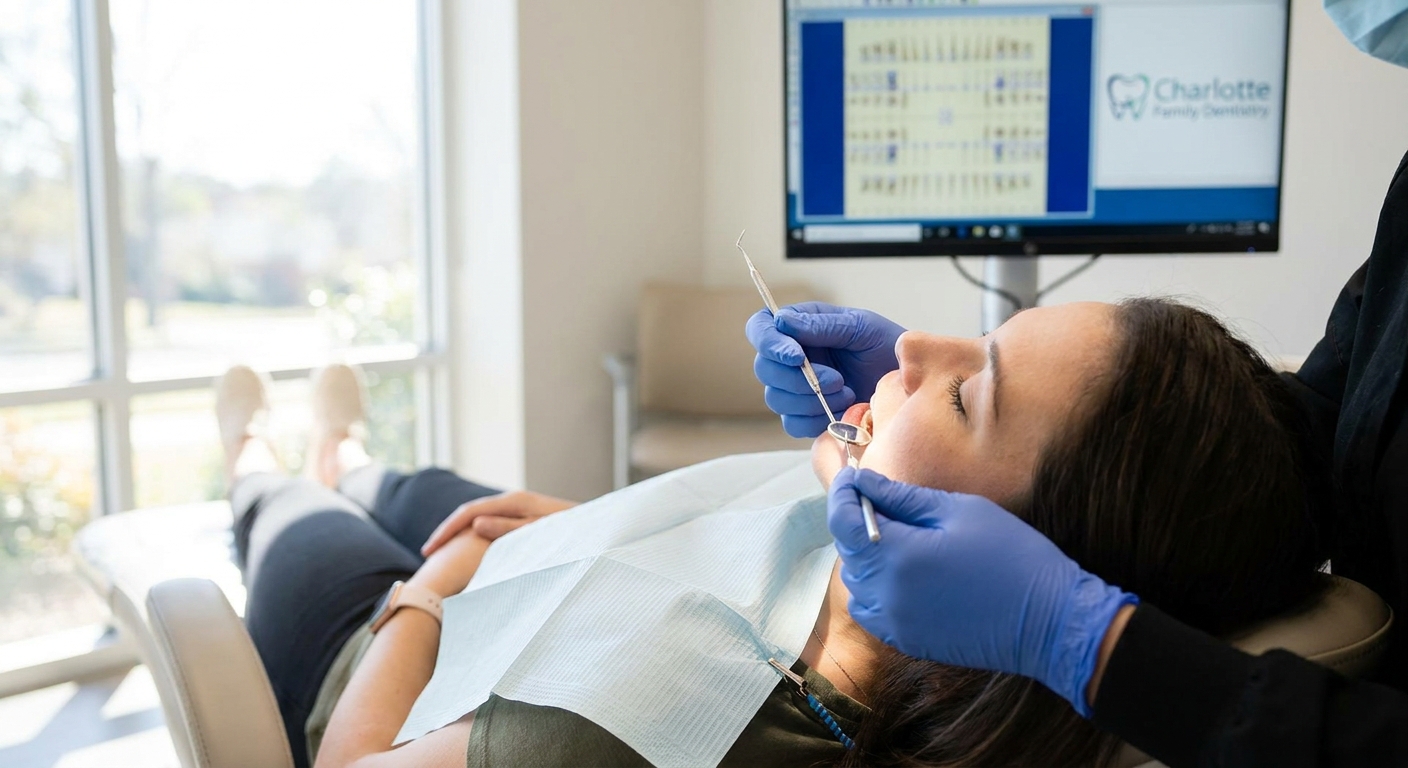
- Visual inspection of the implant, gums, and nearby teeth
- Gentle testing of mobility, bite, and tenderness
- X rays or cone beam CT scans to evaluate the implant and surrounding bone
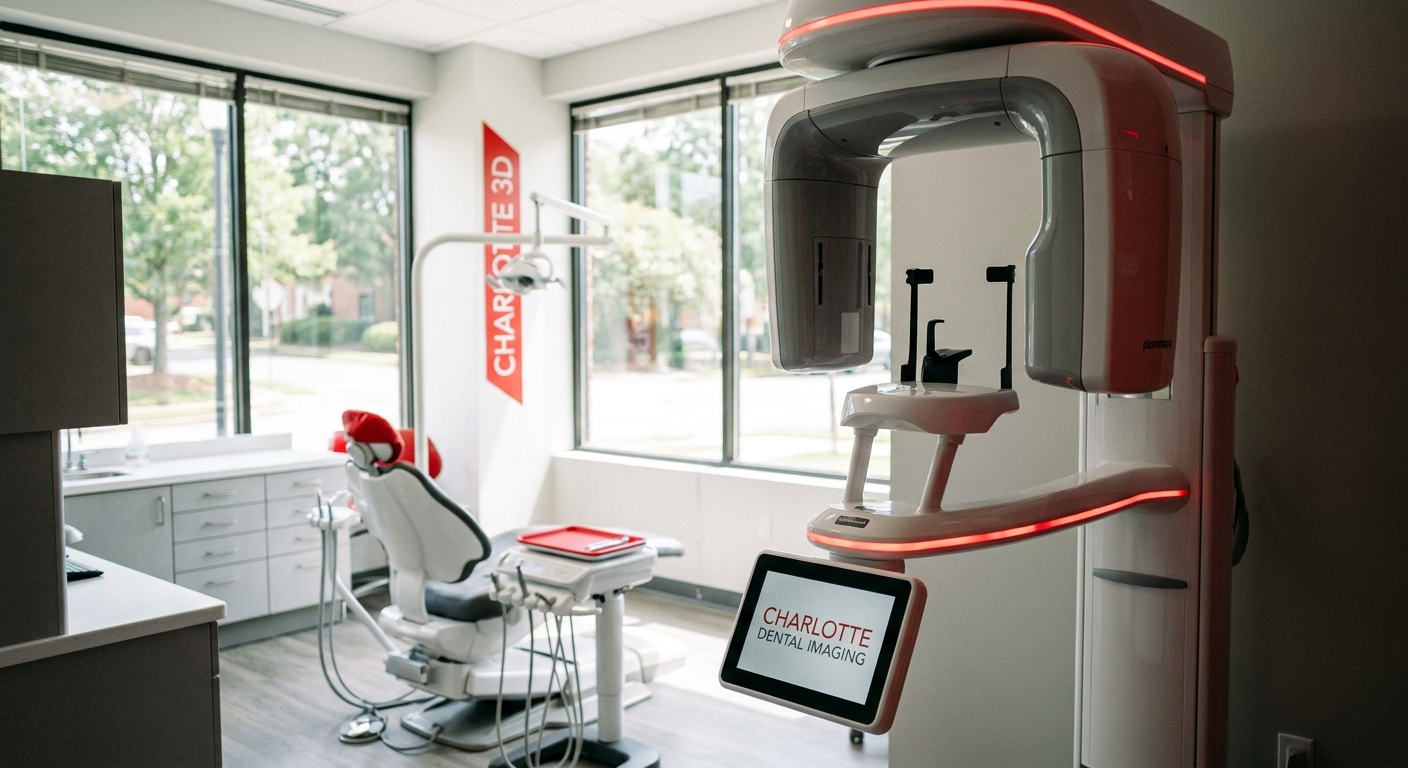
CBCT imaging is especially important to assess bone, implant position, and any involvement of nearby nerves. Many advanced centers use digital planning tools and 3D technology to improve accuracy and comfort during emergency implant procedures [5].
Treatment options during an emergency visit
Depending on what your dentist finds, emergency care may include:
- Deep cleaning around the implant to remove infected deposits
- Local or systemic antibiotics for infection control [2]
- Soft tissue management if your gums are injured or overgrown
- Adjustment or replacement of a loose crown, bridge, or abutment
- Bite adjustment to reduce overload on the implant
- Surgical intervention to remove a failed or fractured implant
- Temporary or provisional replacement to restore appearance and function
Some practices offer same day provisional restorations, sometimes called emergency implants, where a small fixture is placed into the jaw and a temporary crown is attached in a single visit, restoring your smile within hours instead of months [6]. To qualify for this type of immediate replacement, you typically need:
- Good overall health without significant immunosuppressive disease
- No smoking habit, or a willingness to stop
- Enough healthy bone to support the implant
- Healthy gums without uncontrolled gum disease [6]
If your situation involves trauma or multiple damaged teeth, you might also need accelerated repair after trauma and combined restorative and cosmetic planning.
Emergency implant support and cosmetic concerns
Implant emergencies often affect how your smile looks, not just how it feels. A fractured crown on a front tooth, a broken implant supported denture, or a lost temporary can be distressing if you rely on your smile for work or social situations.
Cosmetic focused emergency care may involve:
- Reshaping or repairing chipped implant crowns
- Quickly fabricating temporary crowns or bridges
- Re bonding veneers around implant supported teeth
- Adjusting color and shape to blend with surrounding teeth
This is where treatments like esthetic fix emergency dentistry, emergency veneer repair, and cosmetic repair after break become important. In some cases, you may also need a short term emergency crown for cosmetic need while your final restoration is created.
If you have extensive work, such as implant supported dentures, emergency support will also focus on stability, bite, and jaw health. Well placed implants and properly supported prosthetics can preserve jawbone, prevent a sunken facial appearance, and provide stronger chewing force than traditional dentures [7].
Reducing your risk of future implant emergencies
While not every problem is preventable, you can lower your risk of needing emergency implant support by focusing on the factors you can control.
Key steps include:
-
Practicing excellent oral hygiene
Brush and floss around implants daily and follow any special cleaning instructions from your provider. This reduces the risk of peri implantitis and infection [2]. -
Attending regular checkups and cleanings
Routine visits allow your dentist to monitor bone levels, implant stability, and prosthetic wear and to make small adjustments before problems turn into emergencies. Prevention programs also emphasize choosing an experienced implant provider and following all post operative instructions carefully [3]. -
Avoiding smoking
Cigarette smoking almost doubles implant failure rates, with smokers showing about 11 percent failure compared with 5 percent in non smokers, largely because smoking reduces blood flow and impairs bone healing [2]. -
Managing medical conditions, especially diabetes
High blood sugar can interfere with bone integration and healing around implants. Working with your physician to keep diabetes well controlled supports long term implant success [2]. -
Wearing a nightguard if you grind or clench
Excess forces from bruxism can overload implants and increase the risk of fractures or loosening. -
Protecting your mouth during sports or high risk activities
A custom mouthguard can prevent trauma that might damage implants, crowns, or surrounding teeth.
If you have specific vulnerabilities, such as anxiety, medical complexity, or a history of trauma, partnering with teams that offer sedation emergency dental care, emergency orthodontic repair, or pediatric and senior emergency services can give you added protection and faster access to help when you need it.
When to seek emergency implant support immediately
You should contact an emergency implant provider right away if you notice any of the following:
- Sudden, severe, or escalating pain around an implant
- Swelling, redness, or pus near the implant, especially with fever
- Bleeding that does not stop with gentle pressure
- Any looseness or movement of the implant, abutment, or attached denture
- A broken implant component or crown that affects your bite or causes sharp edges
- Numbness, tingling, or burning in your lips, chin, or tongue after implant surgery
- Trauma to the face or jaw that may have damaged implants, especially after an accident
For visible front teeth, or if you are supporting your bite with multiple implants, prompt care can protect not only your comfort and appearance but also the health of surrounding bone and soft tissues. If you are caring for a child or older adult, you should also err on the side of speed and seek options like emergency care for children’s teeth or emergency dental for seniors where available.
By recognizing the warning signs, taking calm, protective steps at home, and seeking emergency implant support as soon as problems begin, you give yourself the best chance of preserving your implants, your smile, and your overall oral health.
References
- (Paul B. Gabriel DMD)
- (National Journal of Maxillofacial Surgery)
- (Ronald F. Jacob, DMD Comprehensive Dentistry)
- (New Teeth Chicago Dental Implants)
- (Foothill Center for Dental Implants and Oral Surgery)
- (Implants in LA; Foothill Center for Dental Implants and Oral Surgery)
- (Grout Family Dentistry; South Anchorage Dental Center)