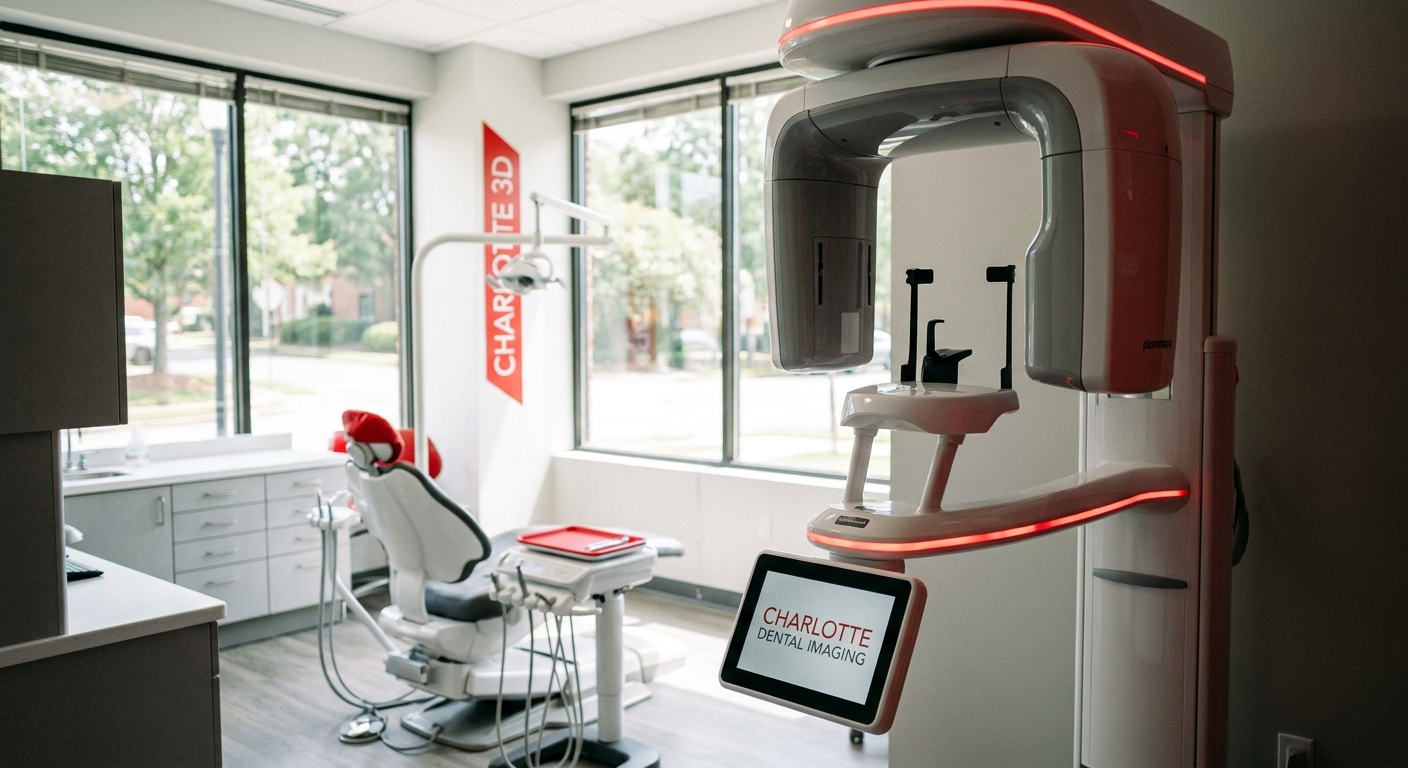
When you’re faced with intense tooth pain or a dental emergency in Charlotte, finding an emergency endodontist charlotte can be the difference between preserving your natural tooth and facing extraction. Emergency endodontists are specialists in diagnosing and treating problems that affect the interior of your tooth—especially the dental pulp and root tissues. With advanced training, state-of-the-art technology, and a focus on pain relief and surgical urgent care, they offer targeted solutions for root canal emergencies, abscesses, and traumatic injuries.
Understanding emergency endodontics
Role of an endodontist
An endodontist is a dentist who has completed at least two additional years of specialized training beyond dental school to diagnose and treat tooth pain and diseases of the dental pulp Cleveland Clinic. Less than 3 percent of dentists pursue this path, making endodontists true experts in saving teeth through procedures like root canal therapy, apicoectomy, and emergency drainage.
Training and expertise
- Advanced studies in pulp biology, pain management, and microsurgical techniques
- Completion of hundreds of root canal treatments during residency, often 25 per week compared with two by general dentists American Association of Endodontists
- Proficiency with digital radiographs, 3-D imaging, dental operating microscopes, and dental dams for precise, comfortable care
Identifying dental emergencies
Key symptoms to watch
Recognizing when you need urgent care can prevent irreversible damage. Common red-flag symptoms include:
- Severe, throbbing toothache that interrupts sleep or daily activities
- Sharp pain or prolonged sensitivity to hot or cold foods Commonwealth Endodontics
- Swelling in your gums or face, sometimes accompanied by pus drainage
- Tooth discoloration or darkening—sign of nerve damage
- Loosened, cracked, or fractured teeth due to trauma
If you experience any of these symptoms, contact an infected tooth emergency care provider immediately.
Common urgent conditions
Endodontists treat a range of acute issues:
- Pulpitis (inflamed pulp) causing intense pain
- Dental abscesses requiring immediate abscess treatment urgent dental or abscess drainage dentist intervention
- Cracked, chipped, or dislodged restorations leading to pulp exposure
- Traumatic injuries from accidents or sports
- Failed root canal treatments needing emergency retreatment
Preparing for your visit
What to bring
To streamline your emergency appointment, have these items ready:
- A valid photo ID and dental insurance information
- List of current medications and known allergies
- Any recent X-rays or referrals from your general dentist
- A record of your symptoms’ onset and intensity
Online paperwork
Many practices offer online form completion before your visit. Filling out health history and consent forms in advance reduces your time in the waiting room, so you can receive relief faster.
Expecting your visit
Initial assessment and diagnosis
When you arrive, your emergency endodontist will:
- Review your medical and dental history
- Perform a thorough examination of the affected tooth and surrounding tissues
- Take digital radiographs or 3-D scans to pinpoint the source of pain
Your endodontist may also conduct vitality tests, such as applying a cold stimulus or gentle electric current, to assess nerve health.
Imaging and tests
Advanced imaging tools help detect:
- Hidden canals or fractured roots
- Extent of infection or abscess formation
- Bone involvement around the root tip
High-resolution scans guide precise treatment planning and minimize unnecessary tissue removal.
Handling urgent procedures
In an emergency, the goal is to relieve pain and prevent tooth loss. Here’s what you might experience:
Emergency root canal therapy
Root canal therapy involves removing infected or inflamed pulp, cleaning and disinfecting the canal system, and sealing it with gutta-percha. In urgent situations:
- Your endodontist may perform an initial pulpectomy to relieve pressure and pain
- A temporary or permanent filling is placed to protect the tooth until a definitive restoration is possible
Learn more about this process at emergency root canal therapy.
Apicoectomy for acute cases
If infection persists after a root canal, an apicoectomy (root-end surgery) might be needed. During an apicoectomy:
- A small incision is made in your gum tissue
- Infected root tip and surrounding tissue are removed
- The root end is cleaned and sealed with a biocompatible filling Commonwealth Endodontics
This procedure preserves the rest of the tooth and prevents extraction. You can find out more under emergency apical surgery.
Abscess drainage and infection control
For a dental abscess:
- Your endodontist will drain the pus to reduce swelling and pain
- A course of antibiotics may be prescribed to control infection
- Follow-up treatment, such as root canal or extraction, is scheduled once acute symptoms subside infection treatment emergency dental
Urgent tooth extraction with sedation
If a tooth cannot be saved, a same-day urgent extraction with sedation may be performed. Key steps include:
- Local anesthesia or conscious sedation to ensure comfort
- Gentle extraction techniques to preserve bone and soft tissue
- Options for immediate replacement, such as a temporary bridge or denture emergency extraction same day
Procedures at a glance
| Procedure | Purpose | Recovery |
|---|---|---|
| Root canal therapy | Remove infected pulp, save tooth | 1–3 days mild pain |
| Apicoectomy | Remove infected root tip, seal canal | 3–5 days moderate |
| Abscess drainage | Relieve pressure, start infection control | 1–2 days swelling relief |
| Urgent extraction with sedation | Remove non-restorable tooth | 1–2 weeks healing |
Managing pain and recovery
Immediate pain relief
After treatment, your endodontist will recommend:
- Over-the-counter pain relievers, such as ibuprofen or acetaminophen
- Prescription medications for more severe discomfort
- Cold compresses to reduce swelling
Home care tips
- Avoid chewing on the treated side until permanent restoration
- Maintain gentle brushing and flossing to keep the area clean
- Follow a soft diet for the first 24–48 hours
- Attend any scheduled follow-up visits to monitor healing
Follow-up visits
Your endodontist may ask you to return for:
- Temporary filling or crown replacement
- Evaluation of healing and symptom resolution
- Referral to your general dentist for final restoration
Choosing your emergency endodontist
Availability and access
Emergency endodontic care often requires same-day attention. Look for practices that offer:
- Extended hours or on-call service
- Quick online scheduling or a dedicated emergency line
- Locations near you, such as an emergency extraction clinic charlotte or root canal emergency clinic
Credentials and technology
Ensure your provider has:
- Board certification or membership in the American Association of Endodontists
- Modern equipment like digital sensors, CBCT scanners, and surgical microscopes
- Experience performing high volumes of emergency procedures
Insurance and payment
Verify coverage for:
- Emergency endodontic services
- Diagnostic imaging and surgery
- Sedation or anesthesia options
Many practices accept major dental insurance and offer financing plans for out-of-pocket expenses.
Your next steps
When severe tooth pain strikes, don’t wait. Contact a trusted emergency endodontist in Charlotte to safeguard your smile and relieve your discomfort. You can explore related services such as emergency oral surgery charlotte, emergency wisdom tooth removal, or urgent periodontal relief services to ensure comprehensive dental care when you need it most.