Emergency endodontic overview
What are endodontic emergencies
Emergency endodontic services cover urgent care for infections, injuries, and conditions affecting the inner tissues of your tooth. At the center of these services is the dental pulp, a soft tissue that contains nerves, blood vessels, and connective tissue. When decay, trauma, or cracks expose the pulp, bacteria can infiltrate and inflame it, causing acute pain and swelling.
Common causes of endodontic emergencies include:
- Deep cavities that penetrate enamel and dentin
- Cracks or fractures from biting hard foods or accidents
- Traumatic injuries such as chipped or avulsed teeth
- Failed previous root canal treatments leading to reinfection
Many emergencies involve pulp necrosis, where nerve tissue dies and bacteria multiply inside the canal system. Standard fillings cannot eliminate the infection at this stage, making specialized endodontic care essential. Instruments such as rotary nickel-titanium files, operating microscopes, and ultrasonic tips allow endodontists to navigate intricate canal networks and eradicate bacterial biofilm.
Avulsed (knocked-out) teeth have the best chance of survival if reimplanted within 60 minutes of injury. Store the tooth in milk or a tooth preservation solution and see an emergency provider immediately to optimize your prognosis.
Why prompt care matters
Delaying treatment can transform a manageable issue into one requiring extensive surgery or extraction. An abscess may form and spread infection to surrounding tissues, leading to facial swelling, cellulitis, or, in rare cases, systemic sepsis. Seeking prompt care not only stops the pain but also maximizes your chance of saving the natural tooth structure.
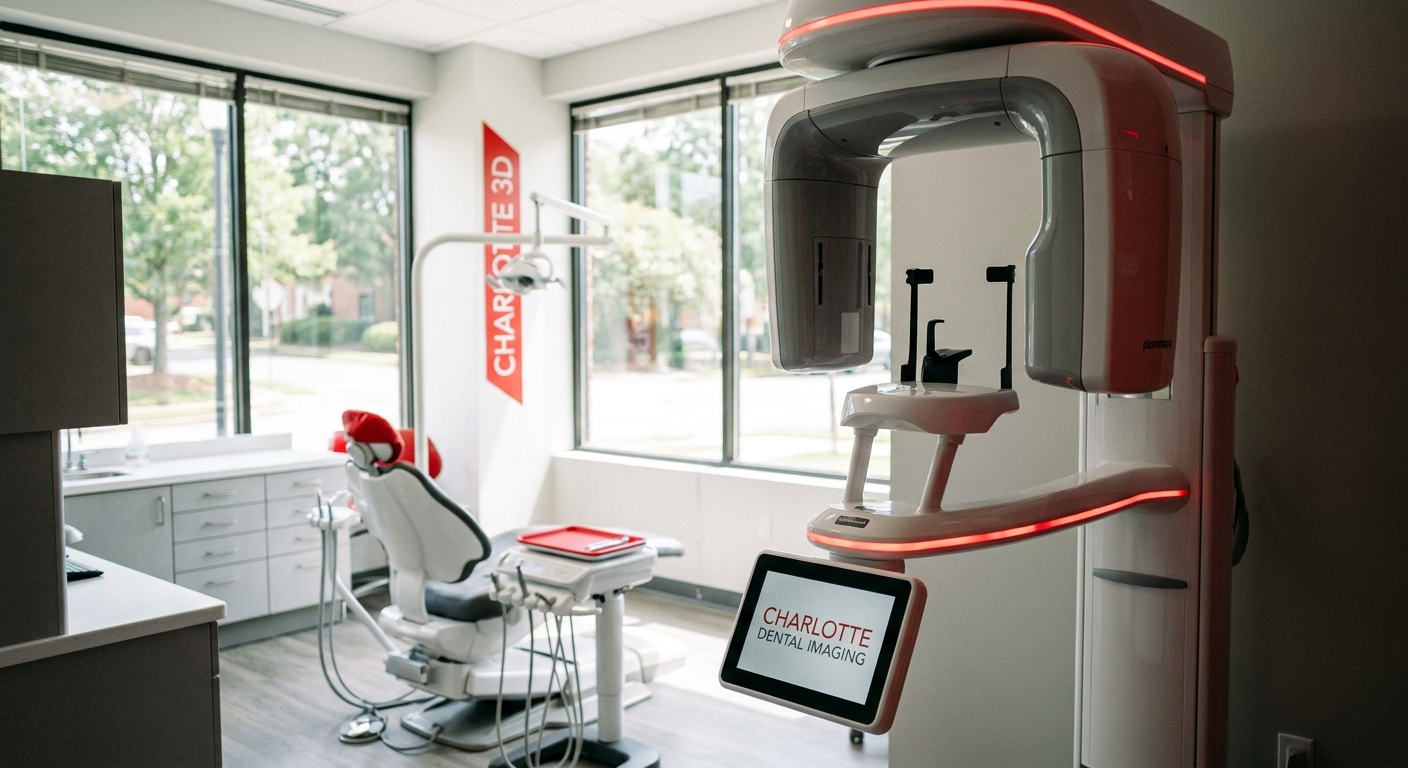
Visiting a hospital emergency room may offer temporary relief, but most medical facilities cannot perform root canals or specialized dental surgeries. Emergency endodontic clinics focus on definitive solutions, offering same-day appointments, targeted pain control, and comprehensive follow-up. Advanced diagnostic tools like digital radiographs and Cone Beam Computed Tomography (CBCT) help pinpoint the exact source of your discomfort and guide precise treatment planning [1].
Recognize emergency signs
Common symptoms
When you face an endodontic emergency, symptoms often escalate quickly. Watch for these warning signs:
- Severe, throbbing pain radiating to your jaw, ear, or head
- Prolonged sensitivity to hot or cold that lingers long after exposure
- Noticeable swelling of the gum, cheek, or jaw
- Pus or discharge, often accompanied by a foul taste
- Red, tender gums around the affected tooth
- Bleeding or loose dental fragments after injury
- Tooth discoloration (gray or brown) indicating internal damage
- Difficulty opening your mouth (trismus) from adjacent infection
- Persistent bad breath or a metallic taste
Signs of emergency endodontic infections may include swelling of the gums and mouth, a sore or broken tooth, severe pain, or bleeding of the teeth or gums due to oral trauma [2].
When to act immediately
Not all dental pain requires emergency care, but certain scenarios demand urgent attention. Use the table below to gauge your next steps:
| Symptom | Possible cause | Recommended action |
|---|---|---|
| Throbbing, unrelenting pain | Inflamed or infected pulp | Seek emergency endodontic services within 24 hours |
| Significant facial swelling | Abscess or spreading infection | Call for an emergency appointment immediately |
| Sharp pain when biting | Cracked or fractured tooth | Avoid chewing, see a specialist right away |
| High fever or swollen lymph nodes | Systemic infection risk | Visit an emergency provider same day |
| Complete tooth dislodgement | Avulsed tooth injury | Reimplant tooth (if possible), store in milk, seek care within 60 minutes |
If you experience any of these conditions, do not delay. Even minor symptoms can worsen quickly, leading to more extensive treatment or irreversible damage.
Manage your initial pain
Home remedies and first aid
While you wait for professional treatment, you can take several steps to ease your discomfort:
- Warm salt water rinse: Mix ½ teaspoon of salt in 8 ounces of warm water and swish for 30–60 seconds to reduce bacteria and soothe tissues.
- Cold compress application: Place an ice pack wrapped in a damp cloth on your cheek in 10-minute intervals to decrease swelling.
- Gauze packing: Gently bite on clean, folded gauze or a moist tea bag at bleeding or painful areas to control bleeding and pressure.
- Soft diet: Stick to soft, cool foods like yogurt, applesauce, and smoothies to avoid jarring the tooth.
- Elevate your head: Sleep with your head propped up to minimize throbbing.
Medication precautions
Over-the-counter pain relievers can help reduce inflammation and pain. Consider these guidelines:
- Ibuprofen or naproxen: Nonsteroidal anti-inflammatories reduce both pain and swelling. Take with food to avoid stomach upset.
- Acetaminophen: Effective for pain relief if you cannot take NSAIDs. Do not exceed recommended daily limits.
- Avoid placing aspirin directly against the gums or tooth, as it can burn soft tissue.
- Always check for drug interactions if you take other medications or have conditions such as ulcers or kidney disease.
- Contact your provider before taking any prescription pain medication to ensure it is safe for you.
If bleeding persists or pain intensifies despite home care, contact your dental provider immediately to arrange an emergency appointment.
Explore treatment options
Emergency root canal therapy
If the pulp inside your tooth becomes inflamed or infected, emergency root canal therapy is often the preferred solution to save the tooth and relieve pain. During the procedure, your endodontist will:
- Administer local anesthesia to numb the area
- Create a small opening in the tooth crown
- Remove diseased pulp tissue and bacteria
- Clean, disinfect, and shape the root canals
- Fill the canals with gutta-percha and seal with adhesive cement
- Recommend a permanent crown to restore strength and function [3]
This treatment preserves your natural tooth structure and prevents extraction. To learn more about this life-saving procedure, visit our guide on emergency root canal therapy.
Pulpotomy and pulpectomy
For localized infections in the crown area or when you need immediate relief before completing a full root canal, your provider may perform:
- Pulpotomy: Removal of only the infected pulp tissue in the crown. It reduces pain and inflammation while maintaining root vitality.
- Pulpectomy: Complete removal of all pulp tissue from both the crown and root canals. It stops severe infection and prepares the tooth for a later root canal.
These emergency procedures control infection quickly and can be crucial when scheduling constraints delay full canal therapy [4].
Abscess drainage and surgery
An abscess is a trapped pocket of pus at the root of a tooth. Treatment involves:
- Incision and drainage: Your endodontist makes a small opening in the gum to release pus and relieve pressure.
- Antibiotic therapy: A short course of antibiotics, such as amoxicillin or clindamycin, helps clear the infection—complete the full course even if symptoms improve.
- Root canal or extraction: After drainage, you will need definitive treatment to remove the infection source. See an abscess drainage dentist for specialized care in complex cases.
Apicoectomy and retreatment
If a previous root canal fails or infection recurs, your specialist may recommend:
- Retreatment: Removing old filling material, disinfecting canals, and resealing them to address residual bacteria.
- Apicoectomy: Surgical removal of the root tip and surrounding infected tissue, followed by a retrograde filling to seal the canal end [5].
These advanced interventions often save teeth that would otherwise require extraction.
Tooth reattachment and trauma care
When a tooth is knocked out or chipped, immediate attention can make the difference between saving and losing your natural tooth. First, handle the tooth by the crown, rinse it gently, and reinsert it into the socket if possible. If that is not feasible, store it in milk or a tooth preservation solution. Seek an endodontic specialist within 60 minutes to stabilize and reattach the tooth, improving the likelihood of long-term success [6].
Extraction as last resort
In cases where a tooth is too damaged or infection is uncontrollable, extraction may be necessary to protect your oral health. Following extraction, you can consider options like dental implants or bridges. For a comfortable experience, ask about urgent extraction with sedation or same-day removal at an emergency extraction same day clinic.
Understand sedation options
Local anesthesia types
Local anesthesia numbs only the treatment area while you remain conscious. Common agents include lidocaine, articaine, and mepivacaine. The effects last 1–3 hours depending on the formulation. Providers often add epinephrine to prolong anesthesia and reduce bleeding.
Conscious sedation methods
If you experience high anxiety or prefer deeper relaxation, conscious sedation can help:
- Nitrous oxide: Inhaled gas that takes effect quickly, reduces anxiety, and wears off soon after you stop breathing it.
- Oral sedatives: Pills such as diazepam (Valium) or triazolam (Halcion) induce moderate sedation. You remain conscious but drowsy and may have limited memory of the procedure.
- IV sedation: Delivered through a vein, providing deeper relaxation. You may drift in and out of sleep but can still respond to verbal cues.
General anesthesia overview
General anesthesia induces controlled unconsciousness, with airway and vital-sign monitoring throughout. This option is reserved for extensive surgery, special-needs patients, or severe anxiety. You will need a designated driver and may be required to fast for several hours before the appointment. Recovery can take several hours and may involve nausea, grogginess, or a sore throat from intubation.
| Option | Description |
|---|---|
| Local anesthesia | Numbs only the treatment area, you stay awake |
| Nitrous oxide | Inhaled gas that reduces anxiety and pain sensation |
| IV sedation | Delivered through a vein, provides deeper relaxation |
| General anesthesia | Induces controlled unconsciousness for complex cases |
Discuss sedation choices with your provider to determine the safest and most comfortable approach for your situation.
Plan your recovery
Immediate aftercare tips
After emergency endodontic treatment, follow these guidelines:
- Apply cold packs intermittently (20 minutes on, 20 minutes off) during the first 24 hours to limit swelling.
- After 24 hours, switch to warm compresses to improve blood flow and healing.
- Avoid chewing on the treated side until numbness wears off.
- Stick to soft foods and avoid hot, hard, or sticky items.
- Do not smoke, use straws, or spit forcefully, as these actions can dislodge blood clots.
- Rinse gently with salt water (½ teaspoon salt in 8 ounces warm water) to promote healing.
Follow-up and hygiene
Your endodontist will schedule follow-up visits to evaluate healing and finalize restorations. In root canal cases, you may need a crown within 2–3 weeks to protect the treated tooth. For surgical procedures like apicoectomies, you may return in 7–10 days for suture removal. Maintain excellent oral hygiene by brushing twice daily with a soft-bristle brush, flossing gently around the treated tooth, and using an antimicrobial mouthwash as recommended. If you notice increased pain, swelling, or signs of reinfection, contact your dentist immediately [7].
Choose care provider
Finding an emergency endodontist
Endodontists are dentists who complete at least two additional years of specialized training beyond dental school to diagnose tooth pain and perform root canal treatment [8]. To find a qualified specialist:
- Search online for “emergency dentist near me” or ask your general dentist for referrals [9].
- Look for credentials like American Association of Endodontists membership or board certification.
- Verify that the practice offers emergency hours or same-day appointments and uses modern imaging equipment.
If you live in Charlotte, connect with an emergency endodontist charlotte for local expert care.
Preparing for your visit
When you call to schedule, describe your symptoms and ask whether they offer a triage phone consultation to determine urgency. Ask about estimated wait times, cost estimates, and insurance acceptance. Many emergency endodontic offices accept major dental insurance plans and offer financing options like CareCredit. Bring a government-issued ID, your insurance card, and a list of medications and allergies. Arrive a few minutes early to complete paperwork and discuss sedation choices. If your situation leads to extraction rather than root canal therapy, ask if they provide an emergency extraction dentist, a root canal urgent dentist, or urgent dental surgery services.
Prevent future emergencies
Practice good oral hygiene
Brushing twice daily with fluoride toothpaste and flossing at least once a day removes plaque and prevents decay that can lead to pulp infections. Use an antibacterial or fluoride mouthwash to reach areas between teeth and along the gumline.
Early detection and regular checkups
Schedule dental exams and cleanings every six months. Routine X-rays help your dentist identify small cavities, cracks, or bone loss before they become emergencies. Early intervention can save both time and money.
Protect your teeth from trauma
Wear a mouth guard during contact sports or recreational activities. Avoid using teeth as tools to open packages or bite non-food items. If you grind or clench your teeth at night, ask your dentist about a custom night guard to reduce stress on your teeth.
Healthy diet and habits
Limit sugary, sticky, and acidic foods that erode enamel and promote bacterial growth. Drink plenty of water to help wash away debris and keep saliva production healthy. Avoid tobacco use, which can impair healing and increase infection risk.
By following these preventive measures, you can reduce the likelihood of experiencing an endodontic emergency. If you notice any early warning signs such as sensitivity or cracks, schedule a checkup right away to address issues before they escalate.
Estimate treatment costs
Common cost ranges
Emergency endodontic services vary in cost depending on the procedure, tooth location, and your region. As a general guide:
- Emergency root canal therapy: $600-$1200 for single-rooted front teeth, $800-$1800 for multi-rooted molars
- Pulpotomy or pulpectomy: $200-$600
- Apicoectomy (surgical root tip removal): $1000-$2000
- Emergency extraction: $150-$500, with higher fees for impacted or wisdom teeth
These estimates may include diagnostic X-rays and initial consultation. Restorations such as crowns, permanent fillings, or bridges are often additional.
Insurance and financing
Many dental insurance plans cover a portion of emergency endodontic treatments after deductibles. Coverage levels vary, so verify benefits before your appointment. If you lack insurance or face high out-of-pocket costs, ask if your provider offers:
- In-office payment plans
- Third-party financing like CareCredit
- Sliding-scale fees for qualifying patients
Confirm whether pre-authorization is required to avoid unexpected denials.
Avoid surprise fees
To prevent billing surprises, request a detailed cost estimate that outlines:
- Consultation and diagnostic fees (X-rays, CBCT scans)
- Treatment fees (procedure, anesthesia, sedation)
- Follow-up appointments and potential retreatments
- Restoration fees for crowns or final fillings
Review the estimate line by line, and clarify any questions with your provider. A transparent cost breakdown empowers you to plan ahead and receive the care you need without financial strain.