What an emergency dentist that accepts insurance really means
When you search for an emergency dentist that accepts insurance, you are trying to solve two problems at once. You need fast relief from pain or trauma, and you need to know what your insurance will actually pay before you agree to treatment.
Most dental emergencies are covered in some way under typical dental plans, but the level of coverage and the steps you need to take can vary by policy and by provider [1]. Understanding how emergency dentists work with insurance helps you avoid surprise bills and delays in care so you can focus on getting treated quickly and safely.
Common emergency dental situations your insurance may cover
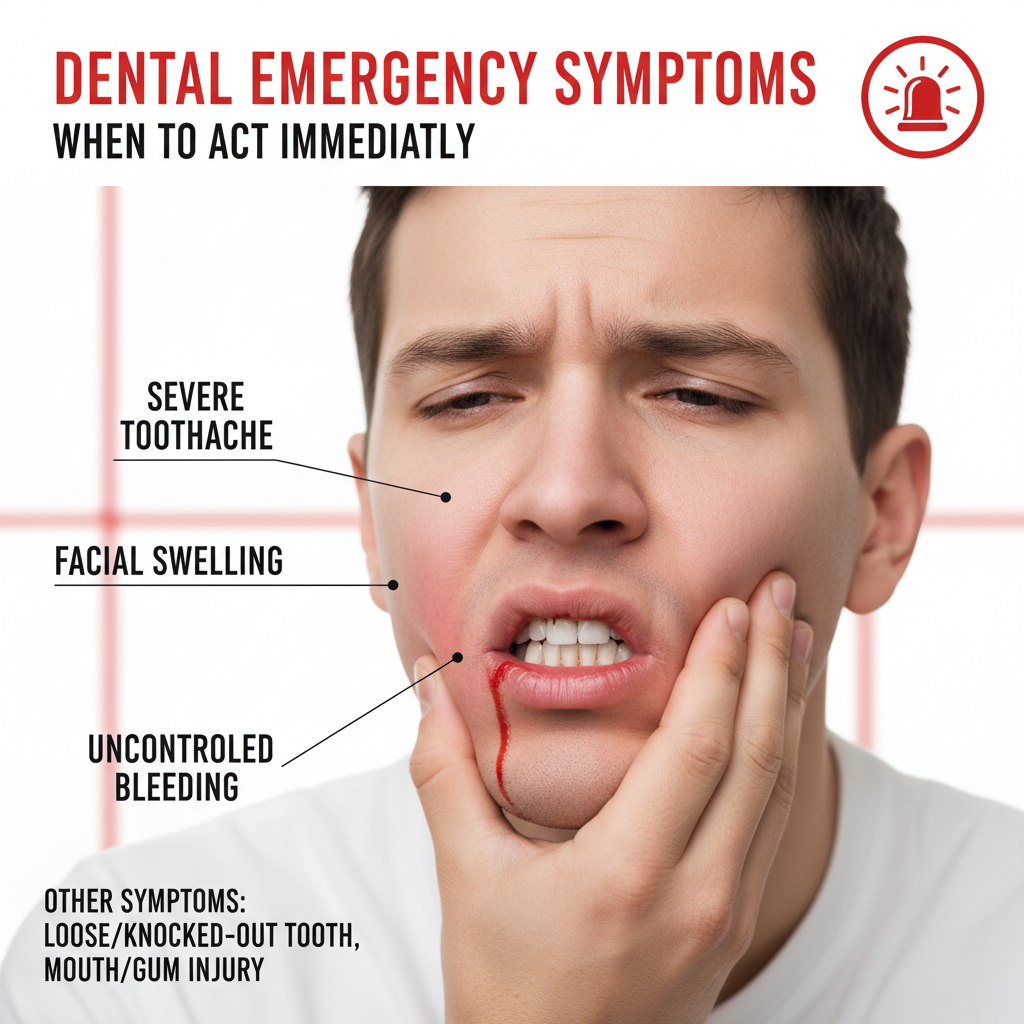
Emergency dental visits are not limited to severe toothaches. Your plan may help with a wide range of urgent problems, although coverage details will depend on your individual policy.
Typical dental emergencies
You might need an emergency dentist that accepts insurance if you experience:
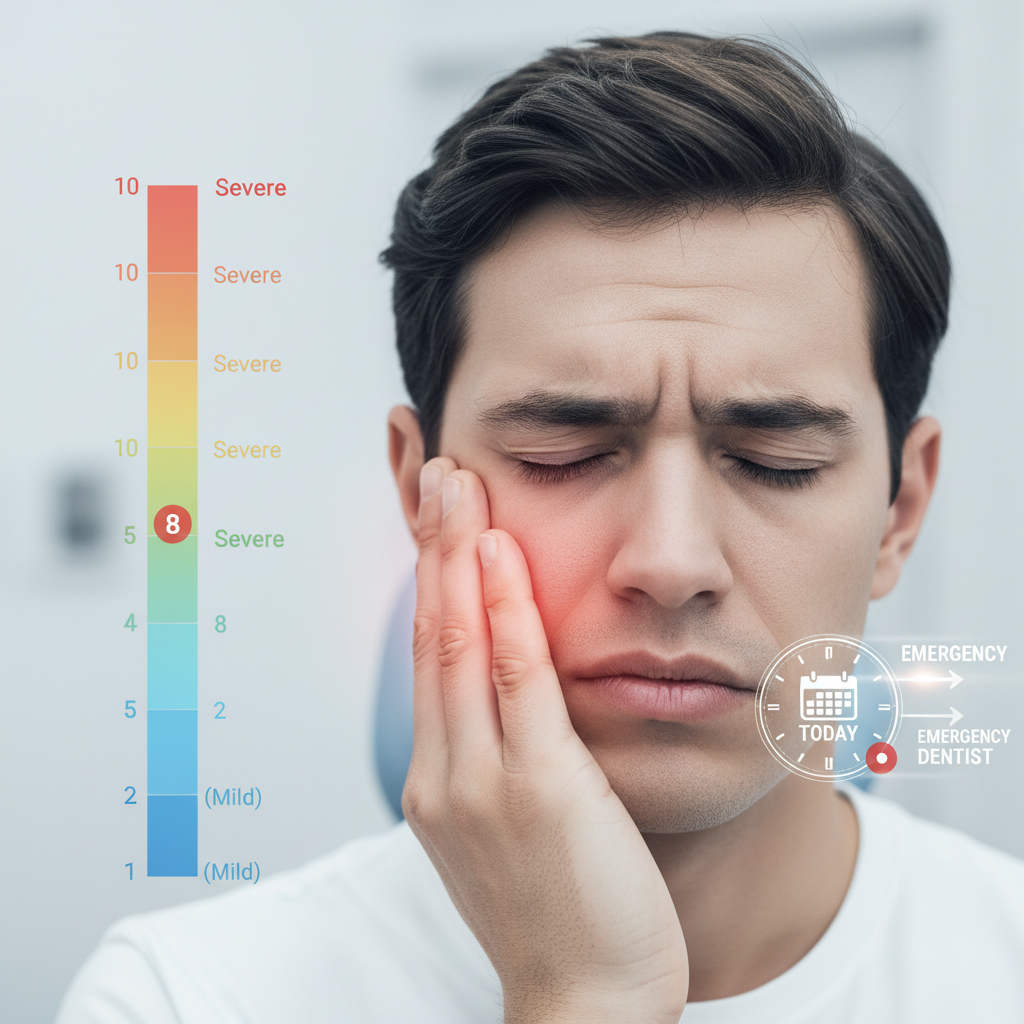
- Severe or worsening tooth pain that interferes with sleep, work, or eating
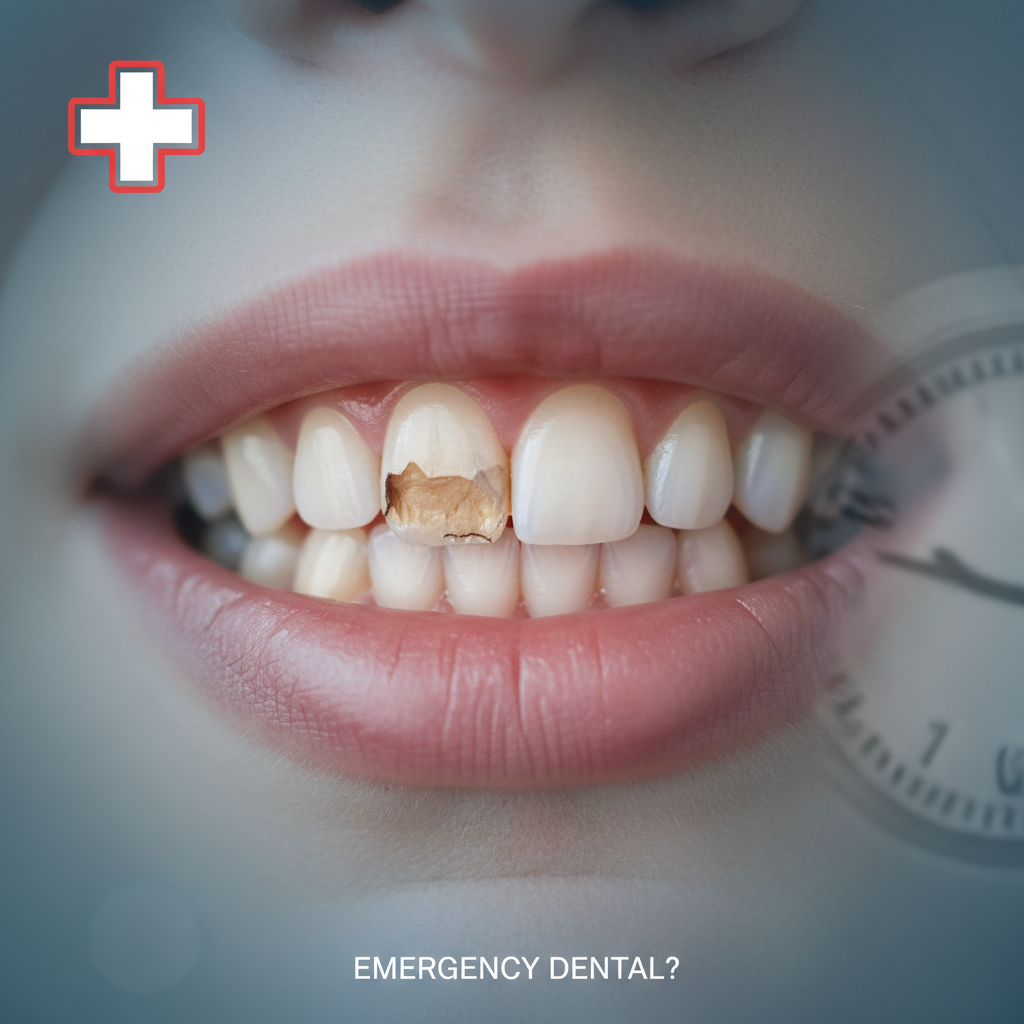
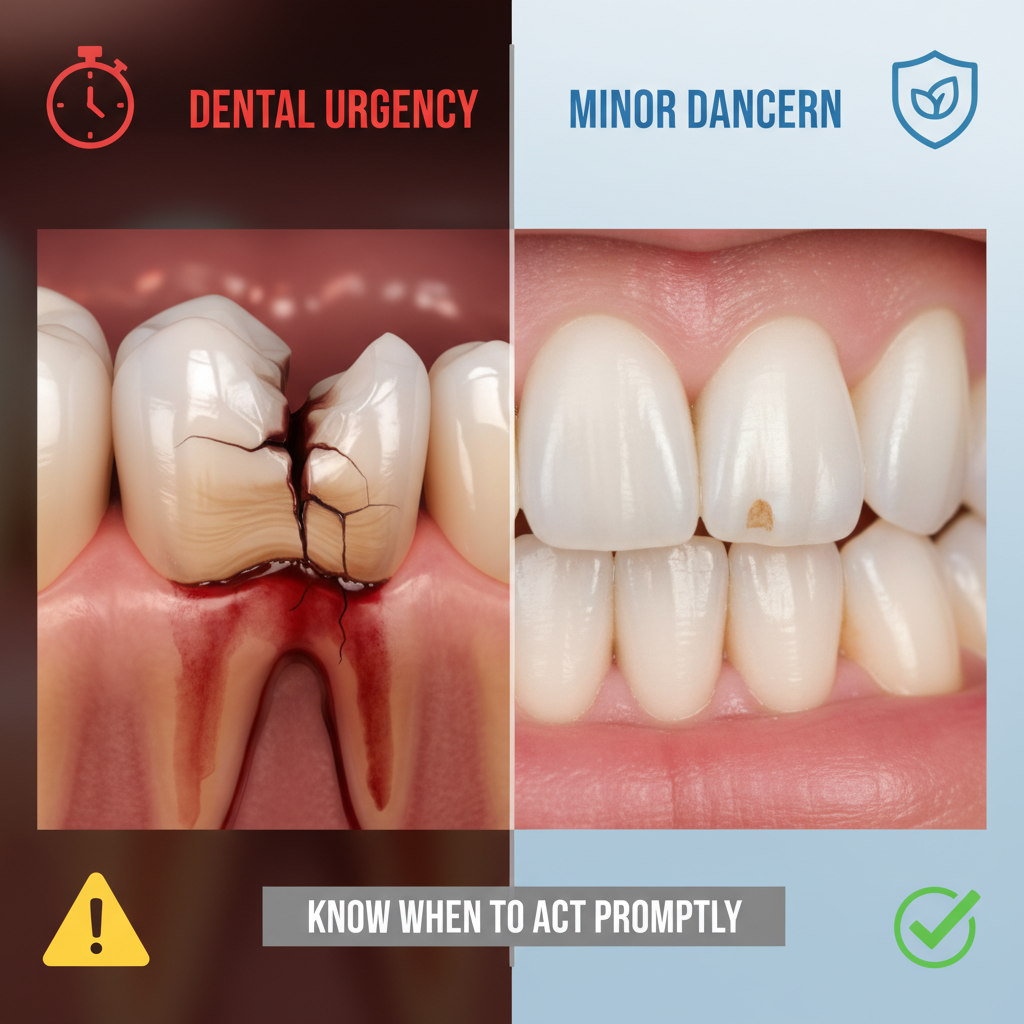
- A cracked, broken, or chipped tooth
- A knocked out tooth after a fall, accident, or sports injury
- Swelling in your face or gums, especially if it is spreading or painful
- A dental abscess or suspected infection
- Lost or broken crowns, fillings, veneers, or bridges
- Trauma from car accidents or sports that affects your teeth or jaw
Clinics like Gateway Dental emphasize that even when you are treated in an emergency room for an accident, the hospital will not repair tooth damage. You still need an emergency dental visit afterward to address broken or lost teeth or infections [2].
How insurance usually categorizes emergencies
Dental plans often group emergency treatments into categories such as:
- Diagnostic, for exams and emergency x‑rays
- Basic restorative, for fillings and simple extractions
- Major services, for oral surgery, root canals, crowns, and complex extractions
Many emergency services fall under basic or major care. Plans like those offered by Aflac specifically highlight coverage for emergency procedures, including oral surgery, to help reduce high out of pocket costs when unexpected issues arise [3].
Your share of the cost can change depending on which category the treatment lands in and where you are in your deductible and annual maximum. This is why clear pre‑treatment estimates are so important. Resources like an emergency dental cost estimate and emergency dental fee estimate can help you frame the right questions before you commit.
How insurance verification works in an emergency
If you want an emergency dentist that accepts insurance and also gives you accurate pricing, insurance verification is the key step. Verification is how the office confirms your eligibility, remaining benefits, and specific coverage rules before they start treatment.
Why verification protects you
Verifying insurance ahead of time helps prevent:
- Denied claims that leave you with the entire bill
- Incorrect estimates that understate your portion
- Delays in care because coverage questions were not answered early
Industry resources emphasize that verifying dental insurance before treatment is crucial to avoid denied claims, surprise bills, and to protect both practice revenue and patient trust [4].
This process is especially important if you are using a provider that identifies as an insurance accepted emergency dentist or dentist insurance friendly for emergencies. These offices are set up to work closely with insurers and provide clearer cost information.
What the office checks with your insurer
When an emergency dentist verifies your insurance, they typically confirm:
- Whether your plan is active and the effective dates
- Your annual maximum, and how much you have already used
- Remaining deductible for the year
- Coverage percentages for emergency exams, x‑rays, fillings, extractions, root canals, and crowns
- Waiting periods that might affect newer policies
- Frequency limits, such as how often a crown can be replaced
- Pre authorization rules for specific procedures
Missing small clauses can lead to denials. One example cited in industry guidance involved a $900 crown replacement that was denied because the plan had a seven year replacement rule that was not checked in advance [5]. Accurate verification protects you from similar surprises.
If you want to understand this process in more depth before you need it, you can review how an insurance verification dentist typically works with your plan.
Timing of verification
For routine care, experts recommend verifying insurance two to three days before your visit to confirm eligibility, plan limits, and accurate estimates [4].
For emergencies, you often cannot wait that long. Many emergency practices will:
- Do a quick, same day verification by phone or electronic portal
- Give you a range for your estimated out of pocket costs
- Start urgent pain relief or infection control immediately, then finalize coverage details during or just after the visit
Being prepared with your insurance card, photo ID, and any secondary plans will help the office move faster.
What your emergency visit typically costs with insurance
You are likely wondering what you will actually pay out of pocket. The answer depends on:
- The procedure you need
- Your plan design and remaining benefits
- Whether the office is in or out of network
Example costs for common emergency procedures
Industry data provides some baseline price ranges before insurance:
- Simple tooth extraction, visible and easily removable, about 75 to 250 dollars per tooth [1]
- Surgical extraction or impacted tooth, often 200 to 600 dollars per tooth before insurance or financing [1]
- Additional fees for anesthesia, sedation, or prescriptions, depending on what you need [1]
If your plan covers 80 percent of a simple extraction after your deductible, and the provider charges 200 dollars, your rough share might be 40 dollars plus any remaining deductible. The actual numbers can vary, which is why many practices offer tools like an emergency dental pricing charlotte page or budget emergency dental care guides to help you anticipate costs.
For root canals, emergency pricing can feel more unpredictable. Reviewing a resource like cost of emergency root canal before you call can help you ask targeted questions about how your plan applies.
How your plan structure affects your bill
Your final cost is influenced by:
- Deductible, what you must pay before insurance shares the cost
- Co insurance, the percentage you pay after meeting your deductible
- Annual maximum, the total your plan will pay each year
- In network discounts, reduced fees when you use participating providers
Maintaining up to date deductible and maximum balances in the office software allows emergency dentists to give you more accurate out of pocket estimates and avoid unexpectedly higher bills later [6].
If your plan is nearly maxed out for the year, your share will be higher. This is a good time to have an urgent dental cost discussion with the office so you can balance what is medically necessary now with what can safely wait.
Same day and walk in access when you have insurance
You might be concerned that finding an emergency dentist that accepts insurance will slow down how quickly you can be seen. In reality, many insurance friendly offices are set up specifically for rapid entry, same day treatment, and clear cost communication.
Same day and extended hours options
Some emergency providers are open seven days a week, including evenings and holidays, and work with most major dental insurance plans, which helps you get seen quickly when pain cannot wait [7]. Others operate as nationwide walk in clinics that handle everything from tooth pain and swelling to broken teeth, lost crowns, and denture emergencies on the same day [8].
If you are in a city where same day access is available, you can often secure a same day dental appointment charlotte or a walk-in dental with insurance slot by calling early in the day or using online scheduling.
During your visit, a typical emergency flow might include:
- Quick check in and insurance capture
- Focused exam and x‑rays if needed
- Immediate pain relief or infection control
- Presentation of a treatment plan
- Discussion of a detailed cost estimate before you leave [8]
This structure keeps you from being surprised by costs later while still prioritizing timely care.
Virtual consults and remote triage
Some emergency dental offices now offer virtual consultations or teledentistry, which can be helpful if you are unsure whether you truly need an in person emergency visit. For example, Dentcare Now uses video visits to evaluate symptoms, discuss options, and guide next steps before you come in, all while keeping insurance and cost transparency in focus [7].
This kind of remote triage can help you decide whether to seek immediate care, schedule a next day visit, or manage discomfort at home briefly until you can be seen.
Using Medicaid, supplemental, or secondary coverage
If you rely on Medicaid, a supplemental dental plan, or secondary coverage, it is important to understand how these options fit into emergency treatment and which clinics can work with them.
Emergency care and Medicaid
Some emergency dental offices accept Medicaid, while others do not. For example, one national chain openly notes that Medicaid is not accepted at its locations, although it does provide a savings membership and financing for uninsured patients [8].
If you have Medicaid and need urgent care, it is worth reviewing resources such as emergency dental with medicaid to identify clinics that can bill your coverage and explain any limitations. This can save you time calling multiple offices when you are already in pain.
Supplemental and secondary dental insurance
Plans like Aflac dental can serve as primary coverage or as a supplement to your existing dental plan. Their policies are designed to lower out of pocket expenses for emergencies and major services such as oral surgery, and they can be added on top of another dental plan to cover gaps [3].
Availability and specific benefits vary by state, and some plans have waiting periods or optional riders, so you are encouraged to review details with an agent [3]. If you already have a supplemental policy, share this information with the emergency office so they can coordinate benefits and reduce your personal cost.
If you carry both primary and secondary coverage, the office will usually:
- Bill your primary plan first
- Apply any remaining amount to your secondary plan
- Inform you of any balance that falls to you
Understanding how your plans coordinate can help you decide whether to move forward with more extensive same day treatment or limit the appointment to stabilizing care.
What if you do not have insurance or are underinsured
You might still need an emergency dentist even if you do not currently have coverage, or if your plan will not pay enough to make treatment affordable. Many offices that are experienced with insurance are also proactive about financial options for uninsured patients.
Savings plans and promotional offers
Some national providers offer in house savings programs that are not insurance but can reduce costs significantly. One example is the Aspen Dental Savings Plan, which charges about 49 dollars per year and can save you up to 30 percent on services, including emergency care, for patients without dental insurance [8].
Your local clinic may also have emergency dental special offers for new patients, emergency exams, or limited time discounts. These can be helpful if you are looking for affordable emergency dentistry charlotte or similar solutions in your area.
Payment plans and financing
When insurance is limited or absent, payment flexibility becomes critical. Many emergency practices offer:
- In house payment arrangements that break your balance into smaller installments
- Third party financing with quick approval processes
Aspen Dental notes that 99 percent of patients who apply for third party financing are approved, which makes urgent treatment more accessible for those without insurance or with high deductibles [8].
Locally owned practices recognize that cost is a major barrier for many families. Gateway Dental, for instance, specifically points out the challenge lower income households face and offers financing so patients do not have to delay needed emergency care over money concerns [2].
If you know you will need flexibility, you can ask the office about an emergency dentist payment plan, general urgent dental payment plans, or broader emergency dental financing options before your appointment.
Quick tip: If you are worried about cost, tell the office that upfront when you call. Many teams are prepared to prioritize urgent treatment, then structure additional work around your budget and coverage.
How to prepare before you call an emergency dentist
When you are in pain, a short checklist can make the process of getting care through insurance smoother and faster.
Information to gather
Before you pick up the phone, try to have:
- Your dental insurance card, or your plan name, ID number, and group number
- The policyholder name and date of birth, if it is not you
- Any secondary or supplemental coverage cards
- A brief description of your symptoms, including when they started and what worsens or relieves them
- A list of medications you take and any allergies
Having this ready allows the office to move quickly through verification, estimate your costs, and decide how urgent your situation is.
Questions to ask about insurance and pricing
As you speak with the emergency dentist, you can ask:
- Do you accept my specific insurance plan, and are you in network
- Can you verify my benefits before or at the time of my visit
- What will my emergency exam and x‑rays likely cost with my plan
- If I need an extraction or root canal today, what is the approximate range for my out of pocket cost
- Do you offer payment plans or financing if my insurance does not cover everything
- Are there any current discounts or emergency dental special offers I should know about
If you are looking for the most budget conscious path, it may help to browse budget emergency dental care guidance so you can frame your questions in terms of overall affordability, not just immediate pain relief.
Putting it all together for fast, covered care
When you look for an emergency dentist that accepts insurance, you are really trying to line up three things at once. You want rapid access to an appointment, clear communication about what your plan will pay, and financial options for anything your insurance does not cover.
By choosing an office that is experienced with urgent dental with insurance coverage and that offers tools like walk-in dental with insurance access, emergency dental cost estimate support, and flexible urgent dental payment plans, you give yourself the best chance at quick, effective, and affordable relief.
You do not need to have every answer before you call. If you gather your insurance information, describe your symptoms clearly, and ask direct questions about coverage and cost, the right emergency dental team can guide you from anxiety and uncertainty toward a clear plan for care.