Understanding emergency dental with Medicaid
When you are in pain and searching for emergency dental with Medicaid, you need clear answers fast. You want to know if your visit is covered, what it will cost, and how to get seen the same day without a surprise bill later.
Medicaid does help with urgent dental care, but what is covered and how you access it depends on your state, your age, and your specific Medicaid plan. By understanding a few core rules and using the right resources, you can often get emergency treatment at little or no cost, especially for children.
This guide walks you through how emergency dental with Medicaid generally works, how coverage differs for adults and children, how to use state programs like Medi‑Cal Dental and Cardinal Care Smiles, and what to do if you still have out of pocket costs.
What counts as a dental emergency with Medicaid
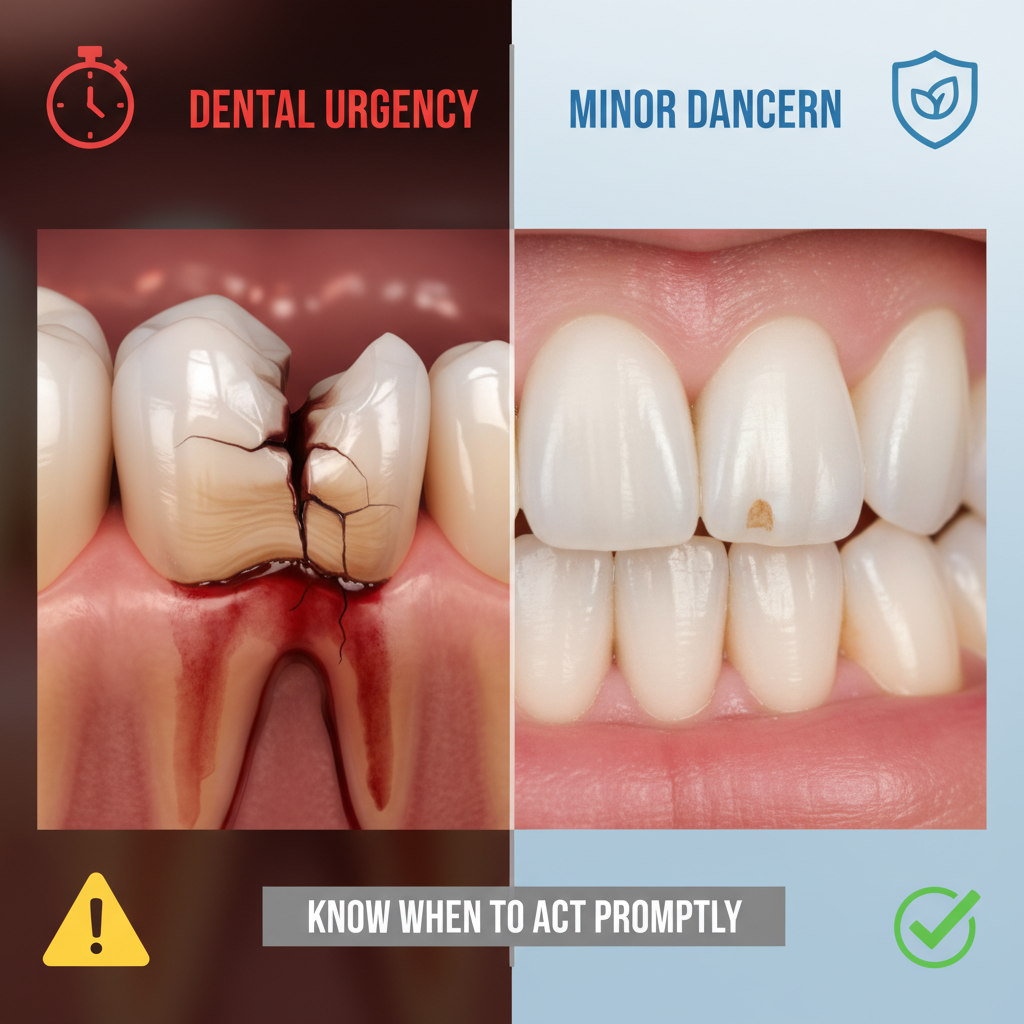
Not every dental problem is considered an emergency under Medicaid. Knowing the difference helps you understand what is likely to be covered and what might be considered routine or elective.
Typical dental emergencies
In most states, emergency dental care focuses on conditions that are:
- Painful
- Infected or at high risk of infection
- Threatening your ability to eat, speak, or maintain overall health
Examples include:
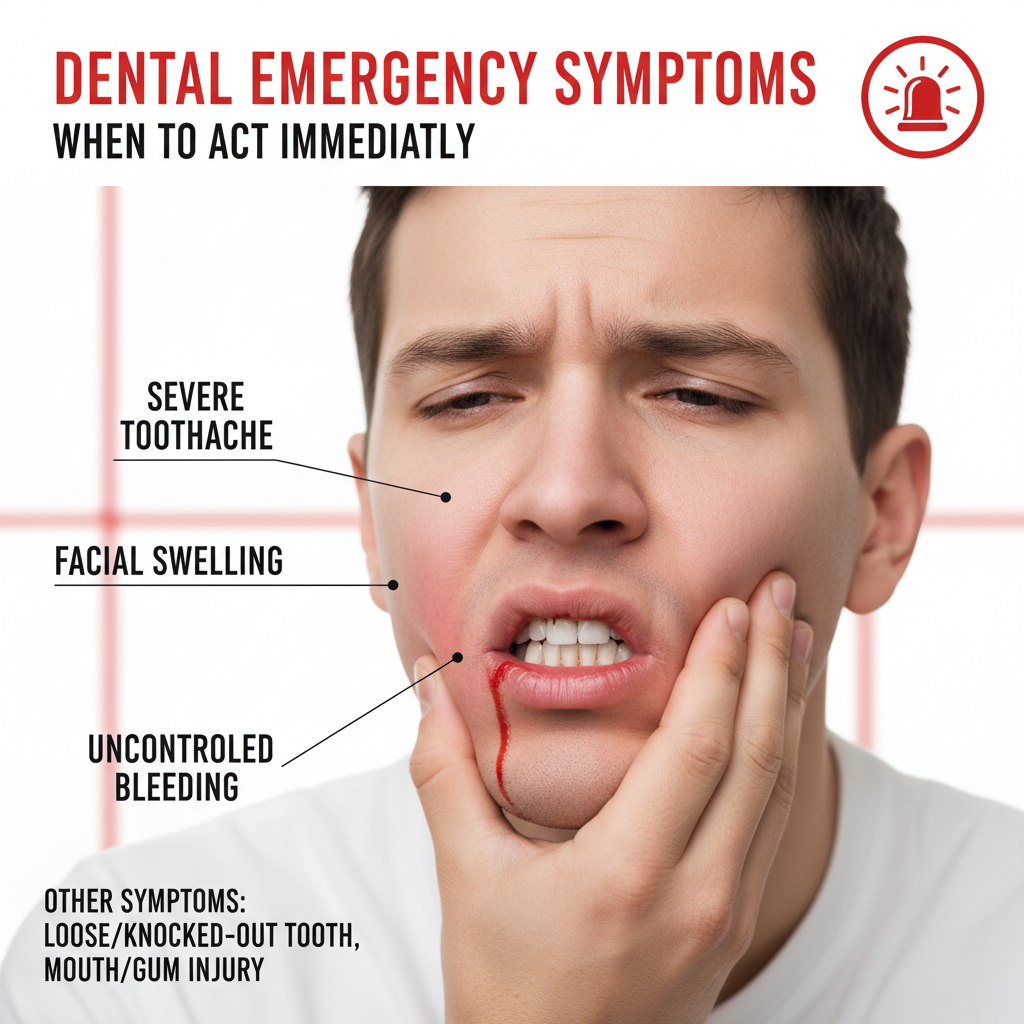
- Severe toothache that keeps you from sleeping or functioning
- Dental abscess or swelling in your face or jaw
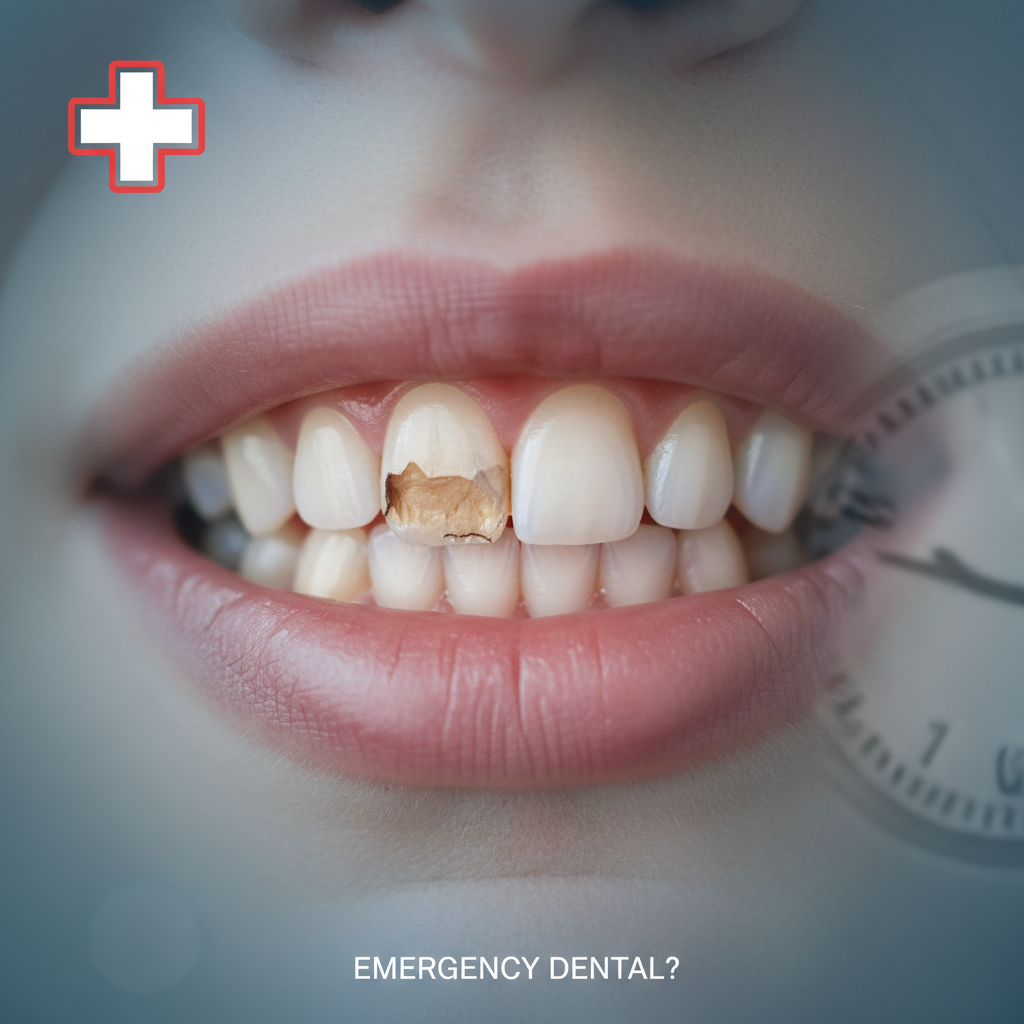
- Trauma such as a broken or knocked‑out tooth
- Uncontrolled bleeding after an extraction or injury
- Infection that is spreading or causing fever
These situations are more likely to qualify as emergency dental care with Medicaid, especially when a dentist documents that treatment is medically necessary to relieve pain, stop infection, or protect your health.
What is usually not an emergency
Many important services are not considered emergencies, even though they may feel urgent to you. These often include:
- Routine cleanings and checkups
- Simple fillings without severe pain
- Cosmetic procedures such as teeth whitening or veneers
- Elective orthodontics for adults in most states
Some states cover these services for certain groups, but they are handled as routine or preventive care rather than emergency dental with Medicaid.
How Medicaid dental coverage works in general
Medicaid is a joint federal and state program. Federal rules set some minimum standards, but each state designs its own dental benefit package, especially for adults.
This is why emergency dental with Medicaid can be very different depending on where you live.
Children and teens: broad protection for emergencies
For children and teens under Medicaid or CHIP, dental coverage is much stronger. Under the Early and Periodic Screening, Diagnostic and Treatment (EPSDT) requirement, states must provide all medically necessary dental services, including emergency care, for children, even if those services are not specifically listed in the state plan [1].
That means if your child has a dental emergency and a dentist documents that treatment is medically necessary, Medicaid is required to cover the service. This can include:
- Emergency exams
- X‑rays
- Extractions
- Root canals on baby or permanent teeth when needed
- Follow up treatment to resolve infection or pain
EPSDT is one of the strongest protections you have when seeking emergency dental with Medicaid for a child.
Adults: coverage set by each state
For adults, the rules are different. There is no federal requirement that Medicaid cover dental care at all for adults. States have full discretion to decide whether they offer:
- No dental benefit
- Emergency‑only dental
- Limited dental
- Extensive dental
According to Medicaid guidelines, there are no minimum federal requirements for adult dental coverage, which directly affects access to emergency dental care for adults with Medicaid [1].
In many states, adults at least have emergency dental coverage, which typically includes:
- Exams and X‑rays to diagnose the problem
- Extractions for severely decayed or infected teeth
- Drainage and antibiotic treatment for abscesses
More comprehensive treatment, such as crowns, non‑emergency root canals, or dentures, might not be covered in every state for adults. You need to check your state’s specific adult dental benefits.
State examples: Medi‑Cal Dental and Cardinal Care Smiles
Two current programs help show how emergency dental with Medicaid can work in practice in different states.
Emergency dental with Medi‑Cal Dental (California)
If you live in California and have Medi‑Cal, your dental coverage is provided through the Medi‑Cal Dental Program.
As of 2025:
- Medi‑Cal Dental covers many dental services at little or no cost
- Covered services include both emergency and routine dental care
- Root canals on both front and back teeth are included when medically necessary [2]
To use emergency or other covered dental services, you do not need a separate application. You simply:
- Schedule an appointment with any Medi‑Cal dentist
- Present your Medi‑Cal card at the visit [2]
If you are in the Inland Empire or anywhere in California and need to find a Medi‑Cal dental provider for an emergency:
- Visit www.smilecalifornia.org or
- Call 1‑800‑322‑6384 for help finding a dentist [2]
Medi‑Cal Dental also covers medically necessary orthodontic services such as braces for qualifying children, which can include treatment that prevents more serious problems later [2].
Emergency dental with Cardinal Care Smiles (Virginia)
In Virginia, Medicaid dental coverage is provided through Cardinal Care Smiles. This program covers:
- Members 20 years and younger
- Medicaid members over age 21
- Pregnant adults enrolled in Medicaid or FAMIS MOMS [3]
Key points:
- Children under 21 are eligible for all medically necessary dental services, including emergency treatments, prevention, and other services from participating dentists [3]
- Adult Medicaid members who are not pregnant receive coverage focused on oral health, prevention, and restorative treatments. Adult braces are not covered [3]
- Pregnant adults 21 and older have access to prevention, treatment, and other services, but braces are not covered. These enhanced benefits end 12 months after the baby’s birth [3]
If you need help finding or changing your Dental Home, or need assistance accessing emergency and routine dental care, you can call Cardinal Care Smiles member services at 888‑912‑3456, Monday through Friday, 8 a.m. to 6 p.m. ET [3].
How Medicaid affects emergency room dental visits and costs
Many people with untreated dental problems end up in the emergency department simply because they do not have access to a dentist. Medicaid policy can change that pattern.
Research on states that expanded Medicaid and added adult dental benefits found:
- States that expanded Medicaid and offered adult dental benefits saw a 14.1 percent decrease in emergency department dental visits between 2012 and 2014, from 19,443 to 16,709 visits [4]
- Medicaid expansion under the Affordable Care Act was associated with a 21.06 percentage point increase in Medicaid coverage and a 20.21 percentage point reduction in self‑pay or uninsured status for emergency dental visits among low‑income adults in 33 states [4]
- When states combined Medicaid expansion with adult dental benefits, emergency department dental visits among Medicaid and uninsured populations dropped by 18.0 percent. In contrast, states without both policies saw increases of up to 25.4 percent [4]
One important finding is that expanding medical insurance alone is not enough. States that expanded Medicaid but did not add adult dental benefits often saw increases in emergency dental visits, which suggests that dental coverage itself is critical [4].
Emergency dental visits are expensive for the system overall, costing nearly 2 billion dollars in 2015. Many of these visits could be prevented or treated more effectively in dental clinics instead of the emergency room. Medicaid expansion that includes adult dental coverage helps move care from the ER to the dental chair, where you can receive definitive treatment rather than temporary pain relief [4].
Steps to get emergency dental care with Medicaid
In a crisis, it helps to have a simple plan. While details differ by state, you can usually follow a similar process to access emergency dental with Medicaid.
1. Confirm your eligibility and plan
If you have a Medicaid card, you are already enrolled. If you are unsure of your status:
- Call the member services number on your card, or
- Log into your state Medicaid portal
Ask specifically:
- Does my plan cover emergency dental services for adults or children?
- Are there any copays or visit limits?
- Do I need a referral for emergency dental treatment?
If you are in a managed care plan, you can also ask which network dental providers offer urgent or same‑day appointments.
2. Find a dentist who accepts Medicaid
To get coverage, you usually must see a dentist who accepts your Medicaid plan.
Depending on your state, you can:
- Use your Medicaid or dental plan website to search for in‑network dentists
- Call member services and ask for emergency dental providers in your area
- If you are in California, use www.smilecalifornia.org or the 1‑800‑322‑6384 phone line [2]
- If you are in Virginia on Cardinal Care Smiles, call 888‑912‑3456 for help finding a Dental Home [3]
If you are in the Charlotte area and comparing options, you can look for an emergency dentist that accepts insurance to help you use Medicaid or other coverage efficiently.
3. Ask for same‑day or urgent appointments
Explain that you have:
- Severe pain
- Swelling or fever
- Trauma or a broken tooth
Mention that you have Medicaid and that you are seeking emergency dental care. If you are in or near Charlotte and need help the same day, look for a provider offering a same day dental appointment charlotte so you can be seen quickly.
If you cannot find a dental appointment and your symptoms are severe or life threatening, such as serious facial swelling, trouble breathing, or uncontrolled bleeding, go to an emergency department.
4. Bring your documentation
For a smooth visit, have:
- Your Medicaid card or digital ID
- A photo ID, if you have one
- A list of medications and health conditions
If you are not certain your Medicaid information is up to date, some offices can help with insurance verification dentist support, especially if they focus on emergency care.
What you might still pay with Medicaid
Medicaid can greatly lower the cost of emergency treatment, but coverage is not always 100 percent for every adult service in every state.
Common cost patterns
Depending on where you live and your specific plan, you might see:
- Zero cost for emergency exam and extraction for children
- Small copays for adult emergency visits
- Limits on the number of visits or certain procedures in a year
- No coverage for services considered non‑emergency for adults
If you are trying to plan ahead, you can use an emergency dental cost estimate or emergency dental fee estimate tool from a local practice to get a clearer sense of likely charges after Medicaid.
Example: emergency root canal costs
For a severely infected tooth, a root canal might save the tooth instead of extracting it. Some Medicaid programs, such as Medi‑Cal Dental in California, cover root canals on both anterior and posterior teeth when medically necessary [2].
In other states, root canals for adults might have limited coverage or be excluded, which can affect your out of pocket costs. Checking the cost of emergency root canal in your area, along with your specific Medicaid benefits, helps you decide whether saving the tooth is practical financially.
Options if Medicaid does not cover everything
Even with Medicaid, you might face uncovered services, limited benefits, or shortages of dentists who accept your plan in your area. You still have options to keep care as affordable as possible.
Combine Medicaid with insurance friendly practices
Some practices work directly with multiple plans and are experienced at helping you maximize coverage. Searching for an insurance accepted emergency dentist or a dentist insurance friendly for emergencies can:
- Reduce the risk of surprise bills
- Help you understand which services are fully vs partially covered
- Make it easier to coordinate follow up care after the urgent visit
If you have another dental plan on top of Medicaid, an urgent dental with insurance coverage provider can help you use both.
Ask about payment plans and financing
For portions not covered by Medicaid, many emergency offices provide:
- In house payment plans
- Third party financing
- Discounts for prompt payment in some cases
You can look for:
- Urgent dental payment plans if you want to spread payments out
- Emergency dental financing options if you need a structured credit option
- An emergency dentist payment plan if you prefer low monthly payments over a single large bill
Discussing cost upfront with an urgent dental cost discussion can reduce stress and help you focus on getting out of pain.
Seek budget focused emergency care
If you are very cost conscious, you can prioritize practices that highlight affordability, especially if you live in a metro area.
For example, if you are near Charlotte and comparing options, you can look into:
- Affordable emergency dentistry charlotte for practices that design care plans with tight budgets in mind
- Emergency dental pricing charlotte to understand typical price ranges before you commit
- Budget emergency dental care pages that outline low cost options and discounts
Some practices also provide emergency dental special offers, such as reduced fees for first visits, free emergency exams with treatment, or bundled pricing for specific urgent procedures.
Walk in or same day care
If pain escalates and you cannot wait for a later appointment, you might find:
- Same day scheduled visits
- Walk in slots reserved for emergencies
Searching for walk-in dental with insurance can connect you to offices that accept Medicaid or other insurance and are prepared to see emergencies on short notice.
Using national resources to find Medicaid dental providers
Federal programs support access to dental care for Medicaid and CHIP members across the country.
Key points to know:
- States that participate in Medicaid and CHIP must provide a listing of dental providers and benefit packages, which are made available through InsureKidsNow.gov [1]
- The Centers for Medicare and Medicaid Services (CMS) promotes access to dental and oral health services through the Oral Health Initiative, which includes efforts to improve emergency dental access for Medicaid and CHIP beneficiaries [1]
If you are having trouble finding a dentist who accepts your Medicaid, especially for a child, those state level resources and InsureKidsNow.gov can be valuable starting points.
If your child is on Medicaid or CHIP and a dentist says a medically necessary emergency service is not covered, you can ask about EPSDT protections, which require states to provide all necessary dental services for children, including emergencies, when medically necessary [1].
Putting it all together: planning ahead for emergencies
No one plans for a dental emergency, but you can prepare so you are not scrambling when pain hits. With Medicaid, a little planning can make a significant difference in how quickly you get care and how much you pay out of pocket.
You can:
- Confirm your Medicaid dental benefits now, for both adults and children in your household
- Identify at least one local provider who accepts your Medicaid and offers urgent or same day appointments
- Bookmark or save information for insurance accepted emergency dentist options and practices that offer budget emergency dental care
- Ask any office you are considering how they handle emergency dental cost estimate, emergency dentist payment plan, and emergency dental financing options before you need them
When a crisis arrives, you will already know who to call, what your coverage looks like, and which payment options can keep your care affordable. That preparation allows you to focus on what matters most, getting relief from pain and protecting your long term oral health, while using emergency dental with Medicaid as effectively as possible.