You’ve just weathered a dental emergency—perhaps a traumatic crack, an unexpected extraction, or relentless pain. Your dentist may have stopped the bleeding, stabilized a loose tooth, or removed an infection source. Now the crucial next step is your emergency dental follow up appointment. This visit makes sure that whatever saved your smile initially stays on course while guiding your healing, pain management, and long-term protection.
Skipping a follow-up can leave hidden issues untreated, invite infection, or result in setbacks that require more invasive treatment. Whether you had a root canal, stitches, a temporary crown, or simply an urgent cleaning, your follow-up visit ties all those loose ends together. By understanding what happens during this appointment and following expert guidance, you’ll protect your oral health and enjoy a smoother recovery.
In this article we’ll explore why an emergency dental follow up appointment matters, what you can expect during the visit, common procedures, recovery steps, warning signs that require immediate attention, and strategies for keeping your smile strong long after you leave the chair.
Why follow-up matters
Even after the initial emergency treatment, your tooth and surrounding tissues are in a vulnerable state. An emergency dental follow up appointment is designed to:
• Confirm that infection or bleeding has resolved
• Remove any temporary restorations or sutures
• Make adjustments to alignments or bite
• Monitor healing stages to prevent complications
In Marysville, WA, providers stress that follow-up care “prevents future complications and supports full recovery” by offering personalized guidance throughout the process [1]. If you experienced a knocked-out tooth, prompt emergency treatment preserved it, but your follow-up visit within days is equally critical to ensure the ligaments reattach properly and infection doesn’t gain a foothold [1].
Beyond the clinical checks, a follow-up appointment gives you a chance to ask questions, review at-home care instructions, and understand the timeline for any further procedures, such as a permanent crown or implant. It’s the bridge between crisis management and your return to normal daily life.
“A timely follow-up visit ensures that minor concerns are caught early, so you avoid major procedures down the road.”
What to expect
Your emergency dental follow up appointment will feel different from a routine cleaning. Expect a focused, efficient visit centered on your recent treatment. Common steps include:
Triage and symptom review
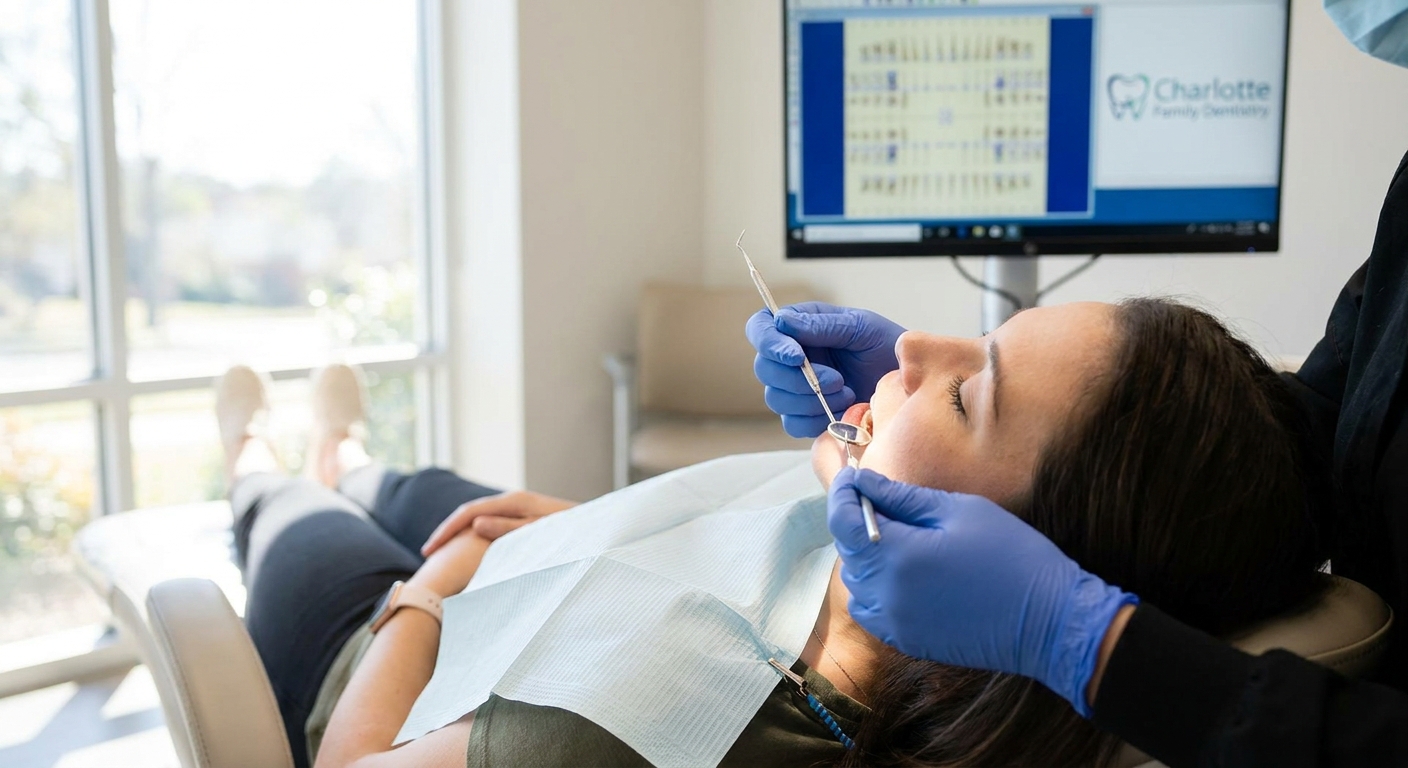
Your dentist or hygienist will start by reviewing how you’ve felt since the emergency visit. They’ll ask about pain levels, swelling, and any unusual sensations. This quick triage pins down whether your recovery is on track or if there’s a red flag.
Visual exam and imaging
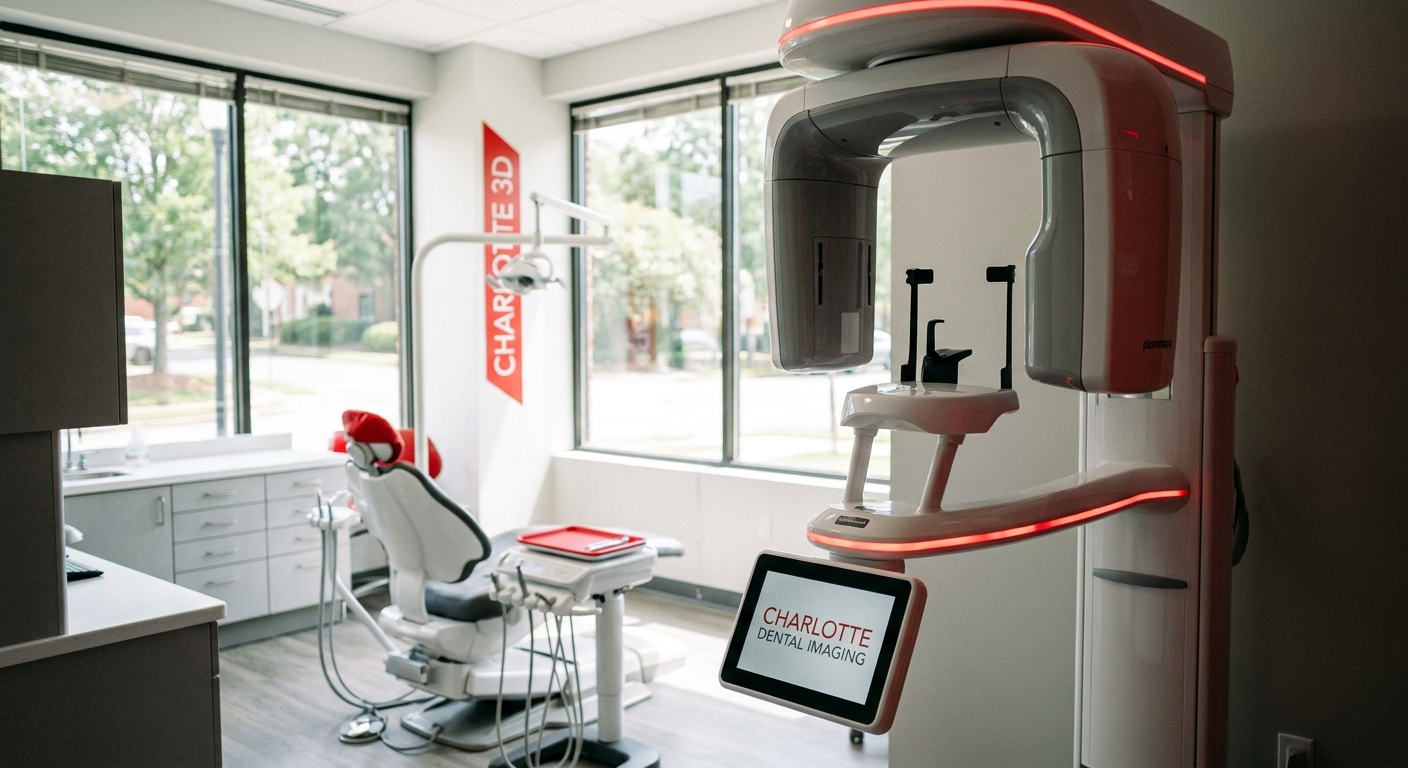
Even if the area looks normal, hidden issues can lurk beneath the surface. Dentists use X-rays and close visual inspection to catch cracks, residual infection, or complications near the root [2]. If you’ve had a complicated extraction or trauma, this step helps confirm that bone and soft tissue are healing properly.
Treatment decisions
Depending on findings, your dentist might complete remaining work—placing a permanent crown, adjusting a filling, or stabilizing a tooth—or they may simply confirm that all is well and schedule your next check. In some cases, they’ll remove temporary materials or sutures, setting the stage for full restoration.
Home care review
Before you leave, expect a clear conversation about your at-home plan. Whether it’s post procedure dental care, diet instructions after dental surgery, or specialized emergency dental aftercare instructions, you’ll walk out with tailored tips to support healing and prevent infection.
Common follow-up procedures
Different emergencies call for different follow-up steps. Below is a comparison of typical timelines and tasks you might encounter:
| Procedure type | Timeline | Typical follow-up task |
|---|---|---|
| Simple extraction | 3–7 days | Check socket healing, remove sutures |
| Root canal therapy | 24–48 hours + 1 week | Assess comfort, fit permanent filling or crown |
| Chipped or cracked tooth | 1 week | Replace temporary crown with custom crown |
| Loose or knocked-out tooth | 1–3 days | Evaluate stability, adjust splint if placed |
| Abscess drainage | 2–5 days | Confirm infection resolution |
| Orthodontic emergency (wire) | Same day or next | Reposition wire, check soft tissue healing |
This table illustrates how your dentist sequences follow-up care to match the complexity of your emergency. In Georgetown, specialists recommend a more frequent schedule for complex procedures like surgical extractions or root canal therapy—sometimes within 24-48 hours, again at one week, and then at two weeks to ensure ideal healing [3].
Suture removal and site cleaning
After an oral surgery or extraction, dissolvable sutures may remain, or your dentist might place silk stitches that need removal. Proper suture removal follow-up dental care minimizes scarring and irritation.
Crown and restoration placement
If you left your emergency visit with a temporary cap, your follow-up will include shaping and cementing your permanent crown or bridge. This ensures a comfortable bite and a natural appearance.
Orthodontic and implant checks
Beyond restorative work, you may need adjustments to any splints, braces, or temporary implants. Early follow-up in these cases keeps hardware from irritating gums or altering your bite.
Managing your recovery
Once the dental team has confirmed that treatment is successful, your role shifts to self-care. Attention to pain control, hygiene, and nutrition speeds healing and protects your investment.
Pain management
After any invasive dental work, discomfort can linger. Your dentist may prescribe medication, recommend over-the-counter options, or suggest strategies like cold compresses. For extractions, see our guide on pain management post extraction. If you’ve had a root canal, you can find tailored advice in our section on after root canal follow up.
Oral hygiene
Gentle cleaning around the treated area prevents bacterial buildup without disrupting healing. Use a soft-bristled brush, avoid vigorous rinsing, and consider an antimicrobial rinse if recommended. As you progress, you’ll transition back to a normal oral care routine under your dentist’s guidance.
Diet and nutrition
Soft foods are your best friend in the days after treatment. Cool or room-temperature items like yogurt, smoothies, and mashed vegetables supply nutrients without stressing your mouth. Follow detailed diet instructions after dental surgery to know when you can reintroduce firmer foods.
“Proper nutrition, gentle hygiene, and consistent rest make the difference between a quick recovery and lingering soreness.”
Warning signs and when to return
Your follow-up visit confirms normal healing, but you also need to recognize when something isn’t right. Reach out to your dentist immediately if you experience:
- Severe or worsening pain not eased by medication
- Swelling that increases after 48 hours
- Fever or chills indicating possible infection
- Pus discharge or foul taste at the site
- Loose temporary restoration or crown
- Persistent bleeding beyond expected timeframes
These symptoms often call for an unplanned checkup to prevent complications. According to Georgetown experts, swift action on these warning signs leads to better outcomes and fewer long-term issues [3].
Long-term protection strategies
Your emergency dental follow up appointment sets you on the right path, but maintaining a healthy smile takes ongoing effort. Consider these practices:
Schedule preventive exams
Even after your emergency is behind you, routine dental check after treatment visits every six months help catch new concerns before they escalate.
Build a custom maintenance plan
Work with your dentist to tailor a checkup schedule that reflects your risk factors—smoking, diabetes, or history of dental trauma. Your custom plan may include more frequent visits or specialized care.
Invest in protective appliances
If you’re prone to grinding or engage in contact sports, a custom mouthguard can shield your teeth from damage, reducing the chance of another emergency.
Stay informed and proactive
Keep up with any new instructions from your dental team. If you notice changes in your bite, new sensitivity, or shifting restorations, don’t wait for your next appointment—let your dentist know right away.
By combining diligent at-home care, timely follow-ups, and preventive strategies, you’ll preserve not only the work done during your emergency visit but the long-term health and appearance of your smile.
Conclusion
An emergency dental follow up appointment is more than a formality—it’s a pivotal step that transforms urgent care into lasting recovery. From suture removal and crown placement to detailed healing guidance and preventive planning, this visit protects your investment in oral health and keeps complications at bay. You play an active role by following home care instructions, recognizing warning signs, and committing to routine maintenance. With your dentist’s expertise and your proactive approach, you’ll not only heal faster but build a foundation for a strong, resilient smile for years to come.