You rely on your dental crowns every day to protect weakened, broken, or decayed teeth. When a crown cracks, loosens, or falls off, you need prompt emergency crown replacement to avoid pain, sensitivity, or further damage. Whether you’re facing sudden discomfort or a visible gap in your smile, knowing how to stabilize the tooth, apply a temporary fix, and seek professional care can make all the difference in preserving your oral health.
In this article, you’ll learn how to identify crown emergencies, assess the damage, use safe at-home measures, and explore the latest same-day crown technologies. You’ll also discover how to choose the right crown material and follow essential aftercare steps, so your permanent restoration lasts as long as possible. Let’s get started on securing a reliable emergency crown replacement solution you can trust.
Identify crown emergencies
A dental crown that feels off can range from a minor annoyance to an urgent issue. Recognizing the warning signs helps you decide when to act immediately.
Signs of a loose crown
- Your crown wiggles or shifts when you touch it with your tongue
- You experience new sensitivity to hot or cold foods
- You notice a gap between the crown and the tooth margin
- Chewing feels uneven or uncomfortable
If your crown feels loose or has fallen off entirely, it’s time to schedule emergency crown replacement rather than waiting for your next routine visit. Leaving a loose crown in place invites bacteria to damage the underlying tooth structure and could lead to decay or infection. For same-day tips on holding a loose dental restoration in place, see repair loose dental work.
Signs of a broken crown
- Visible cracks or fractures in the crown material
- Jagged edges that can cut your tongue or cheeks
- Sharp pain when biting or chewing
- Pieces of the crown missing
A broken crown with sharp edges requires prompt attention. In some cases, you may be able to protect the exposed tooth with a temporary dental cement while you arrange an appointment. If you’re unsure whether your situation counts as a true dental emergency, review our guide on cracked tooth repair emergency for more details.
Assess your crown issue
Before you attempt any at-home measures, take a moment to evaluate the condition of your crown and the underlying tooth.
Check crown integrity
Rinse your mouth gently with warm water to clear away food debris. Without forcing or wiggling the crown, inspect its surface with a clean finger or mirror. Determine whether the crown is intact, cracked, or missing fragments.
Evaluate pain and sensitivity
Note where you feel discomfort. Is it isolated to the crown area, or does it radiate to adjacent teeth? Persistent pain, especially when biting down, can indicate that the underlying tooth is compromised.
Consider surrounding damage
Look for swelling, bleeding, or redness in the gums near the crown. If soft tissue is injured or shows signs of infection—such as pus or a bad taste—you should prioritize an emergency dental visit.
By assessing these factors, you’ll decide whether a simple at-home fix will hold you over or if you need immediate professional stabilization. If you suspect any serious damage, don’t delay—reach out to an emergency dental stabilization provider.
Apply temporary solutions
When professional help isn’t immediately available, safe temporary measures can protect the exposed tooth and reduce discomfort until you see your dentist.
Clean and prep
- Rinse your crown and the affected tooth gently with warm water.
- Brush away loose debris using a soft-bristled toothbrush.
- Pat the area dry with a clean cotton swab.
Use dental cement or adhesive
If your crown is intact, you can line its interior with an over-the-counter dental cement or denture adhesive. Follow the product instructions closely:
- Apply a thin, even layer of cement inside the crown
- Gently seat the crown on the tooth, ensuring proper alignment
- Wipe away any excess cement around the margins
This temporary fix can hold for several days, giving you time to schedule emergency crown replacement. For more tips on emergency fixes, check out our page on temporary crown repair.
Avoid harmful foods
- Don’t chew sticky or hard foods such as caramel, nuts, or ice
- Favor soft foods like yogurt, applesauce, and mashed vegetables
- Chew on the opposite side of your mouth to minimize pressure
These precautions help prevent further displacement or damage to your crown and the natural tooth beneath.
Seek professional stabilization
Even a well-applied temporary fix can fail if underlying issues go unaddressed. Professional care ensures safe stabilization and paves the way for a long-lasting replacement crown.
Contact an emergency dentist
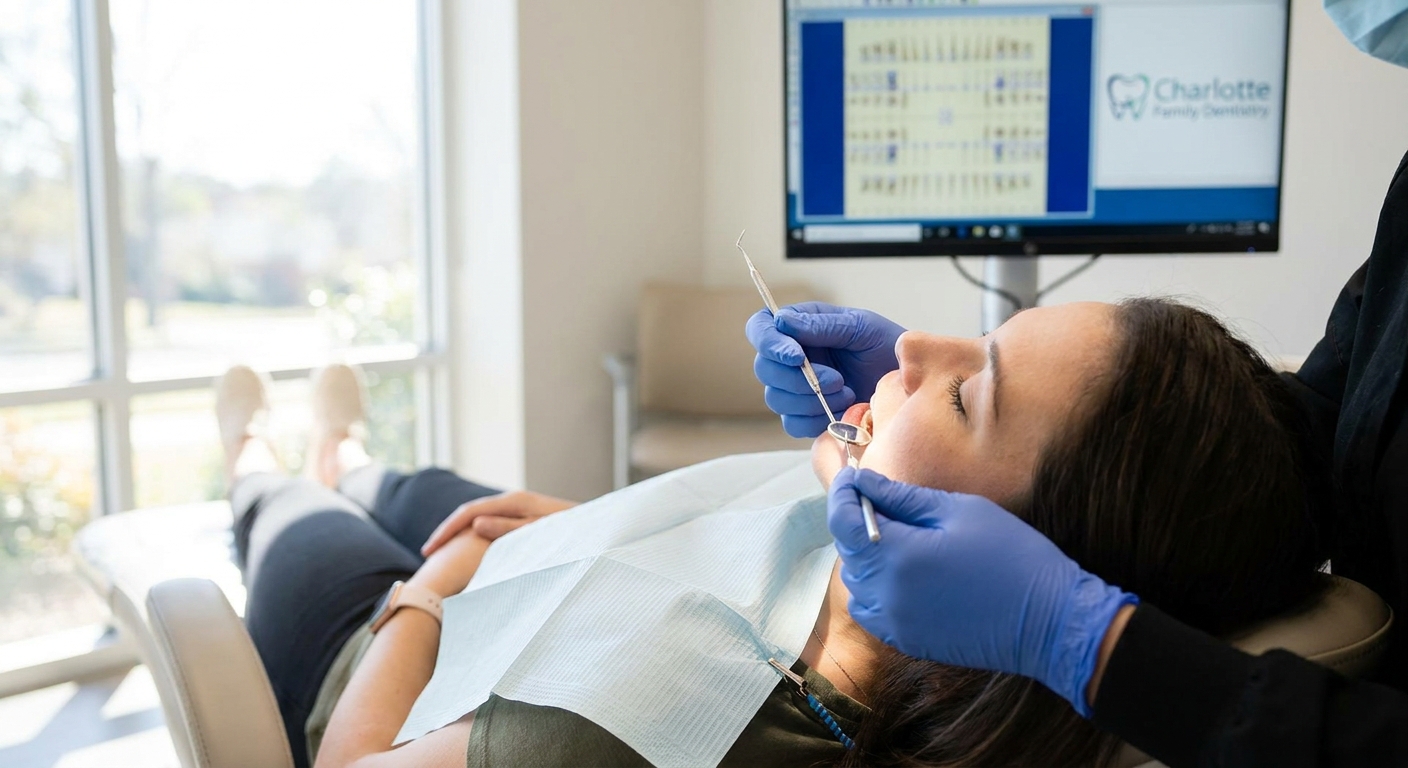
Call your dental office or an emergency dental clinic as soon as possible. Explain your symptoms and whether you’ve applied a temporary cement. Many practices accommodate urgent crown repairs the same day.
Splinting broken teeth
If your crowned tooth is partially displaced or fractured, your dentist may recommend tooth splinting. This involves bonding the injured tooth to adjacent teeth with a composite resin and flexible wire, creating support while the tooth heals. Splinting can stabilize your bite and prevent further movement. Learn more at tooth splinting emergency.
Dental bonding options
For minor crown chips or cracks, emergency dental bonding can restore shape and function. Your dentist applies a tooth color-matched composite resin, sculpts it to the desired form, and cures it under a special light. This process can protect the compromised crown until a full replacement crown is fabricated. Explore bonding services at emergency dental bonding.
Temporary crowns in office
In many cases, your dentist will remove the damaged crown, clean the underlying tooth, and place a prefabricated or lab-made temporary crown. This protects the tooth structure and maintains your bite until the final crown arrives. Temporary in-office crowns often use high-quality acrylic or resin and can last several weeks.
Explore same-day crowns
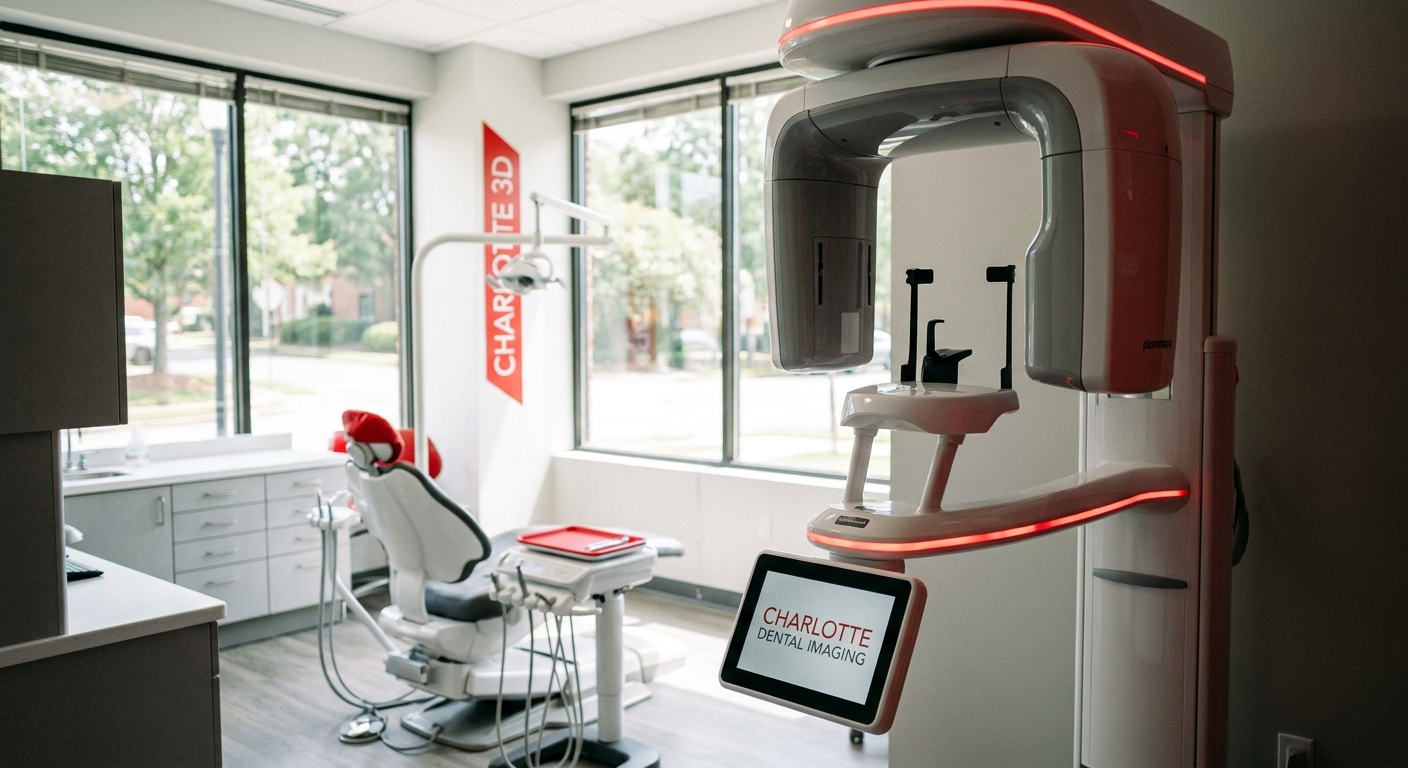
Advances in CAD/CAM technology now allow for emergency crown replacement in a single visit, combining scanning, design, and milling right in the dental office.
How CAD/CAM works
- Digital impressions: Your dentist uses an intraoral scanner to capture a precise 3D model of your prepared tooth.
- Digital design: Specialized software helps you and your dentist design an anatomically accurate crown shape.
- On-site milling: A milling unit carves the crown from a solid ceramic block in about 10–20 minutes.
- Final adjustments: Your dentist checks fit, shape, and color before permanently bonding the crown to your tooth.
Benefits and considerations
- You leave with a permanent restoration in one appointment
- No gooey impression materials or multiple temporaries
- High-strength ceramic offers excellent aesthetics and durability
Same-day crowns typically match traditional crowns in longevity—lasting five to 15 years with proper care—and eliminate the need for a second visit. For more on crown lifespan, see Cleveland Clinic.
Choose crown materials
When you discuss permanent crown options, material choice impacts durability, appearance, and cost. Here’s a comparison of popular crown materials:
| Material | Pros | Cons | Longevity |
|---|---|---|---|
| All-ceramic or porcelain | Natural appearance, stain-resistant | Less fracture-resistant than metal | 5–15 years |
| Porcelain fused to metal | Combines metal strength with porcelain look | Metal edge may show over time | 10–15 years |
| Metal alloy (gold) | Extremely durable, minimal wear to opposing teeth | Less natural color, higher cost | 15+ years |
| Metal alloy (base metals) | Strong, cost-effective | Dark appearance, may irritate gums | 10–20 years |
Ceramic and porcelain crowns offer the most natural look, while gold crowns excel in strength and longevity. Porcelain fused to metal provides a balance of aesthetics and durability. For detailed insights on each option, refer to Western Iowa Dental’s guide on 3 material options for dental crowns.
Care after replacement
Once your permanent crown is in place, proper care ensures it serves you for years.
Follow post-procedure instructions
- Avoid chewing on hard foods for at least 24 hours
- Use only the recommended oral hygiene products
- Take prescribed or over-the-counter pain relief as directed
Schedule follow-up visits
Your dentist may ask you to return for adjustment checks or to monitor healing. Keep these appointments to confirm your crown’s fit and function.
Maintain preventive habits
- Brush twice a day with a soft-bristled toothbrush
- Floss gently around the crown margins
- Wear a nightguard if you grind your teeth
- Visit your dentist for routine cleanings and exams
Consistent care helps you avoid future crown emergencies and preserves both your restoration and natural teeth. If you need specialized trauma care or ongoing stabilization, explore our trauma dental repair services for comprehensive support.
Emergency crown replacement doesn’t have to be stressful. By identifying problems early, applying safe temporary solutions, and working with a skilled dental team, you can restore your smile and protect your oral health with confidence.