Understanding an emergency crown for cosmetic need
When you experience a broken, chipped, or severely damaged front tooth, the impact is more than functional. It affects how you look, how you talk, and how confident you feel. An emergency crown for cosmetic need is a fast, protective “cap” that your dentist places over a damaged tooth to restore its natural appearance and help you smile comfortably again.
In many cases, this type of emergency crown is used after sudden trauma such as a fall, sports injury, or biting on something hard. Emergency dentists often recommend quickly cementing a crown over the remaining tooth structure to recreate the look of an unchipped or unbroken tooth and to protect it from further damage [1].
If you or your child needs urgent cosmetic help, you might also be navigating special situations, like pediatric trauma, dental anxiety that calls for sedation, or existing implants and restorations that have failed. Understanding what to do, step by step, can help you act quickly and reduce stress in the moment.
Recognizing when a cosmetic crown is an emergency
Not every chipped tooth is an emergency. However, there are clear situations where an emergency crown for cosmetic need is appropriate and time sensitive.
You should seek urgent evaluation if:
- A front tooth is broken, cracked, or severely chipped and changes your appearance
- A crown on a front tooth pops off or breaks
- A tooth is so discolored or fractured after trauma that you are unable to comfortably smile, talk, or work
- Your child has a visible tooth fracture or crown loss after an accident and is distressed
Many cosmetic emergencies start with trauma, like a fall or biting down on a hard object. In these cases, a dentist may recommend an emergency crown or veneer to repair the tooth, which restores both function and appearance at the same time [1].
If infection, severe pain, or swelling is also present, your situation is both cosmetic and medical. An urgent visit allows your dentist to control pain, protect the tooth, and plan an esthetic repair. For information on other appearance-focused urgent treatments, you can also review options such as emergency cosmetic dental repair and esthetic emergency dental care.
First steps at home before you reach the dentist
What you do in the minutes and hours after an injury can protect your tooth and improve your final cosmetic result. Try to stay calm and follow these steps.
Protecting the tooth and soft tissues
If you have broken your tooth or lost a crown:
- Gently rinse your mouth with warm water to clear blood and debris.
- Look for any broken tooth pieces or the lost crown, and keep them in a clean container. Bringing these pieces to your appointment can sometimes help your dentist repair the tooth or reuse the crown in an emergency visit [1].
- If there is bleeding, apply light pressure with clean gauze or a damp cloth.
- Avoid chewing on the injured side. Hard or sticky foods can worsen fractures or dislodge temporary repairs.
If sharp edges are cutting your cheek or lips, you can place a small piece of dental wax or sugar‑free gum over the edge until you see the dentist.
Managing pain and sensitivity
Over the counter pain relievers may help with discomfort. Cold compresses on the cheek can reduce swelling. Avoid placing aspirin directly on the gums, which can irritate soft tissue.
If your child is the one injured, reassure them, stay close, and avoid letting them sleep until you have briefly checked for head trauma or other injuries. For more specific steps tailored to younger patients, you can explore guidance such as child tooth trauma emergency and emergency care for children’s teeth.
Once immediate home steps are complete, your next move is scheduling urgent dental care.
Contacting an emergency or cosmetic dentist
When you call a dental office, explain clearly that you need an emergency crown for cosmetic need. Mention whether the injured tooth is in the front of your mouth, whether a crown has fallen off, and if you or your child is in pain or bleeding.
If you are anxious about treatment or have a history of dental fear, you can ask about sedation emergency dental care or sedation for anxious emergency patients. Sedation options can make it easier to complete urgent cosmetic work in a single visit, especially if you have had difficult experiences in the past.
Parents of young children may want to seek a child-friendly emergency dentist or a pediatric emergency dentist charlotte, depending on your location. Pediatric emergency-focused clinics, such as a pediatric trauma dental clinic, are experienced in managing frightened children and communicating with families during stressful situations.
If you already have implants or complex work and notice damage, a practice that offers emergency implant support or emergency implant repair services is often the best choice.
What to expect at the emergency visit
Understanding what happens at your visit can reduce anxiety and help you advocate for your needs.
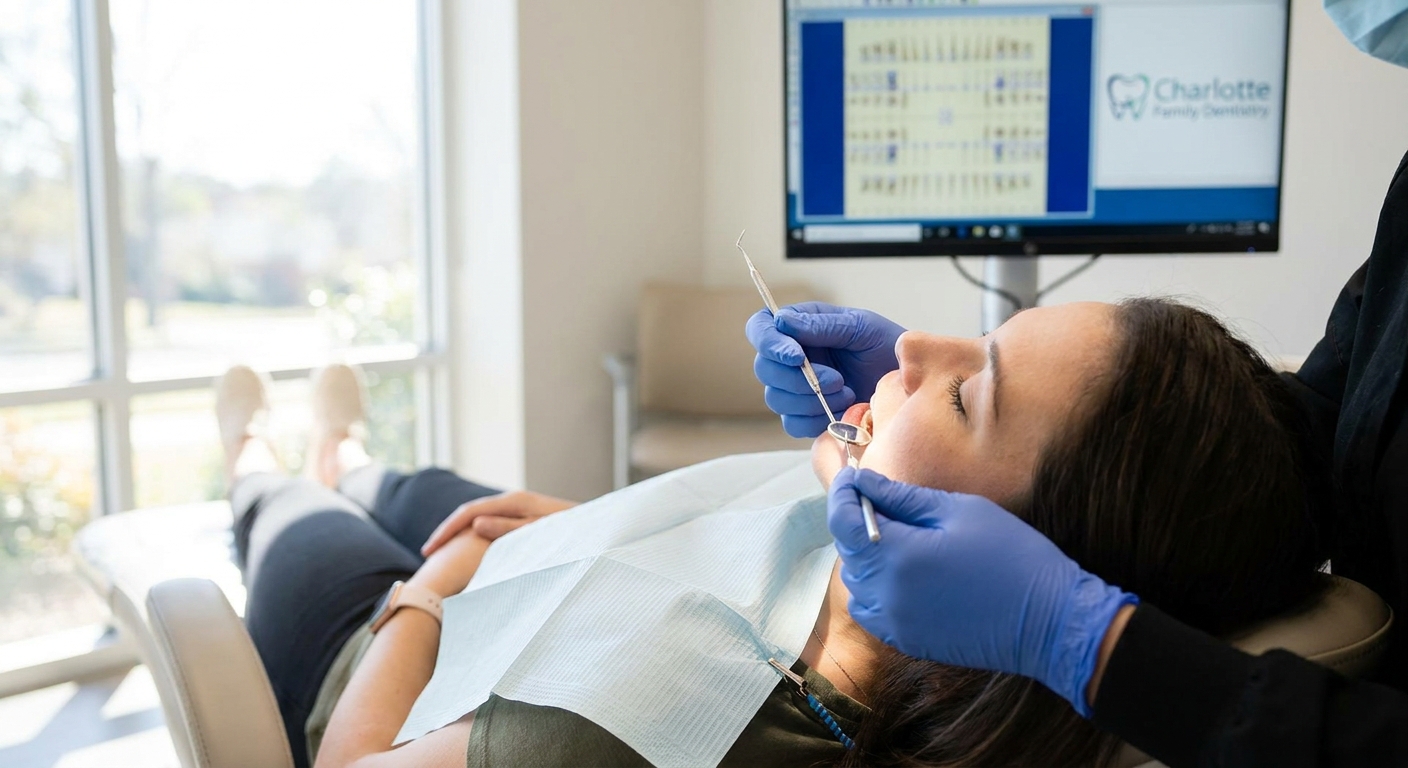
Evaluation and diagnosis
Your dentist will usually:
- Review what happened and any symptoms you have
- Examine your teeth, gums, and bite
- Take X‑rays to check for root fractures, infection, or deeper cracks
- Evaluate your smile line and neighboring teeth to plan a natural looking repair
If the broken tooth cannot support a crown, an extraction and future implant crown may be recommended as a cosmetic replacement option [1]. In other cases, your remaining tooth structure may be strong enough to support a temporary and then permanent crown.
Sedation and comfort options
Local anesthetic is almost always used so you remain comfortable while the tooth is prepared. Some practices also offer nitrous oxide or other sedatives to reduce anxiety, especially during emergency crown procedures [2].
If you have significant fear, special medical conditions, or need multiple urgent procedures like a sedated tooth extraction emergency or sedated emergency care charlotte, discuss these concerns with your dentist at the start of the visit. They can recommend an approach that keeps you safe and calm throughout treatment.
How an emergency cosmetic crown is placed
The process of receiving an emergency crown for cosmetic need is similar to the standard crown process, with extra focus on timing and appearance.
Tooth preparation and temporary crown
In many cases, your emergency visit will include:
- Numbing the tooth and surrounding tissues with local anesthetic.
- Removing any decay or damaged tooth structure and shaping the remaining tooth so a crown can fit over it securely.
- Taking impressions or digital scans of your prepared tooth and bite.
- Placing a temporary composite resin or acrylic crown to protect your tooth while the permanent crown is made [2].
Temporary crowns are vital in emergencies because they immediately restore both function and appearance while your final crown is created [2]. They are usually designed for short term use, typically two to four weeks, and are not meant to stay in place long term [3].
Some offices use in house systems, such as CEREC, to design and mill porcelain crowns in a single day. With this technology, you may receive a lifelike permanent porcelain crown the same day as your emergency visit, which is especially helpful when you need a fast cosmetic solution [4].
Permanent crown fabrication and placement
If your crown is not completed the same day, a dental lab will create your permanent crown in porcelain, ceramic, zirconia, or porcelain fused to metal. Your dentist will match the shade and shape to your surrounding teeth so your smile looks balanced and natural [5].
Most traditional crown processes involve two visits spaced about two to four weeks apart [2]. At the second visit, the temporary crown is removed, the tooth is cleaned, and the new crown is adjusted and cemented in place.
With proper care, cosmetic crowns can often last 10 to 15 years or longer, making them a durable solution for both appearance and function [5].
Choosing the right cosmetic crown material
The best crown material for your emergency will depend on the tooth’s location, how visible it is when you smile, and your bite forces. Your dentist will walk through options and help you weigh appearance against strength and cost.
| Crown material | Appearance | Typical use in cosmetic emergencies | Notes |
|---|---|---|---|
| Full porcelain | Very natural, good light reflection | Front teeth and smile zone | Blends well with natural enamel, ideal for visible areas [4] |
| Ceramic | Tooth colored, strong | Front and some back teeth | Common for cosmetic crowns that need both esthetics and durability [6] |
| Zirconia | Very strong, tooth colored | Back teeth, heavy grinders | High strength, lower fracture risk, good for emergency cosmetic cases needing durability [4] |
| Porcelain fused to metal | Natural look with metal core | Mixed use | Durable, but may show a dark line at the gum over time, which is less ideal for highly cosmetic front teeth [4] |
Front teeth and other visible areas are often restored with full porcelain because these crowns reflect light similarly to natural enamel and can be shaded to blend seamlessly into your smile [4]. Zirconia crowns may be recommended if you have a strong bite or grind your teeth, since they are less likely to fracture [4].
If you are also considering veneers, you can talk with your dentist about the difference between an emergency crown for cosmetic need and an emergency veneer repair or new veneer placement. Both options can improve appearance, but crowns provide more coverage and strength when a tooth is weakened or heavily filled [5].
Special situations: kids, anxious patients, and implants
Emergency cosmetic needs often intersect with other complex situations. Being aware of these can help you ask the right questions and choose the right clinic.
Pediatric emergency crowns and trauma
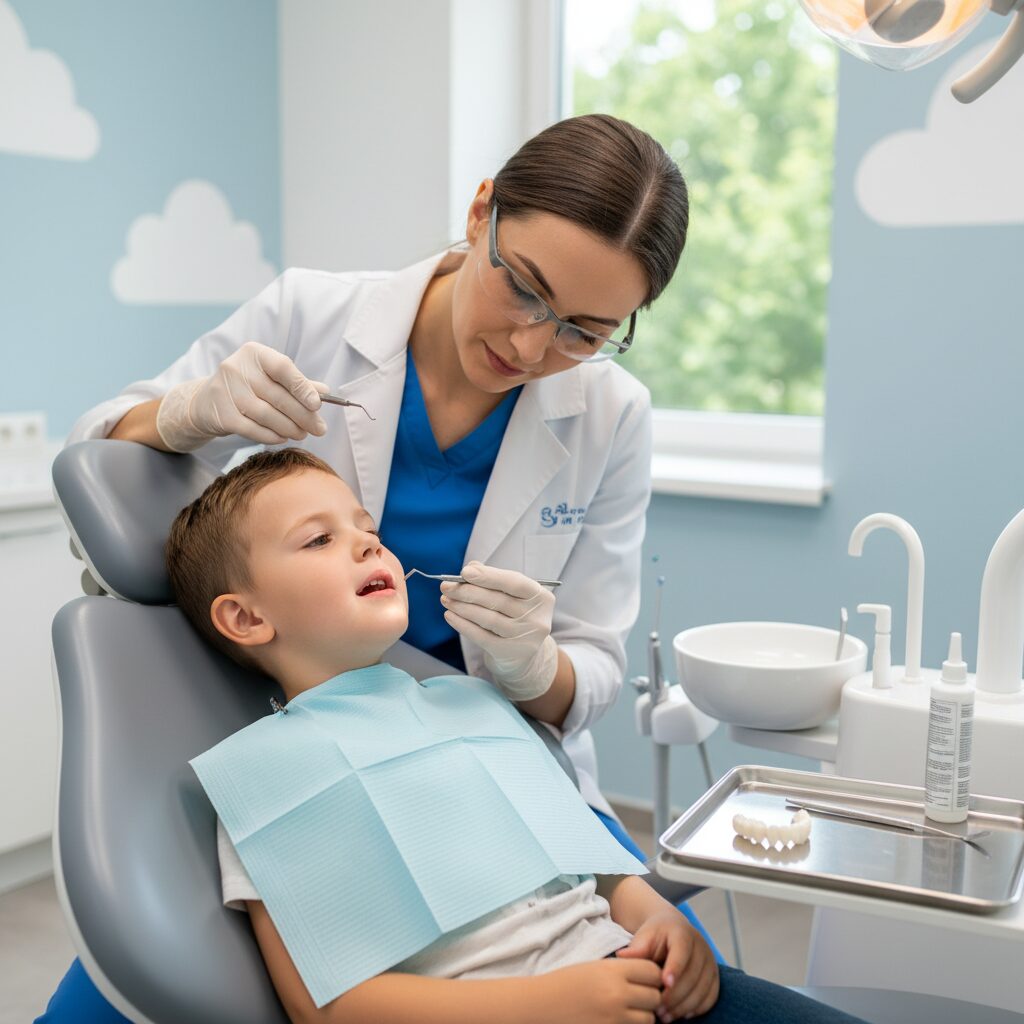
Children are active, and dental trauma is common. Falls, playground accidents, and sports injuries can all lead to chipped or broken front teeth. In some cases, a pediatric dentist may recommend a crown to protect and restore a young permanent tooth after trauma, especially when a large portion of the tooth has broken off.
If your child has an accident:
- Call a pediatric emergency clinic or child-friendly emergency dentist as soon as possible.
- Collect any tooth fragments and store them in milk or saline if you can.
- Reassure your child and avoid letting them chew with the injured tooth.
Practices that focus on emergency care for children’s teeth and pediatric trauma dental clinic services are equipped to manage both the technical and emotional sides of pediatric dental emergencies.
Sedation for fearful or medically complex patients
If you or your child struggles with dental anxiety, you might delay treatment even when the problem is serious. Sedation dentistry can make it possible to complete urgent procedures such as emergency crowns, extractions, or accelerated repair after trauma in a calmer and more controlled way.
Options may include:
- Nitrous oxide, often called laughing gas
- Oral sedatives taken before the appointment
- Deeper levels of sedation in certain settings, particularly for extensive work or patients with special health needs
For older adults with multiple health conditions, access to emergency dental for seniors can ensure that sedation and treatment plans are tailored to their medical history.
Implants, orthodontics, and other restorations
If you already have a dental implant, veneer, or orthodontic appliance, a trauma can affect both the natural tooth and the restoration. An implant crown may chip or loosen, or orthodontic brackets might break.
In these situations, look for services that include emergency implant support, emergency implant repair services, or emergency orthodontic repair. Your dentist may stabilize the area first, then plan a staged approach to restore appearance, bite, and gum health for an esthetic result.
Caring for your temporary and permanent crown
Your responsibility does not end once your temporary or permanent crown is placed. How you care for your restoration directly affects its lifespan and the way it looks over time.
Temporary crown care
Temporary crowns are less durable than permanent ones and are usually made from acrylic or composite resin [7]. To protect them you should:
- Avoid sticky candies and gum that can pull the crown off.
- Avoid hard foods like ice or nuts on the crowned side.
- Brush gently around the crown and slide floss out instead of snapping it up.
Wearing a temporary crown longer than the recommended two to four weeks can lead to wear and tear, bite shifting, movement of nearby teeth, and gum irritation [3]. If your permanent crown is delayed or the temporary feels loose, schedule a follow up promptly.
Long term crown maintenance
Once your permanent crown is in place, you can return to a normal diet and oral hygiene routine, with a few extra considerations.
- Brush twice daily with a soft toothbrush and fluoride toothpaste.
- Floss daily around the crown margins to prevent decay where the tooth and crown meet.
- Wear a nightguard if you grind or clench, especially with porcelain or zirconia crowns.
- Schedule regular checkups so your dentist can monitor the crown, bite, and surrounding gums.
Cosmetic crowns are designed to blend with your natural teeth, especially when made from tooth colored porcelain, ceramic, or composite resin [6]. Good home care will help them stay attractive and functional for many years.
If you experience new damage, color change, or discomfort around a crowned tooth, seek care early. Quick cosmetic repair after break or esthetic fix emergency dentistry can prevent minor issues from becoming major problems.
Understanding costs and insurance for emergency crowns
Cost is an important part of planning for an emergency crown for cosmetic need, especially if you are managing other medical bills after an accident.
Nationally, the average dental crown procedure ranges from about 697 to 1,399 dollars, although this can vary based on location and crown type [6]. In some areas, individual crowns can cost between 800 and 3,000 dollars per tooth [8]. Porcelain and ceramic crowns, often chosen for cosmetic reasons, usually cost more than metal alloy crowns but offer superior esthetics [8].
Additional procedures, such as root canals, extractions, or implant placement, will increase the overall cost of treatment [8]. Temporary crowns, although sometimes more affordable and made of acrylic or stainless steel, are not intended as long term solutions [8].
Insurance coverage varies widely. Some plans pay for crowns that are considered medically necessary, while others limit or deny coverage for crowns placed for strictly cosmetic reasons [9]. Cosmetic crowns placed only to improve appearance, such as covering a severely discolored tooth, may not be covered at all [6].
Before treatment, ask your dental team to:
- Provide a written estimate
- Submit a preauthorization or benefits check to your insurer
- Discuss payment plans or third party financing options
Some patients use dedicated health and dental financing tools to spread costs for crowns, including those for cosmetic purposes, over time [6].
Putting it all together after a cosmetic dental emergency
A sudden fracture or loss of a front tooth can be unsettling, but you are not without options. An emergency crown for cosmetic need can quickly restore your appearance, protect the damaged tooth, and give you the confidence to return to your normal activities.
By acting quickly, following simple steps at home, and working with a team experienced in esthetic and emergency care, you can support both the short term and long term health of your smile. Whether you are seeking esthetic emergency dental care for yourself, specialized emergency care for children’s teeth for your child, or complex emergency implant support, knowing what to expect can make each decision more manageable.
If you are reading this while dealing with a fresh injury, your next step is straightforward. Call an emergency or cosmetic dentist, explain your situation clearly, and ask how quickly you can be seen. Prompt, tailored treatment will give you the best chance at a comfortable, natural looking smile after your dental emergency.