Why emergency care for children’s teeth matters
When your child has a dental emergency, every minute feels longer. Emergency care for children’s teeth is about more than stopping pain. It protects developing teeth, supports healthy jaw growth, and can prevent long‑term problems with speech, chewing, and appearance.
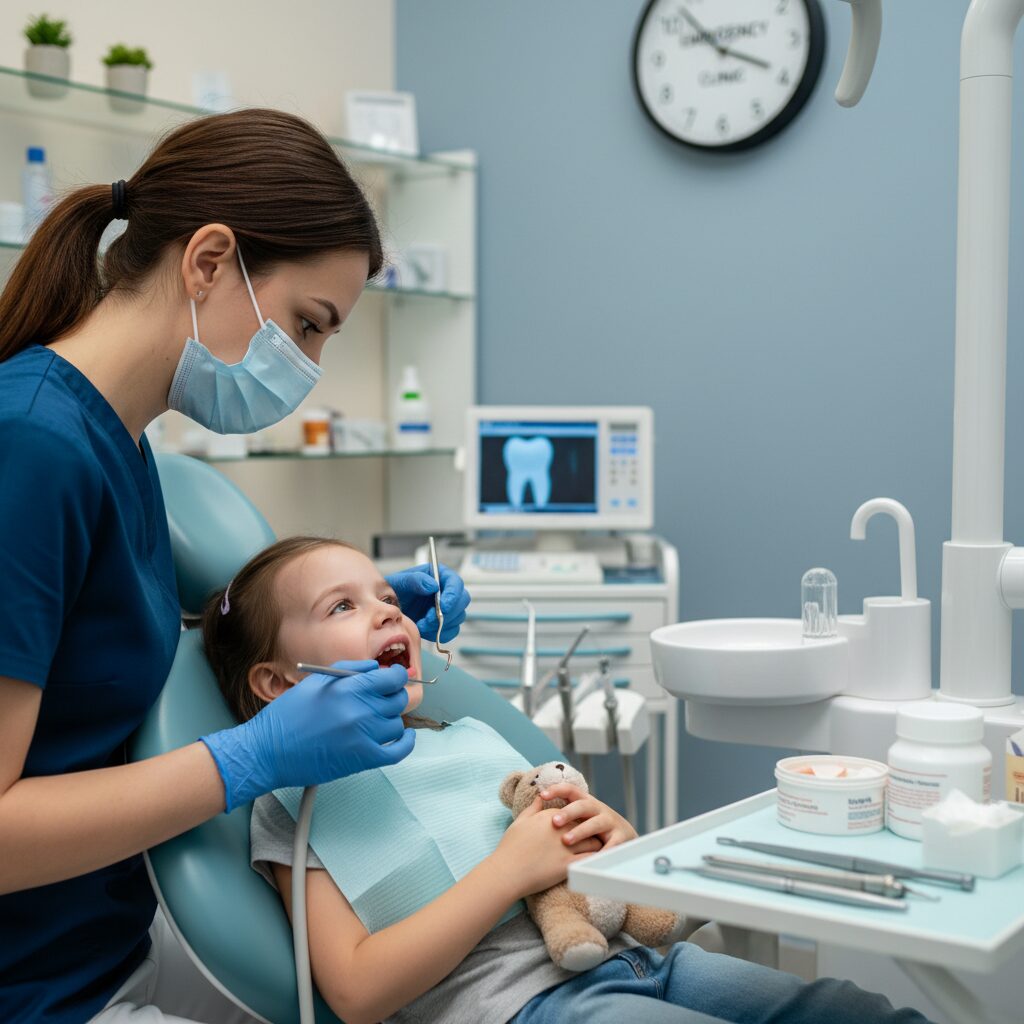
Children’s mouths are different from adult mouths. Baby teeth, growing permanent teeth, and smaller airways all require a specialized approach in urgent situations. Pediatric emergency dentists are trained to recognize these differences and to stabilize your child quickly and safely, often using kid‑friendly sedation options when fear or pain is high.
Understanding what counts as an emergency, and how to respond before you get to the dentist, helps you protect your child’s smile and stay calmer when the unexpected happens.
Common dental emergencies in children
Not every dental problem is an emergency, but some situations do require same‑day or immediate care. Knowing the difference helps you act with confidence.
Toothache and sudden tooth pain
Tooth pain in children often comes from cavities, gum irritation, or food particles trapped between teeth. In some cases it can signal infection or an abscess that needs urgent attention. Pediatric dentists note that toothaches may also be linked to broken teeth, teeth grinding, or erupting teeth in younger children [1].
You should seek emergency care for children’s teeth if:
- Pain is severe or throbbing
- Pain lasts more than 24 hours despite home care [1]
- Your child has swelling in the face or jaw
- Your child has a fever or feels generally ill
- Pain wakes your child at night or keeps them from eating
Persistent night‑time tooth pain or swelling can indicate infection and should be checked promptly, even if over‑the‑counter pain medicine helps at first [2].
Knocked‑out baby tooth
Children often lose baby teeth naturally, but a baby tooth that is knocked out in a fall or accident is different. You should not try to reinsert a baby tooth. Doing so can damage the underlying permanent tooth.
If a baby tooth is knocked out:
- Check the mouth for other injuries
- Apply gentle pressure with clean gauze or a cool, damp washcloth to stop bleeding
- Use a cold compress on the outside of the face to limit swelling
- Call your pediatric or child-friendly emergency dentist as soon as possible
Hospitals and pediatric centers advise applying pressure to control bleeding and contacting your child’s dentist promptly in these situations [3].
Your dentist may recommend monitoring, imaging, or using a space maintainer so other teeth do not drift into the gap and affect alignment later [4].
Knocked‑out permanent tooth
A knocked‑out permanent tooth is a true emergency. Fast action can be the difference between saving and losing the tooth.
Experts in pediatric care recommend these steps for a knocked‑out adult tooth [5]:
- Find the tooth and handle it only by the crown, the white chewing surface. Avoid touching the root.
- If dirty, gently rinse with milk or saline. Do not scrub or use soap. Avoid tap water when possible because it can damage root cells.
- If you can, place the tooth back into the socket, facing the correct way, and have your child gently bite on gauze or a cloth to keep it in place.
- If you cannot reinsert it, keep the tooth moist. Place it in milk, saline, or your child’s saliva in a clean container.
- Go to a pediatric emergency dentist or hospital immediately, ideally within 1 hour.
Permanent teeth have the best chance of being saved if they are reinserted within 15 minutes, and they may still be salvageable within the first hour if handled correctly [6].
Chipped, cracked, or displaced teeth
Falls and sports injuries often lead to chipped or cracked teeth in children. Even if your child is not in severe pain, you should not ignore these injuries. Sharp edges can cut the lips or tongue, and deeper cracks can expose the nerve and lead to infection.
Children’s hospitals and pediatric clinics recommend that you [7]:
- Rinse your child’s mouth with warm water
- Apply a cold compress to the outside of the mouth if there is swelling
- Bring any broken pieces of tooth in milk or saline if you can find them
- Seek dental care as soon as possible
If a tooth is visibly pushed out of position or appears longer or shorter than before, do not try to move it yourself. Rinse gently, use a cold compress, and get immediate professional care. Sudden tooth displacement can affect the developing bite and jaw if it is not treated quickly [8].
Soft tissue injuries to lips, cheeks, gums, and tongue
Cuts to the lips, cheeks, or tongue can bleed heavily and look alarming. In most cases you can control bleeding at home before heading to the dentist or pediatric urgent care.
Guidance from pediatric dental practices suggests that you [9]:
- Rinse the area with clean, warm water or warm saltwater
- Apply gentle pressure with gauze or a clean cloth
- Use a cold compress or ice wrapped in cloth to reduce swelling
- Seek care if bleeding does not stop, the wound is large, or your child has difficulty swallowing or breathing
Soft tissue injuries can sometimes hide underlying tooth or jaw damage, so a dental evaluation is important after significant trauma.
What you can do at home before you get help
Home care is never a replacement for professional emergency care for children’s teeth, but it can make your child more comfortable and help prevent complications while you arrange treatment.
Soothing toothache while you call the dentist
Pediatric dental experts recommend several short‑term home remedies for toothache relief in children while you schedule an appointment [10]:
- Warm saltwater rinse to reduce inflammation and rinse away irritants
- A cold pack on the cheek to numb pain and reduce swelling
- Carefully flossing around the sore tooth to remove trapped food
- Diluted hydrogen peroxide rinses for older children who can spit reliably, for its antiseptic effect
- Cooled peppermint tea as a gentle, soothing rinse
- Diluted clove oil dabbed on the tooth or applied on a cotton ball for a brief numbing effect
You should avoid placing aspirin directly on the gums because it can burn the tissue. If pain is more intense, age‑appropriate doses of acetaminophen can be helpful. When in doubt about medication or dosing, contact your pediatrician or pediatric dentist for guidance [1].
If pain persists longer than a day, or if it worsens despite these measures, you should schedule an urgent exam. Ongoing pain can indicate cavities, infection, or other conditions that need prompt treatment [1].
First aid after dental trauma
For falls, sports injuries, or any direct blow to the mouth, basic first aid focuses on bleeding control and swelling while you move toward professional help.
Dentistry and children’s hospitals consistently advise you to [11]:
- Stay calm and reassure your child
- Check for loose, broken, or missing teeth
- Rinse the mouth gently with warm water
- Apply firm but gentle pressure to any bleeding area with gauze or a cloth
- Place a cold compress on the face to reduce pain and swelling
- Avoid letting your child eat or chew on the injured side until they are seen
If you suspect a jaw fracture, difficulty breathing, or head injury along with the dental trauma, you should go directly to an emergency room.
If your child’s regular dentist is not available during an emergency, children’s hospitals recommend going straight to a hospital emergency department for immediate assessment and stabilization [12].
How pediatric emergency dentists keep your child safe
Pediatric dental emergencies are not managed exactly like adult cases. Children have different anatomy, smaller airways, and unique medical considerations. Pediatric dentists and child‑focused urgent care teams are trained to work within these differences to keep care as safe and gentle as possible.
Pediatric‑specific emergency protocols
Clinical guidelines point out that children require different approaches to emergency support, including airway management, breathing assistance, and medication dosing [13]. In a dedicated pediatric setting your child benefits from:
- Age‑ and size‑appropriate equipment such as smaller oxygen masks and oral airways
- Weight‑based medication dosing to reduce risk of side effects
- Staff trained to recognize pediatric signs of distress or deterioration
- Protocols tailored to common pediatric problems like respiratory events, asthma, or allergic reactions
In rare but serious complications such as asthma attacks or anaphylaxis triggered by medications or materials, pediatric providers follow specific emergency algorithms that include rapid use of inhalers, epinephrine, oxygen, and other support adapted to your child’s size and age [13].
Sedation for anxious or very young children
Fear, developmental differences, and strong gag reflexes can make it nearly impossible for some children to tolerate necessary emergency treatment when fully awake. Sedation dentistry creates a calmer experience and allows your dentist to work safely and efficiently.
If you know your child is highly anxious, has special needs, or has struggled with dental visits in the past, asking about sedation emergency dental care or sedation for anxious emergency patients can be helpful.
In pediatric emergency settings, sedation plans are:
- Matched to your child’s age, weight, and medical history
- Designed to maintain protective reflexes and breathing whenever possible
- Monitored continuously using heart rate, oxygen levels, and breathing assessments
- Administered by trained providers familiar with pediatric airway management
For certain procedures, such as a difficult sedated tooth extraction emergency or complex repairs after trauma, deeper sedation may be recommended. Your dentist will explain the level of sedation, risks, and benefits before treatment begins so you can make an informed decision.
Cosmetic and esthetic repairs after childhood dental trauma
Emergency care for children’s teeth is never just about function. Appearance matters for children too. Front‑tooth injuries can affect self‑esteem, school participation, and social confidence. Addressing esthetics early and appropriately can support both emotional and dental health.
Restoring chipped or broken front teeth
Small chips may be smoothed or built up with tooth‑colored bonding in a single visit. Larger fractures that expose the nerve often require nerve treatment and more extensive reconstruction. Depending on your child’s age and which teeth are affected, your provider may use:
- Composite bonding to rebuild missing portions
- Temporary crowns for structural support
- Space maintainers if teeth must be removed early
When trauma affects your child’s smile, an esthetic emergency dental care approach focuses on both function and appearance. For significant cosmetic concerns, services such as emergency cosmetic dental repair, cosmetic repair after break, or even an emergency crown for cosmetic need may be discussed, especially for older teens with permanent teeth.
When cosmetic concerns are urgent
Cosmetic issues can be urgent when they affect:
- Front teeth in school‑age children and teens
- Your child’s ability to close their lips or chew comfortably
- Speech or tongue placement
- Self‑confidence, especially after visible sports injuries
Practices that emphasize esthetic fix emergency dentistry and accelerated repair after trauma work to restore a natural look as quickly as medically appropriate, often in stages. The first stage focuses on stabilizing teeth and controlling pain. Later visits refine alignment, shape, and color as your child heals and their smile develops.
Prevention and preparation for future emergencies
You cannot prevent every accident, but you can lower the risk of serious injury and be better prepared if something happens.
Everyday prevention habits
Children’s hospitals and pediatric practices consistently recommend the following to protect children’s teeth [14]:
- Regular dental visits for exams, cleanings, and fluoride treatments
- Good brushing and flossing habits to keep teeth strong and reduce cavities
- Fluoride toothpaste and sometimes professional fluoride or sealants for added protection
- Well‑fitting car seats and seatbelts
- Childproofing at home to reduce falls from furniture, stairs, and hard edges
Healthy, well‑maintained teeth are more resistant to fractures and infection when accidents do occur.
Sports and active play
Falls are the most common cause of dental trauma in children, and many occur during sports or active play [15]. To reduce the risk:
- Make a mouthguard part of your child’s standard sports gear for contact and high‑impact activities
- Replace worn or ill‑fitting mouthguards
- Encourage using helmets when appropriate
Sports dentists and pediatric providers emphasize that properly fitted mouthguards cushion impacts and significantly lower the chance of broken or knocked‑out teeth [8].
Having a plan before you need it
The best time to think about emergency care for children’s teeth is before an emergency happens. You can prepare by:
- Saving contact information for your pediatric emergency dentist charlotte or local pediatric trauma dental clinic
- Asking your child’s regular dentist how after‑hours emergencies are handled
- Knowing which nearby hospital has pediatric emergency services
- Keeping a small dental first aid kit with gauze, a small container with a lid, and saline or access to milk
If your family includes seniors or other vulnerable members, it can also help to know where to find emergency dental for seniors, emergency implant support, or emergency implant repair services so the whole household is prepared.
When to seek immediate help
Any time you are unsure, it is safer to reach out. You should seek same‑day or immediate emergency care for children’s teeth if your child has:
- A knocked‑out or obviously displaced permanent tooth
- Severe tooth pain lasting more than 24 hours
- Facial swelling, fever, or signs of infection
- Uncontrolled bleeding from the mouth or gums
- Injuries after a fall or blow where teeth look different or your child cannot close the mouth normally
- Breathing difficulty, wheezing, or signs of allergic reaction during dental care or after medication
Some pediatric dental providers even offer 24‑hour guidance or on‑call services so you can get professional advice right away [2].
If your usual pediatric dentist is unavailable and the situation is serious, children’s hospitals recommend going directly to a hospital emergency room that can coordinate imaging, pain control, and referral to an appropriate dental provider [12].
With the right information and a clear plan, you can respond confidently when your child faces a dental emergency. Prompt, specialized care protects their comfort today, and their healthy, confident smile for years to come.
References
- (My Kidz Dentist)
- (Denver Youth Dentistry)
- (Loma Linda University Children’s Hospital, Nationwide Children’s Hospital)
- (Purdy Pediatric Dentistry)
- (HealthyChildren.org, Nationwide Children’s Hospital)
- (HealthyChildren.org)
- (Kids 360 Pediatric Dentistry, Nationwide Children’s Hospital)
- (Kids 360 Pediatric Dentistry)
- (Kids 360 Pediatric Dentistry, Children’s Dentistry of Rancho Cucamonga)
- (Denver Youth Dentistry, My Kidz Dentist)
- (Greenway Pediatric Dentistry, Nationwide Children’s Hospital)
- (Nationwide Children’s Hospital)
- (PMC – NCBI)
- (Greenway Pediatric Dentistry, Loma Linda University Children’s Hospital)
- (Greenway Pediatric Dentistry)