When persistent pain or swelling around a previously treated tooth won’t resolve with conventional methods, you may need to consider emergency apical surgery. This urgent procedure targets infections at the root tip that aren’t helped by a standard root canal, offering a final chance to preserve your natural tooth. In this article, you’ll learn when emergency apical surgery makes sense, what to expect before, during, and after the procedure, and how it compares to other urgent dental treatments.
Apical surgery overview
Apical surgery—also called an apicoectomy or root-end resection—removes the tip of a tooth root (the apex) along with infected tissue and bone surrounding it. It’s performed under local anesthesia and focuses on eliminating persistent infection at the root tip that a root canal couldn’t clear [1]. By sealing the remaining root end with a biocompatible filling, you’ve got a strong long-term prognosis and a saving grace for a tooth that otherwise might be lost.
Purpose and benefits
- Resolves chronic pain, inflammation, or abscess at the root tip
- Allows you to keep your natural tooth rather than extract it
- Offers success rates above 90% in modern studies [2]
- Minimally invasive compared to full extraction and implant placement
Surgical indications
You should consider emergency apical surgery when a failed root canal or other issues persist at the root apex. Key indications include:
Persistent infection after root canal
If you’ve had root canal therapy and still experience pain, swelling, or drainage, it could signal a lingering infection. Conventional retreatment isn’t always possible, especially when canals are blocked or have ledges.
Radiographic evidence of apical periodontitis
X-rays or cone beam computed tomography (CBCT) scans showing radiolucent lesions around the root tip often guide the decision for apical surgery [3].
Root fractures and trauma
Vertical or horizontal fractures in the root can harbor bacteria and bypass a typical root canal’s cleaning ability, making apicoectomy the best way to access and remove the infected portion.
Cysts or tumors near the apex
If periodontal disease has created cysts or benign tumors around the root tip, surgical removal prevents further bone damage and jaw-bone weakening.
Unresolved symptoms despite retreatment
When a retreatment attempt fails or isn’t practical, emergency apical surgery offers a targeted solution to address the source of your discomfort.
Diagnosing your condition
A thorough diagnosis ensures that emergency apical surgery is the right choice. Your endodontist or oral surgeon will combine clinical and imaging data:
Clinical examination
Your dentist will assess tenderness around the tooth, check for swelling or sinus tracts, and evaluate how your bite feels.
Imaging techniques
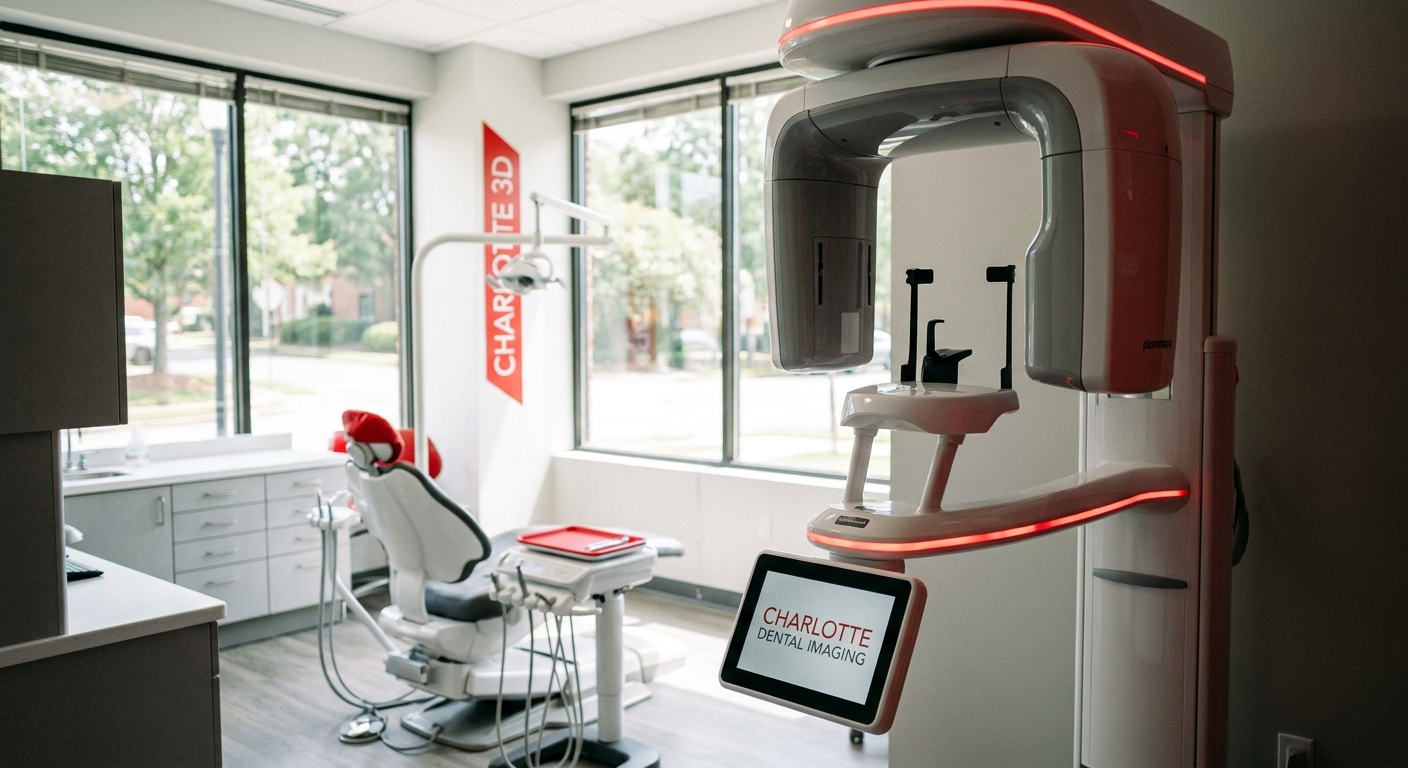
- Cone beam computed tomography (CBCT): Provides high-resolution 3D views of canals and lesions, improving surgical planning [3].
- Intraoral radiography: Offers quick 2D images to confirm apical pathology.
Preparing for emergency surgery
Before you head into the procedure, you’ll follow specific steps to ensure safety and comfort.
Preoperative evaluation
- Review your medical history, including allergies and medications
- Obtain necessary imaging—X-rays or CBCT scans
- Discuss alternatives like retreatment or extraction
Medication and fasting
- Your dentist may prescribe a course of antibiotics or anti-inflammatory drugs
- You might need to fast for a few hours if sedation or general anesthesia is planned
- Adjust blood-thinning medications under physician guidance
Surgical steps explained
Emergency apical surgery generally takes under 90 minutes, though complexity can vary by tooth and infection severity [4].
Anesthesia and incision
Your dentist numbs the area with local anesthesia. An incision in the gum tissue exposes the bone and root tip.
Removing infected tissue
- The apex of the root and any infected bone or tissue are carefully removed
- Your surgeon cleans the bone cavity to eliminate bacteria
Sealing the root end
A tight, persistent root-end filling is placed to prevent reinfection. Mineral trioxide aggregate (MTA) has become the standard material due to its biocompatibility and low solubility, with success rates of 90–92% [3].
Suturing and cleanup
After filling the root end, the gum tissue is sutured back into place. Your dentist will ensure the site is clean before you go home.
Managing postoperative care
Proper aftercare is crucial to your recovery and long-term success.
Pain control and medications
- Use prescribed pain relievers or over-the-counter medication as directed
- Complete any antibiotic regimen to minimize infection risk
Oral hygiene guidelines
- Avoid brushing around the surgical site for the first few days
- Rinse gently with salt water or a prescribed antimicrobial mouthwash
- Resume gentle brushing and flossing after a week, taking care around sutures
Dietary recommendations
- Stick to soft foods—yogurt, mashed potatoes, smoothies
- Avoid crunchy, spicy, or hot foods that may irritate the incision
- Skip straws, cigarettes, vaping, alcohol, and citrus for at least one week [4]
Follow-up visits
Plan for follow-up appointments every few months for the first year to monitor healing clinically and radiographically. Your dentist will check bone regeneration and ensure the filling remains sealed.
Comparing alternative treatments
While apical surgery can save your tooth, it’s not your only option. Compare your choices:
| Treatment | Pros | Cons |
|---|---|---|
| Root canal retreatment | Less invasive, lower cost than surgery | May not reach all canals, lower success with complex anatomy |
| Emergency extraction | Quick relief, no risk of recurrent infection | Loss of natural tooth, bone atrophy begins quickly |
| Dental implant | Long-term solution, preserves jawbone height | Higher cost ($1,600–$2,200) and requires healing time [5] |
| Traditional bridge | Fixed solution, lower initial cost ($500–$1,200) | Requires altering adjacent teeth, bone loss persists |
- If retreatment isn’t viable, you may need an urgent extraction with sedation.
- For abscess relief before surgery, consider an abscess drainage dentist.
Accessing emergency dental care
When pain or infection strikes suddenly, timely intervention matters.
Emergency endodontic services
An endodontist can provide same-day consultations and quick pain control. Learn more about emergency endodontic services.
Root canal emergency clinic
If your root canal fails and you need immediate relief, search for a root canal emergency clinic near you.
Emergency oral surgery Charlotte
Residents of Charlotte can get specialized care at an emergency oral surgery Charlotte center.
Frequently asked questions
How long does apical surgery take?
Most procedures finish in under 90 minutes, though complex cases may run longer [4].
What’s the success rate?
Modern techniques and materials yield success rates above 90% in clinical studies [2].
How much does it cost?
Without insurance, apical surgery generally ranges from $900 to $1,300 [5]. Verify coverage and out-of-pocket estimates with your provider.
When should I opt for extraction instead?
If the tooth is fractured beyond repair or infection has severely compromised bone support, extraction followed by an implant or bridge might be the healthiest choice. Discuss options like an urgent extraction with sedation.
What are signs of complications?
Contact your dentist if you notice:
- Excessive bleeding or swelling
- Severe, unrelenting pain despite medication
- Fever or signs of systemic infection
Conclusion
When standard treatments can’t resolve a persistent root-tip infection, emergency apical surgery offers a reliable, minimally invasive way to save your natural tooth. By understanding the indications, preparation steps, surgical procedure, and aftercare guidelines, you’ll be ready to make an informed decision. If you suspect you need urgent intervention, don’t delay—reach out to your dentist or an emergency endodontist Charlotte to protect your oral health and find prompt relief.