Finding a dentist insurance friendly for emergencies can feel overwhelming, especially when you are already in pain or worried about costs. By knowing what to ask, which tools to use, and how your coverage works, you can move from panic to a clear plan of action. This guide walks you through how to find an emergency dentist who works with your insurance, how to estimate costs in advance, and what to do if your coverage is limited or you have Medicaid.
Understand what “insurance friendly” really means
When you look for a dentist insurance friendly for emergencies, you are really looking for three things:
- A dentist who accepts your insurance plan
- A team that verifies coverage and explains your out-of-pocket costs clearly
- Flexible options if your insurance does not cover everything
Insurance friendly does not always mean every service is fully covered. It usually means the office:
- Confirms your benefits before treatment whenever possible
- Helps you understand copays, deductibles, and annual maximums
- Works with a wide range of plans, including major PPOs and sometimes Medicaid
- Offers payment options for any remaining balance
If you are in severe pain, you may also need a same day dental appointment charlotte. Insurance friendly clinics often reserve emergency slots so you can be seen quickly and still use your benefits.
Check your insurance type and emergency benefits
Before you start calling offices, it helps to understand what kind of dental coverage you have and how it handles emergencies. This can prevent surprises later.
Employer, individual, and marketplace plans
Most private dental insurance plans, including employer-sponsored and individual PPO plans, cover:
- Preventive services, like exams and cleanings
- Basic services, like fillings
- Major services, like crowns, oral surgery, or emergency root canals
Many PPO plans cover 100 percent of preventive services with no waiting period, and some offer immediate or early coverage for basic and major services when emergencies arise [1]. For example:
- Ameritas’ PrimeStar Complete PPO covers preventive care at 100 percent right away and 80 percent of basic care from day one. Major work starts at 20 percent coverage and increases over time [1].
- The Denali Dental Summit PPO plan includes 100 percent preventive coverage immediately and provides coverage on major work that grows over several years, which can be helpful for costly emergency procedures [1].
Plans with no waiting period on preventive and basic care typically have higher premiums, but they can significantly reduce what you pay out of pocket for emergency visits or urgent treatment if you recently enrolled [1].
Large national networks
If you have a major carrier, such as Delta Dental, it is easier to find an emergency dentist that accepts your plan. Delta Dental is the largest dental network in the country, providing access to care, including emergency services, across all 50 states, Puerto Rico, and U.S. territories [2].
Delta Dental also offers a Dental Care Cost Estimator tool that shows estimated price ranges for common procedures, including those often needed in emergencies. The tool is meant to provide estimates only and does not guarantee what your plan will pay, but it can help you prepare for potential costs [2].
If you have a Delta Dental plan, check their provider search to filter for dentists who list emergency services. This can narrow your options to offices that are already familiar with urgent visits and claims.
Medicaid and state programs
If you are covered by Medicaid, it is important to know whether your state plan includes emergency dental services for adults and children. In Virginia, for example, the Cardinal Care Smiles program (Medicaid and FAMIS dental coverage) provides emergency dental benefits for both adults and children, including pregnant individuals enrolled in FAMIS MOMS [3].
Medicaid members in Virginia can locate dentists who accept their coverage for emergencies by calling DentaQuest or searching the DentaQuest website [3]. If you have Medicaid and need urgent care, start by confirming that the office is familiar with emergency dental with medicaid and accepts your plan.
Supplemental and emergency-focused dental plans
Some insurers, such as Aflac, offer supplemental dental insurance that can help with emergency costs that your primary plan does not fully cover. Aflac highlights that emergency dental care can be expensive without insurance, and their plans are designed to lower out-of-pocket expenses, especially for urgent issues like oral surgery [4].
Aflac dental plans often:
- Have no waiting period for preventive care
- Include coverage for basic and major services, sometimes with manageable waiting periods
- Provide supplemental coverage that layers on top of your primary dental plan to help with emergency costs [4]
These plans are limited benefit plans and do not replace full health insurance, but they can be useful if you want extra protection for unexpected urgent dental needs [4].
Use the right search terms and questions
When time is short, clear language and focused questions help you quickly find a dentist insurance friendly for emergencies.
Search smarter online
Start with specific phrases that match what you need. For example, in your search engine you might use:
- “emergency dentist that accepts insurance near me”
- “walk-in dental with insurance”
- “dentist insurance friendly for emergencies”
On our site, you can explore resources such as insurance accepted emergency dentist, walk-in dental with insurance, and urgent dental with insurance coverage to better understand how different offices handle urgent visits and insurance.
Call with a focused script
When you reach an office, have your insurance card ready. Then ask clear, targeted questions such as:
- “Do you accept my insurance plan, and are you in network?”
- “Do you offer same-day or next-day emergency appointments?”
- “Can you verify my benefits and provide an estimate before treatment if possible?”
- “Do you have payment plans or financing if my insurance does not cover everything?”
An insurance friendly office will usually offer some form of insurance verification dentist service. This means the team will contact your insurer, confirm eligibility and benefits, and explain what you can expect to pay, both for the visit and for likely procedures.
Confirm same-day and after-hours emergency access
A dentist can be insurance friendly and still not be a good fit if there are no open appointments when you need them. For true emergencies, timing matters as much as coverage.
Same-day or next-day availability
If you are in severe pain, have a broken tooth, or are experiencing swelling, you may need:
- A same day dental appointment charlotte
- Walk-in availability for urgent visits
- Clear instructions about what to do if no regular appointments are available
Ask specifically whether the office reserves slots for emergency patients and what time of day they usually schedule them. Some clinics hold early morning or late afternoon blocks specifically for urgent issues so that you can be seen quickly.
After-hours instructions
Not every dental emergency can wait until morning. Ask:
- “What should I do if my pain worsens after hours?”
- “Do you have an emergency on-call provider?”
- “In what situations should I go directly to the ER or call 911?”
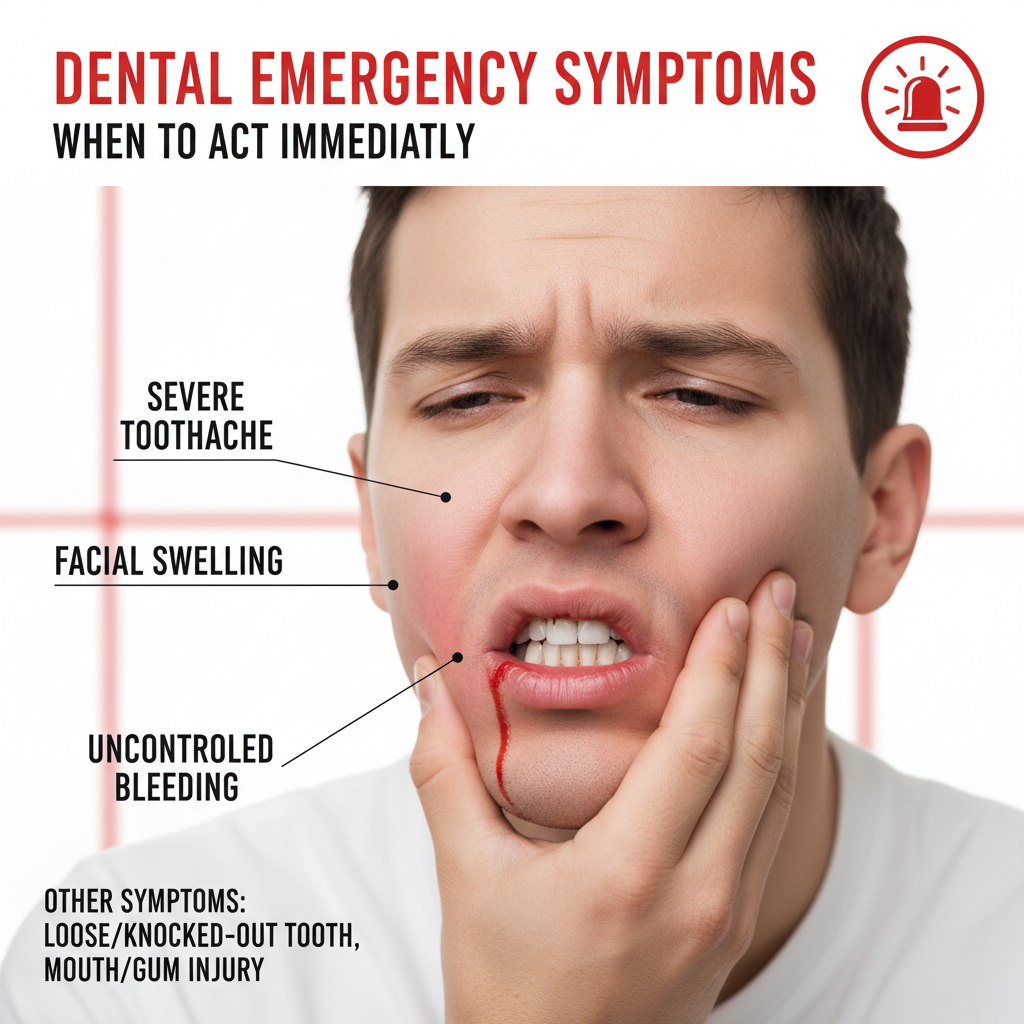
Delta Dental emphasizes that in a true medical or dental emergency, you should seek immediate help, such as calling 911, rather than waiting to resolve insurance questions first [2]. This is especially important if you have trouble breathing, difficulty swallowing, facial swelling that spreads quickly, or signs of infection with fever.
Estimate emergency dental costs in advance
Even when an office is insurance friendly, it helps to have a general idea of possible costs. This can reduce anxiety and help you plan.
Use cost tools and local estimates
Online tools, such as Delta Dental’s Dental Care Cost Estimator, can give you a rough range for common procedures and emergencies in your area. These tools show typical price ranges and how insurance may pay, but they are not a guarantee of coverage [2].
If you want a practice-specific estimate, look for resources like:
These can help you understand common emergency visit fees in your area, such as:
- Exam and limited X rays
- Palliative or pain-relief treatment
- Temporary fillings or dressings
- Injections to relieve pain
For example, if you are worried about the cost of emergency root canal, an estimate page can help you compare the cost of immediate treatment versus delaying care and risking more complex procedures later.
Consider all parts of the bill
When you look at emergency dental pricing, think in terms of three components:
- Exam and diagnostic services
- Treatment on the day of the visit
- Follow-up care and any permanent restorations
Your insurance may cover each part at different rates. For instance, an exam and X rays may be considered basic or preventive, while a root canal and crown may fall under major services with different coverage levels.
Ask about payment plans and financing
Even with strong insurance, emergencies can create unplanned expenses, especially if you have not met your deductible or you are close to your annual maximum.
Payment plans through the dental office
Many insurance friendly practices understand this and provide structured options such as:
- Short-term interest free payment plans
- Longer term plans with fixed monthly payments
- Discounts for paying in full at the time of service
If you are concerned about cost, ask about options like:
These arrangements are designed to spread out your payments over time while still allowing you to receive care when you need it.
Third-party financing and budgeting help
Some offices partner with third-party financing companies or maintain in-house emergency dental financing options. This can include:
- Credit-based financing for larger procedures
- Special promotional terms for emergency treatment
- Flexible options for patients with limited cash on hand
If cost is your main concern, look for practices that provide clear information on budget emergency dental care and urgent dental cost discussion. This shows that they take financial transparency seriously and are willing to walk you through scenarios before starting treatment.
When you combine insurance verification with clear payment options, you gain control over both your health and your budget, even in an emergency.
Compare in-network and out-of-network options
Sometimes the closest emergency dentist is not in your network. In a severe emergency, you may decide that speed is more important than network status, but it is helpful to understand the tradeoffs.
In-network benefits
If you can find an emergency dentist that accepts insurance in network, you will generally see:
- Lower negotiated fees
- Better coverage percentages
- Simpler claim processing
- Less risk of balance billing
This is why large networks, such as Delta Dental’s nationwide system of providers, can make it easier to locate an insurance friendly emergency dentist wherever you are [2].
Out-of-network when necessary
If you must go out-of-network:
- Ask the office whether they can still file your claim for you or help you submit it
- Request a written estimate of their usual fees
- Clarify how they handle payments while waiting for reimbursement
In some cases, an out-of-network provider can still be insurance friendly if they are willing to help you maximize your benefits, even though they do not have a direct contract with your plan.
Evaluate affordability beyond insurance
Insurance is one piece of the puzzle. A truly insurance friendly emergency dentist also pays attention to your overall affordability and long-term plan.
Look for transparent pricing
Transparency signals that a practice understands your concerns about cost. When reviewing websites or speaking with staff, try to find:
- Clear discussion of emergency fees and visit charges
- Sample pricing pages, like affordable emergency dentistry charlotte
- Information about emergency dental special offers, if available
Some offices may offer limited-time discounts on emergency exams or X rays for new patients or those without insurance. Others might offer internal membership plans that include discounts on urgent care.
Balance speed, quality, and cost
When you search for a dentist insurance friendly for emergencies, it helps to remember that you are balancing three goals:
- Being seen quickly
- Receiving high quality clinical care
- Keeping your costs as manageable as possible
A practice that actively works with your insurance, verifies coverage, explains costs clearly, and offers multiple payment paths is typically better equipped to support all three.
Plan ahead before an emergency happens
The best time to search for an insurance friendly emergency dentist is before you have a painful tooth or broken filling. A few small steps now can protect you later.
- Confirm which dentists in your area are in network for your plan.
- Save the contact information for a practice that offers affordable emergency dentistry charlotte or similar services in your city.
- Ask your insurance company or use their online tools to locate providers who list emergency care.
- Review your plan’s emergency benefits, annual maximum, and waiting periods, especially if you recently enrolled.
- If you have Medicaid, learn how your state program, such as Virginia’s Cardinal Care Smiles, covers emergency care for adults and children and how to find providers who accept it [3].
Dental emergencies are stressful, but you do not have to navigate them alone. By understanding your insurance, asking the right questions, and choosing a dentist who verifies benefits and offers flexible financial options, you can get the urgent care you need while still protecting your budget.