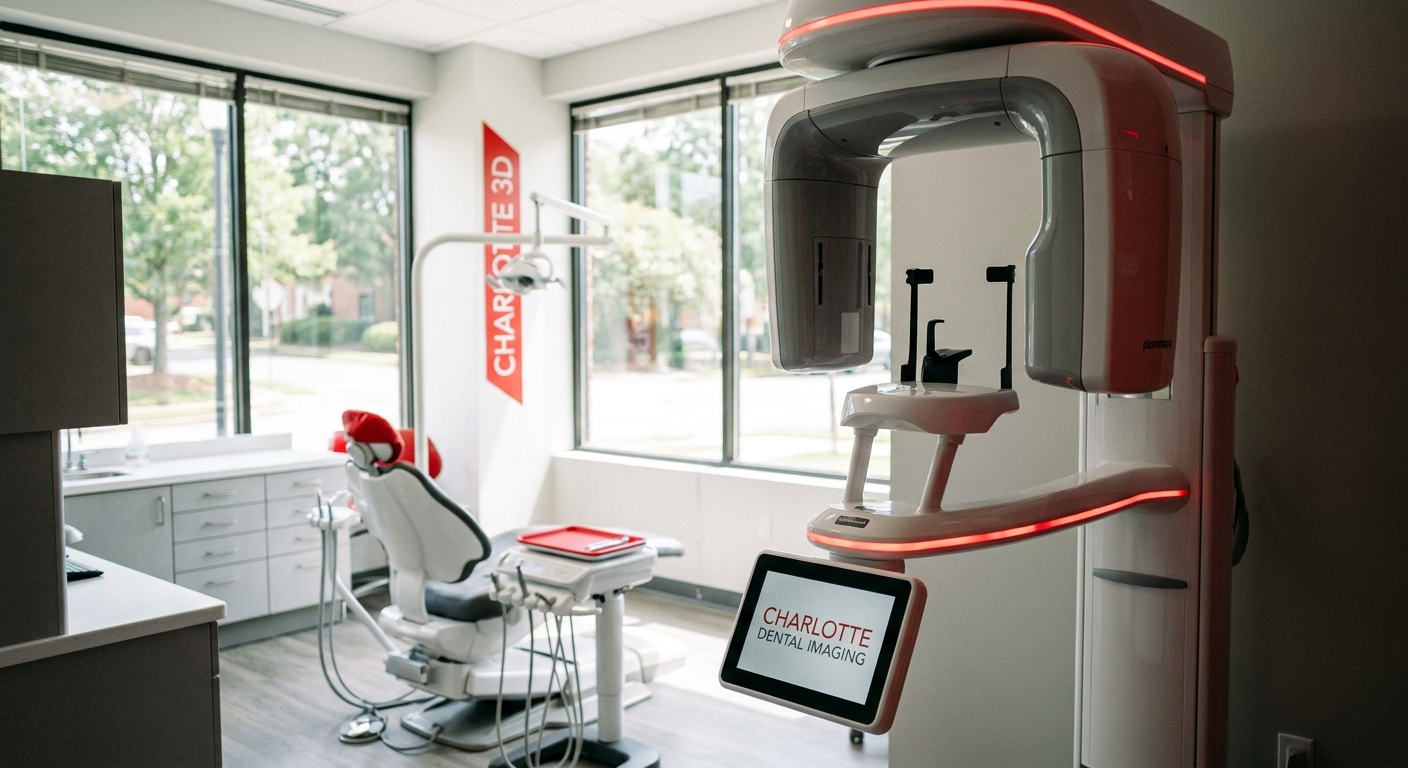
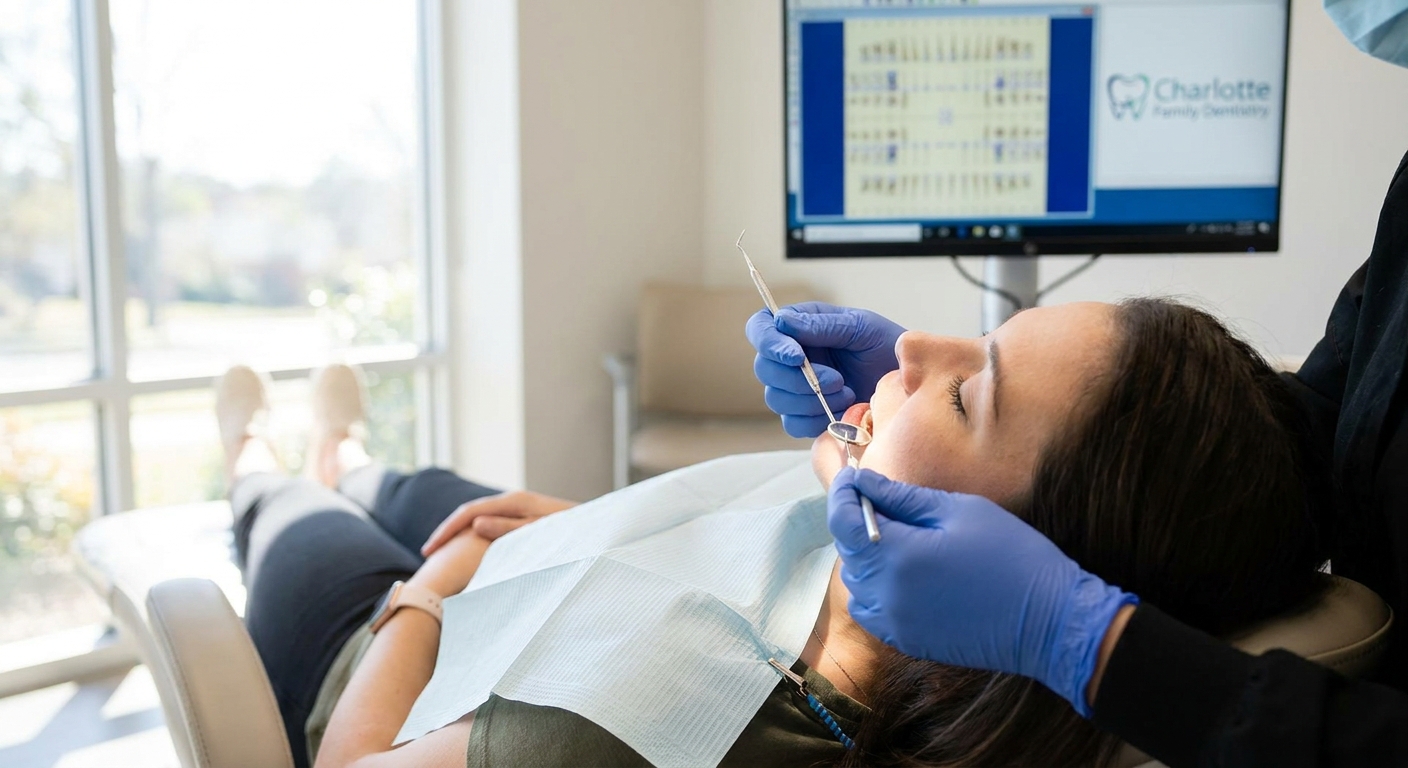
Why dental check matters
After an emergency dental procedure, you might feel relief once the immediate pain subsides, but attending your dental check after treatment is crucial for lasting recovery. A follow-up visit lets your dentist verify that healing is progressing as expected and catch any complications before they worsen. Regular check-ups are not just routine appointments; they are proactive steps in safeguarding your smile and overall health. By committing to these visits, you invest in preventive care that can save you discomfort, time, and money down the road.
During a comprehensive follow-up, your dentist will look for signs of developing cavities, gum inflammation, or structural changes around a treated area. Early detection of issues such as enamel erosion or recurrent decay can prevent more invasive procedures later on [1]. Professional cleanings performed during these visits remove stubborn plaque and tartar that daily brushing may miss, helping you maintain a healthier smile long after your emergency care. You will also receive personalized oral care advice based on your dental history, treatment received, and current condition.
If you had urgent work done—like an extraction or temporary crown—scheduling a follow up emergency dental visit ensures that any stitches are removed on time and that your restoration remains secure. Your dentist can adjust your care plan, recommend specialized hygiene products, or refer you for further treatment if necessary. This level of attention reduces your risk of complications and supports a smoother road to full recovery.
Key benefits of your follow-up appointment include:
- Early detection of hidden issues before they become severe
- Removal of plaque and tartar beyond home care
- Evaluation of healing progress after surgery or trauma
- Customized recommendations for your ongoing oral care
By understanding these benefits and making your post-treatment check a priority, you lay the foundation for long-term oral health and peace of mind.
What happens during check
When you arrive for your dental check after treatment, the process typically spans 45 to 60 minutes and involves multiple steps designed to give a complete picture of your oral health [2]. You will start by confirming any medical or dental history changes since your last visit and by reviewing any medications you’re taking. If you have had recent surgery or a complicated procedure, the front desk may prepare additional paperwork to ensure your dentist has all necessary details.
Next, a dental hygienist or certified assistant will perform a thorough teeth cleaning. They will remove plaque and tartar buildup, polish your teeth, and floss between each tooth to clear out debris. This cleaning step not only enhances the appearance of your smile but also allows the dentist to examine clean surfaces for any early signs of decay or gum disease. After cleaning, your dentist performs a detailed exam, including:
• Checking for cavities and cracks in teeth
• Evaluating gum health and measuring pocket depths
• Conducting oral cancer screenings of the tongue, cheeks, and palate [1]
• Assessing the fit and condition of any restorations, crowns, or implants
Here’s a quick overview of each phase:
| Step | Purpose |
|---|---|
| Medical/dental history | Update records and note any changes in health or medications |
| Professional cleaning | Remove plaque, tartar, and polish tooth surfaces |
| Comprehensive exam | Identify cavities, gum disease, enamel erosion, and screen for oral cancer |
| Restoration evaluation | Confirm proper healing, fit, and function of crowns, fillings, or surgical sites |
Check-up versus exam
While the terms “dental check-up” and “dental exam” are often used interchangeably, they refer to two distinct parts of your visit. A check-up usually involves the cleaning performed by a hygienist, whereas the exam is the dentist’s technical evaluation of your teeth and gums. Understanding this difference ensures you get both the preventive cleaning and the diagnostic review you need for complete oral care [3].
How often to schedule checks
Most people benefit from visiting the dentist at least once a year for a routine exam and cleaning to catch problems early, even in the absence of symptoms [4]. However, many dental professionals—including those at Star Dental in Chicopee, MA—recommend coming in twice a year if you’ve undergone emergency treatment or restorative work [1]. Twice-annual visits help you maintain a closer watch on healing, prevent plaque buildup, and address minor concerns before they escalate.
If you have ongoing issues like gum disease or diabetes, or if your emergency care involved periodontal surgery, your dentist might suggest check-ups every three to four months to manage your condition effectively [4]. For specific treatments—such as a root canal—you should follow the timeline recommended by your care provider; often this means an after root canal follow up appointment three to six months post-procedure. Your personalized schedule will depend on factors like:
• Your oral health history and risk factors
• Type and complexity of the emergency treatment received
• Healing speed and any signs of complications
Insurance plans typically cover two exams and two cleanings annually, but it’s wise to verify your benefits before booking [5]. If you require more frequent visits, your dentist’s office can help you plan for any copays or out-of-pocket expenses.
Managing pain and complications
A certain amount of soreness and swelling can be normal after procedures such as extractions, root canals, or oral surgery [6]. You should follow your post-procedure pain relief plan, and you can learn more about pain control options in our pain management post extraction guide. However, it’s important to watch for warning signs that may indicate infection or other complications.
If you experience any of the following, contact your dentist without delay:
• Severe or worsening pain beyond four or five days after treatment [7]
• Increasing swelling, especially if it spreads around your face or neck [7]
• White or yellow discharge (pus) at the site of surgery [7]
• Fever or general malaise that accompanies your oral discomfort
Your scheduled follow-up allows the dentist to remove any dissolvable stitches (if needed), check for dry socket, and prescribe antibiotics or other interventions. Never hesitate to reach out if something feels “off”—early intervention can mean a simpler fix and faster relief.
Preparing for your dental check
To make the most of your appointment, you’ll want to gather relevant information and practice good home care beforehand. Bring a list of any changes in your medical history or medications since your emergency treatment, and note any persistent symptoms you’d like to discuss. If your procedure involved dietary restrictions, review your diet instructions after dental surgery so you can report how you’ve adapted to soft foods or liquids.
Maintain your regular brushing and flossing routine, avoiding the surgical site if instructed—but keep the rest of your mouth as clean as possible to support healing [8]. If you’ve had treatment for trauma—such as a fractured tooth or gum laceration—refer to our aftercare for dental trauma guidelines. And if you’re anticipating suture removal, confirm whether you need an appointment specifically for suture removal follow-up dental care.
Finally, arrive a few minutes early to complete any remaining paperwork or insurance forms. Being prepared helps your dental team focus on your exam, cleaning, and healing needs from the moment you step into the chair.
Next steps for maintenance
“Consistent follow-ups after dental emergencies are the cornerstone of long-term oral health,” says Dr. Jane Ellis, DDS. “By attending scheduled checks, you empower both yourself and your dental team to keep your recovery on track.”
Even after a successful check-up, you’ll want to plan for ongoing care. Discuss a post dental emergency plan with your dentist to outline future visits, home care routines, and any specialist referrals. If you’ve had restorative work—crowns, bridges, or implants—look into our post procedure dental care resources for best practices in maintenance. And for straightforward daily reminders, check our emergency dental aftercare instructions to reinforce effective brushing, flossing, and dietary habits.
By following through with your dental check after treatment and embracing a proactive maintenance strategy, you’ll reduce the chance of setbacks and enjoy a healthier, more comfortable smile. Remember, your dental team is your partner in recovery—keep the dialogue open, ask questions, and prioritize each appointment. Your future self will thank you.