Understand follow-up importance
After root canal follow up, taking the right care steps is essential for lasting success. You want to ensure your treated tooth heals fully, prevents reinfection, and maintains function. By understanding why follow-up appointments matter and how they support your recovery, you set the stage for a healthy smile that can last a lifetime.
A root canal removes infected tissue from inside your tooth but does not end the story. The treated canal needs monitoring to confirm that healing progresses without complications. If debris, bacteria, or issues with your restoration slip through, prompt action can save the tooth and prevent more extensive procedures down the line.
Schedule follow-up visits
You should plan a series of follow-up appointments after your root canal to track healing and address any concerns. Sticking to this schedule reduces risks like reinfection, restoration failure, and unexpected sensitivity.
Initial check (1–2 weeks)
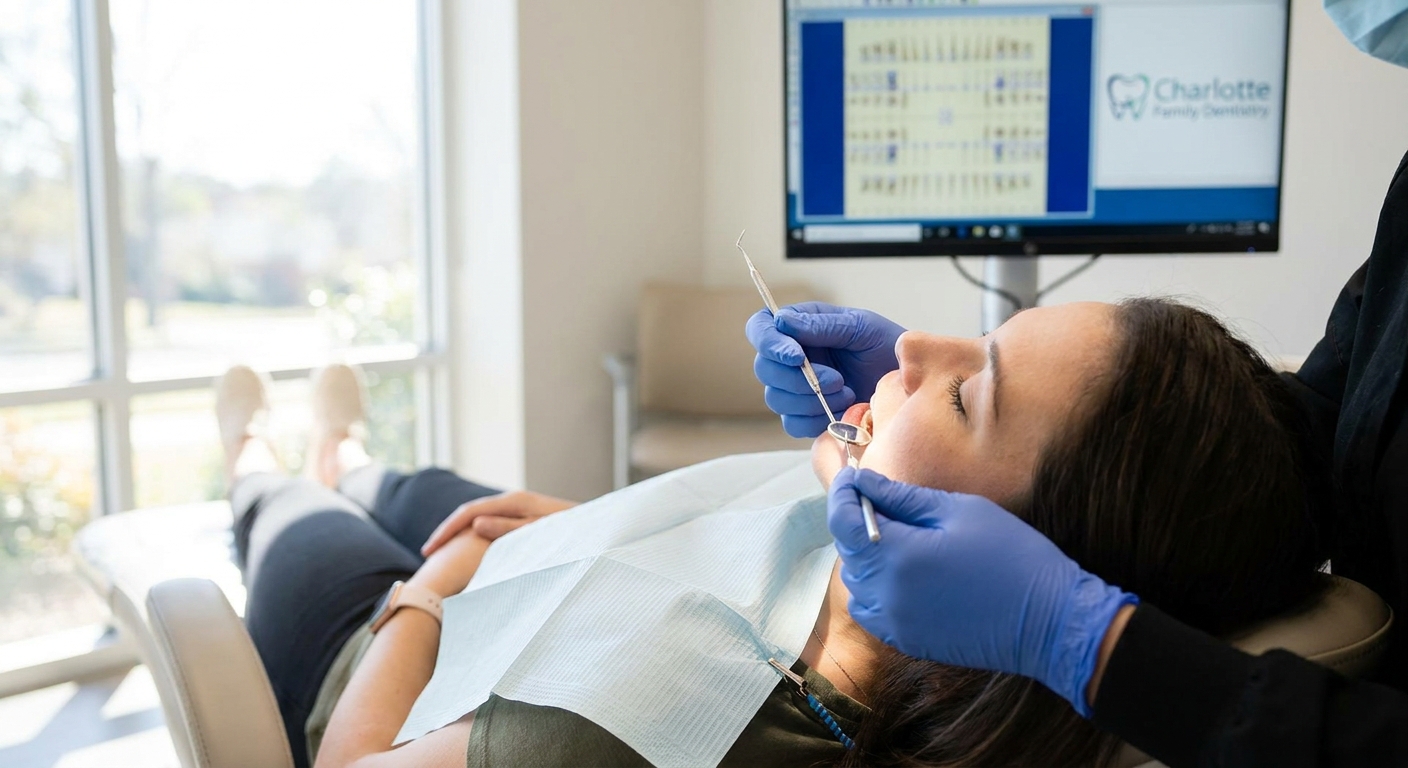
Within one to two weeks after your root canal, you’ll return for an initial check. Your dentist will look for signs of infection, evaluate pain levels, and confirm that any temporary crown or filling remains secure [1]. If you notice persistent discomfort or unusual swelling before this visit, call your provider for an earlier assessment.
Routine exam (6 months)
About six months after treatment, schedule a comprehensive exam to ensure the canal remains sealed and the tooth is stable. This visit often includes a cleaning and evaluation of your permanent crown or filling [2]. Proper care at this stage helps your treated tooth last for decades, perhaps even the rest of your life.
Long-term monitoring (1–5 years)
Annual X-rays may be recommended to catch hidden issues beneath the restoration before they become serious [1]. Then around five years post-treatment, a more in-depth review can confirm that the tooth and surrounding bone remain healthy. Missing these visits raises the risk of reinfection, fractures, or costly retreatment.
Table: recommended follow-up schedule
| Timeframe | Purpose |
|---|---|
| 1–2 weeks | Check for infection, pain management, restoration integrity [1] |
| 6 months | Cleaning, restoration evaluation, stability monitoring [2] |
| 1 year | Annual X-ray to detect hidden issues [1] |
| 5 years | Comprehensive re-evaluation of treated tooth [2] |
Manage post-procedure pain
You may experience soreness or tenderness after a root canal, but you can keep discomfort under control with the right approach. Effective pain management promotes rest, reduces swelling, and lets you focus on healing.
Use prescribed medications
If your dentist prescribes stronger pain relievers, take them exactly as directed. Over-the-counter options like ibuprofen or acetaminophen can help during the first 24 to 48 hours [3]. Pain usually peaks around day two or three, then tapers off. If pain persists beyond a week or becomes throbbing, call your provider immediately.
Try home remedies
Applying a cold compress for 10 to 15 minutes can reduce swelling and numb soreness in the first two days of recovery [4]. Rest with your head elevated to minimize blood flow to the area and ease pressure. Avoid chewing on the treated side until discomfort subsides, and follow any post procedure pain relief dentist guidelines your clinic provides.
Protect treated tooth
Your newly treated tooth is structurally weaker until it’s fully restored. Taking precautions now prevents fractures, reinfection, and costly retreatment.
Avoid biting hard foods
For the first week or until your permanent restoration is in place, steer clear of hard, crunchy, or sticky foods [4]. Apples, raw carrots, nuts, and hard candy can crack or dislodge a temporary filling or crown. Reserve these items for when you’ve received the final restoration.
Use protective devices
If you grind your teeth at night, wear a nightguard to shield the treated tooth. Athletes should use a mouthguard during contact sports. These devices reduce impact and prevent cracks or displacement of your restoration.
Select healing foods
A soft, balanced diet supports recovery by minimizing irritation and supplying nutrients for tissue repair. What you eat in the days after your root canal matters.
Soft, cool foods initial
In the first 24 to 48 hours, stick to soft, lukewarm options like creamy soups, mashed potatoes, yogurt, and smoothies [5]. Avoid hot beverages until the numbness from anesthesia wears off to prevent accidental burns.
Gradually reintroduce solids
By day four to seven, you can start adding soft solids such as scrambled eggs, oatmeal, and tender pasta back into your diet [3]. Always chew on the side opposite your treated tooth until your permanent crown is in place. For more detailed guidance, see our diet instructions after dental surgery.
Maintain oral hygiene
Keeping your mouth clean is crucial to prevent infection and promote healing around the treated tooth. Gentle, consistent hygiene practices will support your recovery.
Gentle brushing technique
Use a soft-bristled brush and fluoride toothpaste to clean your teeth twice daily. Take extra care around the treated area, brushing in gentle circular motions to avoid irritating tender gum tissue [6]. Rinse with warm salt water after meals if recommended by your dentist.
Careful flossing
Floss once a day, sliding the floss gently up and down between teeth. Avoid snapping it into the gumline near the root canal site. Proper flossing prevents food particles from accumulating around the restoration and reduces the risk of reinfection [6]. For an overview of post-procedure hygiene, check post procedure dental care.
Recognize warning signs
While mild soreness and sensitivity are normal, certain symptoms signal complications that require prompt attention. Watching for these warning signs can save your tooth.
Signs of infection
If you notice increased swelling, persistent throbbing pain, fever, or a bad taste in your mouth, you may have a lingering infection [7]. Contact your dentist immediately. Ignoring these clues can lead to abscess formation and the need for retreatment or apical surgery.
Restoration failure symptoms
A loose crown, crack in the filling, or sudden sharp pain when biting could mean your restoration has failed [4]. Reach out to schedule a follow up on repaired tooth so your dentist can reinforce or replace the restoration before further damage occurs.
Plan long term monitoring
A successful root canal and restoration can preserve your natural tooth for decades. Ongoing care and awareness help maintain its health and function.
Permanent crown placement
Most treatments require a permanent crown one to two weeks after the root canal [4]. Delaying crown placement can leave your tooth vulnerable, since temporary fillings are not designed to withstand long-term chewing forces. Discuss timing with your dentist and book your appointment as soon as possible.
Ongoing dental exams
Continue routine dental exams every six months to monitor the treated tooth alongside your overall oral health [1]. Annual X-rays remain vital for detecting subtle changes beneath the restoration. This consistent attention helps you avoid surprises and enjoy the full benefits of your root canal.
Your role in successful healing
Your commitment to follow-up care, careful hygiene, and healthy habits makes a real difference in how well your root canal stands the test of time. By scheduling appointments on time, managing discomfort responsibly, and recognizing warning signs early, you give your treated tooth the best possible chance to thrive.
If you have questions about any part of this process—from emergency dental follow up appointment details to specialized emergency dental recovery guidance—reach out to your dental provider. Staying informed and proactive in your aftercare means you can look forward to a comfortable, functional smile for years to come.