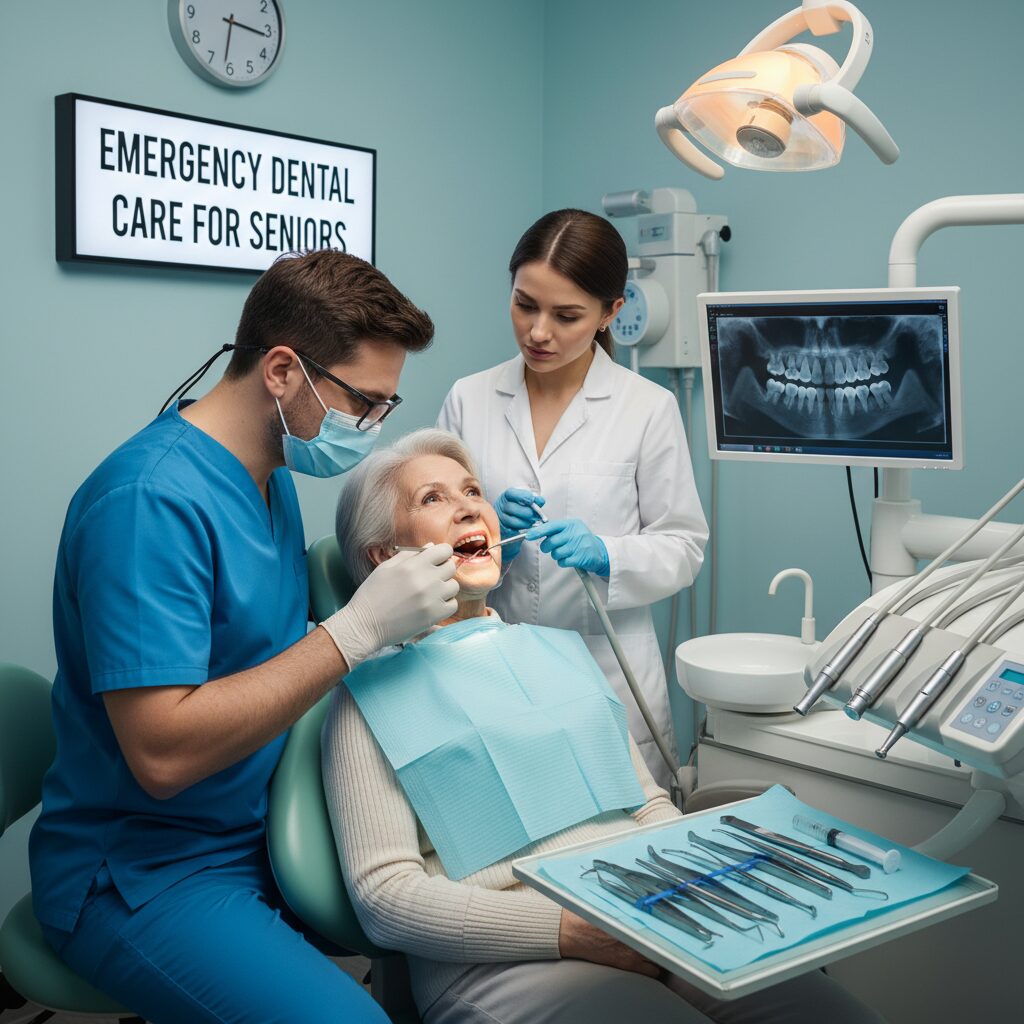
Emergency dental for seniors can feel overwhelming, especially if pain starts suddenly or you are caring for an older loved one with other health challenges. When you know what is urgent, what to do at home, and how to talk to an emergency dentist, you can act quickly and confidently instead of scrambling in the moment.
This guide walks you through common senior dental emergencies, practical first steps, and how to coordinate care when issues like mobility, anxiety, or cosmetic concerns after trauma are part of the picture.
Recognizing a true dental emergency in seniors
Not every oral problem needs same‑day care, but several situations in older adults should be treated as urgent because age and health conditions can turn “minor” issues into serious complications.
Seniors commonly face six main types of emergency dental issues:
toothaches, lost fillings or crowns, cracked or broken teeth, gum infections and abscesses, dry mouth complications, and denture problems, all of which require prompt attention to prevent worsening conditions [1].
You should seek emergency care right away if you notice:
- Severe or escalating tooth pain
- Swelling in the face, gums, or jaw
- Bleeding that does not stop with gentle pressure
- Fever or feeling unwell along with oral symptoms
- Trauma, such as a knocked‑out, chipped, or broken tooth
- Broken dentures or appliances that prevent eating or speaking
In older adults, problems can progress faster because of slower healing and other medical conditions. Dental emergencies in elderly individuals, including denture problems, oral infections, and acute tooth pain, require immediate and specialized care due to overall health vulnerabilities and treatment complexity [2].
Why seniors are more vulnerable in dental emergencies
As you age, your mouth changes. These natural changes, plus medications and medical conditions, make seniors more prone to dental emergencies and more sensitive to complications.
According to Palm Springs Dental Group, aging‑related factors such as dry mouth, gum disease, and tooth decay, often worsened by medications and general health conditions, all increase susceptibility to urgent dental issues [2].
Several patterns are especially important:
- Dry mouth, often caused by common medications or conditions like diabetes, reduces saliva. Without enough saliva, teeth decay faster and gums become sore, which can quickly lead to infections and emergency visits [3].
- Gum disease and bone loss can make teeth looser and more fragile, so a minor bump or bite on something hard can crack or break a tooth.
- Chronic conditions and slower healing mean infections spread faster and are harder to treat.
Maintaining oral health in older adults is crucial to preventing toothaches, tooth decay, and tooth loss, which also supports better eating and enjoyment of food as you age [4].
Common emergency dental problems in seniors
Understanding what is happening in your mouth helps you describe symptoms clearly to an emergency dentist and decide what to do while you wait to be seen.
Severe toothache
For seniors, toothaches often start with cavities, cracked teeth, or gum infections and, if untreated, can develop into serious infections due to slower healing [1]. You should treat persistent or throbbing pain as an emergency, especially if it keeps you awake, worsens when you lie down, or is accompanied by swelling.
While you wait for care, you can:
- Rinse gently with warm saltwater
- Use a cold compress on the outside of the cheek
- Take over‑the‑counter pain medication if it is safe with your other medicines
Do not put aspirin directly on the tooth or gums, and do not ignore pain that lasts more than a day or two.
Gum infection or abscess
Gum infections and abscesses are particularly serious in seniors. They can cause facial swelling, fever, and bad breath, and risk is higher if you have dry mouth or other health issues [1].
Call an emergency dentist right away if you see:
- A pimple‑like bump on the gum
- Significant swelling or warmth in the face or jaw
- Fever, chills, or feeling generally ill
Do not try to drain an abscess at home. Quick treatment can prevent the infection from spreading and may protect your overall health.
Broken, chipped, or knocked‑out tooth
Older teeth can be brittle, especially if you have had large fillings or root canals in the past. A sudden crack, chip, or fracture has both health and cosmetic implications, and for many seniors, the esthetic impact is deeply upsetting.
If you chip a tooth, especially a front tooth, you are advised to see a dentist within 2 to 3 hours to help save the tooth and reduce infection risk. Rinse with warm water and apply a cold compress before professional care [5].
If a tooth is completely knocked out:
- Handle it only by the crown, not the root.
- Rinse it gently if dirty, do not scrub.
- If possible, place it back in the socket.
- If not, keep it moist in milk, saline, or your saliva and get to an emergency dentist right away.
This approach significantly increases the chance of successful reattachment, even for seniors [6].
If the break affects your smile, emergency teams can also prioritize appearance. For example, services like emergency cosmetic dental repair, emergency veneer repair, esthetic emergency dental care, and focused cosmetic repair after break can restore both function and confidence.
Lost fillings, crowns, and implants
Lost fillings or crowns expose vulnerable tooth structure and can cause sensitivity, sharp edges, and decay. In seniors with a history of extensive dental work, these emergencies are common and need timely treatment to protect the remaining tooth.
Many practices offer an emergency crown for cosmetic need or can provide temporary coverage until a permanent solution is ready. If you have a dental implant that feels loose or painful, seek emergency implant support or emergency implant repair services promptly. Implants are usually reliable, but issues that arise should not wait.
Dry mouth complications
Dry mouth, where there is not enough saliva, is common in older adults due to medications, diabetes, or cancer treatments. It can make eating, swallowing, and speaking difficult, and often leads to sore gums, rapid decay, and emergency care needs [3].
If you notice burning, constant thirst, difficulty swallowing dry foods, or rapidly increasing cavities, talk with your dentist before it reaches the emergency stage. Adjusting medications with your doctor, using saliva substitutes, and more frequent cleanings can reduce crisis visits.
Denture problems
Ill‑fitting, broken, or lost dentures are a real emergency when they prevent you from eating or communicating clearly. For many seniors, dentures are central to appearance and social confidence.
Palm Springs Dental Group highlights that senior dental emergencies often require expedited denture repairs and tailored approaches to restore function quickly [2]. If your denture cracks, has a broken clasp, or causes painful sores, seek same‑day or next‑day denture repair rather than trying to adjust it at home.
First steps to take in a senior dental emergency
When something happens, focus on three priorities: staying calm, protecting the area, and getting professional guidance.
-
Assess symptoms
Look at the mouth if you can. Check for broken pieces, swelling, bleeding, or signs of infection like pus or redness. -
Control pain and bleeding
Use gentle pressure with clean gauze for bleeding. Apply a cold compress outside the cheek for swelling. Use approved pain medication if it is safe with your other prescriptions. -
Call an emergency dentist
Many practices that serve seniors, like Central Valley Dentistry in Phoenix and Elk Grove Dental Group in California, offer same‑day emergency appointments for toothaches, broken teeth, infections, and denture issues [7].Some clinics, such as the University of Pittsburgh School of Dental Medicine Emergency Clinic, now require appointments for evaluation rather than walk‑ins and charge a consultation fee plus any radiographs or treatment, so calling ahead is essential [8].
-
Use telehealth if access is difficult
Telehealth and remote dental consultations can be especially useful for seniors with mobility or transportation barriers. They allow quick assessment and guidance before an in‑person visit, helping you decide how urgent the problem is and what to do next [2].
Managing anxiety and using sedation safely
Many seniors feel anxious about emergency dental visits, either because of past experiences, cognitive changes, or worry about medical complications. If this sounds familiar, you are not alone.
Sedation dentistry can make emergency care far more manageable. For example, clinics that specialize in sedation emergency dental care or sedation for anxious emergency patients focus on providing a calmer, more controlled experience. In some situations, you might need a sedated tooth extraction emergency or more comprehensive sedated emergency care charlotte style support, depending on your location and needs.
Before receiving sedation, share:
- All medications, including over‑the‑counter and supplements
- All medical conditions, especially heart, lung, or kidney disease
- Any past reactions to anesthesia or sedation
Geriatric‑aware teams understand how to adjust doses and monitor seniors closely. Palm Springs Dental Group notes that tailored approaches and palliative pain management are often required to address the unique needs and complications faced by older adults [2].
Coordinating care when there are barriers
Many seniors delay emergency dental care because of practical obstacles, which can turn small problems into larger ones.
Common barriers include:
- Mobility limitations and transportation challenges
- Financial concerns and gaps in insurance coverage
- Cognitive or memory issues that make scheduling difficult
Palm Springs Dental Group points out that mobility, transportation, and financial constraints significantly hinder seniors from seeking timely emergency care [2]. In addition, Medicare generally does not cover most dental care, so you might need private dental insurance or help locating low‑cost resources [4].
Practical steps you can take:
- Identify an emergency dentist in advance who is experienced with seniors and accepts your insurance. Some clinics, such as the University of Pittsburgh School of Dental Medicine, accept most major insurance plans and can connect you with financial information specialists to discuss payment options [8].
- Arrange transportation options ahead of time if you no longer drive.
- If you are a caregiver, keep a written list of medications, health conditions, and allergies ready to bring to any emergency appointment.
With a plan in place, you are less likely to postpone care because of logistics.
Special considerations: mixed‑age households and cosmetic needs
Many families include both seniors and children under the same roof. Dental emergencies can overlap, for example, when a loved one who is older falls and breaks a tooth while a child experiences trauma on the same day. It helps to know that the same practice may offer different tracks of urgent care for all ages.
If you are already connected with a provider for child tooth trauma emergency, emergency care for children’s teeth, or a child-friendly emergency dentist, ask whether they also provide senior‑focused emergency services and sedation. Clinics that handle pediatric trauma, such as a pediatric trauma dental clinic or pediatric emergency dentist charlotte, often have systems in place for fast triage, imaging, and accelerated repair after trauma that can benefit adults too.
Cosmetic needs deserve attention as well. Older adults often worry about how a broken front tooth, damaged veneer, or fractured crown will affect social interactions. Practices focused on esthetic fix emergency dentistry, esthetic emergency dental care, or emergency orthodontic repair understand that appearance is not just vanity, it is part of self‑esteem and quality of life.
Preventing the next emergency
You cannot prevent every emergency, but you can significantly lower your risk and catch problems earlier.
Older adults are advised to:
- Brush with fluoride toothpaste twice daily and floss or clean between teeth every day to remove plaque that would otherwise cause decay or gum disease [4].
- Schedule regular checkups and cleanings, even if you have full dentures.
- Watch for changes like new sores, red or white patches, numbness, or lumps. Because the risk of oral cancer increases with age, any concerning symptom that lasts more than two weeks should be checked promptly by a doctor or dentist [4].
- Talk to your dentist and physician if you notice dry mouth. Medication adjustments, saliva substitutes, or dietary changes can often help before an emergency arises.
For seniors, “small” oral problems can quickly become big ones. Planning ahead with a trusted emergency dentist and staying alert to early warning signs gives you control over your oral health instead of letting emergencies dictate your decisions.
When you understand how emergency dental for seniors works, you are better prepared to act quickly, ask the right questions, and protect both health and confidence, whether you are seeking care for yourself or for someone you love.
References
- (Central Valley Dentistry)
- (Palm Springs Dental Group)
- (Central Valley Dentistry, Office of Disease Prevention and Health Promotion)
- (Office of Disease Prevention and Health Promotion)
- (Chippewa Dentist)
- (Chippewa Dentist, Elk Grove Dental Group)
- (Central Valley Dentistry, Elk Grove Dental Group)
- (University of Pittsburgh School of Dental Medicine)