Understanding walk-in dental with insurance
When you are in pain, you do not want to wait days for an appointment or spend hours figuring out what your dental insurance will cover. Walk-in dental with insurance gives you a way to get fast care, often on the same day, while still using your benefits to keep costs manageable.
Walk-in dental clinics allow you to arrive without a pre-scheduled appointment and be seen as soon as a provider is available. Many of these offices actively work with a wide range of dental insurance plans, help you verify coverage, and give you clear cost estimates before treatment begins [1]. If you are comparing options, you can also look for an insurance accepted emergency dentist that offers both rapid access and clear financial guidance.
By understanding how walk-in visits and insurance work together, you can make better decisions in an emergency and avoid delaying care because of financial uncertainty.
When to choose a walk-in dental clinic
Not every dental issue requires urgent care, but many situations do. A walk-in dental clinic is often the best choice when you are dealing with sudden or escalating problems and need same-day help.
Common dental emergencies
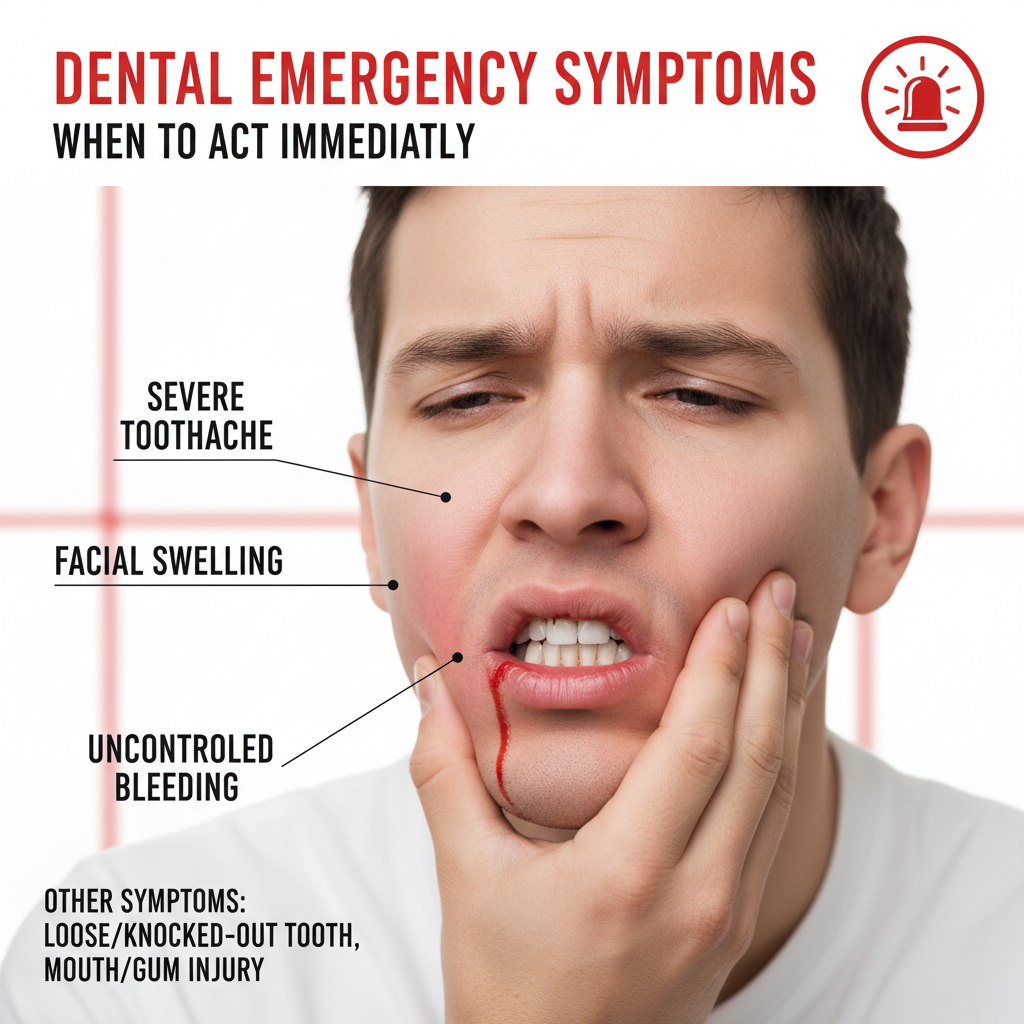
You may want to use walk-in dental with insurance when you experience:
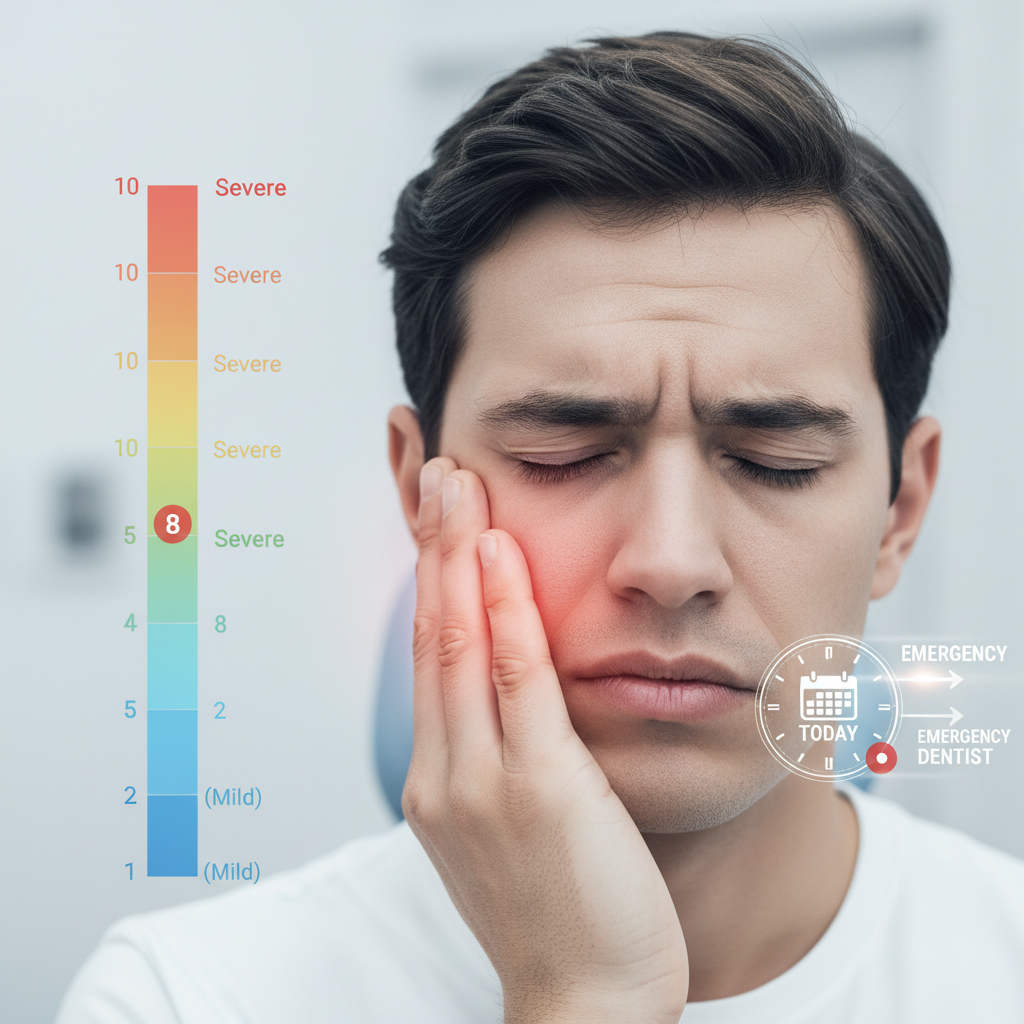
- Severe or throbbing tooth pain that does not improve with over-the-counter pain relief
- Swelling in your face, gums, or jaw
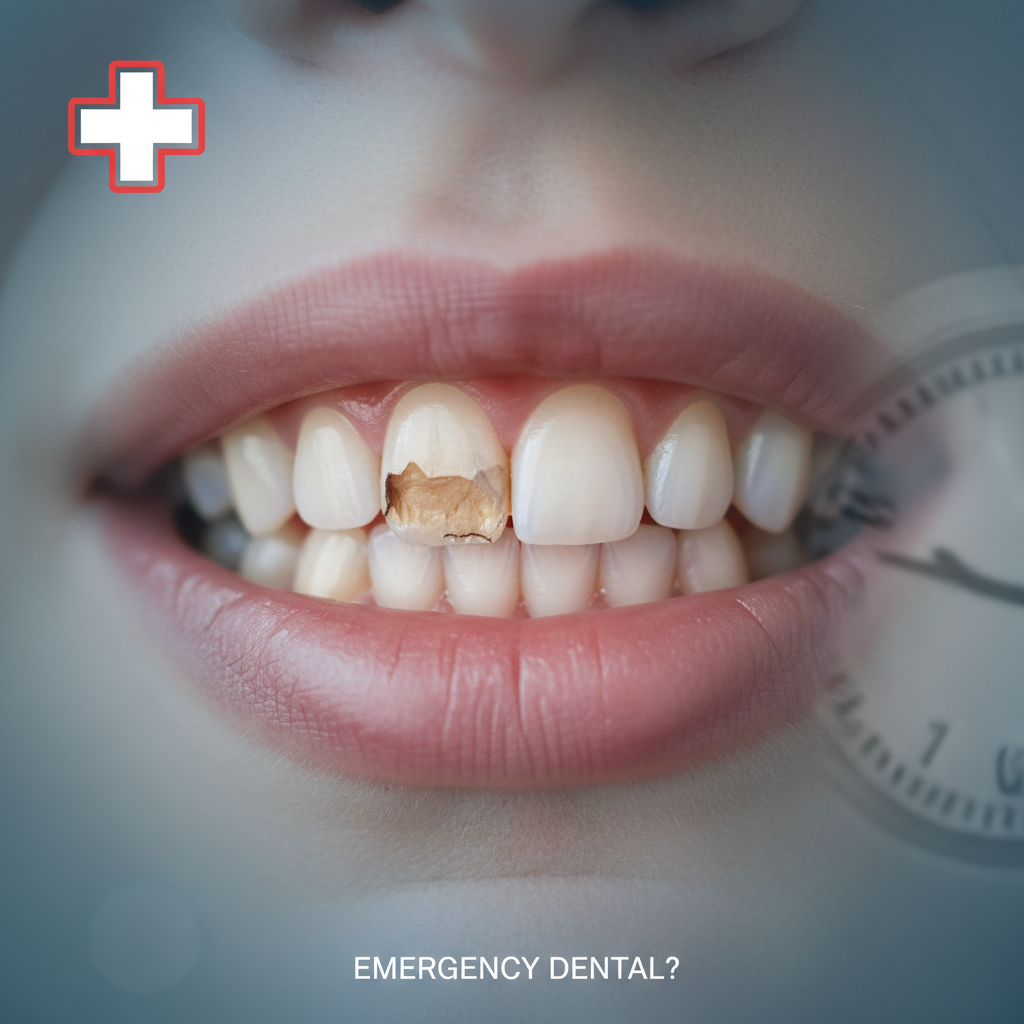
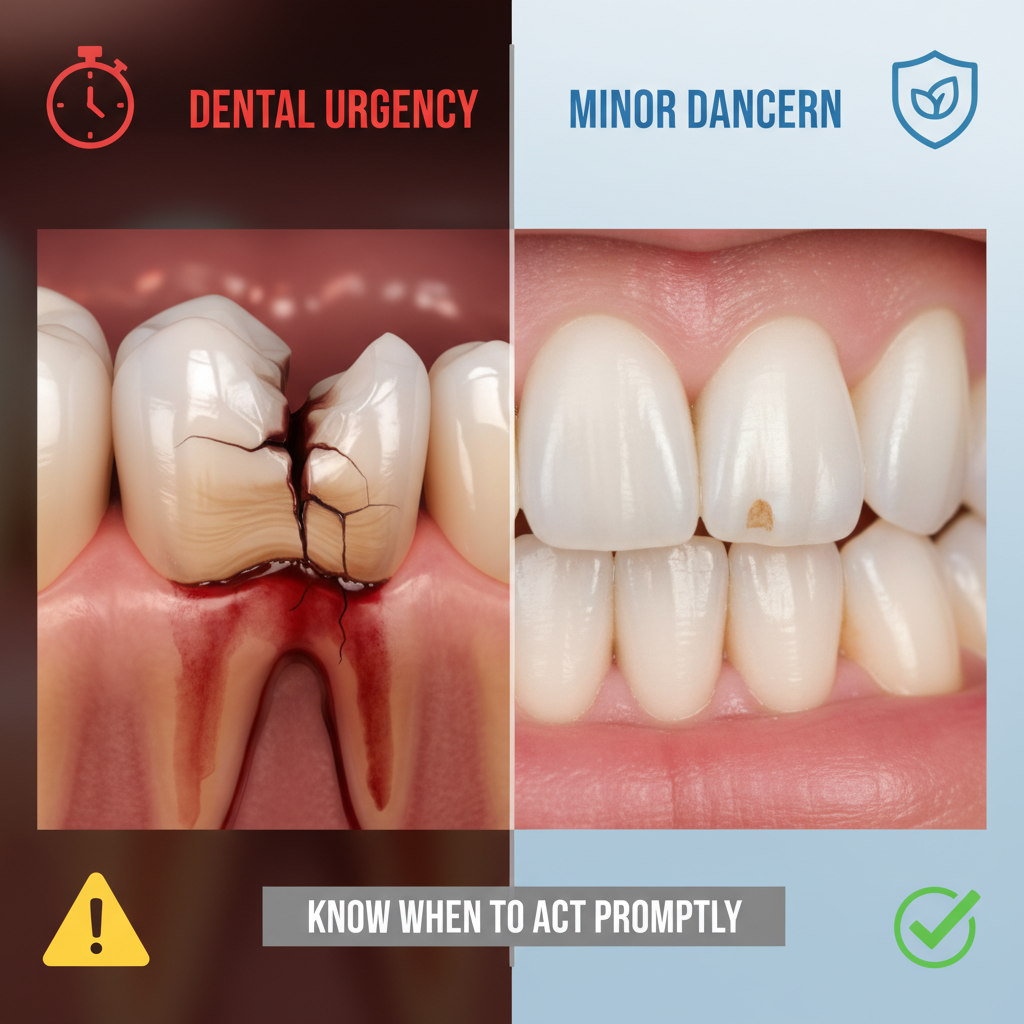
- A broken, chipped, or cracked tooth
- A knocked-out tooth
- Dental trauma from a fall, accident, or sports injury
- Bleeding that does not stop
- Signs of infection such as fever, bad taste, or pus
Clinics like Aspen Dental specifically promote same-day, walk-in emergency dental care for severe tooth pain, knocked-out teeth, swelling, and broken restorations, with immediate pain relief and follow-up plans [2].
If you are in the Charlotte area, you can look into a same day dental appointment charlotte to get urgent care with clear pricing information.
Non-emergency but urgent issues
Walk-in clinics are also helpful for problems that are not life threatening but still require timely attention. These might include:
- Lost or loose fillings
- A crown that has come off
- A chipped tooth that is sharp or uncomfortable
- A denture that has broken or no longer fits properly
Many walk-in clinics offer same-day care for these situations and can help you prevent a minor problem from evolving into a true emergency [1].
If you are unsure whether your symptoms count as urgent, most offices encourage you to call. Some practices, such as Centreville Dental Wellness Center, invite patients to contact them immediately so they can decide together whether same-day care or a near-term appointment is best [3].
How walk-in dental clinics work
Understanding what to expect from walk-in dental with insurance can reduce anxiety and help you prepare, even if you are in pain.
Check-in and triage
When you arrive, you will typically:
- Provide identification and insurance information
- Complete brief medical and dental history forms
- Describe your main concern, such as pain level or recent trauma
Emergency-focused clinics often prioritize patients based on urgency. For example, someone with uncontrolled bleeding or severe swelling may be seen before someone with a chipped filling, even if they arrived later.
At larger emergency providers, the process is streamlined. Aspen Dental, for instance, uses a quick check-in followed by a focused exam and necessary X-rays, then provides immediate pain relief and a treatment plan for urgent needs [2]. the_queen97 videos
Evaluation and diagnosis
Next, a dentist will evaluate your condition. This typically includes:
- A visual exam of your teeth and gums
- X-rays to check for infection, fractures, or decay
- Discussion of your symptoms, medical history, and recent events
Offices that focus on walk-in emergencies often use modern imaging technology to quickly pinpoint the cause of your symptoms, just as Centreville Dental Wellness Center does for urgent cases [3].
Immediate treatment and short-term plan
Once the dentist understands what is going on, you will usually receive:
- Immediate relief, such as numbing, drainage of an abscess, or temporary repairs
- A clear explanation of your treatment options
- A short-term plan to stabilize the issue and a longer-term plan if more visits are needed
At many clinics, you will get a detailed cost estimate based on your insurance coverage before you authorize treatment. Providers like Aspen Dental emphasize that they review costs in advance and outline both urgent treatment and follow-up steps during the same visit [2].
If you know you may need more extensive work, such as an urgent root canal, it can help to review resources like the cost of emergency root canal so you have a general idea of what to expect.
How dental insurance works for walk-in visits
When you arrive without an appointment, your insurance still functions much the same way as it would for a scheduled visit. The difference is often in the timing and urgency rather than the structure of coverage.
Coverage basics for emergency visits
Most dental insurance plans:
- Cover preventive services, such as exams and cleanings, at or near 100 percent
- Provide partial coverage for basic restorative work, such as fillings
- Contribute a percentage of major procedures, such as crowns or root canals
Preventive services like routine exams and cleanings may be fully covered by many dental insurance plans, which helps you reduce long-term emergency costs by catching issues early [4].
For walk-in emergencies, your plan may:
- Apply a deductible before coverage begins
- Use different coverage levels for urgent exams or problem-focused X-rays
- Have annual maximums that limit the total benefits available each year
Some insurers, including providers like Humana, offer dental plans with no waiting periods, so coverage can start within about five days. This can be very helpful when you need walk-in dental with insurance shortly after starting a new plan [4].
In-network vs out-of-network considerations
One of the most important questions before a walk-in visit is whether the clinic is in your insurance network. In-network status usually means:
- Lower contracted rates for procedures
- Higher coverage percentages from your insurer
- Reduced out-of-pocket expenses overall
If you visit a walk-in clinic that is out of network, your plan may still cover part of the costs, but your share will likely be higher. Insurance experts recommend confirming network status in advance when possible to avoid surprises [4].
If you feel overwhelmed by the details, many offices will help you with insurance verification dentist services. Staff trained in insurance and billing, like those at Centreville Dental Wellness Center, can often explain your benefits more clearly than the plan documents themselves [3].
Typical cost ranges with insurance
Exact costs depend on your plan, the materials used, and your location. However, you can expect the price of procedures at walk-in clinics to be generally comparable to regular dental offices, with transparent breakdowns before treatment starts [1].
For more personalized planning, it can be helpful to review tools such as:
These resources can support your budgeting and help you compare options before you commit to treatment.
What if you do not have insurance or Medicaid coverage
Sometimes you may need walk-in dental care before you have active insurance, or you might not be able to use Medicaid at certain locations. In those situations, you still have options to access fast care without delaying treatment.
Clinics that do not accept Medicaid
Not every walk-in dental provider accepts Medicaid. For example, Aspen Dental notes that Medicaid is not accepted at their locations, even though they do treat patients with many commercial insurance plans [2].
If you rely on Medicaid, you may want to search specifically for emergency dental with medicaid options in your area, or call clinics ahead of time to confirm Medicaid acceptance.
Savings plans and membership programs
If you are uninsured, some large dental providers offer membership-based savings plans rather than traditional insurance. Aspen Dental, for example, offers a savings plan that costs about 49 dollars per year and can reduce the price of emergency procedures by up to 30 percent. This is not insurance, but it gives you discounted fees when you receive care [2].
Many local practices also provide in-house savings programs for preventive and basic services, which can lower costs if you expect to need ongoing follow-up after an emergency.
Financing and payment options
Walk-in dental with insurance is not your only path to more affordable care. If your insurance is limited or you do not have coverage, financing can help spread expenses over time.
Clinics like Pearl Dental Group highlight several common approaches:
- In-house payment plans with set monthly amounts
- Third-party financing such as CareCredit
- Flexible arrangements to help patients manage upfront costs [1]
Aspen Dental reports a high approval rate for their third-party financing partner, which helps uninsured patients handle out-of-pocket costs for emergency visits [2].
If you are comparing practices, you may want to explore:
You can also look for budget emergency dental care to prioritize locations that emphasize clear, affordable pricing.
Step-by-step: Using walk-in dental with insurance
When you are in pain, a straightforward plan can make it easier to act quickly. The following steps can help you use your insurance effectively during a walk-in dental visit.
-
Confirm the problem and urgency
Identify your main concern and how long it has been present. Note any swelling, fever, or trauma. If you believe the situation is life threatening, call emergency services first. -
Find a walk-in or same-day provider
Search for local emergency or walk-in dental clinics and check their websites for walk-in policies. If you are in a specific region, such as Charlotte, an affordable emergency dentistry charlotte provider can combine urgent care with budget-conscious options. -
Call to verify insurance and availability
Before you travel, call the clinic and ask:
-
Are you accepting walk-in emergencies today?
-
Do you accept my insurance plan?
-
Are you in-network for my insurer?
-
Can you give me a rough estimate for an exam, X-rays, and likely treatment?
This is also when you can confirm if the office is a dentist insurance friendly for emergencies.
-
Bring your documents and medications list
Take your insurance card, photo ID, and a list of current medications or medical conditions. This helps the office verify benefits quickly and keeps your care safe. -
Ask for a cost estimate before treatment
Once the dentist recommends a plan, you can request a written or printed breakdown. Many offices provide transparent pre-treatment cost estimates, including how much your insurance is expected to pay [1]. If you want more context, you can review an urgent dental cost discussion to understand how different procedures are typically priced. -
Discuss payment plans if needed
If your share of the cost is higher than you expected, ask about payment options or financing. Walk-in clinics that focus on emergencies are often prepared to talk through urgent dental payment plans or other arrangements on the same day. -
Schedule follow-up and preventive care
After the immediate problem is controlled, it is important to schedule recommended follow-up. Some walk-in clinics, like Pearl Dental Group, offer comprehensive services so you can transition from urgent treatment to ongoing care at the same location [1].
If you use walk-in dental with insurance wisely, you can address emergencies quickly while still protecting your budget and long-term oral health.
Choosing the right insurance-friendly emergency dentist
Not all walk-in clinics are the same. When you are researching options for fast care that still works well with your insurance, it helps to focus on a few key factors.
What to look for in a clinic
You may want to prioritize offices that:
- Clearly state which insurance plans they accept
- Explain whether they are in-network with common insurers
- Offer same-day or next-day slots for emergency patients
- Provide written cost estimates before treatment
- Have staff who understand insurance and are willing to walk you through your benefits
Some practices, such as Centreville Dental Wellness Center, specifically highlight their ability to help patients understand their dental benefits, as well as their focus on prompt emergency care with modern imaging for accurate diagnosis [3].
Resources like emergency dentist that accepts insurance and urgent dental with insurance coverage can simplify your search by focusing on offices that already prioritize insurance compatibility.
Balancing speed, cost, and coverage
When you are in pain, speed matters, but you also need to consider cost and coverage. To balance these factors:
- Start with clinics that are in-network whenever possible
- Ask for same-day availability or walk-in hours
- Request an emergency dental cost estimate or similar breakdown before committing
- Compare your options if you have time, especially for non-life-threatening issues
If you live in an area with several providers, you may also find emergency dental special offers that reduce the price of initial exams or X-rays for new emergency patients.
Planning ahead to avoid delays
Although emergencies are unpredictable, you can still plan for them in a general way:
- Review your dental benefits each year so you know your deductibles and maximums
- Identify one or two nearby clinics that accept your insurance and offer emergency care
- Save their phone numbers in your contacts for quick access
- Consider a supplemental plan if your current insurance is limited, using examples from providers like Humana to understand cost and coverage options [4]
By doing a small amount of research before you ever need walk-in dental with insurance, you lower the risk of delaying care because you are unsure where to go or what it might cost.
Making walk-in dental care more affordable
Even with insurance, urgent dental treatment can feel expensive. The goal is not only to find fast care but also to make it financially manageable, both in the moment and in the long term.
Combine insurance with discounts and financing
You can reduce your burden by:
- Using in-network clinics whenever you can
- Applying your insurance to covered services and then using savings plans for anything not covered
- Setting up monthly payments when a large procedure is needed
- Exploring third-party financing with high approval rates, such as the programs widely used at offices like Aspen Dental [2]
If you need a structured approach, it may help to review emergency dental financing options or other budget-focused resources before you finalize your treatment plan.
Use preventive coverage to avoid repeat emergencies
Finally, you can use your insurance in a proactive way. Because preventive care is often fully or largely covered, regular cleanings and exams can help you:
- Catch decay before it becomes a painful cavity
- Identify cracks or worn restorations before they break
- Manage gum disease before it leads to severe infection
This type of ongoing care is often included in walk-in clinics that also provide routine services. As Humana notes, cost estimates for procedures vary widely depending on the procedure type, materials, and geography, so reducing your need for major work can have a meaningful impact on long-term costs [4].
If you combine your preventive benefits with a clear plan for emergencies, such as identifying a dentist insurance friendly for emergencies, you put yourself in a stronger position both clinically and financially.
Walk-in dental with insurance gives you a path to immediate help when you need it most, without losing the advantages of your dental benefits. By confirming network status, asking for clear estimates, and taking advantage of payment options or savings plans when necessary, you can access fast, effective care and protect your budget at the same time.