Understanding tooth pain
When intense discomfort radiates through your jaw, you need a reliable tooth pain relief dentist who can diagnose the source and restore comfort quickly. Toothaches can range from a dull throb to a sharp, stabbing pain. Identifying the underlying cause is the first step toward choosing the right treatment.
Causes of toothaches
- Tooth decay
Bacteria in plaque feed on sugars and starches, producing acids that erode enamel and lead to cavities [1]. - Gum recession
Exposed roots become sensitive when gums pull away from the tooth, triggering sharp pain with temperature changes. - Tooth trauma
Injuries from accidents or biting hard objects can crack or chip enamel, causing immediate or delayed pain. - Teeth grinding (bruxism)
Excessive clenching wears down enamel, strains jaw muscles and leads to dull aches or headaches. - Impacted wisdom teeth
Partially erupted molars can trap food and bacteria, creating inflammation and throbbing pain. - Cracked or fractured teeth
Tiny fractures may not be visible but can cause intermittent pain when chewing.
Types of pain
Understanding the quality and pattern of your tooth pain helps your dentist tailor treatment:
- Sharp pain on biting often signals a cracked tooth or filling failure.
- Persistent throbbing may indicate an infection or abscess.
- Sensitivity to hot or cold suggests enamel erosion or exposed dentin.
- Dull ache around jaw and temples can relate to grinding or temporomandibular disorder (TMD) [2].
Recognizing emergency signs
Not every toothache requires same-day care, but certain symptoms demand immediate attention.
Severe symptoms
- Unbearable pain that disrupts sleep or daily activities [3].
- Swelling of face, jaw or neck, which can signal an abscess and risk of spreading infection.
- Fever, chills or general malaise accompanying tooth pain.
- Bleeding or discharge around a tooth, indicating active infection.
- Difficulty breathing or swallowing alongside dental pain [1].
When to call now
If you notice any of the above signs, contact a specialized toothache emergency dentist or visit a nearby dental trauma care charlotte provider. In cases of broken teeth or severe trauma, choose a broken tooth emergency dental clinic for prompt evaluation.
Employing initial relief methods
While a professional evaluation is crucial, you can use safe home measures to reduce discomfort until your appointment.
Home remedies overview
- Rinse with warm salt water to flush debris and soothe irritated tissues.
- Apply a cold compress to the cheek for 15-minute intervals to reduce swelling.
- Elevate your head when lying down to minimize throbbing.
- Chew on the opposite side of the painful tooth to avoid pressure.
Over-the-counter aids
- Nonsteroidal anti-inflammatory drugs (NSAIDs) such as ibuprofen can reduce pain and inflammation.
- Acetaminophen offers pain control if NSAIDs are not tolerated.
- Avoid benzocaine gels and liquids, as they may cause methemoglobinemia in rare cases [1].
These measures offer temporary relief. If pain persists beyond 24 to 48 hours, or if it worsens, schedule care with an urgent provider.
Considering dental interventions
A trained tooth pain relief dentist will recommend targeted procedures based on your diagnosis. Below is a summary of common emergency treatments.
| Procedure | Purpose | Description |
|---|---|---|
| Dental filling | Repair small cavities | Removes decay and restores tooth structure |
| Root canal therapy | Eliminate infected pulp | Cleans and seals the inner canal of the tooth |
| Tooth extraction | Remove irreparable teeth | Eliminates source of pain and prevents spread |
| Emergency crown repair | Stabilize cracked or broken tooth | Places a temporary crown until permanent restoration |
| Abscess drainage | Control severe infection | Drains pus and disinfects the affected area |
Emergency procedures
- For deep decay or nerve involvement, an emergency root canal charlotte can offer fast pain resolution.
- Severely damaged teeth may require extraction; an urgent extraction dentist charlotte can guide you through the process.
- Cracked or chipped teeth often receive immediate attention via chipped tooth repair emergency or emergency tooth repair charlotte.
Your dentist will discuss sedation options, expected recovery and any follow-up needs to ensure lasting comfort.
Choosing urgent care provider
When time is of the essence, you want a practice that offers fast, same-day relief. In Charlotte, Charlotte Emergency Dental has built a reputation as the go-to urgent care provider for dental pain, trauma and broken teeth.
- 24/7 availability with 24/7 emergency dental care
- Same-day scheduling through same day dental emergency
- Walk-in convenience at a walk in emergency dentist location
- After-hours support via after hours dental charlotte
- Central access at dental emergency clinic charlotte
- Acceptance of most major plans via emergency dentist accepting insurance
- Easy online booking with urgent dental appointment charlotte
Whether you face a throbbing toothache, a fractured crown or a severe abscess, Charlotte Emergency Dental combines advanced technology with experienced clinicians to deliver confident, compassionate care.
Preparing for your appointment
To make the most of your visit, gather key information and know what to expect when you arrive.
Documents and insurance
- Government-issued ID and dental insurance card, if applicable
- List of current medications and allergies
- Records of any prior dental work on the affected area
- Description of symptoms: onset, duration, triggers
Having this information ready helps your dentist diagnose accurately and speed up your treatment plan.
What to expect
When you arrive at an urgent dental care clinic:
- Triage assessment – A trained staff member evaluates your pain level and vital signs.
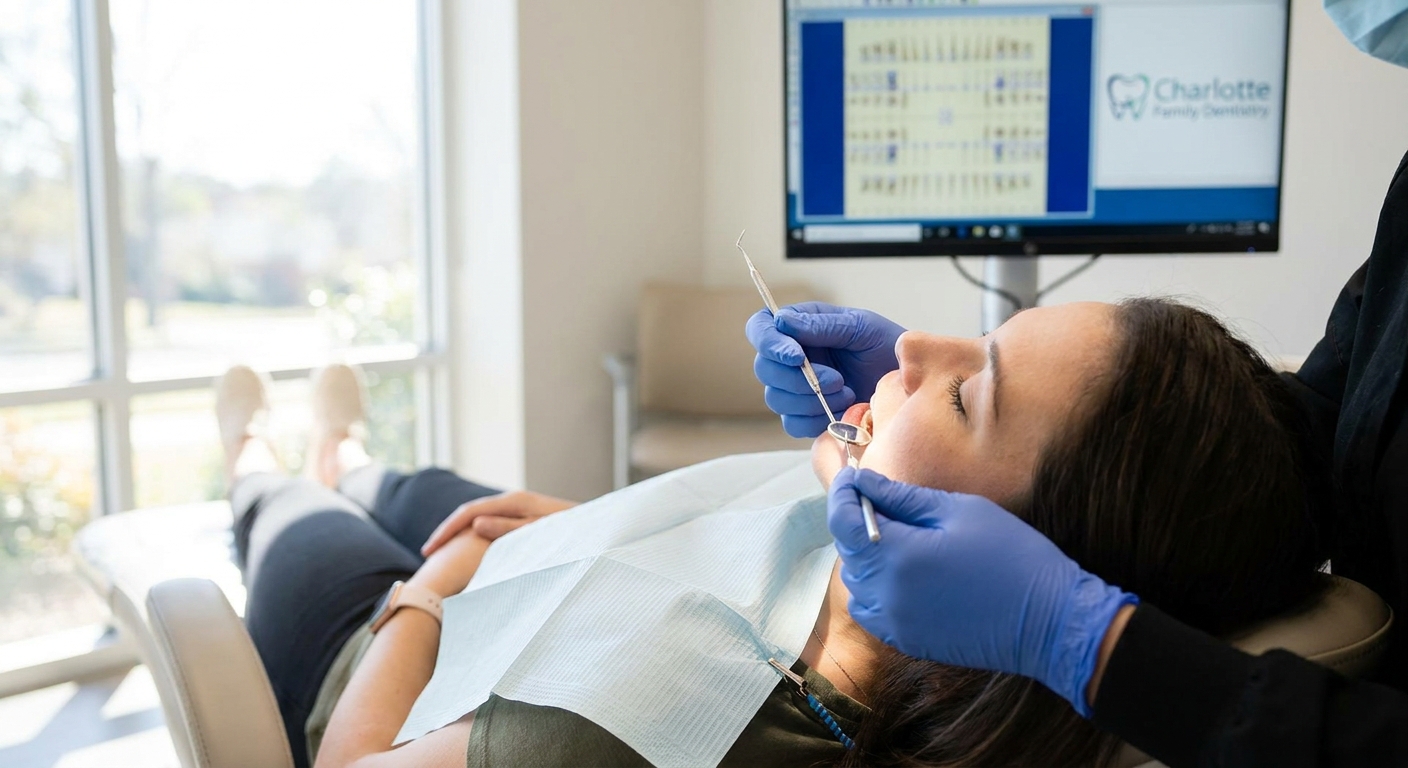
- Clinical examination – The dentist inspects your teeth, gums and surrounding structures.
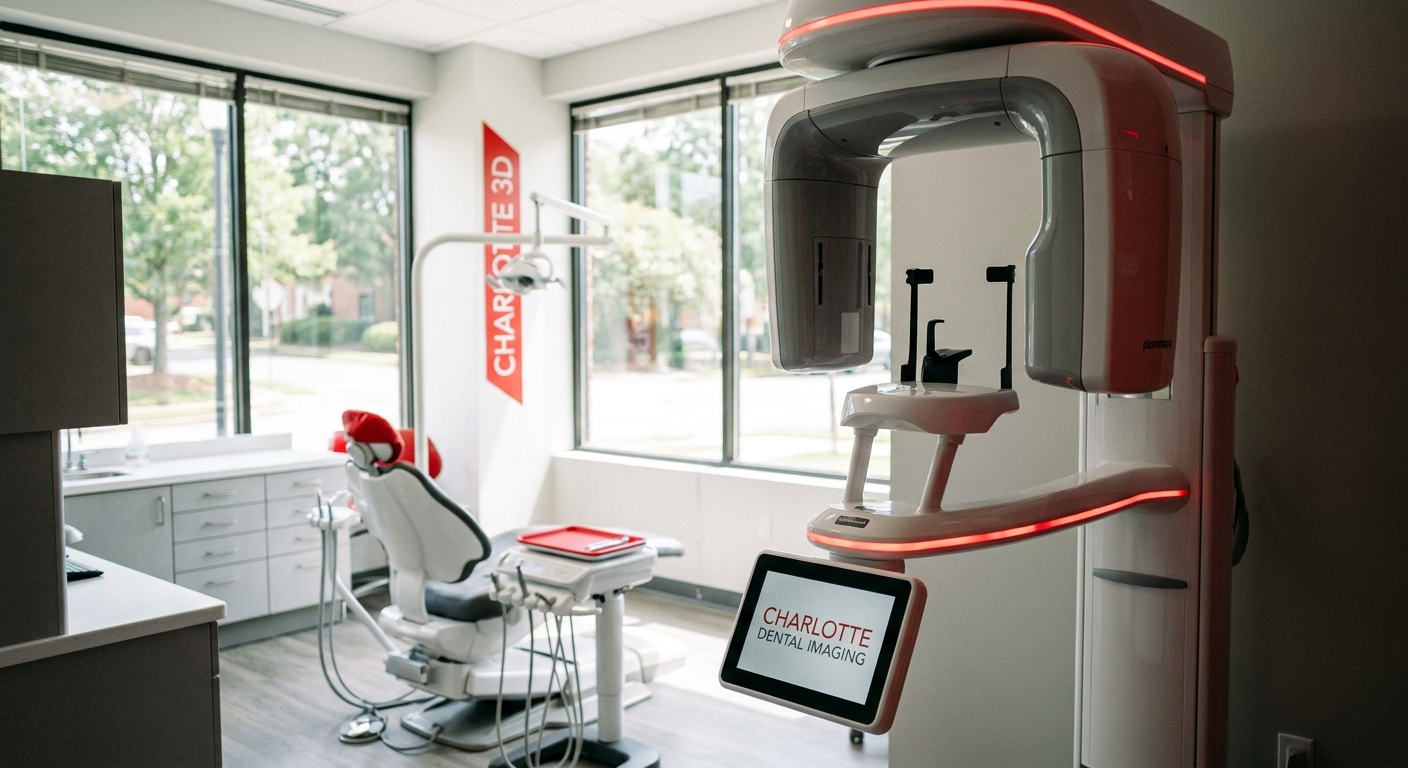
- Diagnostic imaging – X-rays or 3D scans reveal hidden decay, fractures or infections.
- Treatment plan review – Your provider explains procedures, sedation options and estimated costs.
- Intervention – Immediate relief measures—such as drainage, filling or stabilization—are performed in a single visit whenever possible.
Ensuring lasting recovery
Securing fast relief is only the first step. To protect your renewed comfort and prevent future issues, follow a structured post-care plan.
Follow-up treatments
- Schedule any recommended restorative procedures, such as permanent crowns or implants.
- Complete any prescribed antibiotic or analgesic regimens to ensure full resolution of infection.
- Attend follow-up visits to monitor healing and adjust your care plan as needed.
Preventive care tips
- Practice good oral hygiene: brush twice daily with fluoride toothpaste and floss once a day.
- Limit high-sugar and acidic foods that promote decay.
- Wear a custom night guard if you grind your teeth.
- Maintain regular check-ups, generally twice per year, or as recommended based on your risk factors [4].
- Use an antimicrobial mouthwash to reduce plaque buildup and promote gum health.
By combining professional interventions with consistent home care, you can achieve long-term relief and protect your smile from future emergencies. If sudden pain returns or new symptoms arise, don’t hesitate to reach back out to a trusted urgent care provider.