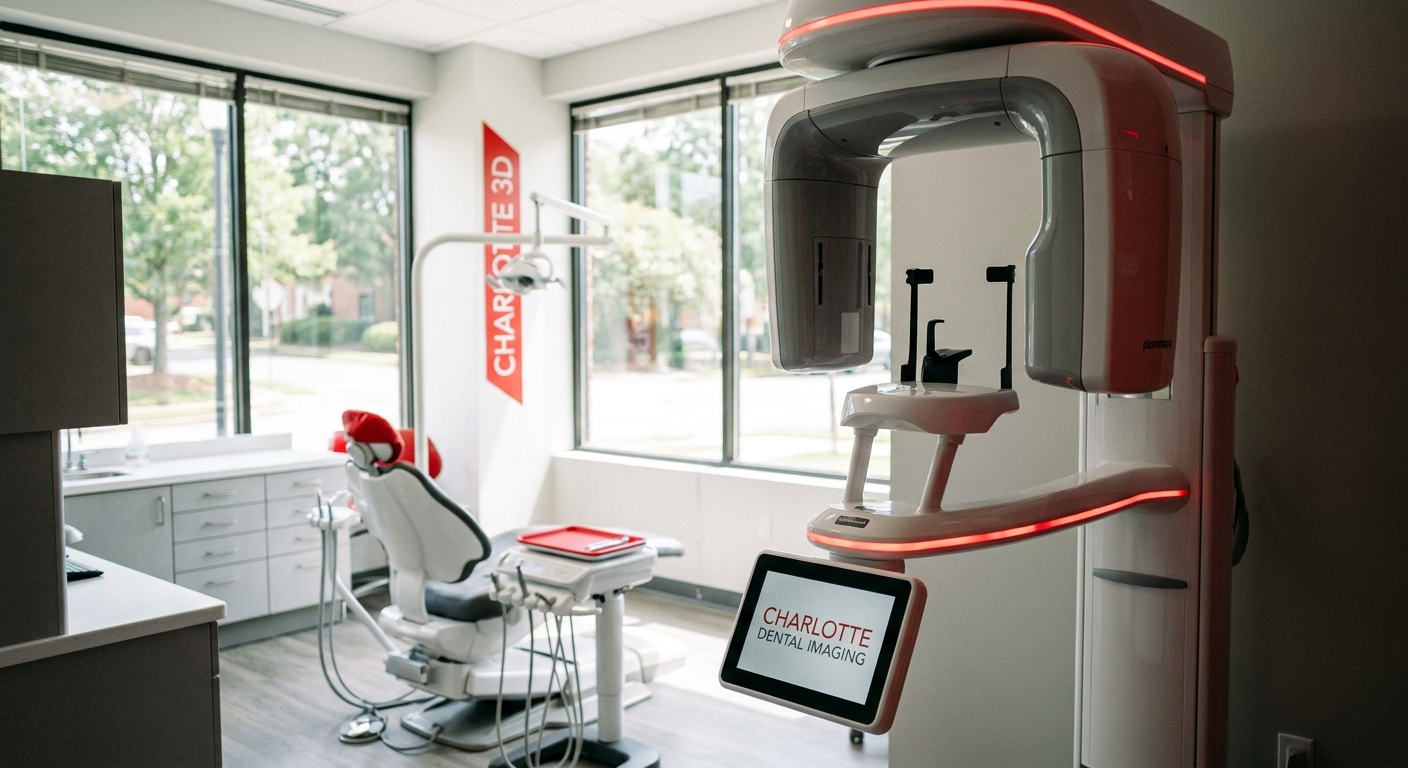
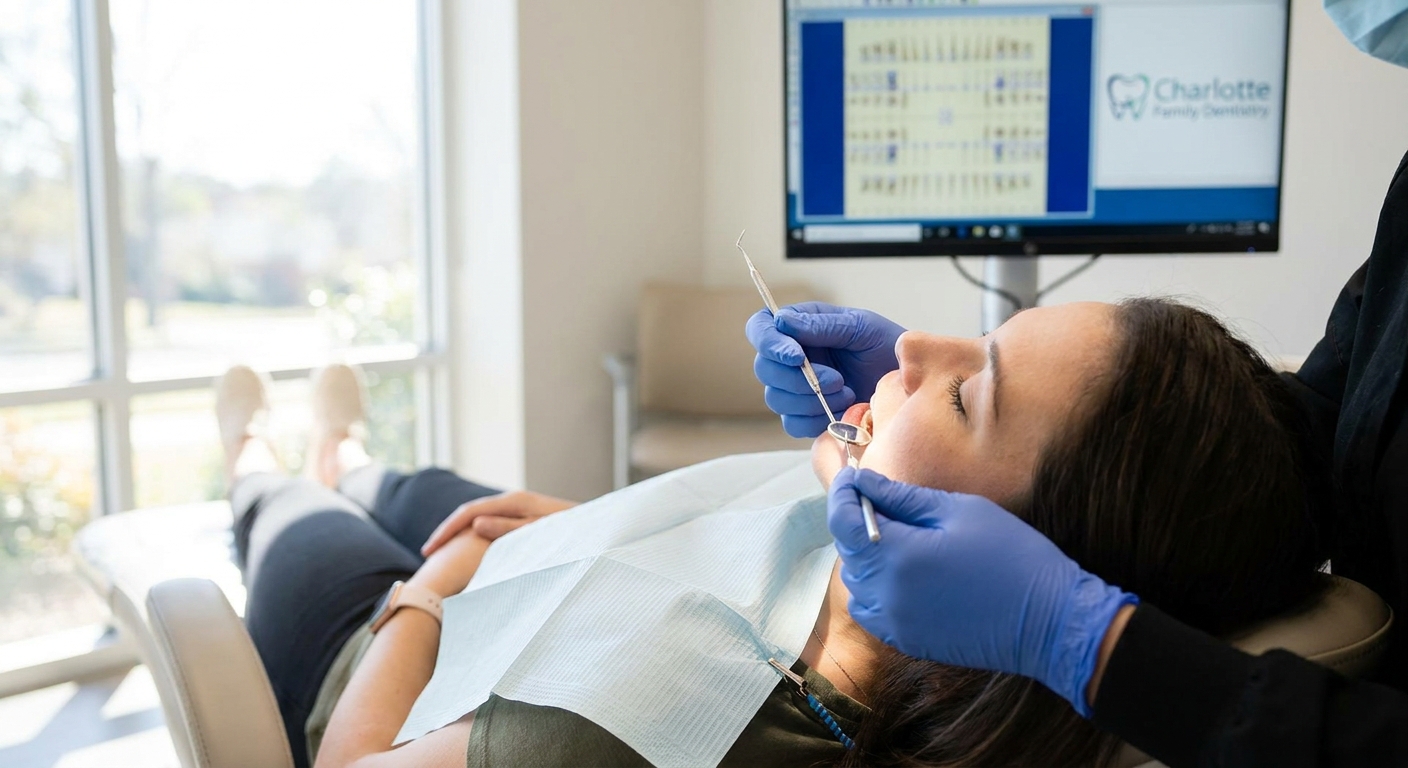
When your child is in pain or has a sudden injury to the mouth, you do not want to guess about what comes next. Knowing what to expect from a pediatric emergency dentist in Charlotte helps you stay calm and act quickly when every minute matters. Whether your child needs urgent relief, sedation for a frightening procedure, or cosmetic repair after trauma, a pediatric emergency dentist in Charlotte is equipped to respond.
This guide walks you through how pediatric emergency dentistry works in Charlotte, what happens from the moment you call, how sedation and cosmetic services fit in, and how to prepare before you ever need help.
Understanding pediatric dental emergencies
A pediatric emergency dentist in Charlotte focuses on urgent problems that affect your child’s comfort, safety, or long term oral health. Some issues can wait for a regular appointment, but others need same day or immediate care.
Common pediatric dental emergencies include:
- Severe or persistent toothache
- Knocked out, loose, or displaced permanent teeth
- Chipped, fractured, or broken teeth
- Dental abscesses or facial swelling
- Injuries to the lips, gums, or tongue
- Suspected jaw fracture
- Trauma from sports, falls, or accidents
Clinics such as Webb Pediatric Dentistry note that parents should seek emergency care right away if a child has intense tooth pain, a knocked out or loose permanent tooth, swollen or bleeding gums, chipped or broken teeth, or a dental abscess, because these problems typically require urgent professional treatment [1].
You can explore more detail about specific injuries and what to watch for in a dedicated resource on emergency care for children’s teeth.
What happens when you call a pediatric emergency dentist in Charlotte
When you contact a pediatric emergency dentist in Charlotte, the process is structured to identify the urgency of the situation and guide you step by step.
Triage and first phone call
Most pediatric emergency offices in Charlotte, including Plaza Midwood area practices, offer immediate assistance and publish an emergency phone number for after hours urgent treatment as of 2024 [2].
During the call, you can expect the team to:
- Ask what happened and when it occurred
- Review your child’s symptoms, pain level, bleeding, and swelling
- Determine whether you should come directly to the office or go to a hospital emergency room first
- Give you clear home care instructions for the next 30 to 60 minutes
For example, University Pediatric Dentistry in Charlotte provides an on call pediatric emergency dentist after office hours and can be reached at 704 688 1664 for urgent guidance [3]. They also give specific instructions for home care before you arrive, which helps protect your child’s teeth and mouth in the critical early period.
If your child has any head or neck trauma, multiple Charlotte pediatric dentists recommend that you go to the emergency room first. University Pediatric Dentistry emphasizes that children with head or neck injuries should be evaluated in an ER before coming to the dental office for comprehensive safety [3]. Ballantyne Pediatric Dentistry gives similar advice and urges parents to go directly to the emergency room if trauma involves the head or neck or occurs outside office hours [4].
Same day or urgent appointment
Once the situation is stable enough for dental care, a pediatric emergency dentist will typically arrange a prompt visit. Some practices offer same day appointments Monday through Thursday in kid friendly environments, as described by Webb Pediatric Dentistry at their Charlotte location on Springbank Lane [1]. Others, such as University Pediatric Dentistry on West Arbors Drive, also coordinate emergency schedules and provide instructions for what to do before you arrive [3].
You should be prepared to share your child’s medical history, medications, allergies, and any previous dental anxieties. This helps the team plan for sedation if needed and choose the safest treatment options.
What to expect during the emergency visit
Once you arrive at a pediatric emergency dentist in Charlotte, the visit is designed to relieve pain quickly while protecting your child’s long term dental health and appearance.
Evaluation and diagnosis
Your child’s dentist will begin with a brief but thorough assessment that may include:
- Visual exam of the teeth, gums, and soft tissues
- Palpation to check for tenderness, mobility, or fractures
- Cold tests or gentle tapping to assess tooth vitality
- X rays to identify fractures, root problems, or infection
Charlotte pediatric dentists emphasize that about one third of children experience some type of dental trauma, with peak risk in toddlerhood and again during the preteen and teen years [5]. Because of this, emergency evaluations are structured and methodical so that small issues do not get missed in a stressful moment.
If your child has visible trauma, a knocked out tooth, or a color change in a tooth after an injury, you can expect the dentist to take these signs very seriously. Crown fractures in children vary from minor enamel chips to serious injuries with pulp exposure, so a careful exam is essential [5].
Immediate pain control
After the initial assessment, the priority is comfort. Pediatric emergency dentists typically use a combination of approaches, which may include:
- Topical numbing gels on the gums
- Local anesthetic injections around the affected tooth
- Over the counter or prescription pain relievers as appropriate for age and weight
- Cold compresses for swelling and soft tissue injuries
If your child is extremely anxious, has special needs, or requires a more complex procedure such as a sedated tooth extraction emergency, the dentist may recommend sedation options, which are covered in more detail later in this guide.
Common pediatric emergencies and how dentists respond
Different injuries require different protocols. Knowing what to expect can help you act quickly and support your child through the visit.
Knocked out or dislodged teeth
A knocked out permanent tooth is one of the most time sensitive emergencies. Multiple Charlotte pediatric emergency dentists stress that you should rinse the tooth gently with water, avoid scrubbing it, place it in a clean container with milk, and call the office immediately or head to the hospital for urgent care [2]. Webb Pediatric Dentistry reinforces that placing the tooth in milk and quickly visiting an emergency dental clinic can increase the chances of saving the tooth [1].
Pediatric specialists note that reimplantation of a permanent tooth is most successful if done within one hour of the injury [5]. Because timing is critical, you can expect the office to prioritize your child for urgent treatment.
For baby teeth, the approach is different. Most pediatric dentists do not reimplant primary teeth to avoid damaging the developing permanent tooth underneath. Rea Farms Pediatric Dentistry explains that knocked out adult teeth should be preserved in cold milk and brought in immediately, while knocked out baby teeth are not replaced but still need evaluation to prevent infection and maintain space for future teeth [6].
You can find more detailed guidance on trauma scenarios in a focused resource on child tooth trauma emergency.
Chipped, cracked, or broken teeth
Fractured teeth are common in childhood, especially from playground or sports accidents. A pediatric emergency dentist in Charlotte will examine the depth and location of the fracture to determine the best treatment.
Depending on the severity, treatment options may include:
- Smoothing sharp edges to protect cheeks and tongue
- Bonding with tooth colored material to restore shape
- Temporary or permanent crowns on larger fractures
- Pulp therapy or root canal in severe cases
Because appearance is a major concern for older children and teens, many Charlotte practices offer aesthetic and cosmetic focused solutions. University Pediatric Dentistry, for example, includes aesthetic dentistry as part of its emergency services to repair damage to a child’s smile [3]. You can learn more about similar cosmetic options in resources like emergency cosmetic dental repair and cosmetic repair after break.
If your child needs a crown quickly due to visible damage in the front of the mouth, you may also explore options similar to an emergency crown for cosmetic need.
Severe toothache and infection
Intense tooth pain, especially when combined with swelling, fever, or difficulty eating, can signal infection. Webb Pediatric Dentistry notes that ignoring dental pain, swelling, or other urgent problems can lead to serious complications and emphasizes prompt evaluation [1]. Rea Farms Pediatric Dentistry further highlights that early intervention can prevent serious health risks such as sepsis from untreated infections [6].
Emergency treatments for infected or badly decayed teeth may include:
- Antibiotics for spreading infection
- Pulp therapy or root canal to save the tooth
- Fillings or crowns to restore structure
- Extraction when a tooth cannot be saved
Rea Farms Pediatric Dentistry lists root canals, fillings, crowns, extractions, and splinting dislodged or loose teeth among their common emergency procedures, each tailored to the child’s specific situation [6].
If your child is very fearful or has difficulty tolerating treatment, your dentist may discuss options similar to sedation emergency dental care or sedated emergency care charlotte.
Jaw injuries and facial trauma
If you suspect a broken jaw or your child experiences significant facial trauma, a pediatric emergency dentist in Charlotte will typically direct you to emergency medical care. Dentists in the area advise using a cold compress and calling their emergency number or going to the hospital immediately when a broken jaw is suspected, and they emphasize the potential severity of head trauma [2].
After your child is stable, the pediatric dentist will evaluate tooth and soft tissue damage, coordinate imaging, and plan any restorative or cosmetic treatment needed.
Further information on managing more complex injuries is available in resources such as pediatric trauma dental clinic and accelerated repair after trauma.
Sedation options for anxious children in emergencies
Many children are frightened by the idea of emergency dental treatment. If your child has special needs, strong dental anxiety, or requires a longer or more complex procedure, sedation can be an important part of care.
How pediatric sedation works in emergencies
In a pediatric emergency setting, the sedation plan focuses on three priorities: comfort, cooperation, and safety. The dentist will review your child’s medical history, any medications, allergies, and previous reactions to anesthesia. You will then discuss the most appropriate level of support, which may range from mild nitrous oxide to deeper forms of sedation.
While each practice has its own protocols, many Charlotte providers offer:
- Nitrous oxide, often called laughing gas, for mild relaxation
- Oral conscious sedation for moderate anxiety or longer procedures
- Deeper sedation administered and monitored under strict guidelines for specific cases
If you know in advance that your child struggles with dental anxiety, you can explore more information tailored to your situation in a guide on sedation for anxious emergency patients. For more complex situations that may involve extractions or multiple procedures at once, a resource like sedation emergency dental care can also be helpful.
When sedation is especially helpful
Sedation is usually considered when:
- Local anesthesia alone is not enough for comfort
- Your child is too anxious or young to cooperate safely
- The procedure is expected to take longer or involve multiple teeth
- There is significant trauma and a need to address several issues at once
If your child has an emergency that might need extraction, such as a severely fractured or infected tooth that cannot be saved, you can expect your pediatric emergency dentist to review options similar to those described in sedated tooth extraction emergency.
Cosmetic and esthetic repair after pediatric trauma
For many families, the most distressing part of a dental injury is how it affects a child’s smile. In Charlotte, several pediatric emergency dentists integrate cosmetic and esthetic care into their urgent services, so your child does not have to live with visible damage longer than necessary.
Aesthetic priorities in children and teens
Older children and teenagers are often very self conscious about their appearance, especially when front teeth are involved. University Pediatric Dentistry specifically notes that they provide aesthetic dentistry as part of prompt emergency appointments to repair damage to children’s smiles [3].
Depending on the injury, cosmetic emergency repair may include:
- Tooth colored bonding to rebuild chips or fractures
- Temporary or permanent crowns for larger breaks
- Splinting loose teeth and then restoring appearance
- Polishing and contouring to improve symmetry
You can learn more about the types of cosmetic options typically used in urgent settings by reviewing related resources like esthetic emergency dental care, esthetic fix emergency dentistry, and emergency cosmetic dental repair.
Coordinating cosmetic work with long term care
Pediatric emergency dentists balance short term appearance with long term tooth development. For example, they may place a temporary restoration or crown to protect the tooth and restore your child’s smile quickly, then plan more definitive work once the tooth and jaw have finished developing.
In more complex trauma cases, you might see an initial focus on stabilization and pain relief, followed by staged cosmetic improvements. A resource like cosmetic repair after break can help you understand what to expect over the months following a significant injury.
If your family also deals with adult dental emergencies, you may find it helpful to see how similar esthetic principles apply in other urgent settings, such as emergency crown for cosmetic need, emergency veneer repair, or emergency implant repair services.
How Charlotte pediatric emergency dentists coordinate with other care
Pediatric emergency care in Charlotte does not happen in isolation. Your child’s dentist often works closely with medical providers, other dental specialists, and your family to provide cohesive care.
- When injuries involve the head, neck, or possible concussion, Charlotte pediatric dentists recommend that children be seen in an emergency room first, then return for focused dental treatment as needed [7].
- If orthodontic appliances are damaged, your emergency dentist may provide short term relief and then refer you for follow up similar to emergency orthodontic repair.
- In families where adults or grandparents also face emergencies, it can be useful to understand how pediatric services fit into broader offerings like emergency dental for seniors and emergency implant support.
This coordinated approach helps ensure that your child receives the right type of support at each stage of recovery.
Preventing pediatric dental emergencies when possible
Not all emergencies can be avoided, but many can be reduced in frequency or severity. Pediatric emergency dentists in Charlotte share several practical prevention strategies.
Clinics in the area recommend:
- Child proofing your home, especially around sharp furniture edges and slippery surfaces
- Avoiding hard foods like ice, popcorn kernels, and very hard candies that can crack teeth
- Using properly fitted car seats, seat belts, and booster seats
- Having children wear custom fitted mouthguards for contact sports and high risk activities
- Maintaining regular brushing, flossing, and routine dental visits to catch small problems early [2]
You can also support your child by making sure they have a consistent child friendly emergency dentist who knows their medical history and can respond quickly if something does happen.
If your child plays contact sports, a professionally fitted mouthguard and clear emergency plan can make the difference between a minor scare and a life changing dental injury.
For children who already have a history of trauma or complex dental work, it can be helpful to discuss an emergency plan with your dentist in advance. This may include deciding when to call, which emergency number to use after hours, and what to do while you are on the way to the office.
Preparing yourself and your child
You cannot predict when a pediatric dental emergency will occur, but you can prepare.
Consider taking these steps now:
- Save contact information for pediatric emergency dentists in Charlotte in your phone, including after hours numbers for practices like University Pediatric Dentistry at 704 688 1664 [3] and Webb Pediatric Dentistry at 704 980 0545 [1].
- Keep a small emergency kit at home with clean gauze, a container with a lid, and instructions on preserving a knocked out tooth in milk.
- Talk with your child, in age appropriate language, about what would happen if they hurt a tooth so the first emergency visit feels less scary.
- If your child has significant anxiety, special needs, or previous traumatic experiences at the dentist, discuss possible sedation approaches in advance by reviewing information similar to sedation for anxious emergency patients.
When you understand what to expect from a pediatric emergency dentist in Charlotte, you are better positioned to protect your child’s comfort, their smile, and their long term oral health. In a crisis, that knowledge lets you act quickly and confidently until your child is safely in the care of a specialist who is trained to handle pediatric emergencies, sedation, and cosmetic repair in a way that is tailored to young patients.