When you are in pain and trying to find help fast, choosing an insurance accepted emergency dentist is not just convenient. It can be the difference between getting treated quickly with manageable costs, or delaying care because you are worried about unexpected bills. Understanding how emergency dental insurance works and what to look for in a provider gives you more control in a stressful moment.
In this guide, you learn why picking an insurance friendly emergency dentist matters, what “insurance accepted” really means, how coverage typically works, and how to prepare before an urgent situation happens.
Understanding insurance accepted emergency dentists
When you search for an insurance accepted emergency dentist, you are usually trying to answer three questions at once:
- Can you be seen quickly.
- Will your insurance be taken.
- How much will you owe out of pocket.
An emergency dentist that accepts your insurance can often handle all three, but “accepts insurance” can mean different things. Some offices are in network with your plan, meaning they have agreed to specific discounted fees. Others are out of network but will still help you file claims. Knowing which applies to you affects how much you pay and how fast your claim is processed.
Most dental plans include benefits for emergency exams and urgent treatments such as fillings, extractions, or temporary repairs. For example, many Delta Dental plans cover emergency care provided by dentists or emergency dental clinics, with the usual deductibles, annual maximums, and copays applying just as they do for routine care [1]. When you choose a dentist familiar with your insurance, you are less likely to face surprise charges and more likely to get accurate estimates at the time of your visit.
Why insurance acceptance matters in a dental emergency
During an emergency, you are making decisions under pressure. If you know ahead of time which emergency dentist accepts your insurance, you remove one major layer of stress and can focus on getting relief.
Faster yes to urgent treatment
If a dental office is already set up to work with your insurer, they can often verify your coverage on the spot. Many practices have a dedicated insurance verification dentist process so that front desk staff can confirm:
- Whether your plan is active
- What your remaining annual maximum is
- How emergencies are covered
- What your estimated copay will be
At large networks, such as those that partner with Delta Dental, patients can often get after hours guidance or be directed to in network emergency providers in their area [1]. This type of quick verification makes it easier to say yes to necessary treatment right away.
Lower and more predictable out of pocket costs
Emergency care can range from a simple exam and prescription to a same day root canal or extraction. If the dentist is in network with your plan, the fees are typically contracted, and insurance covers a portion based on the type of service.
Pristine Dental notes that most plans cover emergency procedures like exams, X rays, fillings, extractions, and sometimes root canals, often paying between 50 percent and 80 percent depending on plan details and whether the dentist is in network [2]. When you choose an insurance accepted emergency dentist, you are more likely to stay within that in network structure.
To get a clearer picture before you go in, you can review resources like an emergency dental cost estimate, which explains common emergency procedures and typical price ranges. If you expect a specific treatment, such as a root canal, looking at the cost of emergency root canal can help you budget ahead of time.
Avoiding costly detours to the ER or urgent care
When dental pain is intense, it can be tempting to go straight to the emergency room. However, most stand alone dental plans do not cover ER or urgent care visits for dental problems. Delta Dental makes it clear that emergency room and urgent care visits for dental issues, along with prescriptions for dental pain or infections, are generally not covered by dental plans and instead fall under medical insurance [1].
An insurance friendly emergency dentist can often see you the same day, treat the cause of the pain directly, and bill your dental insurance for covered services. This not only improves clinical outcomes but can also significantly reduce your costs compared with a non dental ER visit that only addresses symptoms.
How dental insurance typically handles emergencies
Knowing how your benefits work before you are in crisis can help you make faster, more informed decisions when an emergency happens.
What counts as a dental emergency
Many emergency dentists and insurers define a dental emergency as a situation where you have:
- Severe or persistent tooth pain
- Facial or gum swelling
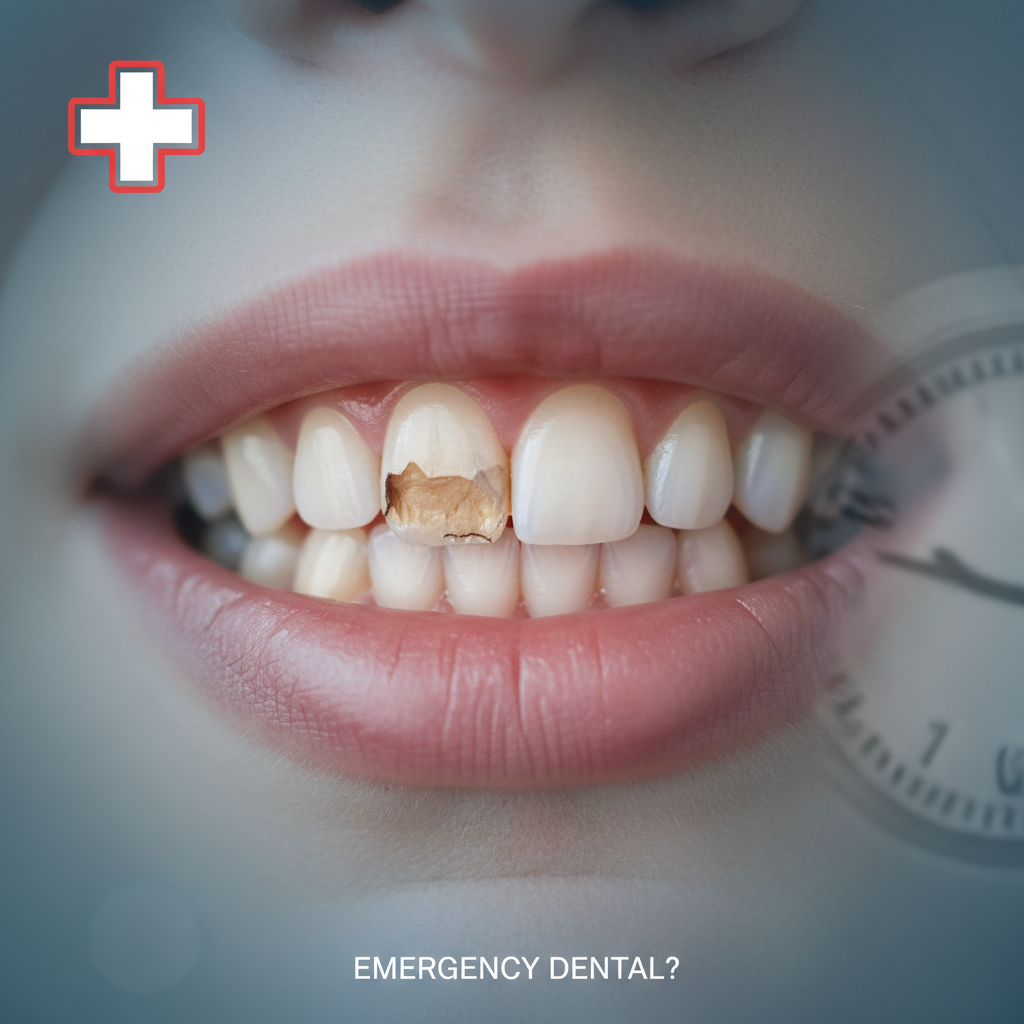
- A cracked, broken, or knocked out tooth
- Bleeding that will not stop
- A lost filling, crown, or restoration causing pain or exposed nerves
- Signs of infection such as fever with dental pain
Providers such as Absolute Dental highlight that untreated emergencies like abscessed teeth and spreading infections can become serious or even life threatening if ignored, which is why they recommend immediate evaluation for symptoms like abrupt tooth pain, bleeding gums, jaw swelling, exposed nerves, or lost teeth [3]. Insurers generally recognize these types of situations as medically necessary and provide some level of coverage.
Typical coverage structure for emergency care
Most standard dental plans include:
- An emergency exam benefit. Often covered at a higher percentage since it is considered diagnostic.
- Coverage for basic services. Fillings, simple extractions, and similar procedures may be covered like other restorative services.
- Coverage for major services. Surgical extractions or root canals might fall under “major” services with a lower coverage percentage.
- Annual maximums and deductibles. Emergency services still count toward your yearly maximum, and deductibles may apply.
Ammons Dental explains that most dental insurance plans provide coverage for treatments such as exams, X rays, fillings, extractions, and sometimes root canals, with coverage varying by plan and whether the dentist is in network [4]. This means that when you choose an insurance accepted emergency dentist, you are able to use these benefits in the way the plan is designed, rather than paying full retail rates.
If you want to anticipate your share of costs in your local market, tools like emergency dental pricing charlotte and emergency dental fee estimate can help you see how different procedures compare.
In network vs out of network in an emergency
Not all insurance accepted emergency dentists are equally cost effective. The distinction between in network and out of network providers has a direct impact on both speed of care and total cost.
Why in network often saves you money
When a dentist is in network, they have a contract with your insurer that sets maximum fees for each service. Your insurance pays a percentage of those contracted amounts, and you pay the balance. This usually results in lower out of pocket costs than you would pay at an out of network office, even if both accept your plan.
For example, Delta Dental notes that some types of plans, especially DHMO options, may not include coverage for emergency treatment by out of network dentists, which is why verifying network status is important before you are in pain [1]. Using a dentist who is in network helps ensure that:
- Your emergency exam and X rays are billed at contracted rates
- Procedures like fillings or extractions follow the plan’s coverage schedule
- The office can collect only your estimated copay at the time of service
If you anticipate needing fast access in a specific city, looking for affordable emergency dentistry charlotte or a dentist insurance friendly for emergencies can narrow your options to offices that both take your plan and focus on urgent care.
When an out of network emergency dentist still makes sense
There are situations where you may still choose or need an out of network provider, such as:
- You are traveling and there is no in network office nearby
- Your pain is severe and the closest open dentist is out of network
- Your plan reimburses some out of network care, and timing matters more than cost
Delta Dental notes that their nationwide network allows you to search for in network emergency dentists while traveling in the United States through their website or mobile app [1]. However, if you cannot reach an in network provider in time, your immediate health takes priority. In those cases, you can still ask the office to submit claims to your insurer so you receive any available reimbursement.
Same day appointments and rapid entry with insurance
In a true dental emergency, you are often focused on one thing: getting in as soon as possible. Many practices that highlight their status as an insurance accepted emergency dentist also build their schedule and systems around rapid entry.
How same day slots usually work
Emergency friendly practices often:
- Reserve daily blocks on the schedule for same day visits
- Offer extended hours or weekend availability
- Provide triage over the phone to prioritize the most urgent cases
- Accept walk ins and work them in between scheduled appointments
Large networks such as Aspen Dental emphasize that they provide same day, walk in emergency dental care nationwide for issues like severe tooth pain, knocked out teeth, swelling, broken teeth or restorations, and more, with a focus on quick relief and a follow up plan [5]. They describe a process that includes quick check in, a thorough exam with X rays if needed, immediate pain relief, a treatment plan, and a detailed cost estimate before you leave the office [5].
When you are looking locally, tools such as a same day dental appointment charlotte search can lead you to offices that explicitly promote same day care.
Walk in visits with insurance
Some patients assume that walk in care will not coordinate well with insurance, but many offices are structured to handle both. When you seek walk-in dental with insurance, you are looking for a practice that can:
- Verify your plan quickly, even without a pre scheduled appointment
- Give you an upfront estimate of your share before treatment starts
- Help you understand what portion of the visit is covered as emergency care
This combination of walk in flexibility and insurance expertise helps you avoid having to choose between speed and financial clarity.
Medicaid and emergency dental coverage
If you are covered through Medicaid, your choices can feel more limited. However, Medicaid often does include at least some emergency dental benefits, and some programs have expanded coverage for adults.
In Virginia, for example, the Cardinal Care Smiles program is the Medicaid and FAMIS dental program that now includes dental coverage for adults as well as children. It is managed by DentaQuest, which offers an online search tool to find dentists in your zip code who accept Medicaid, including for emergencies [6]. The program provides comprehensive services for children up to age 20, covers medically necessary dental care for foster care members under 21, and offers dental coverage for pregnant members 21 and older, all of which can include emergency treatment when needed [6].
If you rely on Medicaid and want to be ready before an emergency happens, it helps to:
- Call your plan or check online to confirm exactly which emergency services are covered
- Use provider search tools to identify dental offices that clearly state they accept your Medicaid plan
- Save the contact information of at least one emergency dental with medicaid provider near you
This preparation makes it easier to get in quickly without having to call multiple offices while you are in severe discomfort.
Typical emergency dental costs with and without insurance
Even when you know your insurance will be accepted, understanding typical price ranges can help you plan for copays and potential out of pocket costs.
Ammons Dental provides detailed ranges for one of the most common emergency procedures, tooth extraction. They note that a simple extraction without insurance typically ranges from 75 dollars to 250 dollars per tooth, while a surgical extraction can cost between 200 dollars and 600 dollars per tooth, with additional fees possible for anesthesia or sedation [4]. They also emphasize that patients without insurance can often access financing, discount plans, or community dental clinics to make care more affordable [4].
Pristine Dental reports that emergency exams in Scottsdale, without insurance, tend to cost between 100 dollars and 250 dollars, with further treatment fees ranging from 150 dollars to 2,500 dollars depending on the procedure [2]. They highlight that total costs vary based on the type of emergency, location, dentist expertise, diagnostic tests, and whether you receive care after hours, which may involve extra fees [2].
When you have dental insurance and use an in network emergency dentist, these fees are:
- Discounted according to the insurer’s fee schedule
- Partially paid by your plan, usually 50 percent to 80 percent for many services
- Subject to your annual maximum and deductible
To put all of this into perspective for your situation, especially if you are cost sensitive, you can review resources like budget emergency dental care or urgent dental cost discussion, which are designed to explain tradeoffs between immediate treatment needs, coverage, and payment options.
If you do not have insurance, or your coverage is limited, do not postpone urgent care. Untreated dental infections can spread to the jaw or even become life threatening over time, so you want to prioritize getting seen and then work with the office on solutions for the bill.
Payment plans and financing when insurance is not enough
Even with an insurance accepted emergency dentist, you may still owe a deductible, copay, or charges beyond your annual maximum. Offices that focus on accessibility often offer financial solutions so you can move forward with essential care.
In house payment plans and third party financing
Many emergency dental providers offer:
- Short term payment plans, often interest free, that let you break up your balance
- Third party financing options, sometimes with high approval rates, so you can pay over time
- Membership or savings plans that reduce fees in exchange for an annual enrollment
Aspen Dental, for example, describes providing flexible third party financing options with a 99 percent approval rate to help patients handle out of pocket costs for emergency treatments. They also offer a savings plan that can reduce costs by up to 30 percent for a modest yearly fee, although they do not accept Medicaid [5].
If you anticipate needing additional help beyond insurance, you can ask potential providers about:
- Urgent dental payment plans
- Emergency dentist payment plan options
- Emergency dental financing options that might be available
Having these discussions early in the visit allows the team to align your treatment plan with both your clinical needs and your financial limits.
Special offers and local discounts
Some practices that accept insurance for emergencies also run promotions for new patients or specific services. For example, Absolute Dental advertises a complete exam and X ray for a low flat fee to make urgent evaluations more accessible [3]. These offers can help you stretch your dollars further, especially if you are near your annual maximum or do not have coverage.
If you are trying to reduce your upfront expenses, it is worth asking about:
- New patient emergency specials
- Bundled exam and X ray pricing
- Any emergency dental special offers that might apply to your situation
Combining insurance benefits, network discounts, and time limited offers where possible allows you to address serious dental issues without postponing care due to cost alone.
How to choose the right insurance accepted emergency dentist
Selecting the right emergency dentist ahead of time can save you valuable minutes when you are actually in pain. You can prepare by identifying one or two practices that fit your coverage, location, and access needs.
When you evaluate options, look for:
- Clear statement that they are an emergency dentist that accepts insurance
- Experience verifying benefits and giving upfront estimates
- Same day or next day availability for emergencies
- Willingness to discuss costs openly and provide a written estimate
- Access to payment plans or financing if you need them
If you are in a specific city or region, you can narrow down further using resources like urgent dental with insurance coverage or emergency dental with medicaid to match your plan type. For those watching every dollar, looking into budget emergency dental care options and affordable emergency dentistry charlotte can help you find practices that are intentional about keeping emergency care financially accessible.
By taking a few minutes now to understand how your insurance works, verifying which dentists are in network, and saving contact details for at least one insurance accepted emergency dentist, you give yourself a clearer, more confident path to follow if an urgent dental problem ever arises.